

Will I ever want to remarry? You have been asked it at family dinners, by friends who mean well, and by your own reflection at two in the morning. Here is what this settles: not remarrying is a decision many widows make deliberately, and for a lot of them it turns out to be the better fit. You may arrive believing a widow who stays single is stuck, still grieving, settling for less. Or you may arrive relieved and quietly wondering whether that relief makes you selfish.
It does not. What happens instead is narrower and kinder than the question suggests. Remarriage asks a widow to trade memory, identity, money, caregiving, and the shape of her ordinary days, and some women run that arithmetic and find the single path is not a consolation prize but simply the life they want.
Losing a husband is not a failure to move on. Staying single after it can be a coherent choice, sometimes a happier one, once loneliness and freedom are counted honestly rather than assumed.
By the end you will be able to name which of these reasons match your own life, run a quick check on whether your solitude reads as freedom or as punishment, and build the people and structure that make solitude hold if you choose it.
Quick Tips Before You Start
Write the list
Jot down what remarriage would add and what it would subtract from your daily life.
Talk to a widow
Ask a widow who stayed single what she gained—and what she misses.
Check benefits
Call Social Security or your pension plan before you decide anything financial.
Test the quiet
Spend one weekend alone by choice and notice whether it feels like peace or punishment.
Loyalty and Identity
Before you weigh practical concerns, start with the part that lives inside you: the pull of a shared history and the question of who you are now that you are on your own.
These first three reasons are about continuity and selfhood. They explain why some widows feel that remarriage would ask them to trade a past they still love for a future they are not sure they need.
1. Remarriage can feel like erasing a shared history
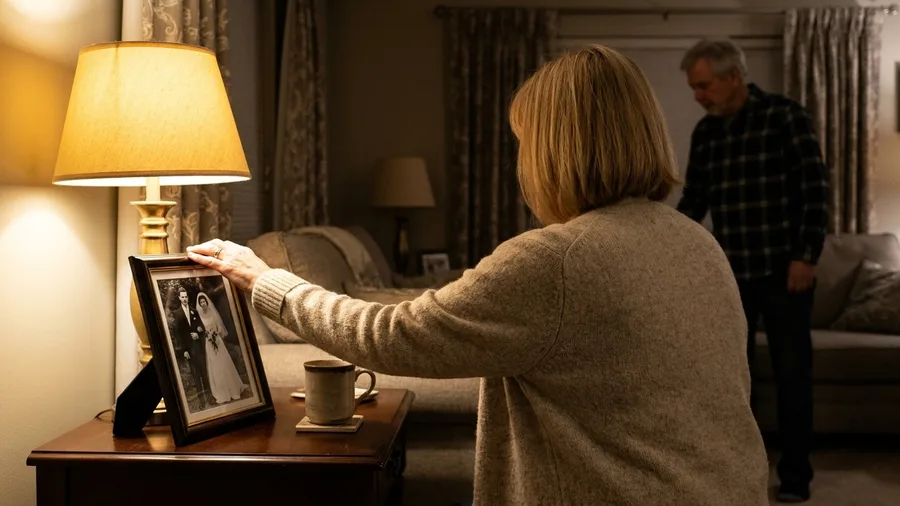
Two cups still come out of the cupboard some mornings, and one of them goes back. That small habit, kept long after the funeral, tells you more about why some widows don't remarry than any conversation about moving on. The bond to a late husband doesn't retire when he dies; it lives in rituals, in the chair by the window, in the way the coffee gets made.
Now picture a suitor who means well, standing in the living room, suggesting the furniture be rearranged so the room feels like theirs. To him it's a fresh start. To her it can feel like being asked to let a new man outrank a ghost. Loyalty, though, isn't a contest with one winner, and a marriage that leaves the bedside photo where it is, marks the anniversary without flinching, and gives the first marriage explicit room can hold both.
The trade is plain once you name it. Companionship comes at the price of renegotiating a history that solitude leaves untouched.
💡 Tip: If you ever do date, say early: 'My late husband is part of my life. That will not change.' It filters out the men who need to win.
Widowhood by the Numbers
👵 Average age at widowhood
59
💔 Widows who remarry
About 20%
💑 Widowers who remarry
About 40%
🏡 Widows who live alone
Over 50%
Context
Most widows do not remarry, and many report high life satisfaction.
2. Widowhood often sparks a late-life identity renaissance
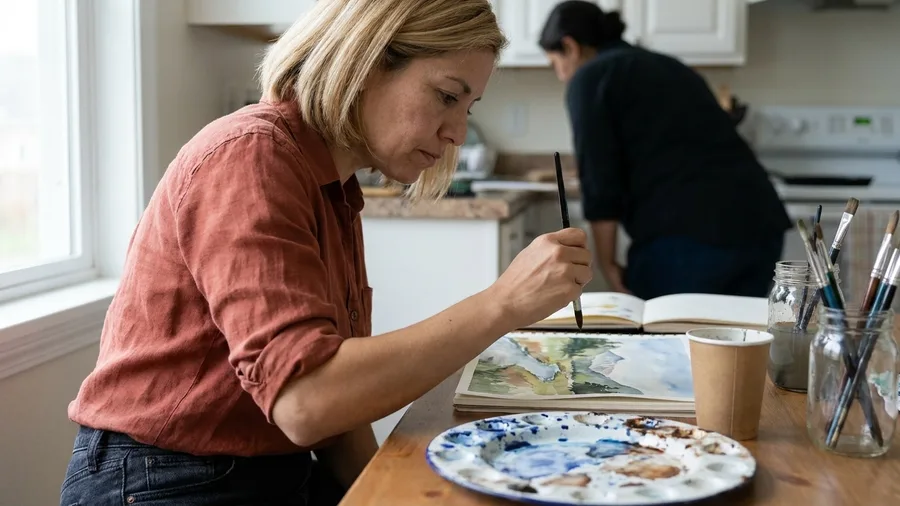
With the first marriage left intact rather than replaced, the question turns to what the single self can now become. A woman of 66 signs up for the community-college art history course she put down in her twenties, paints on Saturday mornings, and books a week in Santa Fe with a friend. Her evenings fill with color and reading, and she notices the calendar is finally hers.
Then a new man expects dinner at six and weekends at his family's cabin. The reading stops, the paints dry, Santa Fe becomes a negotiation. A marriage that guards her own hobbies, friendships, and study hours can grow alongside all this; the room matters more than the ring.
The real test is simple: does the relationship stretch her range or restore the schedules she just left? Anyone watching the weekly calendar can see the answer.
The woman in Santa Fe sends a photo of the desert to her daughter, and the caption is just the view.
Common Mistakes When Choosing Solitude
3. Grief can make a new partner feel like disloyalty
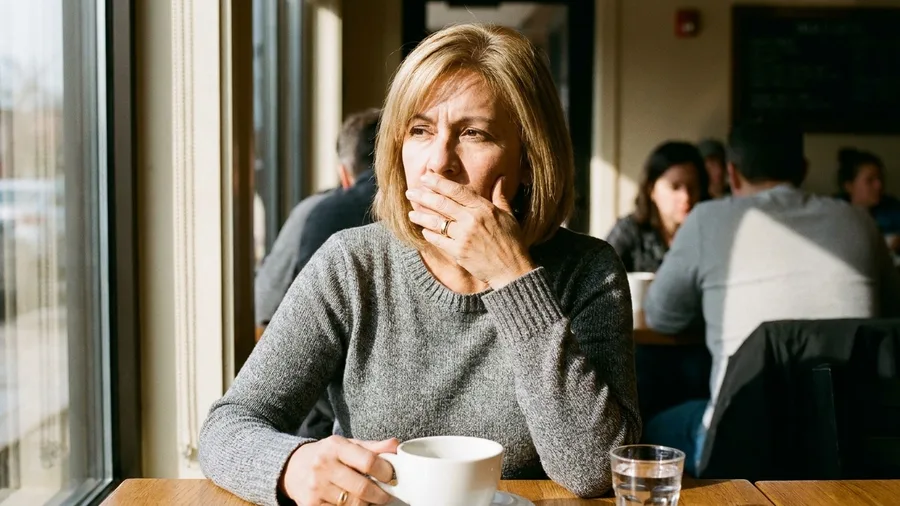
You are laughing at a table by the window, and mid-sentence something in the room goes quiet, and the laugh stops in your throat. A woman at a table by the window laughs at a joke from a man she has known three months, and then her hand finds her mouth because some part of her has just checked: he is not here to hear it. That is the cost worth naming before any of the older loyalties are settled.
The guilt of dating after a long marriage is quiet and constant, one kept at a low volume by grief itself. It can ease with time, with a counselor, or with a group of women who have lived it, because it is a reaction to losing someone, not a judgment on wanting. Friends often want to help and get the timing and words wrong, which is why knowing what widows wish friends understood closes that gap.
Some widows go ahead and find it healing rather than a betrayal, and a new companion can sit alongside the grief and even make the old marriage easier to remember.
The question you are holding is whether the guilt is telling you to stay single or asking to be worked through, and either answer can be right.
⚠️ COMMON MISTAKE
Do not let guilt vote
Feeling guilty about a new relationship does not mean the relationship is wrong. It means you loved someone. Get grief counseling or a widow's group before you let guilt make the decision for you.
Practical and Social Realities
Feelings are only half the story. Money, caregiving, and friendship networks are the other half, and they often make the decision for widows who never expected to weigh them.
These three reasons are about what remarriage would actually change in the daily structure of your life—not just in your heart.
4. Financial independence is simpler to protect when single
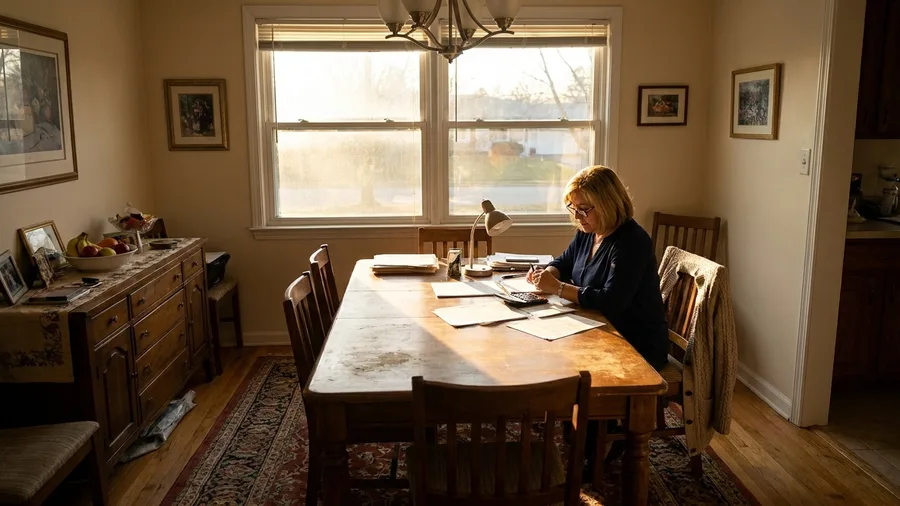
The paperwork is where the surprise tends to live. Survivor benefits, a late husband's pension, Social Security rules written in a language no one speaks at the kitchen table — a widow can remarry legally, morally, emotionally, and still find that one clause quietly rewrote her monthly income.
So verify it, and verify it with the people who actually administer the plan, not with a memory of something a friend's sister was told in 2011. Researchers who study women's retirement income keep finding the same pattern: widowhood is one of the biggest financial shocks a woman faces, and the benefits built to cushion it often carry terms attached to her marital status. The plan administrator will tell you; the Social Security office will tell you. A married friend's recollection will not.
Picture the house a widow has nearly paid off, the survivor pension that covers the property tax, the modest savings she built one decade at a time. Now picture a new marriage that pools the checking accounts by default. The fear that a partner could entangle or shrink what she spent thirty years assembling is not stinginess — it is the accumulated weight of having watched money matter.
That fear can be heavier than the wish for company, and worth taking seriously rather than talking herself out of. A premarital agreement, separate accounts, a benefits review before the wedding rather than after — these exist, and couples do use them. Remarriage is not automatically a financial risk; it is a financial decision that deserves the same careful reading she gives a mortgage.
The practical test is simple. Would the new marriage clarify the independence she already holds, or complicate it? If a plan can be written that keeps her house, her pension, her accounts unmistakably hers, the companionship can be weighed on its merits. If the only version on offer blurs what she built, the single path is not fear talking. It is arithmetic.
And that same arithmetic gets applied to other things a new partner might ask of her, some of them far heavier than money.
💡 Tip: Ask each plan: 'What happens to my benefit if I remarry after 60?' Get the answer in writing.
What Remarriage Can Cost Beyond the Ring
5. Caregiving burnout can make you dread nursing another partner
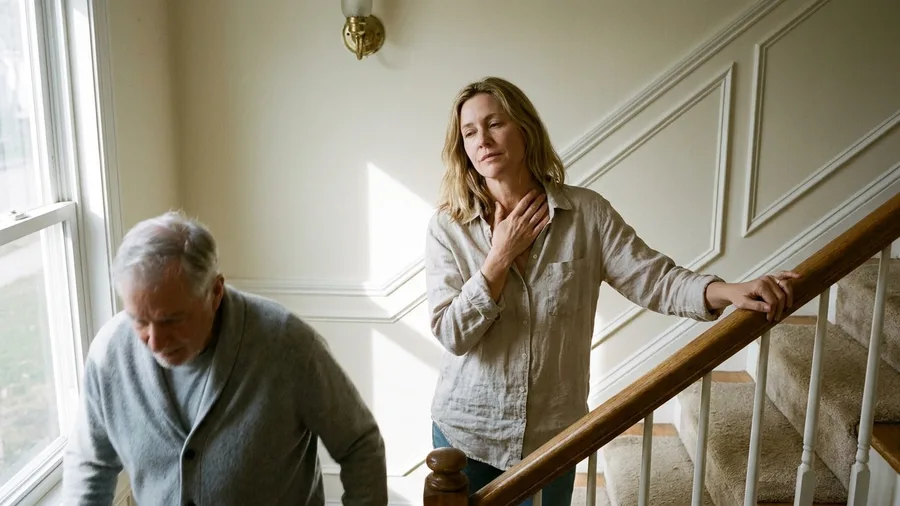
"I did the hospice years. I am not signing up for another round." Six months of pills sorted into a plastic Sunday-to-Saturday box, of lifting a man who once carried the luggage, of the phone call that came at 3 a.m. That is the debt the sentence is paying off, and it has nothing to do with how much she loved him.
Once you have lived inside a long illness, a new partner's health becomes something you read without meaning to. A cough that runs past a week, a hand pressed to the chest on the stairs, a hospital bracelet in a drawer — the inventory starts itself. A man of seventy with a bad hip can stop looking like a companion and start looking like a schedule.
The honest test takes ten seconds. Picture the person across the table at dinner: does the thought of his future health feel like a distant fact you can live beside, or like a job posting you have already read? If it reads as ordinary concern shared between two adults, the dread is grief talking. If it reads as a shift you are about to clock into, it is worth hearing.
Neither answer is a verdict. Some widows take the risk and find the caring meaningful; some keep the risk off the table entirely and lose, along with it, the chance of being cared for in return. The question is only whether remarriage would bring companionship or a contract — and that answer is not owed to anyone.
💡 PRO TIP
Name the fear out loud
If you dread caregiving again, write it down. Then ask: is this a reason to stay single, or a fear to discuss with a counselor? Naming it takes away its power to decide for you.
6. Strong friendships and community can fill the companionship gap
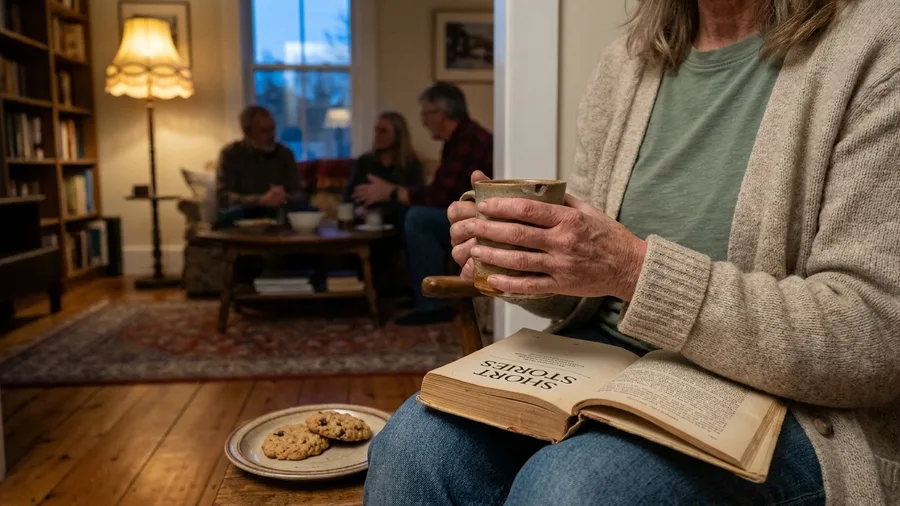
For many widows it does — but only when the social world actually delivers intimacy rather than merely promising it.
Look at the week as it is actually spent. Tuesday church group, Thursday book club, Sunday dinner at her daughter's, the neighbor who walks with her every morning and knows which knee is bad. These are real attachments, not filler. Friends hear the hard parts, call after the biopsy, show up on the holiday; they do it without the daily negotiation a romance requires. The network does demand upkeep — the calls, the hosting, the showing up — and some widows lack it, or still want a romantic bond that friendship genuinely cannot replace.
The test is the one that separates a full life from a busy one. Who would she call at eleven at night with bad news? If names come immediately, solitude can be companionship-rich. If the list is thin, the answer is not remarriage — it is a phone call made this week.
Remarriage vs. Staying Single After Widowhood
Remarriage Can Add
- Daily companionship and shared decisions
- A partner for travel and social events
- Shared care in future illness
- A new chapter and identity
Staying Single Protects
- Continuity of home, routines, and memories
- Full control of money and benefits
- Freedom from another caregiving role
- Space for purpose and solitude
Autonomy and Peace
The final four reasons are about the daily texture of life: the quiet, the decisions, the dating pool, and the purpose that fills your days.
These are the reasons widows often mention last, because they sound less noble than loyalty or grief. They are also the ones that make the choice sustainable.
7. Living alone brings a peace that is hard to trade

A widow spends decades learning to notice what a partner needs, and the habit does not die with him. She turns the thermostat up two degrees and waits for the complaint. She plans a Saturday and rehearses the explanation. The honest correction is that pleasure of a home ordered entirely by her own preferences can sound, when spoken aloud, like a confession.
There is no apology owed for it. She eats at nine if the evening runs late, sleeps with the window open in November, paints the back hall a blue no one else would have chosen, and leaves the radio off in the car. Nobody's preferences renegotiate the shape of the day, and the door, once shut, closes on the noise of everything outside.
That order is what a sanctuary is made of, and it costs almost nothing to keep. What it does not do is guarantee company. The peace is real and it is not absolute: a birthday can turn a quiet house hollow, and a holiday can make the same rooms feel like a waiting area. The daily relief and the occasional ache are separate facts, and neither cancels the other out.
So the answer to whether it is selfish to want the house to yourself is usually simpler than the question assumes. What she is protecting is not solitude for its own sake but a daily life she no longer has to translate for anyone.
⚖️ How to Weigh Solitude Against Remarriage
List what remarriage would add
Be specific: daily company, shared travel, help with the house.
List what it would cost
Money, caregiving risk, loss of routine, renegotiating memories.
Test a weekend alone
Spend one weekend by choice and notice whether it feels like peace or punishment.
Check the paperwork
Call Social Security and your pension plan to understand the financial rules.
Talk to a widow who chose each path
Ask what they gained and what they miss, then trust their honesty.
8. Decision-making becomes simpler with only yourself to consult
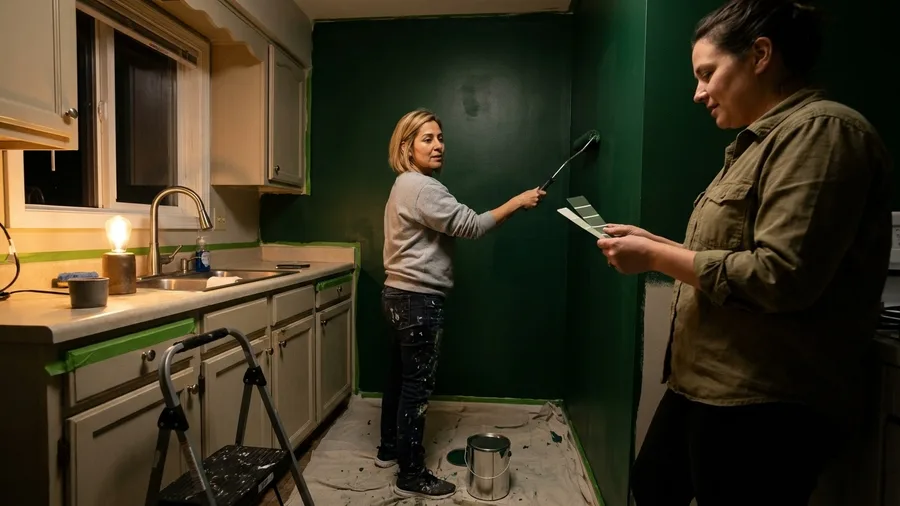
The standard advice is to compromise early, because a woman who has run her own household for years is told she will be impossible to live with. That counsel is backwards. The flexibility people mean is usually one person absorbing the other's preferences, and she has already done her decades of that.
Consider what a decision now involves. She can list the house and move near her sister, book the river cruise for March, repaint the kitchen a deep green, and none of it goes to committee. The relief is not only in the large choices; it runs through dinner, bedtime, the thermostat, and the weekend, none of which need converting into a negotiation.
Some widows miss the give-and-take, the planning of a trip with someone who already knows how they pack. Whether a solo decision reads as freedom or as burden can shift month to month, and both readings are honest. Being set in your ways is only a problem when someone else has to live inside them.
9. The dating pool at this age feels like a swamp
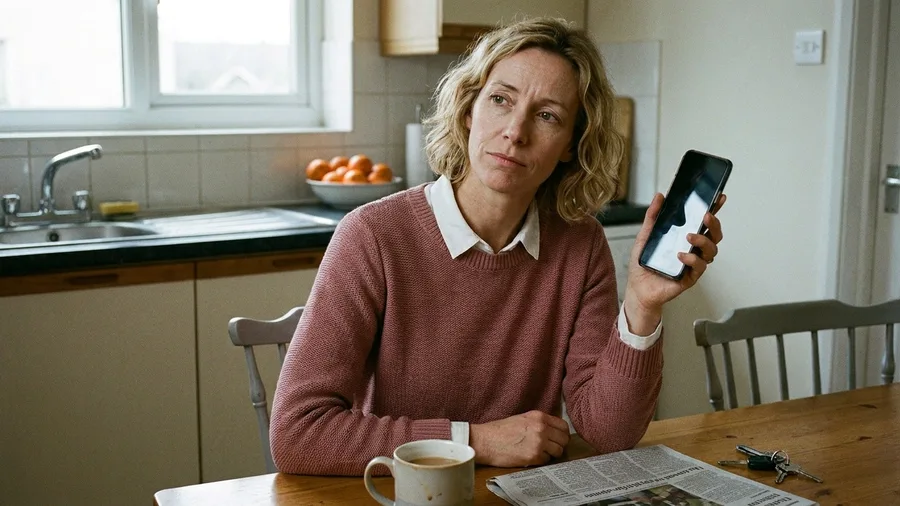
It is easy for a widow to announce that the pool is a swamp and feel she has settled the question. The version of that mistake worth naming is using the swamp as a reason to stop thinking about what she actually wants, since some widows meet good partners in the same pool.
Start with the arithmetic, which is not encouraging. There are simply fewer available men than widowed women, and among the ones circulating, some are searching for a companion while others are searching for a nurse, a cook, or someone to fill the chair a late wife left empty.
Then count the cost of sorting them out. Each introduction begins with the same account of the death, the same patient explanation of what she does and does not want. A coffee that was meant to be light turns into an interview about pensions and health, and she drives home tired in a way she cannot quite account for.
There is a usable test, and it is not whether the pool is good. It is whether the effort of wading in is proportionate to the companionship actually on offer. If the sorting exhausts her more than the occasional dinner enriches her, the search is not cheap, and she is allowed to say so.
If she does go back in, the lines are worth rehearsing before she needs them. "I'm not looking after anyone again, so if that's what you're after, we should stop here." Said early and without apology, it sorts quickly. "I want company, not a caretaking job" is shorter and does the same work.
The other line is the one she owes herself after an evening that went nowhere: "That was one meal, not a verdict." Wading out after a single bad coffee proves nothing about the pool, and nothing about her. The swamp is a description of the search, not of the person standing at its edge.
10. A new sense of purpose replaces the role of wife
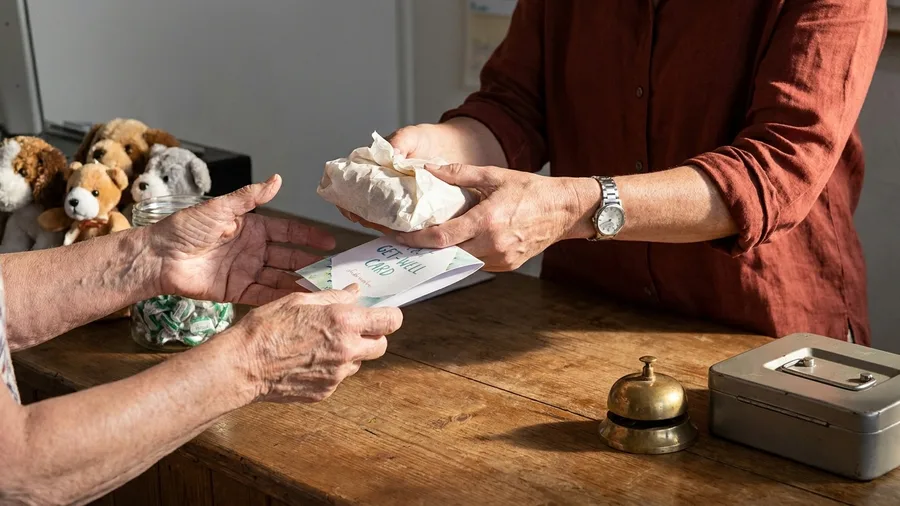
The advice comes easily: find someone, and the days will fill themselves. What it misses is that the days have already been filling, quietly and on their own. A Tuesday at the hospital gift shop, two afternoons a week with grandchildren, a family history that has been half-written for years, a younger colleague who calls for advice before a review – each of these has a schedule, an obligation, and a reward. None of them arrived as a distraction from grief. They arrived as her own work.
That is the part people misread. They see a widow volunteering and assume she is keeping busy until something better comes along, when what she has built is closer to a vocation: being needed, useful, absorbed. A purpose that structured her week in marriage has been replaced by several smaller ones she chose herself. A new marriage can crowd that calendar and the emotional room it takes to sustain it, not out of unkindness, but because a shared life asks for space and the asking tends to go in one direction.
It does not have to. Couples volunteer side by side, sit in the same school auditorium for a grandchild's play, and make work together without one of them going quiet. The question is what the new marriage would do to the purpose, not whether a ring makes purpose impossible. A relationship that adds to what she has begun is one thing; one that quietly reclaims the hours is another.
Solitude keeps the purpose central, and it is not the only way to keep it there. The test is whether a new marriage would add to her purpose or compete with it.
Frequently Asked Questions
Is it normal to never want to remarry after losing my husband?
Yes. Many widows find that staying single is the best way to protect their peace, autonomy, and continuity. It is a valid choice, not a failure.
Will I be lonely if I stay single?
Sometimes. Loneliness is a real risk, but it can be managed with strong friendships, community groups, and purpose work. If it becomes overwhelming, talk to a counselor.
How do I handle family pressure to remarry?
Use a simple, honest line: 'I am happy with my life as it is.' You do not owe anyone a debate, and you do not have to justify your choice.
Should I check my finances before deciding?
Yes. Call your pension plan and the Social Security Administration. Some benefits change if you remarry, and you need the facts, not fear.
What if I want companionship but not marriage?
Companionship does not require a ring. You can date, travel with friends, or build close friendships. You get to define what connection looks like.
What Stays When the Marriage Ends
So the verdict is plain: staying single after widowhood is a valid path, and for many women it is the happier one. The question worth asking is not whether you have a partner. It is whether your life still has continuity, autonomy, companionship, and purpose.
Run the check over ordinary weeks, not dramatic ones. Notice which nights the loneliness is sharp and which days the freedom feels like relief. If loneliness dominates, add people and structure before you conclude the single path is wrong. If freedom dominates and the companionship is already there, the solitude will keep.
And if you walked in fearing that relief was selfish, hear it differently now. Relief is information. It tells you what the single life is protecting, not what you are avoiding. If you choose solitude, build the support on purpose: the standing Sunday call, the shared meal, the club or the church or the family ritual, so the quiet has people at the door. Which brings you back to that two-in-the-morning question. You no longer have to answer it for the dinner table. You get to answer it for the life you actually live.

