

Seventy-five minutes on two buses replaces the twenty-minute car ride someone offered. That is what one declined lift spends. You arrive later than you had to, on a favour you could have accepted, having proved something nobody asked you to prove.
Maybe someone has just called you too independent, or maybe you told nobody about the hard month and noticed, later, that the silence had gone on a while. So you are asking whether this is a quirk or something to work on. The pattern lives in small exchanges. A neighbour drops off a meal after minor surgery and it is repaid as a $40 bakery box inside the week. A move that four friends and a borrowed van could do in three hours gets done alone over a full day.
Call it burden-avoidance: refusing, hedging, repaying, hiding. Its costs are counted in hours, cash and closeness.
The aim here is modest. You will spot three or four of these signs, put a number on one refusal, and have the line ready, "I'd rather owe you than not see you," to take a single concrete offer this week and leave it open. That receiving is a skill, not a flaw, is the whole point. This is not self-sufficiency. It is a way of never giving anyone something to hold over you, and it has been charging you for it.
Quick Tips Before You Start
Do the math
For one offer you refused this month, calculate the real time or money the refusal added.
Strip the hedge
Rewrite one request without sorry, no worries if not, or totally fine either way.
Let a gift sit
Do not repay a kindness this week. Let it stay unreturned and notice the discomfort.
Name one fact
Tell one person one true detail about a hard week, without asking them to fix it.
The Small Refusals
These are the refusals that look polite and cost the most. A lift, a plate of food, a Saturday. Each one seems trivial in the moment and adds up to a quieter, more expensive life.
The pattern here is not about big crisis help. It is about the everyday offers that build the habit of being known as someone who never needs anything.
1. Refusing small help costs hours and closeness
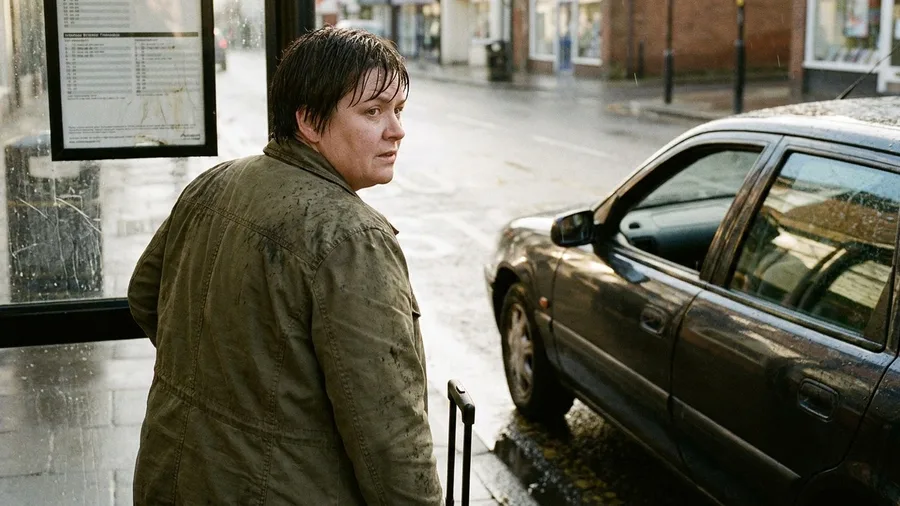
The cost of a small refusal doesn't show up in the moment. It shows up over months, in hours you never get back and in the slow thinning of people who used to offer.
A 20-minute ride gets turned down and the trip becomes 75 minutes on two buses. That's 55 minutes spent to avoid being driven, plus the conversation the car would have held and didn't. Do that a few times a season and you've quietly paid for your independence in afternoon hours, one bus stop at a time.
The giver doesn't see it that way. They see a lift declined, and they read the no as being about them, not about the ride or the plate of food. The favour goes away and so does their chance to be useful to you, which was the point of offering.
Declining something you genuinely don't want is fine. Declining by default is different: the no arrives before you've checked your appetite, your schedule, or whether the person actually wanted to help. The replacement is a plain yes with nothing bolted on. 'Yes, thank you, that would help' does more for the relationship than 'only if it's no trouble', which hands the trouble right back.
💡 Tip: Next time you catch yourself about to decline, say 'Let me check' instead of 'No.' It buys you ten seconds to notice whether the no is real or reflex.
Three Ways This Goes Wrong
2. Apologizing for ordinary needs teaches people you have none
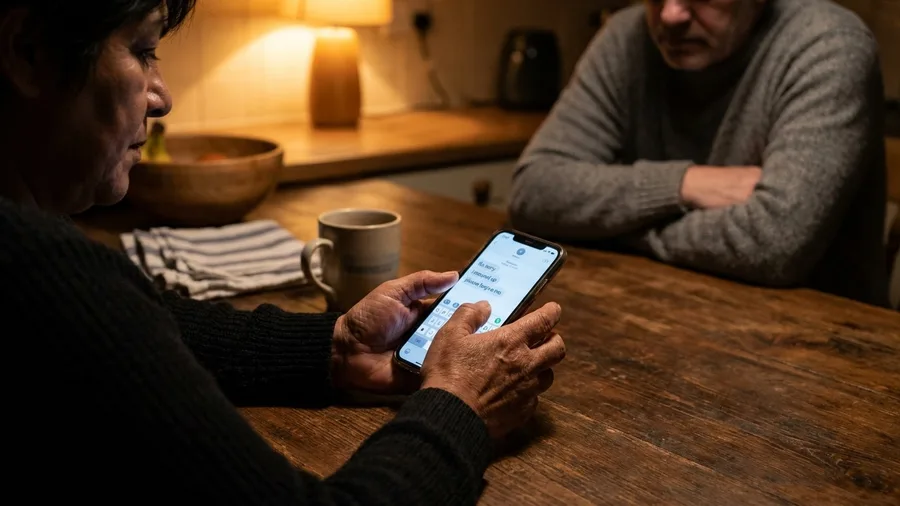
"
That sentence is doing something the speaker doesn't intend. It's trying to make an ordinary request easier to receive, and instead it teaches the other person that there's no need here worth taking seriously.
People take the hedge literally. 'No worries if not' becomes permission to decline, which they use. 'Totally fine either way' becomes no preference, so nothing gets decided. 'Sorry to ask' frames the whole thing as an intrusion, and a kind person who hears an intrusion a few times starts to assume you'd rather they didn't – so the offers thin out without anyone ever saying so.
The alternative is a request a person can actually answer. 'Could you feed the cat Saturday? I'll be back at 6.' That gives them a real yes or no, a clear window, and no guilt to untangle first. It also assumes the answer might be yes, which is the part that takes nerve.
One rewrite, then the next one gets easier. The long version above becomes the short one. The fact stays the same – you need the cat fed Saturday – and only the wrapping comes off.
What lands is manageable. What you sent before sounded like a trap, and people step around traps, even when they'd have been glad to help.
💡 Tip: The sentence to memorize: 'Could you [specific thing] on [specific day]? I'll be back by [time].' No sorry, no exit ramp, no 'if it's not too much trouble.'
⚠️ COMMON MISTAKE
The hedge feels polite. It reads as disinterest.
People do not hear 'sorry to ask' as humility. They hear it as a signal that the request is fragile and probably unwanted. Say the thing plainly and let the other person decide.
3. Repaying a kindness instantly turns a gift into debt
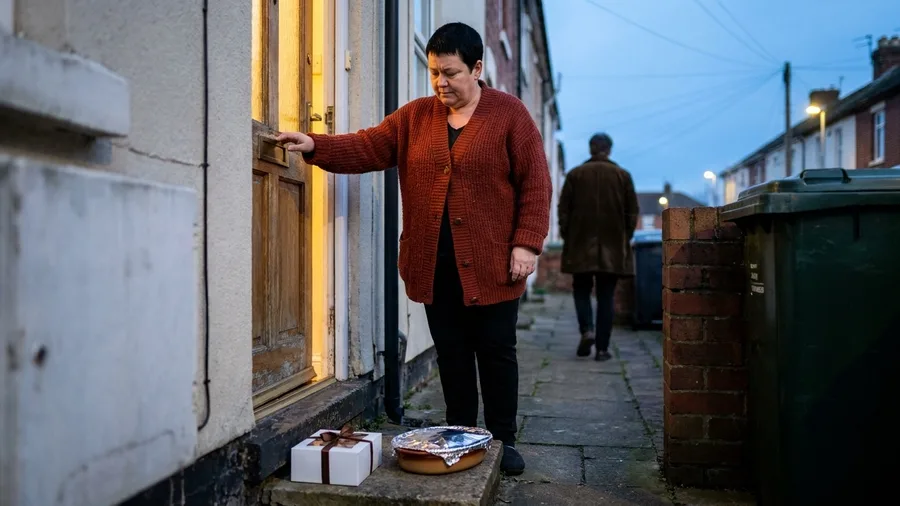
Because leaving it open feels like leaving a bill unpaid, and closing it fast is how you keep the books clean. The neighbour who drops off a lasagne after your minor surgery finds a $40 bakery box on her step by Friday, a thank-you card tucked against the ribbon. On paper the exchange is even. In the ledger you keep in your head, the balance is zero, and nothing is owed.
A gift, though, does not want to be settled. It wants to stay open, because an open favour is what keeps the two of you in touch. Match it within the week and you have not returned her kindness but declined it, politely, and her part in the exchange is finished. She is not your friend any more. She is a supplier you have paid in full, and she knows the difference.
So let it sit. No box, no same-week return, no need to make it even by Sunday. If the debt still itches, pass the kindness sideways instead, to someone else who needs a meal or a ride, and leave the original, quietly, unrepayed.
The Performances
These are the moves that look like strength from the outside. Doing it alone, saying you're fine, hiding the hard thing until it becomes a crisis. Each one keeps help at a distance and calls it independence.
The performance is not for the person in front of you. It is for the story you are telling yourself about what it costs to need someone.
4. The hard way reads as distance, not strength
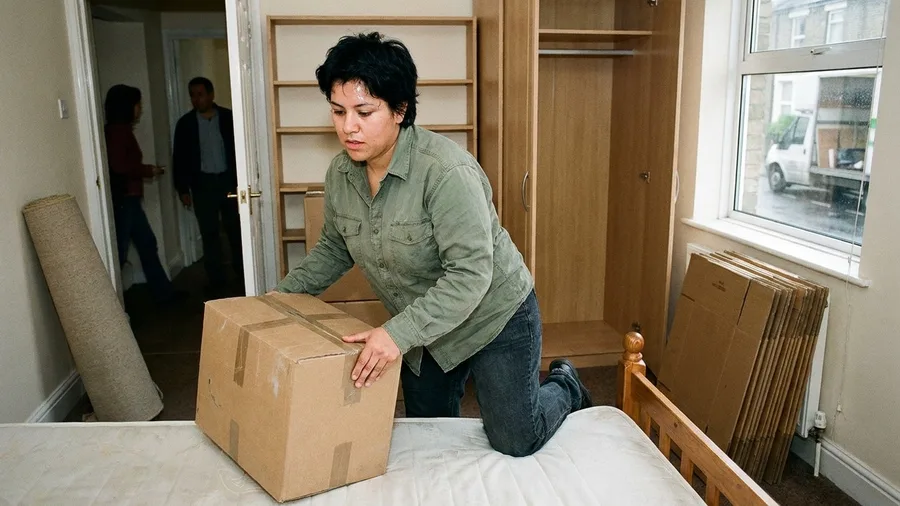
Settling a debt the moment it opens keeps the books even; doing the whole thing alone keeps them from opening at all, and from the inside that looks like strength. A one-bedroom move taken on solo runs a full day. Four friends and a borrowed van do it in three hours.
The hours are the smaller bill. Friends who arrive to help and find the boxes already gone stand around with nothing to carry, and what they feel is not admiration.
Work that truly needs one person alone – a private draft, a judgment only you can make – is the exception; logistics, meals and moves are not. If you do take the help, hand out a clear job and let them do it their way.
The Cost of the Reflex in Numbers
5. 'I'm fine' costs you the help you needed

One word does more work than any favor you turn down. In three or four exchanges the greeting stops being a question: 'How are you?' 'Fine.' 'How are you?' 'Fine.' By the fourth, the person across from you hears the rhythm and files you under handled.
The reply is a closed sentence, and it does what closed sentences do — it ends the subject. Politeness runs the other way. Nobody who has been told 'fine' twice is going to lean in and go looking for the rest; the ordinary person takes it at face value and moves on to their own week, and the asking quietly dries up.
Here is the ten-second test. When someone asked how you were this month, did you answer with a fact — a real one, however small — or with a word? If it was a word every time, notice the cost. It is not that they stopped caring. It is that you gave them nothing to act on, and they took you at it.
A truthful answer is two sentences, not the whole story. 'Work's been heavy — I'm behind and not sleeping much. I don't need you to fix it, I just wanted you to know.' That gives a listener a fact and a clear boundary in the same breath. Say it to one person first, someone who has offered before — a friend, a sibling, the colleague who asked twice — not a post to everyone at once.
💡 PRO TIP
Give the fact, not the whole story
One true sentence about a hard week does more than a polished 'fine.' The fact is information. The whole story is an invitation you can issue later, or not at all.
6. Hiding the hard thing delays help until the crisis
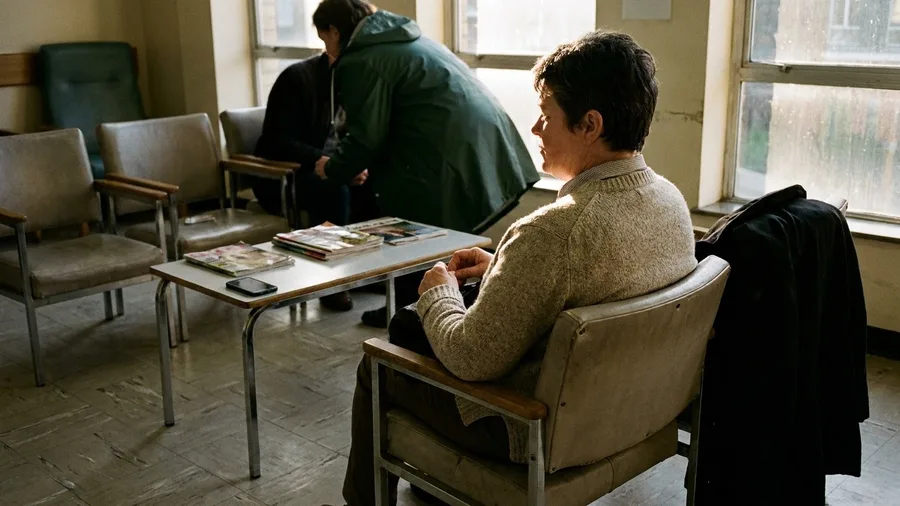
For a long time I thought waiting was the considerate choice. Hold the news until the situation is genuinely bad, and you spare everyone the worry of the early, uncertain version. It took hearing 'Why didn't you tell me?' from someone who meant it to see what that consideration actually was.
Early help is small and practical. A lift to an appointment, a meal dropped off, an hour of childcare. Crisis help is emergency-sized, and it arrives after the problem has already run its course. The size of the help you get is set by how late you speak.
The considerate version is also a kind of control: one person decides who knows, when they know it, and what they are allowed to do about it. The people closest to you don't experience that as protection. A month later, they say 'I would have come,' and the hurt in it is about being shut out, not about the news.
So the correction is not to disclose everything. It is to mention the thing while it is still small. 'I've got a hospital appointment Thursday – nothing urgent, but I wanted you to know.'
Or plainer still: 'This week is heavy; a lift would help.'
Both sentences hand over a fact and leave the other person free to decide what to offer. That is the part the waiting was taking from them.
💡 Tip: If you notice yourself waiting for permission to need help, ask: what would I tell a friend to do in this exact week? Then do that thing.
What Actually Happens When You Accept Help
The step that changes everything is the pause.
The Story Underneath
These are the private verdicts that keep the whole machine running. You decide you are too much before anyone says so. You treat one yes as a debt you will never finish. You shield other people from the fact of your own life.
This is where the pattern stops being a set of habits and becomes a story about what you are allowed to need.
7. You decide you're too much before anyone says so
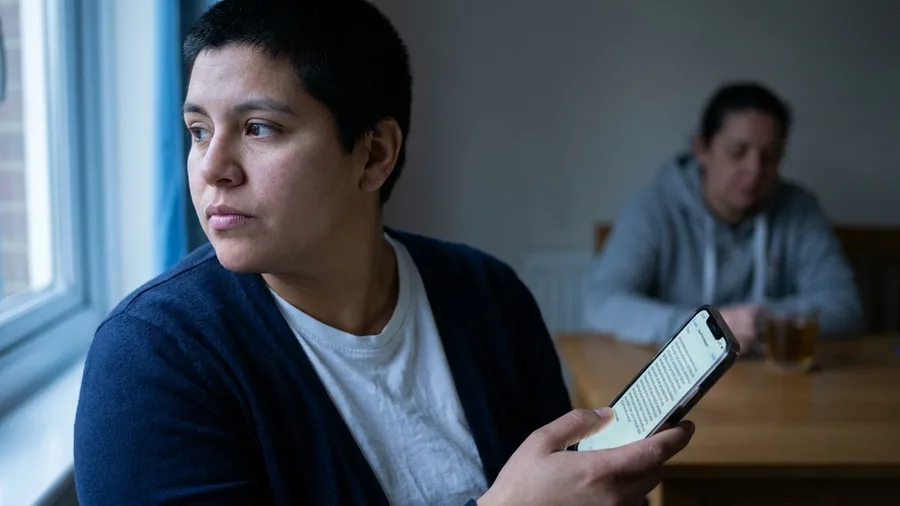
The message has been open on your screen for eleven minutes. You have rewritten the first line four times, deleted the whole thing twice, and started a fresh draft that begins, again, with an apology for existing. It is a two-line ask: could someone water the plants while you are away Thursday to Sunday.
You close the app. The ask gets timed to a week that never arrives, or run ahead of time in your own head until you know how it ends: they sigh, they say yes without meaning it, they add it to a tab of things you owe. Research on rejection keeps returning one finding, and it is stubborn. People underestimate how willing others are to be asked, and overestimate how badly a no will land. The sting fades faster for the person declining than the person asking ever predicts.
The evidence behind the cancelled message is almost always nothing. Nobody has told you the week is bad, nobody has sighed, nobody has voted. The verdict is passed in private, by you, and the ask is withdrawn before anyone could have answered it.
The alternative takes nerve the first time: let them say no. A no is information about their week, not a ruling on your worth, and it is theirs to give. If a single refusal hardened into a rule, look at what it actually was: one person, one date, one circumstance. Test the current ask against the person in front of you.
Three Signs You Are About to Cancel the Ask
Notice which one fires first. That is the one to interrupt.
8. One yes feels like a debt you'll never finish

The usual advice is to say yes more. Say yes to the weekend, the lift, the offered job lead, and the abundance will follow. That advice ignores what a yes costs the person who has spent years deciding, in private, that they are too much. So the invitation to a friend's cottage gets a maybe that turns into a no. The lead gets passed along.
The reflex behind it is simple. One yes can feel less like a gift than the opening payment on something open-ended, where the terms are unclear and the balance always yours to carry. Yet the relationships that last do not keep a ledger. A lift now, a meal in two years, a name passed to a hiring manager, all left running and never matched.
There is a difference worth naming. Asking once is not the same as the pattern of never giving back, and the worry belongs to the second, not the first. If the same person has turned you down before, or the favour is big and repeating, or the relationship already carries old resentment, say it plainly: 'I'm afraid this is too much; please say no if it is.'
9. Shielding others leaves you alone with the problem
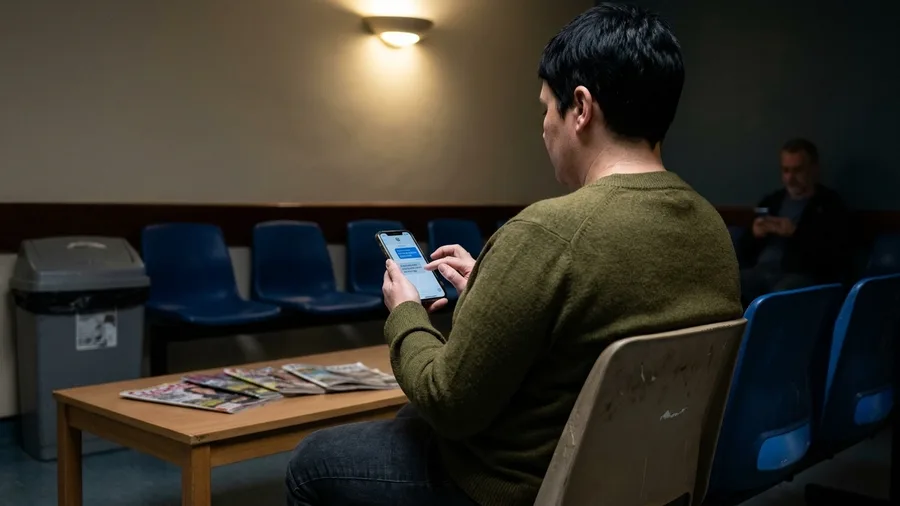
Often it looks that way. When a hospital appointment comes up, you book the day off, take the bus, sit in the waiting room with a magazine, and tell nobody until a month later, when it's over and the results are in.
The people you shielded do not thank you for the protection. They say some version of 'Why didn't you tell me?' and the hurt in it is real, because your silence read to them as being shut out rather than spared. What felt like a kindness landed as exclusion.
The exception matters. Some details are yours alone to hold: a diagnosis while it is still uncertain, a fear you are not ready to name. Choosing not to share those is a boundary, and a fair one. Hiding the whole fact of the appointment is a different move, and it is the one that leaves you alone on the bus. One sentence does the work without asking for rescue: 'I've got a hospital appointment Thursday. I don't need anything – just didn't want to keep it from you.'
The Reflex vs. The Replacement
What you do now
- Decline before checking if you want the thing
- Hedge every request with sorry and caveats
- Repay a kindness within the week
- Say 'I'm fine' and end the conversation
What to try this week
- Say 'Yes, thank you — that would help'
- Ask plainly: 'Could you feed the cat Saturday?'
- Let the debt sit or pass the kindness sideways
- Give one true fact: 'Work is rough — I'm behind'
Frequently Asked Questions
Is turning down small help really a problem?
One declined lift is not a problem. The pattern is. If the default no fires before you have checked whether you want the thing, you are not being efficient. You are keeping help at a distance and spending your own time to do it.
Why do I apologize for wanting what everyone wants?
The apology is a pre-emptive defense against being seen as demanding. It usually comes from a learned rule that needs are an imposition. The rule is out of date. Most people do not experience a clear request as a burden; they experience it as a clear request.
How do I stop repaying every kindness immediately?
Let one go unreturned. No bakery box, no same-week gift. If the discomfort is too high, pass the kindness sideways to someone else who needs a meal or a ride. The original helper stays out of the ledger.
Shouldn't I wait until I actually need help before I ask?
Waiting until you need it guarantees the help is crisis-sized and late. Early help is small and practical. The low-stakes mention while the problem is still small is what keeps it that way.
When is this a quirk and when is it something to get help for?
If the pattern costs you hours, money, and closeness but you can still act against it, it is a habit. If the refusal is tied to persistent anxiety, depression, or burnout — if you cannot make the call, cannot leave the house, or the hiding has become total — that is the point to put it in front of a licensed therapist or contact NAMI. The list is not a diagnosis.
What Seven Days of Accepted Help Looks Like
The verdict is plain: this is burden-avoidance, not a personality defect, and the first move is one concrete offer accepted this week and left unrepayed. A ride, a meal, an hour of help with something you could technically do alone. Take it, say thank you, and send no $40.
Whoever called you too independent, and whatever hard month you told nobody about, were not saying you lack strength. What you lack is practice at receiving. The line that makes it sayable is: "I'd rather owe you than not see you." Take the ride, the plate or the hour and leave it open.
This stops being a quirk when anxiety, depression or burnout persists, or the hiding is isolating you and the isolation lifts for nobody. Then it belongs in front of a licensed therapist, or NAMI, not just a friend. Until then, practice on the small stuff. The next time a lift is offered, one bus instead of two is enough to start.
Pick one offer this week and say yes
You do not need to overhaul anything. One accepted favor, left unrepayed, will show you more than this whole list.

