

Failing to address mental health shifts in retirement can silently erode years meant for freedom and joy, sometimes at a profound personal and financial cost.
Most people imagine retirement as a period of endless relaxation, finally pursuing long-held hobbies, liberated from the daily demands of work.
But for many, this transition brings unexpected emotional challenges – a profound sense of loss, a lingering disquiet that clashes with every expectation. These persistent shifts in mood, energy, and engagement are not always normal adjustments to a new pace of life; they can be early indicators of retirement depression, an often-overlooked challenge.
Recognising these eight specific signs can help you identify potential depression in yourself or a loved one, pointing towards the support that can make all the difference.
Loss of purpose feels profound

Feeling profoundly lost without work is a common experience when retirement suddenly removes a primary source of identity and daily structure.
For years, a career often defines who you are, guiding your mornings, your conversations, and your sense of contribution. When that role ends, the built-in reason to get up, engage, and solve problems vanishes with it.
This shift can lead to feelings of emptiness or aimlessness, as if a significant part of your self-worth was tied to a job title or the specific tasks you performed.
Consider the defined purpose of contributing to a team or overseeing a project, then contrast it with the quiet stretch of unstructured days. The perceived lack of purpose can feel stark.
While an initial period of adjusting to a new schedule is expected, persistent feelings of being without direction, where days blur into each other without meaning, signal something beyond a normal transition. This ongoing sense of being adrift is an early sign worth noting.
Sense of Purpose: Before vs. After Retirement
Social circles shrink significantly
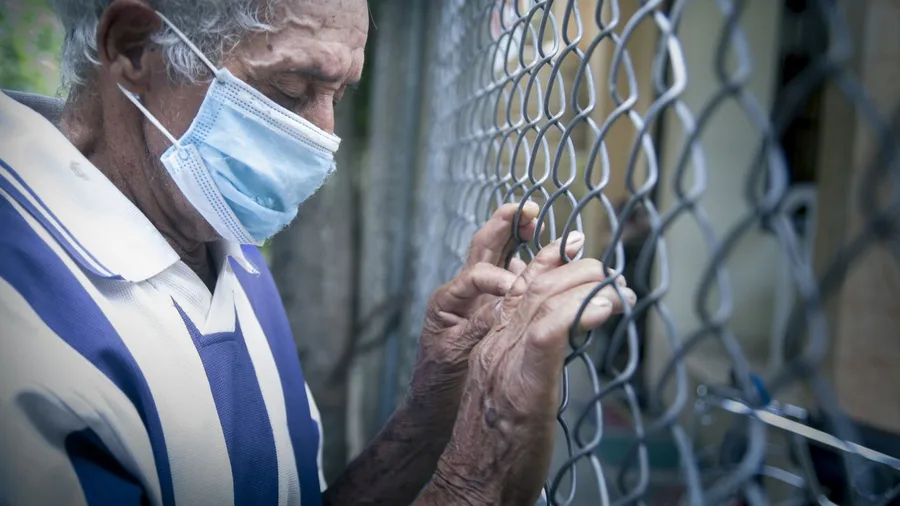
When a primary source of purpose fades, the social structure built around it often diminishes too. For many, the workplace provided a constant hum of incidental social contact, from quick chats by the coffee machine to shared projects and after-work gatherings. These weren't just colleagues; they were often the daily rhythm of connection.
Retirement suddenly removes this consistent, often effortless interaction.
The common ground of shared professional experience, the daily exchange with familiar faces, disappears, leaving a void that can lead to increased social isolation. You might find yourself consistently declining invitations from friends or even feeling a heavy reluctance to initiate contact.
This isn't merely choosing quiet evenings over busy ones. It's a persistent difficulty in engaging socially, a significant withdrawal from events that once brought enjoyment.
What might start as missing a few work lunches can become weeks or months of minimal social engagement. This sustained avoidance and disinterest in reaching out signals a deeper sense of isolation than typical retirement adjustments.
Social Shifts in Retirement — At a Glance
👥 Workplace Network
Daily interactions removed
🏘️ Community Ties
Often less structured
🤝 New Connections
Requires conscious effort
🚫 Isolation Risk
Increases without new plan
Sadness or irritability lingers daily

When increased social isolation takes hold, persistent feelings of sadness or heightened irritability can follow, settling in as a daily constant. This isn't just the occasional bad mood or a fleeting moment of sadness over a memory; it's a low mood that stays, present for most of the day, nearly every day.
If this feeling persists for two weeks or more, it moves beyond typical "retirement blues." Normal sadness usually has a clear trigger, dissipates over time, and lifts when circumstances improve or activities bring joy.
In contrast, this pervasive negativity often feels disconnected from immediate events. A small mishap, like spilling coffee or a minor delay, might trigger a disproportionately strong emotional reaction, like a sudden burst of anger or overwhelming despair.
You might notice a general short fuse, or find yourself snapping at loved ones over minor issues, which then contributes to feelings of guilt or remorse.
This unyielding, disruptive presence of sadness or irritation is a core depressive symptom, indicating a deeper challenge than simply adjusting to a new life phase.
⚠️ COMMON MISTAKE
Mistaking it for 'Normal' Blues
Many people feel a dip initially as they adjust to retirement's changes. But if sadness, frustration, or apathy are present most days for two weeks or more, it is likely more than an adjustment and warrants professional attention.
Sleep patterns become disrupted

Persistent sadness or irritability often arrives with significant shifts in sleep patterns, making restful nights a rare event or prompting a constant need for sleep.
You might experience insomnia, lying awake for hours, unable to fall asleep, or waking consistently in the early hours of the morning without being able to drift back to rest.
Watching the clock tick from 2 AM to 5 AM becomes common.
Conversely, some people find themselves sleeping excessively, taking long naps throughout the day and still feeling profoundly tired, a condition known as hypersomnia. Despite the extra hours, the fatigue remains unshakeable.
This is not simply the lighter sleep that often accompanies aging, or an occasional restless night after a busy day.
These are severe, disruptive changes that impact your daily function, making it hard to concentrate, drive safely, or engage meaningfully with others. Such persistent and impactful sleep issues are a clear signal of underlying mental distress.
Sleep Changes: Adjustment vs. Depression
Normal Retirement Sleep Changes
- Sleep quality varies day to day.
- Adapting to new daily rhythms.
- Refreshed after adequate sleep.
- No impact on daily function.
Early Depression Sleep Patterns
- Disrupted rhythm for weeks.
- Waking unrefreshed, regardless of length.
- Most nights are disturbed.
- Daily tasks feel overwhelming.
Body aches or low energy persist
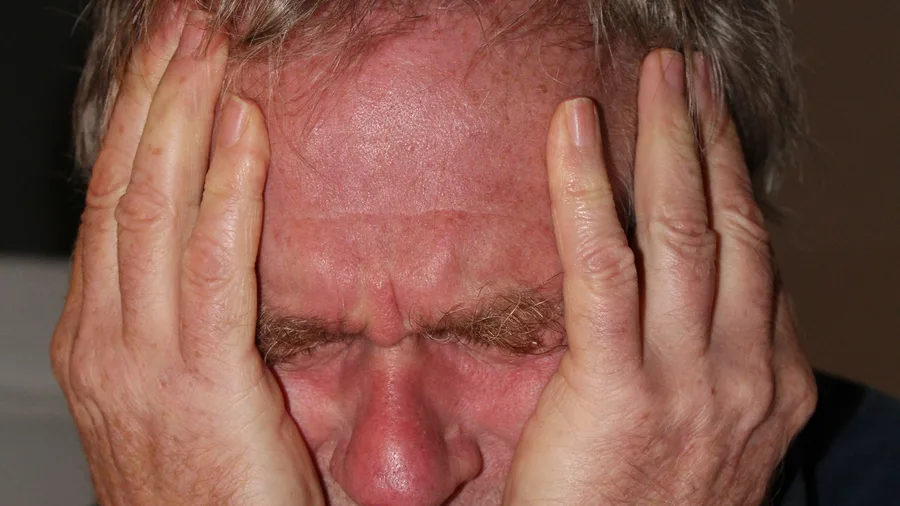
Poor sleep and persistent emotional distress frequently manifest as an ongoing physical weariness and various unexplained bodily discomforts.
You might find yourself battling chronic fatigue, a constant tiredness that settles deep into your bones regardless of how much you rest, making even simple tasks feel like monumental efforts. Headaches, muscle aches, or digestive issues often accompany this drain.
There is often no clear medical cause for these persistent aches.
Unlike typical, occasional age-related stiffness or a brief bout of tiredness, these symptoms are pervasive and unyielding, present most days without relief.
This constant physical drain impacts your motivation profoundly, making it hard to find the energy or willingness to engage in activities you once looked forward to. The idea of gardening, walking, or even reading can feel overwhelming because your body simply doesn't cooperate.
It is a pervasive, deep-seated physical exhaustion that goes beyond normal daily fatigue.
Feelings of worthlessness or guilt arise

This pervasive physical and mental drain can intensify into deeply personal feelings of worthlessness and an overwhelming sense of guilt.
You might notice disproportionate self-criticism, berating yourself for minor slips or feeling inadequate when comparing your post-retirement life to previous achievements. These feelings persist even when they are unrelated to actual events.
Small oversights loom large as personal failures.
Excessive guilt often arises too, perhaps feeling like a burden to your family, or guilty for not contributing to society in the same way you once did.
These are not simple moments of regret or healthy self-reflection, but pervasive emotional states that feel profoundly out of proportion to your current circumstances. They chip away at your sense of personal value, rather than allowing for balanced self-assessment.
This constant internal negativity significantly erodes your self-esteem and confidence over time.
Focus and decisions become difficult
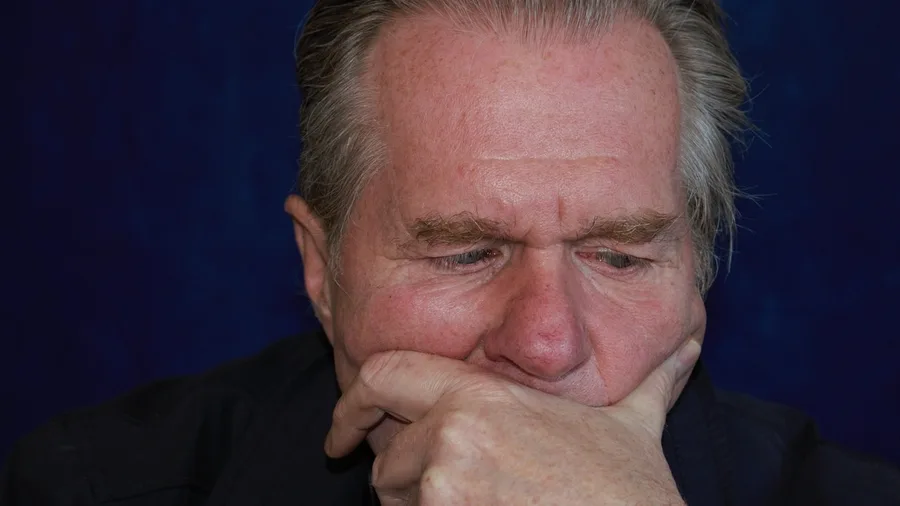
When feelings of worthlessness or guilt persist, the ability to focus and make clear decisions often becomes notably difficult.
Reading a book, following a TV show, or even maintaining a conversation can feel like a heavy task.
You might struggle to recall recent conversations or remember what you planned for the day. Trying to follow multi-step instructions, like those for a new recipe or assembling a small item, might feel overwhelming and lead to frustration. This is more than a fleeting moment of forgetfulness.
Deciding what to eat for dinner or which errand to run first can feel surprisingly heavy, leading to prolonged indecision.
These changes go beyond the occasional slip of memory or a moment of distraction that can come with age. When the impact is significant enough to disrupt daily routines or make problem-solving a constant challenge, it signals a deeper cognitive burden. It is about consistent struggle, not just a brief lapse.
🚶♀️ When to Seek Support
Acknowledge the Shift
Recognize that these feelings are more than just 'normal' retirement adjustments; they might signal something deeper.
Talk to Someone Trusted
Share your experiences with a close friend, family member, or partner who can listen without judgment or immediate solutions.
See Your Doctor
Schedule an appointment for a physical check-up to rule out any underlying medical causes for your symptoms, as these can mimic depression.
Consider a Mental Health Professional
Discuss your symptoms with a therapist or psychiatrist who can provide an accurate assessment, offer coping strategies, and guide treatment options.
Build a New Routine
Actively create a structured daily schedule that includes social connection, physical activity, and engaging hobbies to help restore a sense of purpose and stability.
Lost interest in favorite activities

Following a period of difficult focus and decision-making, a profound loss of interest in activities you once loved often appears.
The garden that was once a source of quiet joy might now sit untended, or the fishing rod might stay in the shed. Books remain unopened, and music that once stirred emotion now simply plays without notice, offering no real pleasure. This shift is often subtle at first.
Invites to social gatherings or family dinners are met with indifference, or quietly declined.
This deep inability to experience pleasure, known as anhedonia, is a classic indication of depression. It is not about a desire for a new hobby or a temporary phase of boredom with old ones; it is a consistent absence of the feeling of enjoyment itself.
The usual drive to engage in anything that once brought satisfaction seems to have simply vanished.
Frequently Asked Questions
What is retirement depression?
Retirement depression is a form of depression that can occur after leaving the workforce, often triggered by the loss of identity, routine, social connection, and purpose that work provided. It manifests through persistent feelings of sadness, aimlessness, and a lack of interest in activities.
Is it normal to feel sad after retiring?
It's common to experience a period of adjustment, sometimes called 'retirement blues,' with feelings of sadness or loss for a short while. However, if these feelings are pervasive, intense, and last for more than a couple of weeks, it could be a sign of depression and warrants attention.
How long do retirement blues usually last?
Normal retirement blues are typically temporary, lasting a few days to a couple of weeks as you adjust to your new lifestyle. If symptoms like persistent sadness, fatigue, or loss of interest continue for longer, especially two weeks or more, it is advisable to seek professional evaluation.
Can retirement depression be prevented?
Proactive steps can help prevent retirement depression. Planning for retirement should include developing new routines, finding new social connections, engaging in hobbies, and exploring new purposes beyond work well before your last day. Maintaining physical activity and a balanced diet also contribute to mental well-being.
When should I seek professional help for retirement depression?
You should seek professional help if you or a loved one experience several of the mentioned signs persistently for two weeks or longer. If symptoms are severe, impacting daily life, or include thoughts of self-harm, seek immediate help.
What kind of professional help is available?
Help for retirement depression can come from various sources. Start with your primary care physician for a general check-up. They can refer you to mental health professionals like therapists, counselors, or psychiatrists who can offer psychotherapy, medication, or a combination of treatments tailored to your needs.
Understanding What Matters Most
If you notice one or more of these emotional or physical shifts persisting daily for several weeks, it is a clear signal that professional evaluation is warranted. These aren't just minor adjustments to a new phase of life.
Early intervention is crucial for effective treatment, preventing symptoms from becoming chronic, and restoring the enjoyment you deserve in this new life phase. Retirement offers new freedoms, but it also presents unique psychological challenges that demand attention, not silent endurance.
Consult a doctor or mental health professional to discuss your symptoms and explore appropriate support options. Taking that step is how you reclaim the years meant for freedom.
**Don't Let Retirement Depression Go Unnoticed**
Understanding these signs is the first step toward finding support. Revisit the "When to Seek Support" timeline to learn what to do next.