

Seniors who keep a morning routine report being happier because a predictable schedule replaces the anxiety of unstructured time with calm, low-stakes momentum.
But this is not about waking up at dawn to run three miles or read dense philosophy. It is about deciding the first hour of your day in advance so you do not have to mentally negotiate with yourself every single morning.
Endless free time quickly becomes paralyzing.
Here is what predictable mornings actually change about your psychology, and the quiet danger of leaving your days completely wide open.
Why Does The Morning Dictate The Rest Of The Day?

I used to believe the ultimate reward of this stage of life was waking up to a completely blank slate, ditching the alarm clock, and seeing where the day took me. I was entirely wrong about what that unstructured freedom actually costs. The way you spend your first hour awake heavily influences your psychological state for the next twelve.
Waking up with no plan forces your brain to scramble. Deciding what to eat, what to wear, and which task to tackle first rapidly depletes your cognitive reserves before you even finish breakfast.
Decision fatigue is a real biological limit that you cannot outsmart.
A set routine eliminates those early choices, allowing you to glide through the morning on autopilot and save your energy. Defend this time from anyone who assumes retirement means constant availability. Give them this boundary: "I am booked solid until ten. I cannot take morning requests, but I can help out after lunch."
The Psychology of Early Choices
0. They Reclaim Control Over The Clock

Fourteen unmapped waking hours a day sounds like the ultimate reward of a long career. Leaving your entire schedule wide open feels like hard-earned freedom at first, but it almost always breeds a quiet, persistent sense of drift.
Take ten seconds to answer this honestly. Look closely at how your last three mornings unfolded. When a family member asked for a favor before ten o'clock, did you say yes because you actually wanted to participate, or simply because your calendar was completely empty? If mere availability dictated your choice, you are paying a hidden tax.
An entirely empty schedule practically invites other people to claim it.
Without the rigid anchor of a career, you quickly become the default backup plan for everyone else's daily chaos. Well-meaning friends and relatives start treating your free time as a communal utility. A structured morning fixes that drift immediately by establishing a firm, unquestionable prior commitment before anyone else interferes.
When someone inevitably asks for your morning time to run an errand, handle a delivery, or help out, you now have a built-in, polite boundary. The routine itself becomes your shield against constant interruption.
You simply say, 'I keep my first two hours for my own routine, but I am entirely free after noon.' That single sentence buys back your autonomy. It teaches people that your hours still hold immense value, turning an intimidating expanse of empty time into a day you actively control.
⚠️ COMMON MISTAKE
Don't Confuse Routine With Rigidity
A routine is meant to serve you, not trap you. You can adjust the timing to fit your mood while keeping the actual sequence of events the same.
0. They Lower Their Baseline Morning Anxiety

Negotiating with yourself in bed actively manufactures early morning anxiety.
Ask yourself a simple question about your daily habits. Do you spend your first twenty minutes awake lying there, mentally debating whether to get up, read the news, or make breakfast? Researchers who study decision fatigue consistently find that this unstructured time spikes your tension by forcing you to weigh options before you are fully awake.
A predictable sequence of actions gives your nervous system a quiet runway into the day. It removes the need to make choices entirely, dropping your baseline stress because the routine already decided for you.
Morning Anxiety Triggers
- Predictable Sequence: Low stress, actions happen on autopilot.
- Minor Choice Overload: Debating what to eat or wear in bed.
- Blank Slate Day: High stress from having zero anchors or commitments to start the day.
0. They Sleep Better The Night Before

If you want better rest in retirement, standard advice tells you to obsess over your evenings. I used to assume that getting a good night of sleep was entirely about what you did after dinner.
But I was completely backwards on the timing. Researchers who study sleep patterns consistently find that the real work actually happens twelve hours earlier. Viewing outdoor light at the exact same time every morning successfully locks your circadian rhythm into place for the day. That morning exposure determines when you feel tired.
Your morning habits literally dictate your bedtime.
Circadian Rhythm Anchors
☀️ Light Exposure
Within 30 mins of waking
☕ Caffeine Limit
Stop by 12:00 PM
🚶 Physical Movement
10 minutes minimum
0. They Treat Predictability As A Luxury

The mistake is viewing a predictable morning routine as a restriction of your own freedom.
After decades of waking up to a loud alarm just to beat rush hour traffic and answer to an employer, a strict schedule feels like leftover baggage from your working years. You naturally assume that doing the exact same thing every single morning means you are failing to enjoy the open-ended flexibility you finally earned.
The psychological reframe requires realizing that absolute predictability is actually a profound luxury. You are no longer answering to a clock, but intentionally choosing to guarantee yourself a quiet, private environment every single day.
You walk into the kitchen, the coffee machine is already prepped from the night before, and the newspaper is exactly where you left it. Nobody is demanding your attention, and you have nothing to rush for. When you treat the schedule as a daily gift rather than a rigid obligation, the entire psychology shifts.
Approaching The Morning
Unstructured Morning
- Requires constant daily choices
- Often leads to midday sluggishness
- Vulnerable to interruptions from others
- Cortisol spikes while deciding what to do
Anchored Morning
- Actions happen automatically
- Sets a steady pace for the afternoon
- Creates polite boundaries with family
- Lowers stress through predictability
0. They Stop Waiting For Motivation To Strike
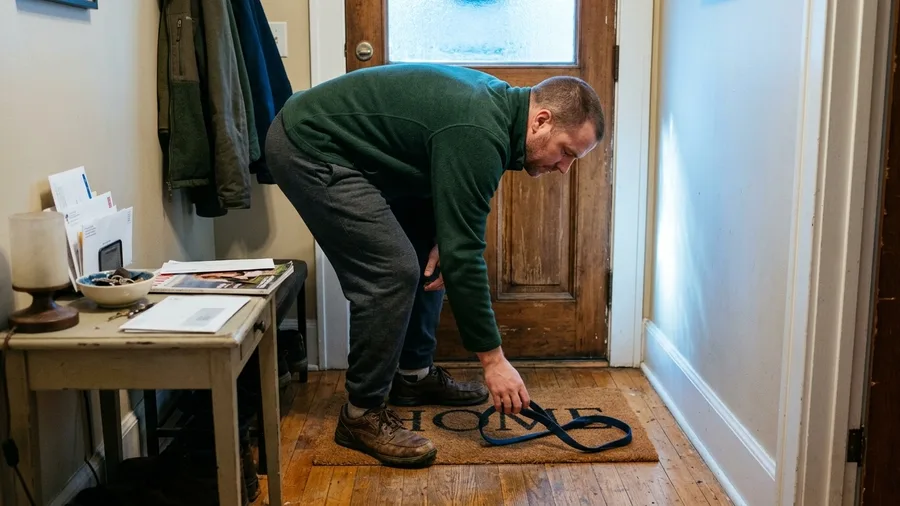
Why is it so hard to start a daily walk when you finally have all the time in the world? You might assume your willpower evaporated in retirement, but the actual culprit is decision fatigue.
Waking up to an empty calendar and waiting to feel inspired to move requires an exhausting amount of psychological effort. A set routine bypasses motivation entirely. You walk the dog at eight o'clock simply because the clock says eight, completely eliminating the morning debate.
Spontaneity is fine when an activity is purely for pleasure, like deciding to finally paint the spare room. If the task maintains your physical baseline, however, you have to let the clock make the choice.
💡 PRO TIP
Tie A New Habit To An Old One
If you want to start stretching daily, do not assign it a random time. Do it while the coffee is brewing. The existing habit automatically triggers the new one.
0. They Know When To Break The Rules

"I have to get up at six or my whole day is ruined." You hear this from people who have turned a helpful framework into a daily hostage situation, where one bad night of sleep causes total panic. Strict adherence actually erases the psychological comfort the schedule was designed to provide.
The most resilient people treat a morning rhythm as a tool rather than a prison. When the grandchildren stay over or your energy vanishes, drop the entire plan without a single ounce of guilt.
The schedule will still be right there waiting for you tomorrow.
Habit Adherence And Guilt
0. They Replace Work Identity With Personal Pacing
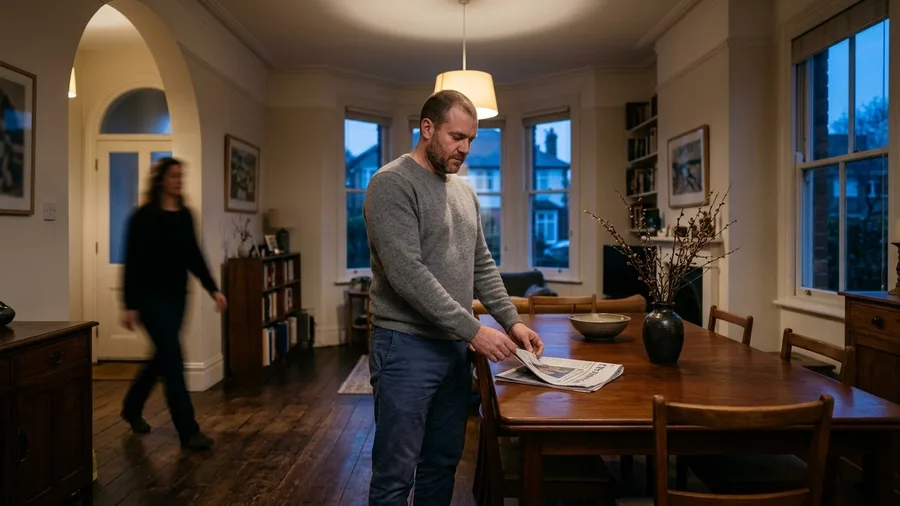
You wake up at seven on a Tuesday, and for the first time in forty years, the house is entirely quiet. There is no commuter train to catch, no urgent message to answer, and nobody waiting for your input before they can start their own shift.
The initial relief is profound, but after leaving a long career behind, that sudden freedom often turns into a quiet restlessness. People repeatedly share that they miss having a place they simply had to be.
The sudden loss of a professional identity leaves a void that completely unstructured days cannot fill. A deliberate morning sequence steps into that empty space, handing you back a tangible sense of purpose and a definitive start to your waking hours without the lingering stress of a daily commute.
You are no longer reporting to a boss, but you are reporting to your own standard of living. This reliable rhythm replaces that old external pressure with a steady internal pacing.
Excellent Morning Anchors
0. They Experience Fewer Midday Slumps

I spent my first full year of retirement completely convinced that a slow, aimless transition from the breakfast table directly to the armchair was the ultimate reward for decades of hard labor.
You sit down with the remote right after breakfast, fully intending to just check the weather. You tell yourself, "I am only going to watch until the local forecast finishes, and then I will get properly dressed." But the armchair is deeply comfortable, the house is quiet, and the morning news rolls seamlessly into daytime television.
Three hours of aimless morning television always guarantees a sluggish afternoon.
The true cost of that extended sit is rarely just the lost hours, but rather the quiet physiological toll it takes on your aging body. Before you know it, it is nearly noon, your eyes are getting heavy, and the momentum for the entire day has completely evaporated into thin air.
Setting a physical routine first thing prevents that heavy, lethargic slide into the late afternoon. You must establish a firm, physical boundary between finishing your morning meal and settling onto the living room couch.
Commit to putting on your outdoor shoes immediately after washing your breakfast dishes, and walk around the block before ever touching the television remote control. Over a few months, that single daily routine quietly buys back your afternoons, giving you a steady reserve of energy that actually lasts until the sun goes down.
0. They Protect Their Most Expensive Energy

You wake up knowing the grandchildren are arriving at three, or the neighborhood association meets at four. The most common advice you will hear is to carefully pace yourself, keeping the early hours deliberately unstructured so you can conserve your best physical and mental energy for those larger social obligations later in the afternoon.
This perfectly sensible approach is actually a quiet trap.
Rationing your limited focus usually means spending your entire morning in a frustrating state of low-grade waiting. This cautious holding pattern quietly guarantees you never spend your sharpest energy on your own interests.
When you intentionally direct your clearest mental state toward your own morning rituals, you are choosing to pay yourself first. The rest of the day can be entirely slow and social, simply because you have already secured your baseline of personal satisfaction before noon. You never end up feeling cheated out of your own time.
How Do I Build A Rhythm That Actually Lasts?

Forty-eight hours is usually the lifespan of a complete routine overhaul.
The real cost of trying to reinvent your mornings by next Tuesday is the inevitable crash that leaves you starting over by Thursday. Lasting rhythms are bought with slow, boring repetition over months. Pick just two basic actions to complete in the exact same order every single day, like making the bed followed immediately by a glass of water.
Wait until those two steps happen automatically before you try adding a walk or reading time. You trade immediate complexity for consistency, because a simple foundation actually survives difficult days.
Frequently Asked Questions
Does a morning routine have to start early?
Not at all. The timing matters far less than the sequence of events. You can start your routine at nine o'clock and still get all the psychological benefits.
What if I am just not a morning person?
Then build a slow, gentle routine. A morning rhythm does not have to be high-energy; it simply needs to be predictable. Reading a chapter of a book with tea counts as a perfect start.
How long does it take for a new schedule to feel natural?
Most people report that a new morning sequence begins to feel automatic after about three weeks of steady repetition. The key is keeping the steps simple enough that you do not want to quit during that initial phase.
Should I keep the exact same routine on weekends?
It depends entirely on your lifestyle. Many find comfort in holding the same schedule every single day, while others prefer to let weekends remain loose and unstructured as a mental break.
Your First Seven Days On A New Clock
When you first adopt a morning routine, the initial few days will likely feel a bit artificial and forced. You are actively laying down new tracks in your daily habits, and that always requires a conscious push at the start.
Push through that awkward phase.
By the second week, the resistance fades away, leaving you with a quiet, reliable rhythm that steadily carries you into the rest of your day.