

The initial, exhilarating freedom of early retirement often gives way to a quiet unease in a matter of weeks, not years, for many people who make the leap. The dream promises boundless days without schedules, deadlines, or the daily grind of office politics, an expanse of time for travel and personal projects.
Yet, this newfound freedom can quickly reveal unexpected voids. Many early retirees find their deepest sense of purpose and connection was tied to their professional life, leading to challenges they hadn't anticipated.
A truly satisfying early retirement demands careful, deliberate planning that goes far beyond just financial security. It requires you to actively cultivate new sources of identity, build diverse social connections, and thoughtfully structure your days for sustained engagement. Understanding these common regrets allows you to proactively build a second act that is rich in purpose and joy.
Lost a Sense of Purpose and Identity

Many people who retire early find their core identity was deeply tied to their job title and function.
The sense of self that came from being 'Chief Engineer' or 'Lead Architect' often vanished when the work stopped, creating an unexpected psychological void.
This wasn't just about missing the paycheck; it was about the loss of daily problem-solving, the satisfaction of a complex project completed, or the specific contribution of mentoring junior staff. Those everyday markers of worth and direction simply disappeared.
Without a clear professional purpose, the days could start to feel aimless, leaving a profound sense of not knowing what to do or who to be.
This often led to deep regret.
People wished they had spent years cultivating a personal identity and sense of purpose that existed entirely separate from their career, something they could carry forward into this new stage of life.
⚠️ COMMON MISTAKE
Don't Default to 'Relaxing'
While rest is essential, defining early retirement solely as endless relaxation often sets the stage for regret. Humans thrive on challenge and contribution. Plan for active engagement, not just passive leisure.
Social Circles Shrank Unexpectedly
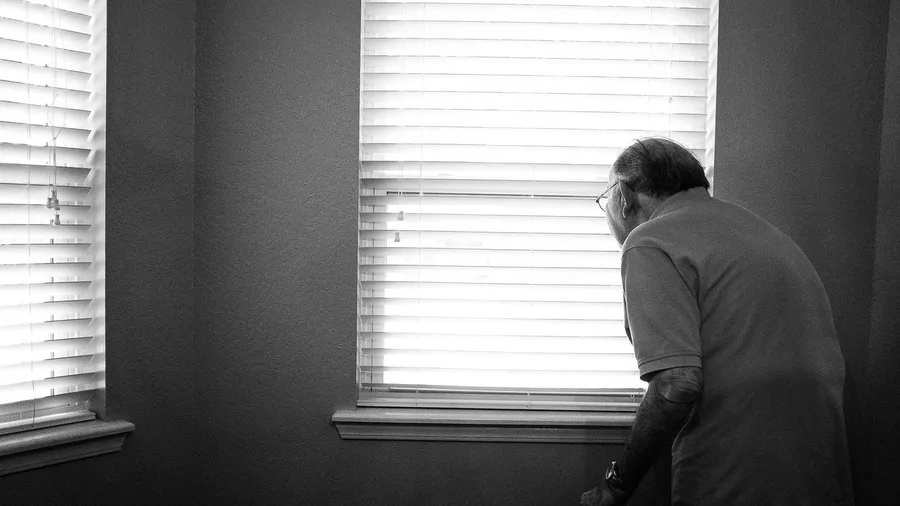
When a professional identity fades, the built-in social fabric that often accompanied it begins to unravel. Many people discover their workplace offered more than just tasks.
It provided a constant, effortless source of daily human connection, from quick chats by the coffee machine to shared frustrations during team meetings. These regular interactions offered a steady hum of camaraderie and a sense of being part of something larger.
That hum often disappears overnight.
The sudden removal of these default social anchors leaves a deep void, quickly sparking feelings of isolation and profound loneliness.
Forming entirely new friendships later in life, without the inherent structure or shared purpose of a job, proves to be a significant and often daunting challenge. This reduced social contact diminishes daily well-being and can leave one feeling disconnected or even forgotten.
The common regret is not having cultivated diverse social networks outside of professional contexts.
Social Shifts in Early Retirement — At a Glance
☕ Workplace Connections
Often 80% of daily interactions
🧩 New Friendships
Require deliberate effort
🧠 Mental Well-being
Impacted by social contact
Relationship Dynamics Changed Unexpectedly

When broader social circles shrink, the intensity of relationships at home often grows, leading to entirely new dynamics with spouses and family members.
Many early retirees found that the shift from seeing a partner for a few hours each evening to being together almost 24/7 created unforeseen tensions. This 'too much togetherness' phenomenon demands a renegotiation of daily life.
Household roles and personal space boundaries that were previously unspoken suddenly require clear definition.
Questions about who manages home maintenance, grocery runs, or meal preparation now emerge daily, where before, separate work schedules often dictated these routines. Conflicts can easily arise if one partner envisions extensive travel while the other prefers a quiet home life.
This mismatch creates friction.
People commonly regret not having thoroughly discussed and planned for these new relationship dynamics and expectations before taking the leap into retirement.
🤝 Proactive Relationship Planning for Retirement
Discuss Daily Visions
Talk about what a typical Tuesday looks like for each of you in retirement.
Define Personal Space
Identify specific areas or times each person needs for their own activities.
Negotiate Household Roles
Clearly assign new responsibilities for chores, errands, and finances.
Plan Shared Activities
List 3-5 activities you genuinely want to do together weekly.
Cultivate Individual Hobbies
Ensure each person has engaging pursuits separate from their partner.
Daily Life Felt Unstructured and Boring

Beyond changing relationship dynamics, the freedom of early retirement can quickly reveal itself as a blank canvas with too little to paint.
A Monday morning with no appointments, once a cherished dream, can become a source of subtle dread when there is no external structure driving action or clear purpose for the hours ahead. The transition from a full, structured workday to a completely open schedule often creates unexpected difficulty in self-motivating without external deadlines.
Without the built-in rhythm of meetings, daily tasks, and casual social interactions, days begin to blur into one another. This absence of routine often leads to a quiet aimlessness and a pervasive sense of boredom.
Struggling to fill this time meaningfully, people discover that simply having freedom does not inherently lead to a fulfilling daily life. The initial joy of spontaneity gives way to a longing for anchors and clear engagement.
Many later regret not developing a deliberate, structured plan or routine for how they would spend their days in retirement. A clear daily framework becomes essential.
Lacked a Compelling 'Next Chapter' Plan

The initial rush of freedom from a demanding daily schedule often reveals a deeper issue: many early retirees found they had departed from a job, but had not yet arrived to a clear vision for their next chapter.
Escaping the pressures of a career is one thing; actively pursuing new goals, passions, or long-term projects is another entirely. This is more than simply consuming entertainment; it is about engaging with the world on your own terms.
Having specific, engaging activities planned becomes important. This could mean training for a local half-marathon, committing to volunteering several days a week for a cause you believe in, or embarking on a years-long personal project, such as building a small boat.
Without concrete aspirations and a path to reach them, the initial relief from work can give way to a profound sense of dissatisfaction, leaving a void where purpose once resided.
The regret often expressed is not having taken the time before retiring to define that compelling 'next chapter' with specific activities and meaningful aspirations.
The Retirement Purpose Gap
Early retirees often underestimate the psychological need for new goals.
Missed the Intellectual Challenge of Work

Without a clear sense of purpose or a next chapter, many early retirees find they quickly miss the mental stimulation and complex problem-solving their professional lives once demanded.
Beyond the regular income, work often provided a constant stream of new puzzles. You might have been coordinating a complex project, analyzing market data, or learning new software; these tasks kept your mind actively engaged.
When the daily requirement for this kind of rigorous thought disappears, a sense of decreased cognitive sharpness can settle in, often described as a 'brain drain'. This can impact your overall mental agility and mood.
It becomes essential to actively seek new avenues for intellectual engagement. This could involve enrolling in online courses, joining a community workshop to learn a craft, or dedicating yourself to mastering a new musical instrument or a foreign language.
The common regret here is not having deliberately planned for continuous learning and intellectual growth as a core, daily part of their retirement design, beyond just leisure.
Retire FROM vs. Retire TO
Retiring FROM
- Focus on escape and stopping work.
- Leaves a void in daily schedule.
- Risks boredom and aimlessness.
- Reacts to former job's demands.
- Often leads to regrets about purpose.
Retiring TO
- Focus on new goals and passions.
- Fills schedule with engaging activities.
- Creates meaning and new challenges.
- Proactively shapes next life phase.
- Fosters fulfillment and satisfaction.
Felt Disconnected From the Outside World

Losing the daily intellectual stimulation of a job often goes hand-in-hand with feeling disconnected from the wider world. Work itself, through industry news, professional conferences, and even casual conversations, naturally provides a steady flow of information about trends and shifts.
This automatic pipeline stops instantly in retirement.
Many early retirees found themselves suddenly out of the loop with the professional trends and current events they once absorbed without effort. Where before you might have discussed new technologies or market changes with colleagues, those conversations vanish. This shift can leave you feeling less connected to the active pulse of society.
The psychological impact of no longer being immersed in professional discourse can be a quiet, yet profound sense of irrelevance.
They often regret not making intentional efforts to counter this: actively seeking out news sources, joining civic organizations, or offering their experience through mentoring. Maintaining a link to broader professional and societal discourse needs to be a conscious choice.
💡 PRO TIP
Schedule a 'Current Affairs' Hour
Dedicate one hour each morning to reading high-quality news, industry publications, or online lectures. This small, consistent habit keeps you plugged into the larger world and maintains intellectual curiosity.
Underestimated the True Cost of Retirement

Even when psychological needs like purpose and connection seem settled, many discover they miscalculated the true financial demands of early retirement. The initial excitement of freedom often gives way to a stark realization that projections for everyday expenses were too optimistic.
Costs quickly add up.
People frequently overlook categories beyond basic living costs, surprised by higher healthcare premiums before Medicare eligibility, or the steady increase in leisure activities like travel and dining out. Home maintenance also becomes a larger, more hands-on expense, needing more attention and money than anticipated.
Inflation also erodes purchasing power over time, stretching initial savings thinner across decades. A seemingly ample sum at 55 can feel much less generous at 75.
This financial strain often forces a choice: cut back on desired experiences, or return to part-time work, directly compromising the very freedom early retirement promised. The regret then centers on not performing a truly realistic projection, accounting for every potential cost, both expected and unforeseen.
Financial Blind Spots for Early Retirees
- Professional Advice — Consult a fee-only financial planner for a comprehensive, personalized projection.
- Healthcare Costs — Pre-Medicare premiums and out-of-pocket expenses are often significantly higher than expected.
- Inflation Erosion — The purchasing power of your savings can decrease significantly over 20-30 years without proper planning.
- Increased Leisure Spending — More free time often means more money spent on travel, dining, and hobbies.
- Home Maintenance — Budget for major repairs and ongoing upkeep, which can be substantial.
Health Limited Enjoyment of Freedom

Even with meticulous financial planning, declining health often became an unexpected barrier to truly enjoying the freedom of early retirement.
For some, the physical capacity to pursue planned activities and adventures simply wasn't there when the time came. A dream of hiking European trails or spending long days in a workshop became difficult due to joint pain, reduced stamina, or other physical limitations.
Health declines can be unpredictable.
It is not always an issue reserved for much later in life, and the frustration of having time and money but not the body to match is significant.
Many wish they had prioritized proactive health management much earlier, focusing on regular exercise, preventative screenings, and mindful eating to maintain physical capacity. Planning for potential limitations, rather than assuming boundless energy, is a critical piece of the retirement puzzle.
Quick Tips for a Proactive Retirement
Draft a Purpose Statement
Write down what gives your life meaning beyond work.
Plan Your Week
Structure your days with specific activities and appointments.
Join a Club
Seek out new social connections through hobbies or volunteer groups.
Start Learning
Enroll in a course or pick up a new skill that challenges you mentally.
Prioritize Health
Maintain consistent exercise and schedule all preventative check-ups.
Frequently Asked Questions
What is the single biggest psychological challenge of early retirement?
The most commonly reported challenge is a loss of purpose and identity. Without the structure and validation of a career, many struggle to redefine their self-worth and find new direction. Proactive planning for new roles and contributions helps mitigate this.
How can I avoid feeling isolated after leaving work?
Actively cultivate social circles outside of work before you retire. Join clubs, volunteer, or pick up group hobbies. In retirement, make a conscious effort to schedule regular social engagements, rather than waiting for them to happen.
Is it normal for relationships to become strained after early retirement?
Yes, it's very common for relationship dynamics to shift when partners spend significantly more time together. Open communication about expectations, personal space, and shared versus individual activities is essential to navigate these changes smoothly.
How much money is truly enough to retire early?
The exact amount varies greatly, but many underestimate the true cost. Beyond basic living, factor in increased leisure spending, higher pre-Medicare healthcare costs, and long-term inflation. A detailed financial plan with a professional is highly recommended.
What if I get bored after retiring early?
Boredom is a common regret for those who retire from something, but not to something. Develop a compelling 'next chapter' plan with specific goals, projects, and learning objectives. Structure your days to include meaningful and engaging activities.
Building a Fulfilling Second Act Beyond Work
The unparalleled freedom of early retirement truly thrives only when met with careful, proactive planning that extends far beyond financial readiness. It is not enough to merely exit the old; you must deliberately build the new.
Cultivate a distinct "retirement identity" with clear goals. Budget realistically for daily living and desired leisure. Actively invest in diverse social networks, and prioritize your physical health, planning for any limitations that may arise.
This intentional approach transforms the initial dream of being free from work into a deeply fulfilling next chapter, where purpose, connection, and daily engagement are thoughtfully designed. Early retirement, approached this way, becomes a sustained opportunity to craft a life rich with satisfaction and joy.
Ready to Plan Your Next Chapter?
Review the 'Proactive Relationship Planning for Retirement' timeline above to start building intentional connections today.