

By the end of this page, you will be able to recognize severe, hidden isolation and safely bypass the defense of someone claiming to be perfectly fine.
For forty years running a mid-sized suburban psychology clinic, my private notes tracked a stark discrepancy: patients from their twenties to their eighties reporting high social satisfaction while living completely disconnected lives. True loneliness rarely looks like weeping in a dark room. It hides behind overflowing delivery carts, jammed daily planners, and a fierce, sudden independence.
When people desperately need connection, they adapt by building rigid, behavioral replacements that simply mimic interaction. Deep loneliness does not present as sadness; it disguises itself as frantic activity and absolute self-reliance, waiting for someone to finally notice the difference.
Quick Tips Before You Start
Look For Patterns
Do not judge a single cancelled dinner as a crisis.
Skip The Pity
Pity makes an isolated person build thicker defensive walls.
Notice The Extremes
Frantic daily activity and total stillness are both warning signs.
The Illusion of Connection
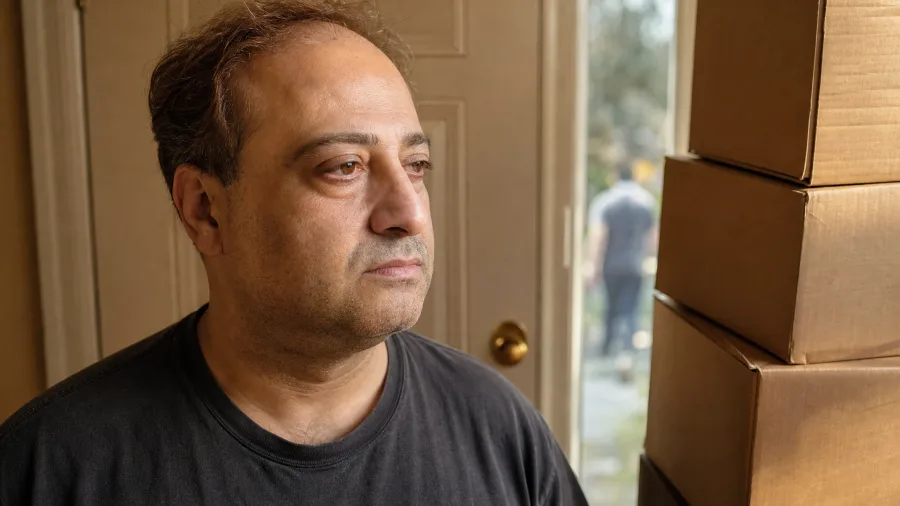
We assume lonely people sit by the window waiting for the phone to ring. The reality I saw in my practice was exactly the opposite. The most isolated individuals construct a loud, busy life entirely devoid of emotional risk.
The noise simply drowns out the empty house.
1. They Constantly Buy Things They Don't Need
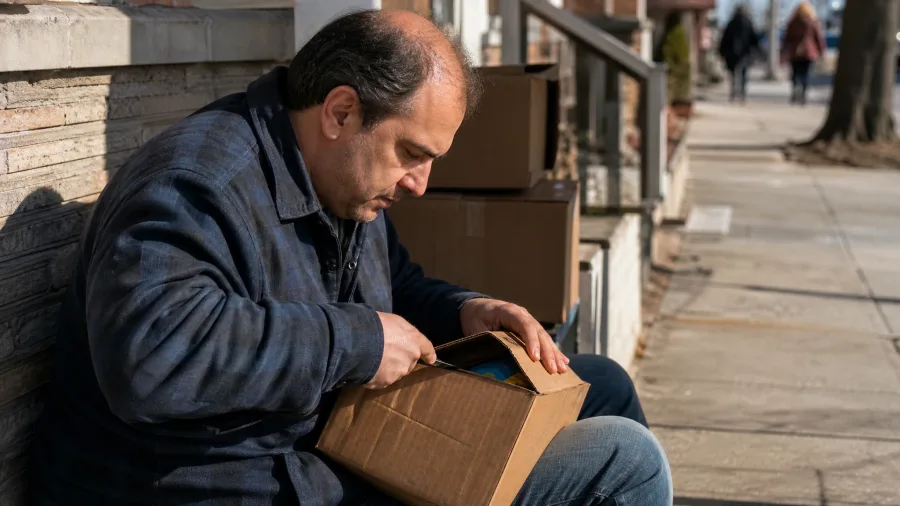
You arrive at a familiar porch entirely barricaded by brown cardboard.
These boxes rarely hold essential household goods or basic necessities. They contain random gadgets that deliver a quick rush of anticipation, temporarily masking the heavy silence of an empty home. Over the months, this compensatory spending quietly substitutes manufactured transactions for real social contact, using cashiers and delivery drivers to guarantee a predictable moment of being acknowledged.
One sixty-five-year-old patient in my clinic replaced her weekly lunch group with daily customer service calls about incorrect shirt sizes. She paid retail prices just to converse with another adult.
⚠️ COMMON MISTAKE
Do Not Mock The Purchases
Pointing out that they already own six spatulas will just make them defensive. The packages are a symptom of needing a daily interaction, not a spending addiction.
2. They Over-Schedule Their Days With Busywork
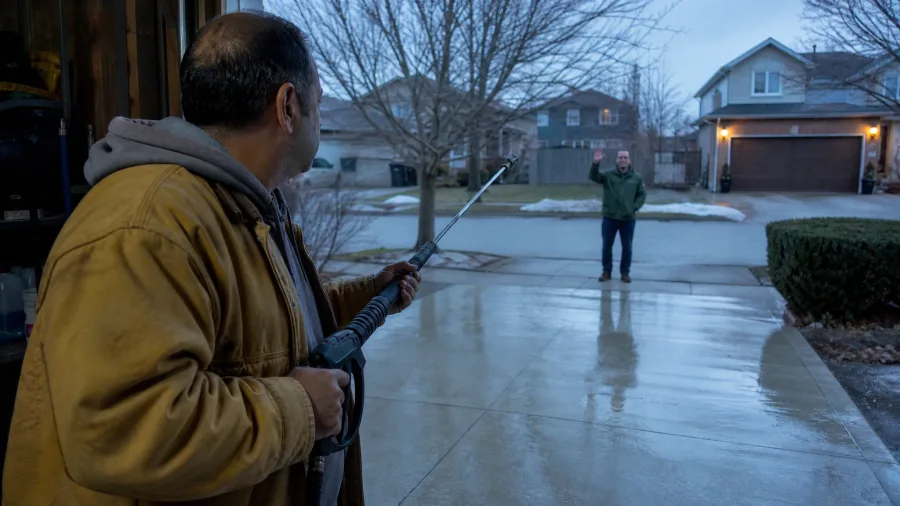
Common wisdom dictates that an active, tightly scheduled life is the absolute proof of a well-adjusted adult. It is not. Those brief commercial exchanges quickly escalate into a broader strategy of maintaining solitary momentum. Filling a planner with oil changes, lumber yard runs, and garage restructuring serves as a tangible defense mechanism against a deafeningly silent house.
They are merely burning through daylight to survive the evening hours.
One of my thirty-year-old patients lost entire weekends to spraying down an already pristine walkway, followed by sourcing his meals across three county limits just to avoid sitting still before dark. Staying relentlessly active offers a socially acceptable alibi for turning down last-minute dinner offers, masking their severe panic around actual emotional vulnerability.
Some individuals genuinely enjoy a weekend of household projects. The critical difference is the aftermath. A secure person completes the labor and relaxes, while a severely isolated individual panics and immediately searches for another distraction.
Solitary Busywork vs Purposeful Action
The Avoidance Schedule
- Three solo grocery trips a week
- Organizing the garage repeatedly
- Rejecting calls to finish chores
- Running the clock out until bedtime
The Connection Schedule
- One weekly standing volunteer shift
- Joining a local walking club
- Calling a relative while running errands
- Leaving empty blocks for spontaneity
3. Their Conversations Linger on Trivial Details
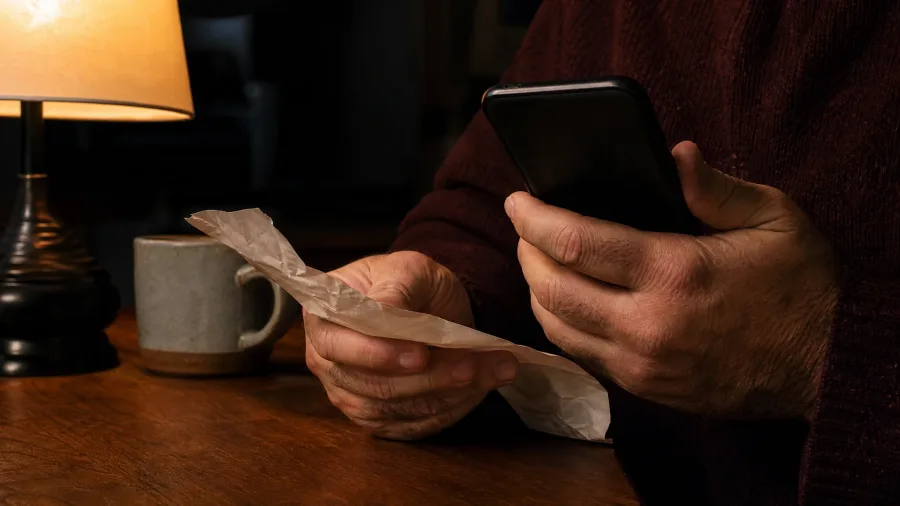
"I couldn't get off the phone because he spent forty minutes walking me through his grocery receipt." Most people assume the right move is wrapping up the call quickly, but trying to rush off actually backfires. When someone relies on solo busywork to endure the silence, that same fear of an empty day leaks directly into a simple conversation.
An hour dissecting local radar maps is rarely about the rain.
In my practice, isolated patients routinely clung to neutral subjects like garden care to gain contact without risking vulnerability. The moment you signal a goodbye, their pitch rises and cadence quickens to delay the exit.
Instead of trying to escape the small talk or cutting them off, pivot straight to a direct, feeling-based question. Asking "What was the best part of your week?" gives them the genuine emotional acknowledgment they were trying to manufacture with the weather forecast, finally allowing them to end the call in peace.
Myths About Isolated Talkers
Physical and Emotional Shifts
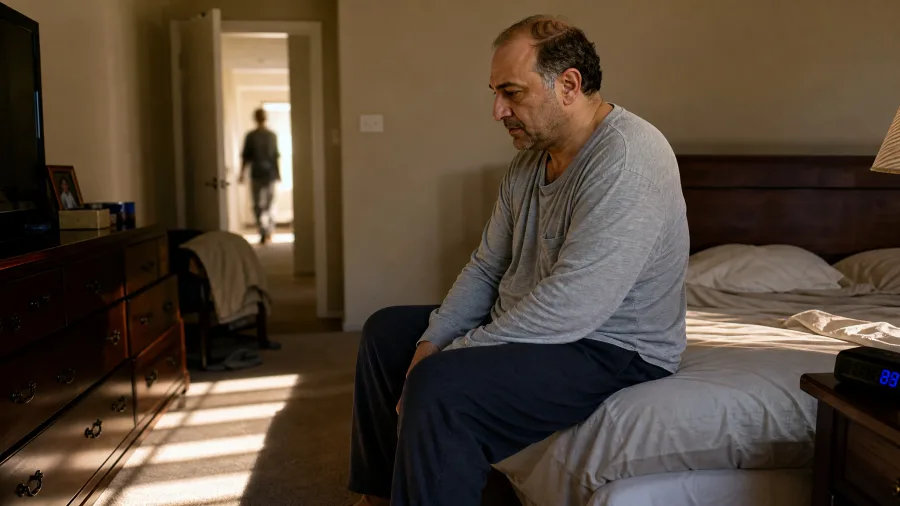
Long-term isolation does not just change how someone acts on a Saturday night. It physically rewires their internal clock, their pain receptors, and their psychological attachments.
The body adapts aggressively to being entirely alone.
4. They Exhibit Exaggerated Reactions to Minor Illnesses
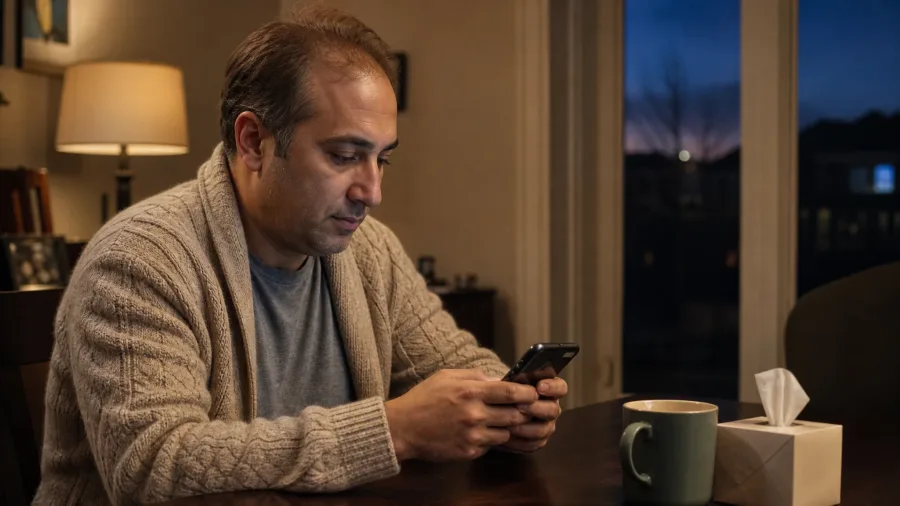
The fastest way to burn out the patience of well-meaning relatives is treating a scratchy throat like a medical emergency, but that exhaustion is exactly the cost of a hidden emotional crisis. When stretching out a phone call about the weather stops working, that starved desire for human attention almost always migrates to the body.
Society gives us a free pass to ask for comfort when we feel physically frail. A basic winter congestion suddenly escalates into a rolling, multi-day symptom update because being unwell offers a socially approved ticket to request nurturing without ever admitting to being alone.
In my practice, I treated a seventy-eight-year-old woman who quietly endured agonizing joint degradation in both hips without a whisper of complaint. Yet, when she developed an ordinary tension headache, she launched a group chat with three nieces, firing off hourly dispatches about her water intake and resting pulse.
The arthritis was real. The headache was a flare gun.
Fretting over a minor ailment forces a highly predictable script upon a family. The inevitable 'Are you feeling any better?' becomes the reliable touchpoint they need to break up the silence of an empty house.
Test this dynamic the next time you receive an alarming text about a minor ache. Ask yourself: do they want a cure, or do they want me to stay on the line? If they take your advice to sleep, it is a bug. If they immediately offer a second, vaguer symptom, they are simply buying your time.
5. Their Sleep Schedule Drifts Out of Normal Hours
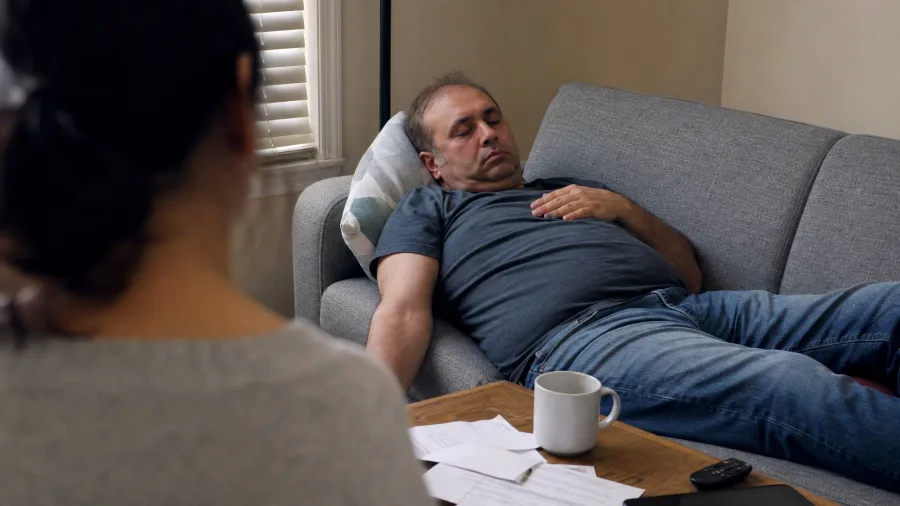
Three months is exactly how long it took one forty-five-year-old patient to completely invert his waking hours following his divorce. As the day stops demanding physical interaction, the mind abandons the structure of the night. Without the daily anchor of pouring coffee for a partner, his routine quickly shattered into predawn pacing and midday naps.
The dead of night grants profound psychological cover.
Because nobody expects a message at three in the morning, sitting alone feels like a preference rather than a deficit. The resulting exhaustion forces them to sleep through the afternoon, cementing their physical isolation.
🌙 The Drift Into Night
The Anchor Drops
A major life transition removes the morning requirement to interact with another person.
The Late Stay
Evening television watching pushes past midnight to avoid going to a quiet bed.
The Afternoon Nap
Daytime fatigue forces a nap, severing them from normal social hours.
The Inversion
They exist entirely in the dark, where nobody expects them to answer the phone.
6. They Become Fiercely Attached to Fictional Characters
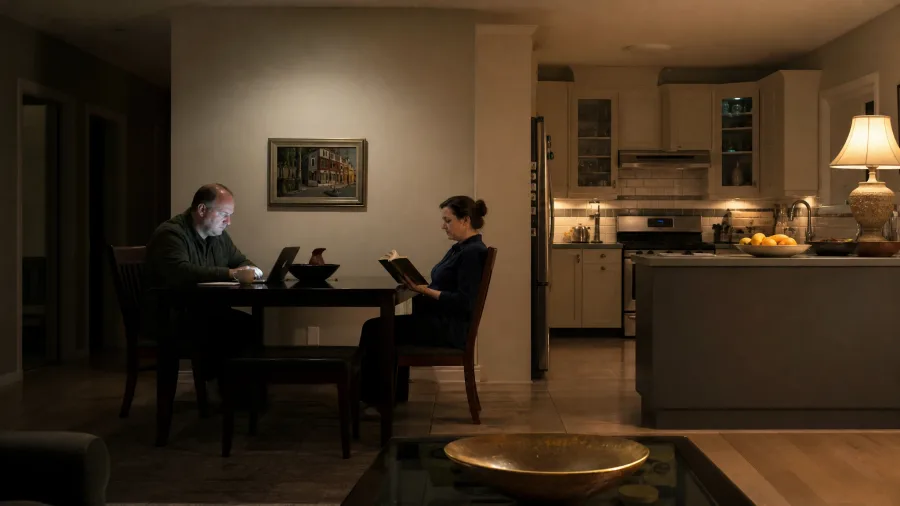
For years, I completely misread the patients who spent their nights wide awake staring at a screen. I assumed it was just poor sleep habits or a temporary obsession with a new show.
What I actually missed was that in the isolating quiet of a dark house, they were desperately seeking out companions who never sleep and never leave. Binge-watching had stopped being entertainment and had quietly become a primary relationship substitute. This artificial parasocial intimacy offers steady company with absolutely zero risk of rejection.
One of my patients in her twenties skipped a rare, real-life coffee date because a podcaster she followed started an impromptu live stream. She felt a deep, personal obligation to attend.
She spoke about him using his first name and the protective, intimate tone you would normally reserve for a sibling or a best friend. To interrupt this pattern, validate the interest before offering an anchor to reality. Say, 'It sounds like he explains things perfectly. I want to hear your thoughts on that over lunch this week.'
Artificial Intimacy vs Real Vulnerability
7. They Display Extreme Independence and Reject Help
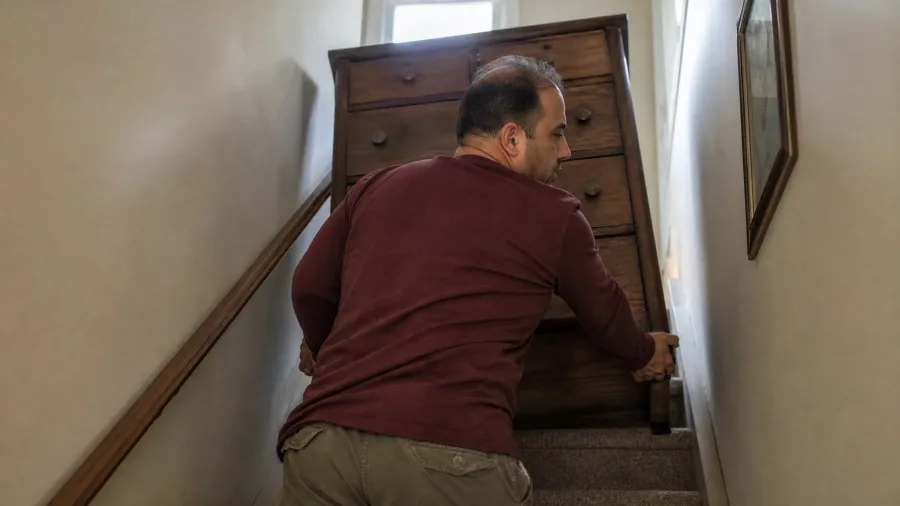
You misread this as stubborn pride. As their reliance on safe, controlled environments hardens, the "I can do it myself" mantra morphs into a defensive shell to preemptively avoid being let down.
Long-term isolation kills the natural habit of reciprocity, making a neighbor's help feel like a threatening debt. A 75-year-old client dragged a heavy oak dresser upstairs alone rather than ask her son, secretly harboring resentment that he didn't intuitively know to come over. This fierce rejection of small favors masks an acute, painful awareness of their vulnerability.
The Defensive Shell — At a Glance
🛡️ The Shield
Rejecting all favors
📉 The Cost
Loss of reciprocity
💡 The Motive
Fear of disappointment
Changes in Social Posture
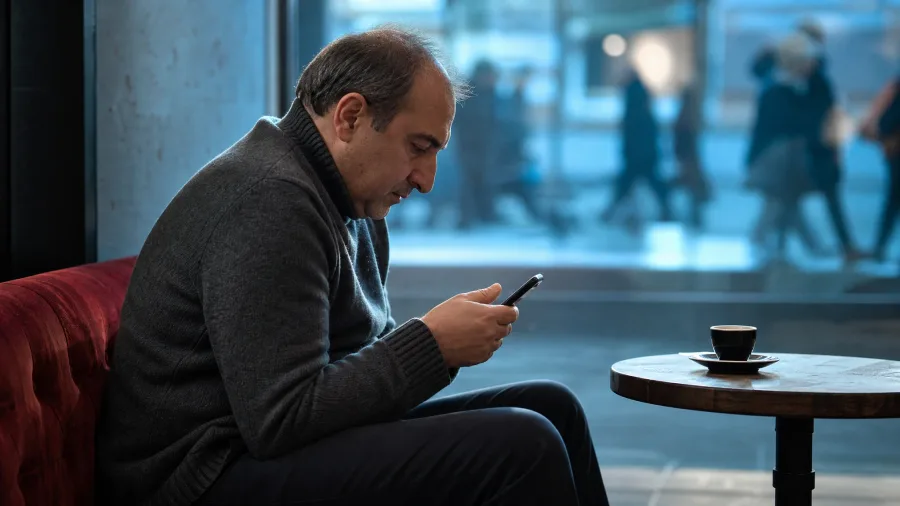
As the isolation deepens, the person's ability to tolerate real-time human interaction degrades. The idea of connection remains appealing, but the physical reality of it triggers profound anxiety.
They push away the exact thing they need the most.
8. They Cancel Plans at the Absolute Last Minute
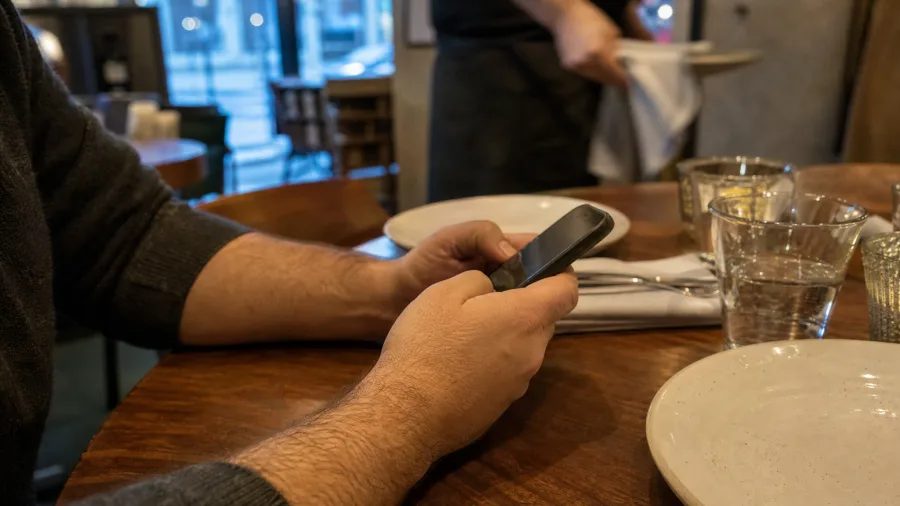
A Tuesday dinner agreement becomes a Friday afternoon cancellation text.
You might assume they simply do not care about seeing you, but you are looking at the wrong end of the timeline. The initial agreement stems from a genuine desire to connect, offered when their defensive independence briefly drops. Over the next three days, the sheer anticipation of socializing triggers intense anxiety in the chronically isolated.
By Friday, the panic of actually executing the social interaction violently overtakes them. Pressing send on the cancellation text delivers an immense, immediate wave of relief, temporarily rewarding the avoidance cycle.
The tragic result I tracked in my clinical notes over the decades is exactly how this behavioral loop ends. Friends eventually interpret the constant cancellations as a polite form of disinterest, and the invitations simply stop entirely. The isolated person is left staring at the empty weekend they dreaded, having accidentally repelled the exact connection they needed.
9. They Hold Rigid, Inflexible Daily Routines

The quickest way to trigger a panic in someone chronically alone is to knock on their door unannounced. Without the unpredictable variable of other people, they manufacture momentum through strict repetition.
One of my retired patients walked the exact same neighborhood loop at 10:15 AM sharp and sat down to lunch at noon. When his daughter made a spontaneous phone call at 10:20 to say hello, the interruption ruined his entire day. It shattered the meticulously crafted solo routine that served as his only substitute for human interaction.
That fierce inflexibility is the framework holding them together, making a simple surprise feel like an existential threat.
10. Their Physical Touch Becomes Noticeably Awkward

When you finally bypass their deeply entrenched solo routine and step close enough to offer a casual greeting, you will notice they have physically forgotten how to receive a simple hug.
Psychologists who study extreme isolation consistently document a state called skin hunger, where a prolonged lack of physical contact leaves a person entirely uncalibrated to normal touch. Because their body is no longer used to being in another person's orbit, a basic human gesture suddenly feels profoundly alien and highly charged.
Their body will instinctively react in one of two jarring extremes.
They will either flinch and go completely rigid, startled by the proximity, or they will lock you into a desperate, inappropriately lingering grip. I watched a patient burst into heavy tears in my clinic waiting room simply because the receptionist briefly touched her shoulder to politely guide her toward a chair.
That tiny, ordinary touch was the first time another person had laid a hand on her in months, breaking through her defensive shell instantly.
Navigating this vulnerability requires moving slowly and broadcasting your boundaries clearly. Offer a warm handshake or say, "It is so good to see you, let me give you a gentle side-hug," before stepping forward. This deliberate pacing gives them the fraction of a second they need to accept the contact without being completely overwhelmed by it.
Frequently Asked Questions
How do I know if they are lonely or just introverted?
Introverts feel energized by solitude and return to social situations refreshed. Isolated people use solitude as a rigid defense mechanism and feel consistently drained by it.
Should I confront them about their isolation?
No. Direct confrontation breeds shame and defensiveness. Simply increase your low-pressure, consistent presence in their life without making an event out of it.
Can a married person exhibit these signs?
Absolutely. Profound emotional isolation happens frequently within marriages when communication completely breaks down, leaving two people living parallel, disconnected lives in the same house.
What if they refuse all my invitations?
Shift to invitations that require zero commitment. Drop a coffee on their porch without waiting for them to answer the door, establishing connection without pressure.
Is it my responsibility to fix their loneliness?
You cannot fix it for them. You can only provide a safe, consistent, undemanding bridge back to reality for when they are ready to cross it.
The Compassionate Bridge Back
Breaking through this defensive shell requires offering a lifeline without triggering their fear of being pitied. Use a low-pressure invitation like, "I am heading to the hardware store this afternoon and would love the company, but absolutely no pressure if you are busy."
Looking back through my private clinical notes two years into retirement, the patients who finally escaped their isolation did so because someone saw through their packed schedules. Those rigid walls are not a sign they want to be left alone. They are monuments to exactly how long they have been waiting for someone to reach out.
Check Your Own Routine
Look at your calendar for the next seven days. If every single item is a solitary task, it is time to call a friend.