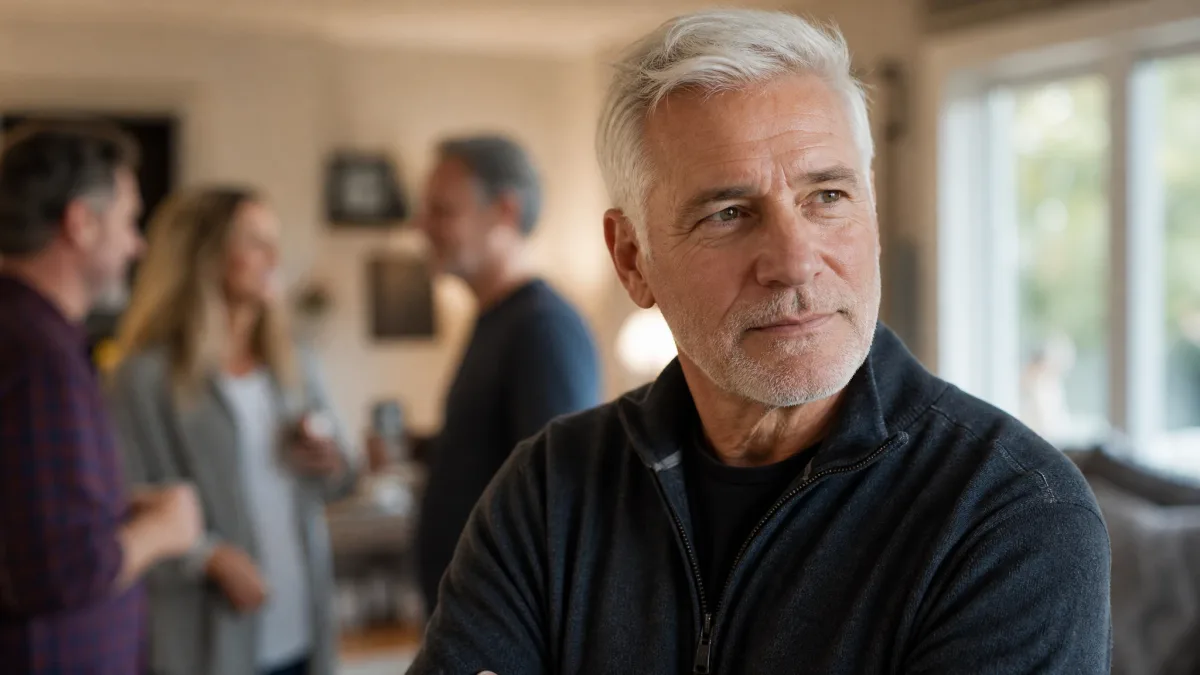
Most people assume later life as a single person means a quiet coast into a diminished social sphere. The truth is, it's a dynamic period, often filled with both profound challenges and surprising opportunities for growth.
Reaching 65 as a single person often brings a mix of newfound personal freedom and unspoken worries about what lies ahead. The reality presents a distinct set of emotional shifts, social dynamics, and practical considerations not always openly discussed.
This article lays out the candid truths about what your social life, emotional well-being, and daily practicalities may truly entail. By understanding these realities, you can proactively approach this stage, building purpose, connection, and a robust sense of self-sufficiency.
Quick Tips Before You Start
Acknowledge Feelings
Identify loneliness without judgment; it's a natural response.
Proactive Connection
Actively seek out new social groups and meaningful activities.
Review Finances
Re-evaluate your budget and financial plans for single living.
Plan for Support
Identify who you can rely on for practical help and emergencies.
Emotional Realities
Single life after 65 often brings a deeply personal reckoning with emotions. These aren't just fleeting feelings, but core shifts in how you experience daily life.
Understanding these internal landscapes helps you navigate them with greater intention, moving from passive experience to active self-care.
1. Loneliness Can Feel Constant
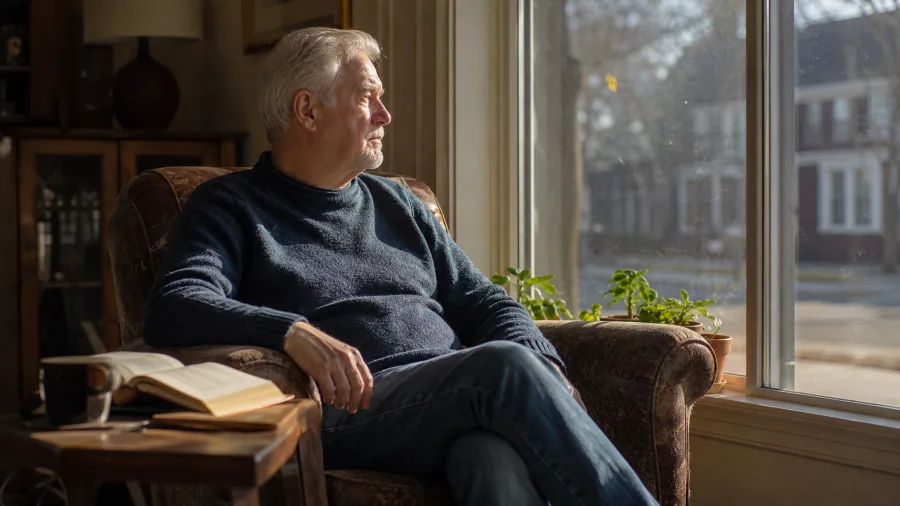
You have just left a lively family dinner, yet the silence of your home feels heavier than usual. This isn't the quiet you choose for reading; it's a hollow ache that settles in. It is a pervasive feeling of isolation that can linger even after moments of connection.
This feeling, distinct from chosen solitude, is a frequent experience for single individuals over 65, especially after losing a partner. The intensity can be surprising, not a fleeting sadness but a constant undertone. Even a weekly bridge game or a long phone call might not fully erase it. It impacts daily well-being, making simple tasks feel burdensome and the idea of future plans less engaging.
⚠️ COMMON MISTAKE
Don't Confuse Solitude with Loneliness
Solitude is a chosen state, often restorative. Loneliness is an unwanted feeling of disconnection. Learn to distinguish between them; one nourishes, the other depletes your spirit.
2. Grief for Unmet Companionship Deepens

It's easy to assume grief centers only on someone you've lost, or what you never had. For single individuals after 65, however, a profound grief often emerges for the very idea of a shared future.
This isn't about the absence of a specific person, but the missing 'we' in upcoming life events – the trips not taken together, the retirement plans you once imagined sharing. The world often frames milestones like holiday dinners and milestone celebrations around pairs, which reinforces this quiet ache.
This silent sorrow can subtly shift decisions, from where you choose to live to whether you book that cruise. It affects your sense of what a fulfilling future can even look like, well beyond simple loneliness.
Later Life Companionship Myths vs. Facts
3. Self-Identity Needs Rebuilding
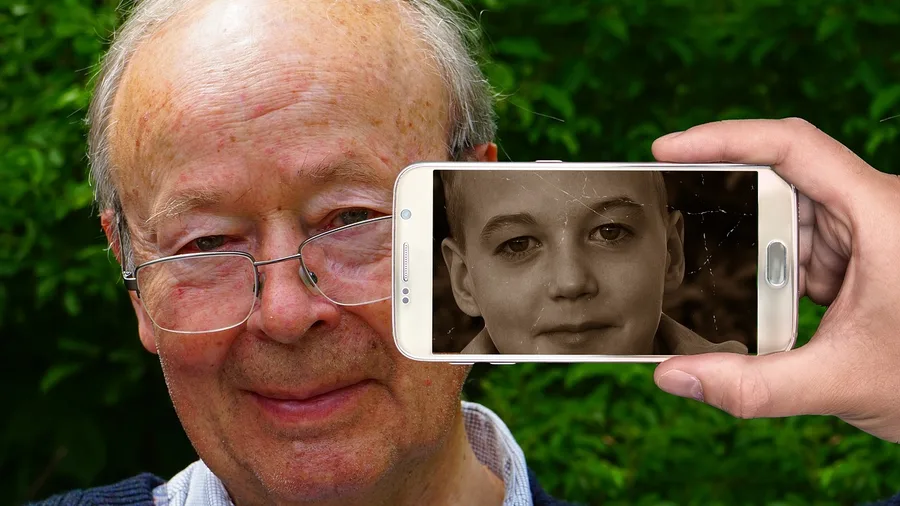
For decades, your identity might have been 'half of a pair' – known as part of 'the Smiths' or 'the Johnsons' at social events. Losing that established couple status after 65 can leave a noticeable void, especially once the grief for a shared future begins to settle.
Take a moment to consider: how easily can you name three personal interests or goals that are entirely your own, separate from any past or potential partner? If the answer doesn't come quickly, it signals how deeply your sense of self might have intertwined with being part of a couple.
Reconstructing who you are now means actively seeking out and asserting your own passions and core values. This might look like joining a local history society, finally taking that painting class you always wanted, or volunteering for a cause you care deeply about.
This deliberate effort to redefine yourself is not just about filling time. It's crucial for establishing new purpose and direction, shaping how you engage socially and fostering genuine personal growth.
Identity Shift – At a Glance
⏳ Time to Realign
Often 1-3 years
🎯 Key Focus
Individual passions
📈 Benefit
Increased autonomy
Pro Tip
Start with small, independent choices: a new restaurant, a solo day trip, a different routine.
4. Intimacy Needs Evolve and Shift

"I thought those needs just… stopped." Many people reaching singlehood after 65 assume intimacy fades or becomes irrelevant once a primary romantic partner is gone.
Yet, the human need for connection and touch doesn't simply disappear with a change in relationship status. While the expression of intimacy definitely shifts, the underlying desire for closeness remains a powerful force.
The counterintuitive truth is that intimacy doesn't vanish; it simply broadens its scope. Physical needs, for instance, often persist for many well into later life, requiring an honest acknowledgment and exploration of new forms of expression. This might involve re-evaluating what satisfaction means, whether through self-pleasure or through relationships that prioritize companionship and shared affection without the expectations of cohabitation or traditional romance.
Beyond the physical, non-romantic forms of intimacy become increasingly central. Deep friendships, strong family bonds, and consistent engagement in shared activities are important sources of connection and emotional closeness. A regular bridge game, volunteering at the local library, or simply having a long, meaningful conversation with a trusted friend can fill a profound need for companionship.
This period also offers a chance to cultivate a deeper relationship with yourself. Emphasizing self-care and developing a strong sense of self-love helps you foster an internal worth and contentment that isn't dependent on external validation. It's about recognizing your own completeness, rather than feeling a void.
Understanding these evolving needs empowers you to proactively seek fulfilling connections and maintain emotional well-being. This allows you to build a daily life rich in various forms of closeness.
Social Dynamics
The social landscape shifts noticeably for singles over 65. What used to be natural interactions may now require more deliberate effort.
Understanding these external changes helps you adapt your approach, ensuring you stay connected and engaged.
5. Friendships Become Couple-Centric

Research on social structures shows that many established circles, built over decades, often revolve around pairs. This means a dinner party of five couples will feel different when you arrive alone. You might find yourself the eleventh person at a ten-person table, or notice conversations default to experiences only couples share, making it easy to feel like an outsider or an 'odd number' at a gathering. This dynamic is a pattern observed in many social groups.
Over time, maintaining these older friendships can become challenging, particularly if the primary shared activity was couple-based. This can lead to fewer invitations and a noticeable shift in your social calendar.
To counteract this, actively cultivating new friendships becomes essential. Seek out connections with other single individuals or those who value broader social ties, irrespective of relationship status. This might mean joining a book club, volunteering, or exploring interest groups that focus on shared activities.
This conscious effort shapes your daily social experience.
💡 PRO TIP
Host Your Own Single-Friendly Events
Take initiative. Host a potluck, a game night, or a book club specifically for friends who are single or open to mixed-status gatherings. This sets a welcoming tone.
6. Dating Pools Shrink Dramatically
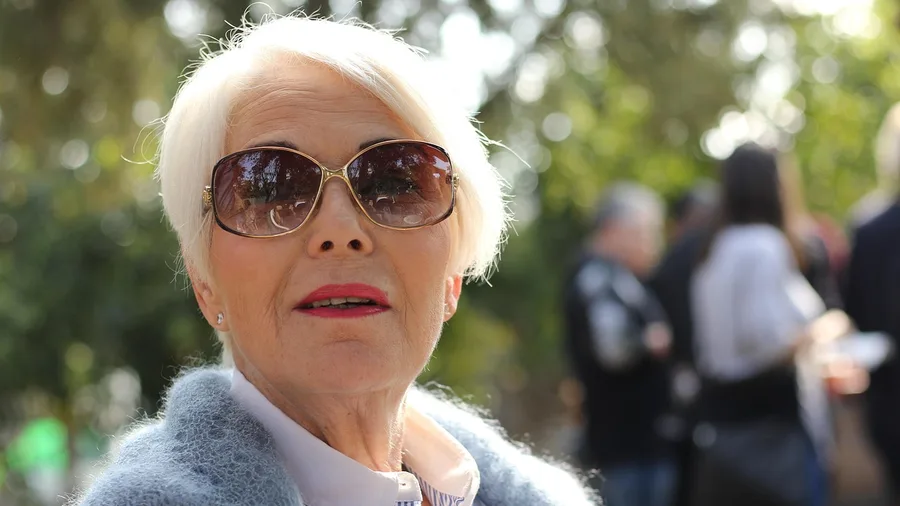
Approaching dating after 65 without a clear understanding of the landscape can lead to significant disappointment.
The dating pool is considerably smaller than in earlier life stages, reducing the number of potential partners. Many people at this age are already partnered, or single but not looking, creating a narrower field.
Potential partners often arrive with a full life already in progress. This can include intricate family histories, ongoing health conditions, or caregiving responsibilities for aging parents or grandchildren. Rather than a fresh start, you might be integrating into an established world. Relationship goals also shift; many people at this stage are seeking companionship and shared activities, not necessarily marriage or cohabitation.
Online dating presents its own challenges, from navigating unfamiliar platforms to interpreting new communication styles. Approaching new connections with clarity helps manage expectations and shapes future romantic possibilities.
Dating Landscape: Before vs. After 65
Earlier Dating
- More balanced gender ratios
- Shared household often explicit goal
- Fewer active family care dependencies
- Fewer established financial entanglements
Dating After 65
- Single women outnumber men 3:1+ here
- 'Living Apart Together' (LAT) often preferred
- Frequent ongoing family/medical obligations
- Past relationships ended by widowhood common
7. Family Roles Can Shift
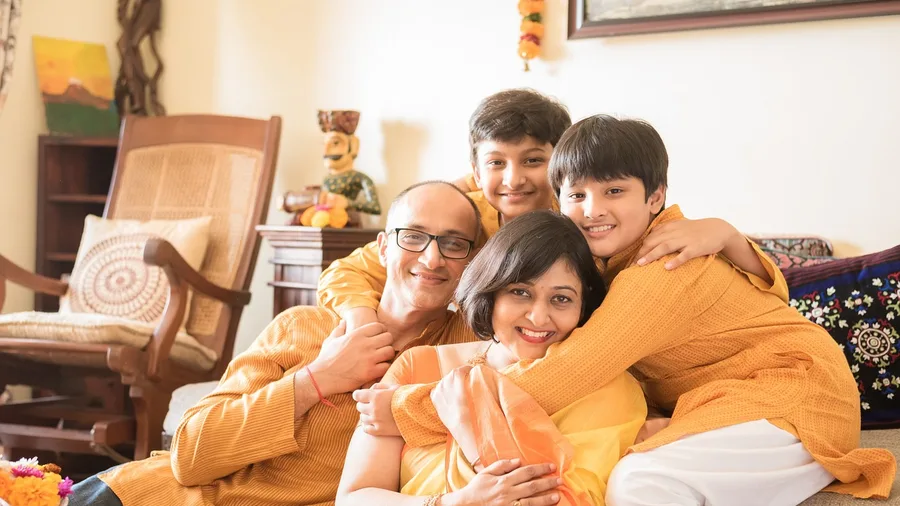
I once assumed my family roles were immutable, fixed by years of shared history.
The reality for many single individuals over 65 is that family dynamics can subtly but surely shift, sometimes even more unexpectedly than new dating prospects.
Adult children, particularly, might start to treat a single parent or relative differently, perhaps with a well-intentioned but limiting overprotection, or by making decisions for you as if you were less capable. You might hear, "Don't worry about it, I've already arranged for the plumber," when you were perfectly capable of calling them yourself.
This can feel like a quiet erosion of your independence.
It also raises the potential for feeling like a burden, especially if family members perceive a void where a partner would have managed certain tasks.
The moment calls for clear communication. If your daughter says, "I'll handle all your bills from now on," you might respond, "I appreciate the thought, but I'm quite organized with my finances. What I would appreciate is if you'd help me set up a new online banking app." This kind of boundary-setting preserves your autonomy and keeps relationships respectful.
Your role within the family is yours to maintain.
Practical Considerations
Beyond emotions and social ties, single life after 65 presents concrete, daily challenges. These require practical strategies, not just emotional resilience.
Being prepared for these realities ensures your continued independence and peace of mind.
8. Financial Pressures Intensify Greatly
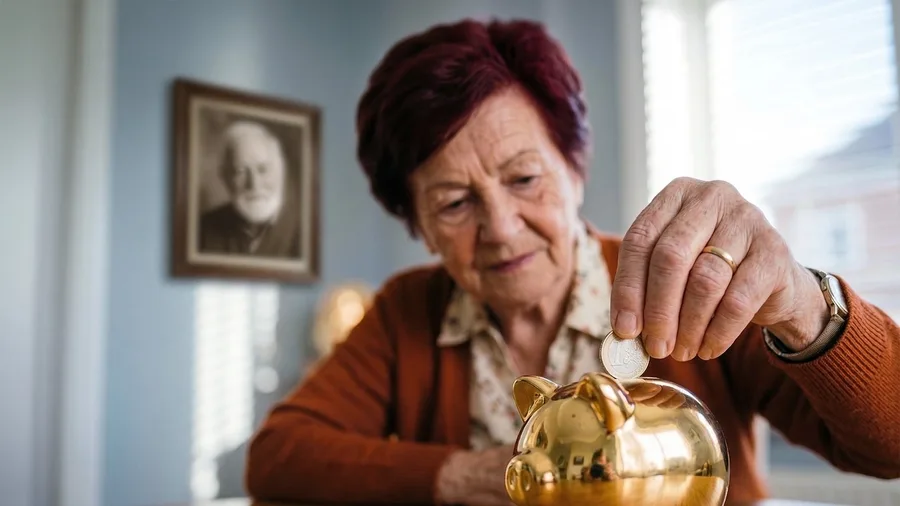
Living on a single income after 65 intensifies financial pressures significantly.
This reality feels very different from managing a joint income, even if you were the primary earner. Your savings and retirement planning now absorb a profound impact, with less flexibility to absorb unexpected costs and often a reduced buffer for emergencies.
Suddenly, a furnace replacement costing $4,000, or a prescription not fully covered by insurance, falls entirely to you.
These are expenses a partner might have shared, or a second income would have made less daunting.
The need for careful budgeting and detailed financial planning becomes essential, not just for independence, but for maintaining stability. This means looking closely at every expense, understanding your income streams, and making deliberate choices about discretionary spending.
It directly impacts your daily lifestyle.
However, this pressure isn't always a negative force.
For some, the clarity of being solely responsible ignites a sharper focus on financial management, revealing strengths previously unknown. It's genuinely fine when this shift leads to a proactive, detailed approach that leaves you feeling more in control, rather than overwhelmed by dread.
You can tell the difference by whether your planning generates anxiety or a sense of confident capability.
This is how confidence is built.
Single-Life Financial Review Steps
9. Practical Support is Crucial
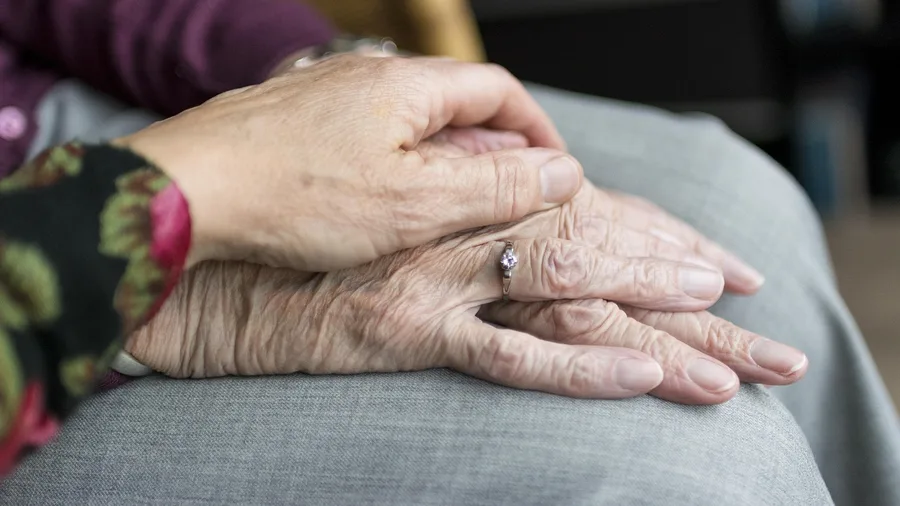
This practical question takes on new weight as daily living intertwines with your financial reality.
Tasks like fixing a leaky faucet or moving heavy furniture become your sole responsibility. Arranging transportation for appointments and planning for unexpected situations are now yours alone. Establishing a clear network of trusted friends, neighbors, or paid services for these everyday needs is truly important.
Reliance often shifts to professional services or non-family connections. The strength of this network anchors your daily peace of mind and independence.
10. Health Challenges Feel Isolated

Facing health challenges without a live-in partner brings a distinct feeling of vulnerability. While practical support helps with daily tasks, a sudden illness or chronic condition amplifies this need profoundly.
Recovering from surgery often means navigating appointments, medication schedules, and post-procedure care entirely on your own. There is often no one to call for a 7 AM clinic ride.
The lack of immediate care amplifies the emotional toll of illness, adding a layer of isolation. Becoming your own primary advocate in medical settings is critical. Planning for future care needs, such as a medical power of attorney, offers peace of mind.
Personal Resilience
Despite the challenges, single life after 65 also offers unique opportunities for profound personal growth. It is a chance to redefine success and happiness on your own terms.
Cultivating inner strength allows you to thrive, not just survive, in this distinct chapter of life.
11. Finding Purpose Needs Deliberate Effort
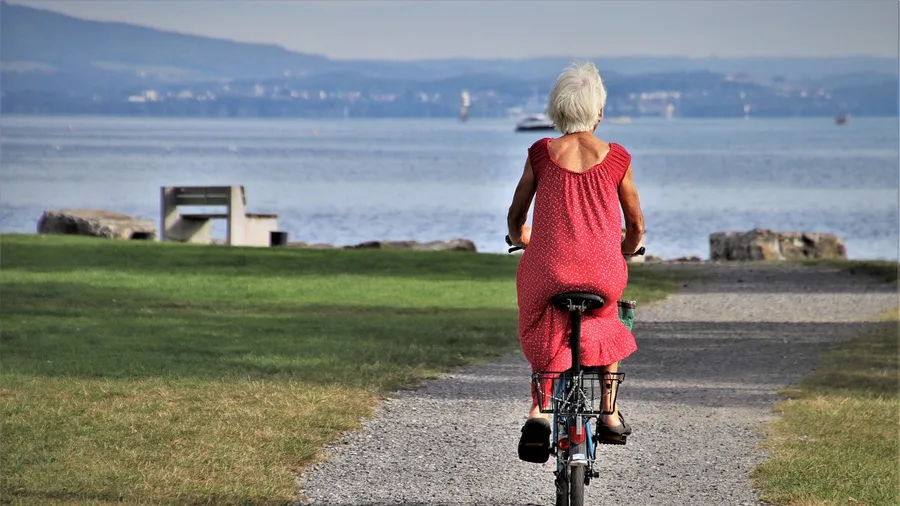
I once thought purpose was something you just found.
But after a significant life change, even with practical needs managed and health stable, the days can still feel empty. There is a quiet hum of 'what now' that settles in when traditional roles like primary caregiver or 'other half' are no longer present. The structure and meaning they provided disappear, leaving a void that needs active filling.
The morning coffee, the quiet evening, even social outings, can lose their pull if there isn't a deeper current running through the week.
This is where deliberate effort comes in, in searching for new sources of meaning that resonate personally.
Volunteering offers a clear path: mentoring at a local school, joining a conservation group, or becoming a hospital visitor. These provide not just a schedule, but a tangible sense of contribution, connecting you to something larger than yourself and replacing lost structure.
Equally important is the pursuit of new hobbies or learning, fostering mental stimulation and personal growth.
Taking a university extension course in history, learning to paint watercolors, or finally mastering a musical instrument provides daily motivation and fresh intellectual challenge. These personal projects, chosen for deep resonance, transform the daily experience from merely existing to actively living.
🌱 Build New Purpose: A Path
Reflect on Passions
List interests you always wanted to pursue or old hobbies you let go of.
Explore Local Options
Research community centers, volunteer organizations, or adult education classes nearby.
Commit to a Start
Sign up for one class or volunteer shift, even if for a short trial period.
Connect with Others
Seek out like-minded individuals within your new activities for deeper engagement.
Review & Adjust
Periodically assess if your chosen path still brings joy and a sense of contribution.
12. The Strength of Self-Reliance Grows

The common narrative often suggests being single at this stage means a life of compromise or lack. That is not the full picture.
Navigating the unique challenges of single life after 65, from health issues to finding new purpose, often forges a profound resilience. This period leads to discovering deep inner strength and capabilities you never knew were there.
Perhaps you never managed a household budget alone, or coordinated a major home repair costing $4,000, until now. This quiet accomplishment builds a new kind of confidence.
Increased personal freedom allows for making uncompromised decisions about daily routines, finances, and living arrangements. You might choose to move to a new city entirely on your own terms, or redecorate your home precisely to your taste. Embracing this self-reliance empowers you.
Frequently Asked Questions
Is it normal to feel lonely after 65, even if I have friends?
Yes, profound loneliness can be a common experience for single individuals over 65. It's different from choosing solitude and often persists despite social connections, impacting daily well-being.
How can I make new friends when my old circle is mostly couples?
Actively seek out groups based on shared interests, volunteer opportunities, or classes. Consider hosting events yourself and clearly invite other single individuals or those open to mixed gatherings.
What should I do if my family starts treating me differently now that I'm single?
Set clear, respectful boundaries. Communicate your capabilities and desire for autonomy. Use phrases like, 'I appreciate your concern, but I'm managing this,' to reinforce your independence.
Is dating after 65 really worth the effort?
Dating at this age can offer companionship and shared experiences, but expect a smaller pool and different relationship goals. Focus on clear communication and managing expectations about what you seek.
How do I plan for health emergencies if I live alone?
Establish an emergency contact network of trusted individuals. Designate a medical power of attorney, research local support services, and ensure your medical information is easily accessible to first responders.
Defining Your Single Chapter After 65
Navigating single life after 65 involves confronting some candid realities. It asks you to acknowledge loneliness, rebuild identity, and proactively seek connections.
By anticipating shifts in social dynamics and preparing for practical considerations, you empower yourself to live purposefully. Embrace the strength of self-reliance, and chart a future that is truly your own.
Start Building Your New Connections
Revisit entry #5 to strategize how you can expand your social circle and find new, meaningful friendships starting this week.