

The prevailing wisdom is that an empty house in later life is a problem waiting for a solution, a sudden absence of office noise and school runs that must be aggressively filled just to prove you are still alive. But the researchers who track how we actually age have found that this quiet is not a universal threat.
When the constant hum of earlier decades drops away, a sharp divide opens up. Some people fight the stillness constantly, while others settle into it with surprising ease.
You do not have to become a recluse to find peace in an empty room, nor do you need to pack your social calendar to fend off invisibility. By the end of this page, you will know exactly how to tell the difference between healthy solitude and actual isolation.
At a Glance
Findings Reveal the Mechanics of Solitude Versus Isolation
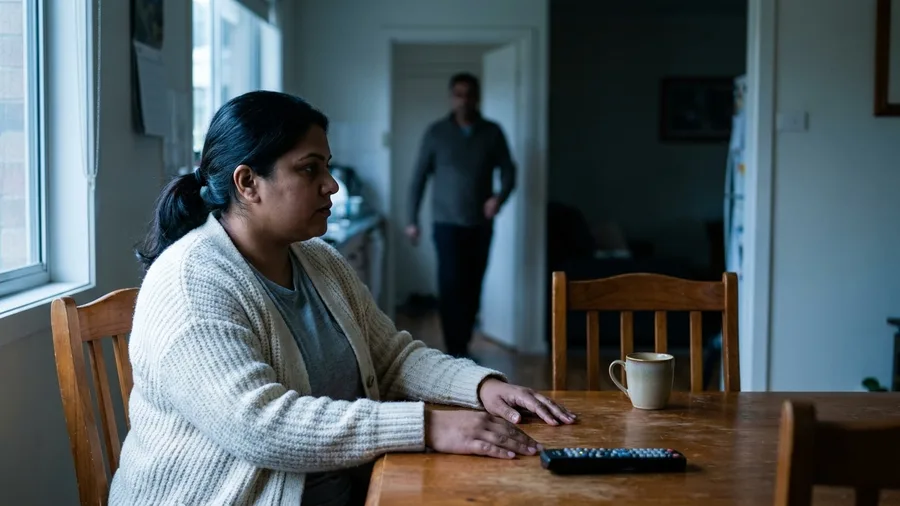
The worst mistake you can make when your house finally empties out is assuming that a sudden, crushing spike of anxiety means you are permanently destined to be miserable alone. After decades of managing demanding careers and busy families, your nervous system is simply hardwired to expect constant, urgent interruption.
The sudden lack of daily demands registers physically as a threat.
The physical reality of an empty house is identical whether you are lonely or resting by choice. Your body misinterprets the silence as abandonment because it has completely forgotten how to be still.
People who handle this transition well are never immune to the initial shock, but they recognise it for what it is: a temporary withdrawal from decades of high-stress obligation. The real work is to stop immediately reaching for the television remote. Just let the physical discomfort sit in the room until it finally turns into genuine relief.
1. They do not view a blank calendar as a failure

Why does an empty calendar suddenly feel like a personal failure?
The instinct is to turn on the television or call an acquaintance the moment the house goes still. You assume that if you are not interacting, you are declining. Over months, that panic pushes you into exhausting social obligations, spending your limited energy on mediocre company that never actually cures the loneliness.
Filling every quiet hour with noise is how you avoid yourself. Let the room be quiet for twenty minutes before you reach for a distraction, treating a blank Tuesday as a luxury.
💡 Tip: Leave the radio off during your first morning coffee.
⚠️ COMMON MISTAKE
The Noise Trap
Leaving the television on all day just for background voices prevents you from ever actually settling into your own space. It creates a low hum of anxiety.
2. They calculate the true cost of mediocre company
Two hours spent nodding across a café table at someone you barely tolerate is not a victory over isolation. The standard advice for anyone navigating a quieter stage of life is to say yes to every invitation just to get out of the house. That approach is entirely backwards.
Trading peace to merely appear busy will cost you.
You accept a draining lunch invitation just to put something on the schedule, sitting there performing polite interest for a casual acquaintance until it is finally acceptable to leave. That specific performance drains the exact energy you need to build a routine you actually enjoy. A quiet afternoon reading alone is objectively better than a noisy, mediocre outing.
The quiet strength here is ruthless curation. Decline the obligatory coffee dates, let the calendar sit empty for a day, and save your remaining social energy for the people you genuinely want to be around.
Best Reasons to Say No
3. They allow their daily rhythms to completely reset
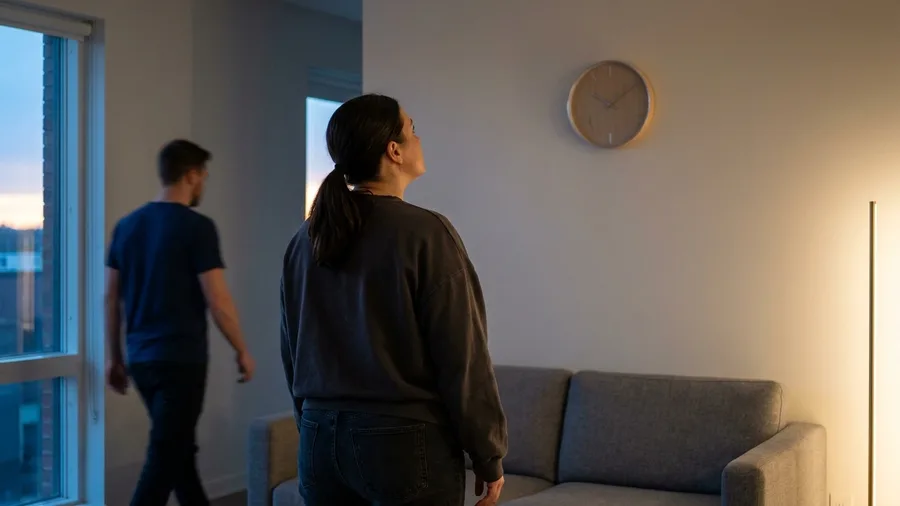
The standard advice for suddenly empty days is to enforce a rigid routine immediately. You are told to wake up at seven, schedule your errands, and keep moving so the quiet does not catch you.
That is a terrible idea when you are first facing a calendar with four blank days in a row. If your adult life was dictated by a commute and a strict hour to eat, replicating that structure at home traps you in an invisible cubicle. The immediate reaction is to panic and fill those squares with arbitrary tasks.
The quiet strength here is doing the exact opposite.
People often mistake a blank schedule for a lack of purpose, but this is the necessary exception to the rule about staying active. Letting a Tuesday pass without a single productive errand is not a sign of slipping away, provided you still leave the house when you genuinely want to. You are simply letting the days stay empty intentionally.
It is the required gap where your honest biological rhythms can finally surface after decades of alarms. Stop eating lunch at noon just because that was the time your old manager allowed you to take a break.
Let your body wake up when it actually wants to. When a well-meaning friend asks what you did all day, you do not need to invent completed chores to justify your existence. You simply tell them, "I am figuring out what my actual day looks like." Those wide, empty blocks are the only places where new, sustainable rhythms form.
Beliefs About Getting Older
4. They know when to deliberately leave the house
People who handle solitude well know exactly when staying inside stops being restful. Researchers who study isolation consistently note that forcing yourself out of the house every single day usually backfires. Wandering through a shopping centre just to check a box often feels more exhausting than staying home.
You simply have to know your own tipping point.
If you realise you have not spoken a word aloud in three days and your mood is dropping, you are slipping into a rut. That is the moment you walk to the local bakery just to exchange a greeting. The goal is a light touch of community, not a heavy commitment.
The Tipping Point — At a Glance
🛌 Sign of a rut
Staying in pajamas all day
🗣️ Vocal check
No words spoken in 48 hours
🚶 Quick fix
A 15-minute neighborhood walk
5. They separate physical privacy from social abandonment

I used to stare at a silent phone on a Sunday afternoon and decide it meant I was fundamentally alone in the world. I routinely conflated a quiet house with total social abandonment, wrongly assuming that if people genuinely cared about my existence, they would constantly be demanding my time.
Researchers who study aging draw a necessary line between chosen solitude and forced isolation. People who thrive now understand this distinction instinctively, recognizing that a blank weekend is simply a choice to rest.
Your friends are just navigating their own daily routines. The next time the silence feels heavy, run a diagnostic. Ask yourself honestly: if a neighbor knocked on the door right now with a sudden invitation to dinner, would your very first reaction be immediate relief or a flash of annoyance?
If it is relief, you are craving connection and should make the call. If it is annoyance, you are not forgotten at all, but simply enjoying the quiet luxury of physical privacy.
🔄 The Rest Calibration Phase
The Drop-Off
The first month of an empty calendar often feels disorienting and uncomfortable.
The Over-Correction
You instinctively say yes to too many minor events just to fill the time.
The Fatigue
The forced socialising becomes exhausting, prompting a retreat.
The Settlement
You finally learn to sit in a quiet room without feeling the need to escape it.
6. They regularly audit their own social motives
You are scrolling a tablet on a Friday evening, watching photos of a crowded patio dinner roll in from people you have known for decades. The immediate feeling is a quiet sink in your chest, the sudden, heavy certainty that sitting alone in your living room means you are fading out of relevance at this stage of life.
It is remarkably easy to misread that sharp sting as profound loneliness. When you look at an endless feed of weekend updates, it easily seems like everyone else is flawlessly maintaining vibrant, active circles.
The fix is a completely blunt audit of your own motives.
'Do I actually want to be at that dinner, or do I just want to be invited?' If you only want the invitation for the ego boost, staying home was the right choice. Recognizing the vast gap between craving genuine connection and simply wanting to be counted turns a lonely night into a deliberately peaceful one.
Audit Your Social Motives
7. They stop equating their worth with their availability

"I feel like nobody needs me anymore." You sit at the kitchen table on a Tuesday at six in the evening, watching the clock tick in a completely quiet house. The old version of you, the one who spent decades raising children or managing a team, would view this profound stillness as a failure to be useful.
You misread the silence as irrelevance.
For years, your value was directly tied to your immediate availability. You were the one resolving the midday crisis, picking up the frantic phone call, and keeping the entire household or office moving forward.
When you suddenly lose that constant friction, the lack of demands feels like a demotion. You catch yourself almost hoping for a minor disaster just so you can step in and fix it. But look at those exact same facts through a different lens, because that empty Tuesday evening actually signals that you successfully completed those heavy phases of obligation.
The people you guided are now fully capable of running their own lives. The endless work you did no longer requires your constant intervention, meaning you no longer have to be on call.
Treating your lack of immediate usefulness as a hard-won victory takes deliberate practice. The next time the quiet feels heavy, say it out loud to yourself. Say, "I did my job well enough that they can handle it without me." Then make a cup of tea, leave your phone in another room, and actually enjoy the peace you earned.
8. They embrace the luxury of a slow morning
The common advice to maintain a strict daily routine is backward.
Treating your later years like a corporate schedule just manufactures stress. For decades, your worth was measured by what you accomplished before noon, so having nothing to do today triggers panic. You invent chores, cleaning the gutters or driving to the supermarket just to have a reason to put on shoes, because zero obligations feels unnatural.
Treat the empty day as the reward you worked forty years to earn. Stop the guilt with this script: "I do not owe this morning a task. I am drinking coffee and watching the weather."
9. They protect their boundaries without offering excuses

The text arrives on Thursday morning, asking if you want to join a chaotic group dinner you already know will leave you exhausted. Your fingers immediately hover over the screen, ready to type out a familiar white lie about a doctor's appointment just to escape the obligation without causing offense.
You do not need to invent a fake schedule.
When an acquaintance asks you to an exhausting event, capable people simply reply, 'Thank you for thinking of me, but I am going to stay in this weekend.' That is a complete sentence. You do not owe anyone a timeline of your evening, and stripping away excuses leaves no room for debate.
10. They recognise that loneliness comes in waves, not permanently
For a long time, if I hit a hollow Tuesday afternoon where the phone had not rung since yesterday morning, I treated it as an emergency. I genuinely believed that feeling isolated meant my life had failed. The standard advice tells you to fight that feeling immediately by making plans, reaching out, or fixing your social circle.
That response is completely backwards. When your calendar is blank until Thursday and a sudden wave of loneliness hits you at four, the mistake is assuming this mood is your new permanent reality.
It is just a passing hour.
People who handle this stage of life well treat these moments like the weather. You might acknowledge a sudden heavy downpour, but you do not put your house on the market because it rains. Drink a glass of water, read one chapter of a book, and just let the evening arrive. By dinner, the feeling has usually dissolved.
Findings Reveal How to Audit Your Own Schedule
Look at the next fourteen days on your calendar. You might assume that crossing out social obligations leaves you isolated and disconnected. In reality, keeping plans you only accepted out of guilt is just performing connection while feeling entirely alone inside a crowded room.
Your time belongs entirely to you now.
This is how you separate resting from hiding. Keep the events that genuinely give you energy, and strip away the polite performances. If you dread an upcoming lunch, cancel it. Send a brief message, free up the afternoon, and practice sitting in the quiet you just reclaimed.
Frequently Asked Questions
How long does the transition to a quieter life usually take?
Most people take between six to twelve months to stop feeling panicked by an empty schedule. It is a physical adjustment as your nervous system learns it no longer has to be on high alert for daily crises.
What should I do when the silence feels overwhelming?
Change the texture of the room. Put on instrumental music, open a window, or take a short walk. Do not immediately reach for social media or call someone just to complain—that reinforces the panic.
Is it normal to lose touch with work friends after retiring?
Yes. Most work friendships are built on proximity and shared complaints. When the proximity vanishes, the friendship naturally fades. Let them go without taking it personally.
How can I explain my need for solitude to a highly social spouse?
Be direct about your energy levels. Say, 'I am glad you are going to the dinner, but I need an evening alone to recharge.' Do not ask for permission, just state your boundary clearly.
When does sitting alone become a problem I should worry about?
If your personal hygiene drops, you stop eating well, or you actively dread leaving the house even for groceries, the solitude has turned into isolation. That is the point you need to reach out to a professional.
The Belief You Leave Behind
You probably arrived here believing that a quiet later life meant you had somehow failed at staying relevant. That belief is the heaviest thing you carry.
Dropping it changes everything. When you stop viewing an empty room as a punishment and start viewing it as a sanctuary you earned, the panic dissolves. You are not missing out on anything.
You are finally just resting.
Check Your Calendar Right Now
Look at your plans for this weekend. Find one obligation you accepted out of guilt and send the cancellation text today.