

Seven decades of living brings a decisive shift in how you spend attention.
The reflex to impress strangers, win trivial arguments, or clutter your house quietly runs out of momentum. This withdrawal is neither apathy nor decline. Developmental psychology consistently tracks this pivot: as perceived future time shortens, the mind stops spending reserves on external validation and naturally directs energy toward immediate emotional ease and functional autonomy.
Identifying which concerns have expired gives you clear permission to shed outdated obligations without guilt, protecting the daily peace that matters now.
Quick Tips Before You Start
Conserve Nervous Energy
Treat daily patience and physical stamina as finite currencies that you refuse to waste on minor social friction.
Clear Physical Clutter
Declutter one shelf or storage bin each week to lower cognitive distraction and reduce household fall risks.
Protect Functional Baseline
Prioritize sit-to-stand power, ankle balance, and grip strength over arbitrary exercise metrics.
Finalize Practical Affairs
Place advance directives, account numbers, and keys in a single labeled folder to eliminate quiet background worry.
What Loses Its Grip After 70
The first shift involves dropping the exhausting social habits you spent forty years maintaining.
When you strip away career posturing and the impulse to please casual observers, your daily calendar immediately breathes.
1. External Status and Impressing Strangers Lose Their Grip

You stop offering your former job title when a new acquaintance asks what you used to do.
Ask yourself a simple question: when meeting someone new, do you still feel an impulse to establish your past career standing, or does that performative effort feel completely pointless? Realizing that maintaining a polished public image costs too much energy is a natural developmental shift toward emotional meaning over status.
Casual observers evaluate interactions through their own immediate concerns anyway. When you recognize that nobody is grading you, the old social anxiety quietly disappears.
💡 Tip: Introduce yourself by your first name alone and skip your former job title in casual conversation.
2. Winning Trivial Arguments No Longer Justifies Damaging Bonds

In reality, it means you have stopped treating casual social gatherings as an arena that requires a referee.
What might look like surrender is actually intentional physical self-preservation. Minor arguments trigger immediate sympathetic nervous system arousal, raising blood pressure and causing sleep disruption that lingers for hours. When your body takes longer to normalize after conflict, proving someone wrong over trivia is not worth staring at the ceiling at midnight.
The physiological cost has become too steep.
Retired attorneys and corporate executives usually experience the steepest learning curve with this shift, having spent decades being paid to dissect flawed arguments. Choosing silence over correction does not mean you agree with the error. It means you value social warmth and recognize that protecting your finite daily energy matters far more than being right.
The Nervous System Toll of Daily Friction
How common social interactions drain late-life reserves
- Letting Trivial Factual Errors Slide: Zero cardiovascular spike; keeps the conversation light and moving.
- Setting a Polite Relational Boundary: Brief discomfort that pays off with weeks of protected calendar space.
- Unwanted Social Commitments: Prolonged low-grade fatigue and mental resentment before and after the event.
- Heated Political Debates at Dinner: Sustained sympathetic arousal, elevated cortisol, and ruined sleep continuity.
3. Acquiring More Material Possessions Becomes an Unwanted Burden
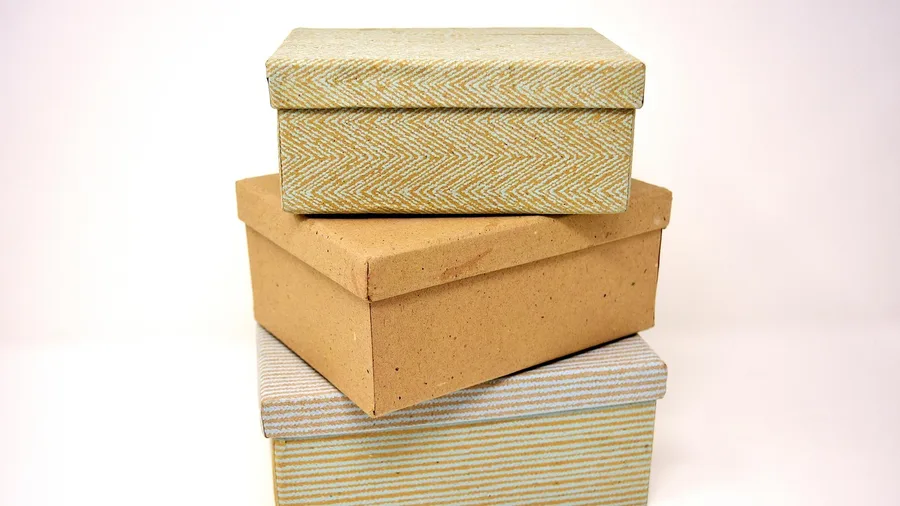
The mistake was assuming that keeping decades of accumulated household belongings provided comfort, rather than recognizing that excess physical inventory acts as an ongoing tax on your attention and physical stamina.
Environmental researchers studying domestic spaces consistently find that dense clutter produces chronic visual static, measurably raising cognitive fatigue throughout the day. Acquiring new objects stops delivering a quick spark of satisfaction. Instead, bringing an item home triggers an immediate calculation about where it will fit, how much dusting it requires, and who will eventually have to discard it.
Every extra possession is a future maintenance task.
The widespread practice of Swedish death cleaning reflects a deeply considerate developmental priority: thoughtfully sorting one's home so adult children are spared the exhausting chore of clearing out basements and closets. Removing excess furniture and crowded stacks also eliminates physical trip hazards, protecting your mobility and preserving your confidence in moving safely through your own space.
When well-meaning friends or relatives offer incoming items, a polite boundary holds the line: "Thank you for thinking of me, but I am keeping my living space intentionally uncluttered right now."
Pack up the duplicate power tools, donate the formal dishware that sits untouched in cupboards, and let go of unused furniture. Stepping into a room with open floor space and clear surfaces delivers immediate mental lightness, allowing your nervous system to rest without the constant subconscious demand to organize, clean, or step around clutter.
💡 Tip: Enforce a strict one-in, two-out rule for any decorative or household object entering the house.
Possessions After 70: Lightening the Load
What to Release
- Formal dishware sets used less than once a year
- Duplicate hand tools, yard equipment, and hardware
- Boxes of unsorted paperwork older than seven years
- Heavy decorative furniture that narrows walking pathways
What to Keep
- One dependable set of daily culinary tools
- Essential furniture arranged for clear, wide walkways
- A single binder of vital medical and financial records
- A handful of deeply meaningful personal mementos
4. Guilt Over Having Empty Unstructured Time Completely Evaporates

"I really should be doing something productive," you catch yourself thinking while standing in a quiet hallway, looking at a Tuesday afternoon with absolutely nothing written on the calendar.
When the clutter of accumulated belongings is cleared, the open hours underneath can feel strangely uncomfortable. Decades spent tying personal worth to workplace output, billable hours, and relentless schedules train the mind to view stillness as negligence. Yet unscheduled mornings give the brain room to regulate thoughts without the abrasive friction of constant time pressure.
Saying no to another committee protects that mental reserve.
Stepping away from non-essential volunteer rosters and formal social obligations prevents calendar fatigue from creeping back in. Sitting on the porch for two hours watching the garden or reading a chapter twice no longer triggers an internal accusation of laziness. The old reflex to justify an empty afternoon simply runs out of fuel and disappears.
💡 PRO TIP
Protect Your Morning Pace
Leave the first ninety minutes after waking completely unscheduled. Moving at your natural speed without checking clocks stabilizes blood pressure and sets a calm tone for the day.
5. Comparing Personal Aging to Others' Timelines Stops Mattering

Three friends on a morning walk will rarely share the same joint health, recovery time, or medical history, making any direct comparison an exercise in manufactured anxiety.
Comparing travel schedules, walking speeds, or surgical outcomes with peers ignores the reality of individual biological variation. The only time paying attention to a friend's physical routine helps is when borrowing a practical adjustment, like testing trekking poles or scheduling an afternoon rest. Otherwise, measuring your pace against theirs is useless.
Accepting your current baseline removes the embarrassment from using a walking stick. The real priority is managing daily energy to prevent injury, not keeping up.
💡 Tip: Choose shoes and mobility supports based on terrain safety rather than how youthful they look.
6. Revisiting Old Grievances and Grudges Loses All Appeal

You hear the name of an estranged sibling or a former business partner mentioned over dinner, and the sharp surge of defensive anger you carried for years simply fails to arrive.
When daily energy becomes something you actively budget, spending it on thirty-year-old family slights or workplace betrayals feels like paying rent on an empty building. Replaying those old grievances keeps baseline stress high and frays sleep quality. Dropping the argument is not about pardoning bad behavior; it is a practical refusal to spend limited physiological reserves on settled history.
Emotional neutrality is far more restorative than vindication.
Choosing detachment lets you acknowledge that an old situation was unfair without feeling the need to mentally relitigate it at midnight. You stop needing the other party to admit fault or understand your side. Releasing that active resentment removes a constant, hidden drag on your nervous system and protects your daily ease.
Forgiveness after seventy is less about moral superiority and more about refusing to let old memories tax your daily physical recovery.
— The consensus among gerontologists studying late-life emotional regulation
What Becomes Essential After 70
As the trivial noise drops away, a handful of core priorities demand intentional care.
These are the physical, social, and structural anchors that preserve your independence and day-to-day comfort.
7. Preserving Functional Mobility Outweighs Abstract Fitness Goals

Conventional fitness advice insists on chasing gym milestones, target heart rates, and shrinking waistlines. But past seventy, pursuing aesthetic metrics burns finite reserves while offering almost nothing toward preserving personal freedom.
Real independence comes down to preventing falls.
The real work is quiet and practical: standing on one leg while slipping on shoes, maintaining grip strength to open jars, and getting up from the floor unassisted. Practicing sit-to-stand transitions from a low chair ten times each morning builds the leg power needed to handle stairs safely.
💡 Tip: Practice standing on one foot near the kitchen counter while waiting for water to boil.
Daily Functional Baselines — At a Glance
🪑 Chair Rise
10 smooth reps
🦵 Single-Leg Stance
15 seconds each
🫙 Grip Capacity
Open jars unaided
🧘 Floor Recovery
Stand without help
Primary Goal
Functional strength prevents falls and preserves everyday autonomy.
8. A Small Circle of Honest Friends Replaces Broad Networks

Maintaining dozens of casual acquaintances quietly drains the emotional bandwidth needed for true security. Tolerating one-sided relationships, chronic complainers, or competitive acquaintances creates constant nervous system turbulence, whereas investing deeply in three or four emotionally safe confidants offers lasting grounding.
Stepping back from draining ties requires only simple, polite clarity: "I am keeping my schedule very quiet lately, but I wish you all the best."
When a midnight medical emergency or sudden grief hits, a single trusted friend who shares decades of shorthand and honest laughter provides the real buffer against late-life isolation.
⚠️ COMMON MISTAKE
The Obligation Trap
Do not maintain draining relationships out of habit or historical guilt. An uneven friendship that leaves you exhausted takes days to recover from.
9. Predictable Daily Rhythms Anchor Emotional and Mental Balance
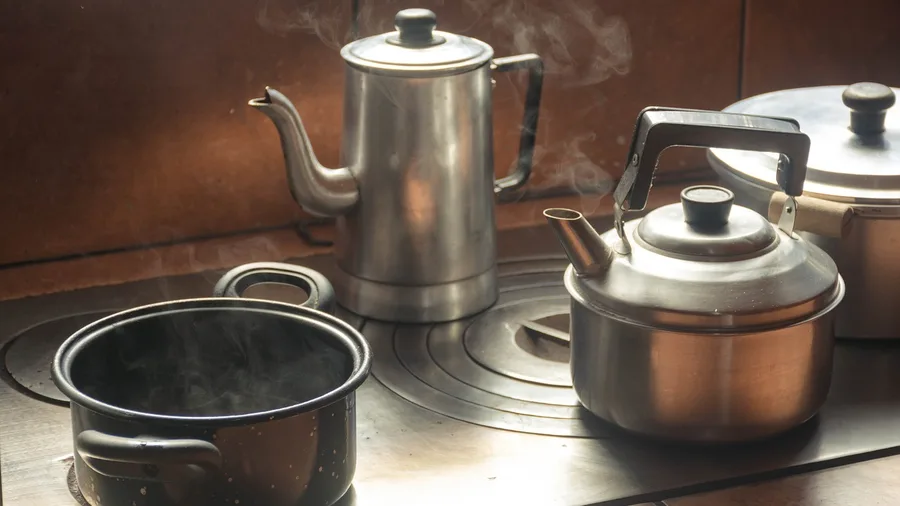
You stand at the stove waiting for the kettle to boil when an unexpected plumber knocks at 7:15 AM. 'I can come back around noon if you are still making breakfast,' he says through the screen door. You tell him it is fine, but the morning cadence is broken, leaving you curiously derailed.
Culture constantly praises spontaneous living, warning that strict patterns turn life rigid. In practice, keeping consistent hours for waking, meals, and evening rest provides an external architecture that quietly eliminates decision fatigue.
Fixed habits are not stagnation; they are energy conservation.
When baseline physical and mental reserves become more limited, minor disruptions trigger disproportionate disorientation because the nervous system lacks the surplus fuel to absorb friction. Steeping black tea at seven in the morning and walking the exact same tree-lined loop at four supply stabilizing cues that anchor circadian rhythms and keep daytime mood reliably steady.
That predictable domestic rhythm gives close relationships the low-friction foundation they need to thrive, sparing you the irritability that comes when an unstructured day leaves your nervous system running on empty.
When you crave fresh stimulation, introduce controlled novelty within that established rhythm rather than abandoning the template entirely. Exploring an unfamiliar historical topic from the library or taking a different cross-street on your afternoon walk provides healthy mental stimulation without dismantling the protective daily schedule that keeps your mental balance intact.
💡 Tip: Anchor your afternoon walk to the exact same hour every day to support consistent sleep quality.
☀️ Structuring a Low-Friction Daily Rhythm
Morning Scaffolding
Wake at the same time and spend the first hour in quiet natural light with tea.
Physical Foundation
Complete ten chair sit-to-stands and balance drills before leaving the kitchen.
Midday Reset
Protect thirty minutes after lunch for a reclined rest or quiet reading.
Evening Boundary
Close out phone screens by 8:00 PM to let your nervous system wind down naturally.
10. Resolving Practical and Legal Affairs Brings Immense Relief

Leaving practical end-of-life affairs unfinished extracts a constant, invisible tax on your daily reserves, sustaining a low hum of background anxiety across ordinary routines.
Unfinalized wills, missing advance healthcare directives, and unrecorded digital passwords keep the reality of mortality framed as an overwhelming crisis. Confronting those logistics directly – naming trusted powers of attorney, establishing clear resuscitation instructions, and detailing long-term care preferences – transforms fear into structured administration, while sparing adult children from making agonizing, high-stakes decisions during medical emergencies.
Administrative clarity reliably settles the nervous system.
Placing organized folders containing financial account numbers, property documents, and signed healthcare proxies in one known location brings immediate psychological ease. The labor involved is purely procedural, but its actual payoff is emotional peace: when practical affairs are settled, the subconscious stops burning energy tracking unresolved contingencies.
💡 Tip: Write all digital passwords and account numbers in a physical notebook stored in your lockbox.
11. Noticing Small Sensory Pleasures Delivers the Deepest Joy

Conventional advice insists that deep fulfillment requires grand milestones or ambitious future plans, yet late-life contentment is bought through far quieter daily investments.
With practical affairs settled, developmental maturity naturally shifts focus from distant goals to immediate sensory savoring. Brief moments of engagement – the warmth of morning sunlight, the taste of fresh fruit, or watching backyard birds – generate steady positive mood. Pausing for two minutes to register physical ease provides an effective psychological counterweight to bodily limitations and chronic health worries.
Resting attention in simple comfort quietly preserves finite emotional reserves.
Frequently Asked Questions
Why do social obligations feel so much more draining after 70?
Aging reduces baseline physiological recovery speeds. Navigating performative or tense social environments taxes your sympathetic nervous system, requiring longer quiet periods to restore balance.
How do I handle family members who want to debate politics?
Use a clear, neutral boundary sentence such as: "I enjoy our lunches too much to spend them debating matters we see differently." Then change the subject to immediate daily plans.
Is it normal to feel disoriented when my daily routine changes?
Yes. Predictable daily schedules reduce decision fatigue and support circadian balance. When that external scaffolding shifts, your brain has to work harder to process the day.
What is the single most important exercise to maintain at this stage?
The sit-to-stand movement from a standard dining chair. It maintains the quadricep and glute strength required to stand up without assistance and climb stairs safely.
The Daily Energy Ledger You Choose to Keep
Daily energy after seventy is a strictly finite balance. Spending it to maintain performative social ties or win pointless arguments leaves less physical stamina for your morning mobility routine, your close friendships, and your quiet peace of mind.
Audit your calendar this week and resign from one draining committee or obligatory lunch. Reclaim that hour for ten minutes of balance practice and an unhurried morning. Crossing that seven-decade mark is not a retreat from the world, but the deliberate distillation of your days down to what truly sustains you.
Check Your Physical Baseline Today
Review the functional mobility metrics in Section 7 and test your sit-to-stand strength from a standard chair this afternoon.