

By the end you will be able to sort the ten traits below into three piles: the ones to keep, the ones to practise, and the ones to check honestly. Start with the drive home. Two hours at a party, nothing said that mattered, and the radio off while you replay it. Was that shyness, difficulty, or just how you are built?
this is not a missing skill. It is a trade. You buy depth in one-to-one rooms and pay for it in groups, in small talk, and in timing. That is a coherent social style with real listening strengths and predictable bills, not a verdict on how likeable you are.
So the list is worth reading twice. Keep the listening. Practise the shallow-end repair. Check the too-personal question and the fear-versus-boredom line, because those two decide whether this is a preference or something better talked through with someone trained for it. One first move is enough for this week.
Quick Tips Before You Start
Listen for feeling
When someone shares a fact, ask how they felt about it, not just what happened.
Keep a small file
Remember one detail from each conversation and bring it up weeks later.
Stay one turn longer
In small talk, ask one extra question before you decide it is shallow.
Check for consent
Before asking something personal, offer a small piece of yourself first.
Know your limits
Plan your social energy: one real exchange counts more than two hours of weather talk.
How They Listen
The first three traits are about listening. Not the passive kind, but the active, curious kind that turns a routine exchange into something that actually matters.
These are the moves that create depth. They are also the ones that can misfire if you use them without reading the room.
1. They Ask the Follow-Up Question Others Skip

Watch what happens at a party: someone asks where you work, you answer, they nod, and the topic moves on before your sentence has finished landing.
Most people leave it there. The person with a taste for real conversation stays put for one more beat and swaps the category question for an experience one. Instead of asking what your job is, they ask which part of it you actually like, and the reply comes out slower, less prepared, because nobody rehearsed an answer to that.
You can see it in the body before the words catch up. Shoulders rotate back toward the asker, the eyes stop touring the room and stay on one face, and a conversation that was idling begins to move. Not always, and not with everyone, but enough that it is the first place depth ever appears in a room.
is this one person, and do we have enough time to finish the answer? If both are yes, the extra question is your strongest move and worth spending freely. If either is no, it is the same question pointed at the wrong target.
Sustained follow-ups with no release valve start to feel like an interview, and the light mingler who came for banter gives a short answer and drifts toward the door. The urge to know one more thing is a listening skill, not a reflex, and it has a dial. One person, enough time, turn it up. A whole room, turn it down.
💡 Tip: Try one follow-up per conversation, not three. Let the other person lead the next topic.
2. They Listen for the Feeling Under the Topic
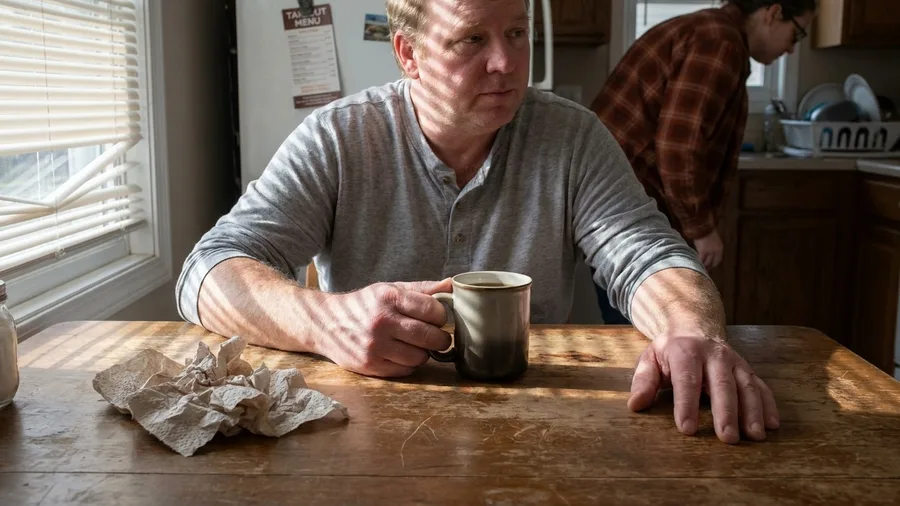
I used to think the fix for dull small talk was better facts, so I collected them: the commute, the job title, the dog's name. The feeling was always sitting one layer down and I kept missing it.
That aim is what the follow-up is actually doing. When someone mentions a new manager, the words on top are an event and the words underneath are dread. 'So when did that start?' collects a timeline. 'That sounds exhausting' says someone heard the cost.
The obvious advice is to name the feeling right away. It is wrong to make that the default. Aimed at a stranger, it lands as a claim about an interior they have not offered, and a moment ago they were just telling you about their Tuesday.
Watch what happens to a water-tester. Some people need the shallow end, two or three easy passes before anything real; a stranger who dives gives them nothing to stand on and they go quiet. The feeling can be right and the timing can still be wrong.
The better move is a permission check. Name the feeling after a signal, not as an opener: a pause, a sigh, a second sentence about the same thing. Then try the plain version, 'That sounds exhausting,' and watch the shoulders.
This is why the missing thing in small talk is hard to name. It is not a topic you haven't found yet. It is the layer under the topic, waiting for one sign that it's welcome.
3. They Bring Back What You Said Weeks Ago

Six weeks after the party, the phone buzzes: 'You said the interview was Tuesday. How did it go?' You did not expect anyone to remember. You had stopped being the centre of attention the moment you finished saying it.
That is what turns repeated contact into friendship – not the depth of any single evening but the continuity of a reopened thread. Keep a small file on the people who matter: the interview, the sick parent, the holiday. Then bring it back out.
One long dinner feels like closeness; the follow-up six weeks later is what proves it. Depth grows from being remembered accurately, which costs almost nothing in the moment and a lot in attention over time.
The file gets heavy, though. It holds a handful of people well and the rest simply lapse, which reads as neglect to whoever is outside the circle. So choose the handful on purpose. The trait is a friendship engine with a capacity limit, not a promise to everyone.
Deep Conversation Preference — At a Glance
👥 Social style
One-to-one
💬 Best setting
Quiet, enough time
🔋 Energy cost
High in groups
❤️ Friendship pattern
Few, deep
⚠️ Risk
Too personal too soon
Key distinction
Preference is what you enjoy; anxiety is what you fear being judged for.
How They Handle Honesty
The next three traits are about honesty. They are what make deep conversations possible, and also what can make them risky.
These are the moves that separate a genuine connection from a polite one.
4. They Would Rather Be Awkward Than Comfortably Bored

" It is a small gamble. The easy topic was sitting right there, safe and available, and the preference went for the real one instead, then sat through the pause that follows.
Usually the pause ends in an exhale. Shoulders drop an inch, the voice loses its party pitch, and the other person says the thing they had been carrying. Occasionally the room just stalls, someone circles back to the traffic, and the questioner is left holding an awkward silence. The relief is common; the flat silence is real and it happens.
What the trait misses is context. Where a relationship carries a job – a client call, a performance review – the easy topic is the correct tool, and reaching for depth there can cost money or trust. This is courage with a switch: reach for the real topic where mutual disclosure is safe, hold it back where you are being evaluated.
💡 Tip: If the other person gives a short answer, let it go. Not every pause needs to be filled with depth.
⚠️ COMMON MISTAKE
Don't mistake silence for rejection
When a deep question lands awkwardly, the other person may just need a moment. Give them three seconds before you rescue the conversation with small talk.
5. They Go Quiet in Groups and Come Alive One-to-One

"Oh, I'm not really a party person." It is what the group of six hears, because in a fast room there is no room for the thing this person does best – turns are short, jokes overlap, the topic resets every thirty seconds, and the fact-to-follow-up move never gets a floor long enough to land. So they go quiet, and the room files them as shy.
The file is wrong. Watch them later, at the kitchen table after everyone else has gone, and the same person is funny and animated, asking the questions nobody asked in the crowd. They needed a longer turn and a known listener, not a personality transplant.
For the group itself, two lines help: "Let's hear the long version of that." And when it is your turn to leave early: "I'm better one-on-one – can we grab a coffee next week?" The setting is doing the talking.
6. They Ask the Question Others Think Is Too Personal

Ten minutes. That is often all the time a new acquaintance gets before the question a close friend should be asking lands on the table. The pull does not adjust for stage: the same curiosity that fits a decade-old friendship shows up at a birthday party where you have known the person since the appetisers. So you ask, mildly, whether they get on with their mother, and the answer is a pause, a glance down at the glass in their hand, and one flat sentence that closes the topic.
People who ask this kind of question well do one thing first: they go second. 'I'm close to my sister, which is complicated' – said plainly, no drama – tells the other person what size of answer the room can hold. Then they wait. One signal of openness, one sentence that goes past the surface, and the next question is welcome rather than invasive.
Where it actually costs something is not the birthday party. It is the first meeting, the work dinner, the person two rungs above you whose good opinion becomes a reference. Ask a client about their marriage over the main course and you may not get the account back; ask too early on a first date and there is often no second one. None of this makes the question wrong. It makes it early.
The too-personal question is not a flaw to cut out of yourself; it is a dial with no markings yet. Depth runs on consent, and consent shows up as a signal – a longer answer, a question back, a name volunteered – not as your own readiness to go there. Read the signal before you turn the dial.
💡 Tip: Before asking something personal, ask yourself: have I shared something vulnerable first? If not, start there.
What It Costs Them
The next two traits are about the bill. Every preference has a price, and deep conversation is no exception.
These are the costs that show up after the party, not during it.
7. Twenty Minutes of Weather Talk Leaves Them Drained
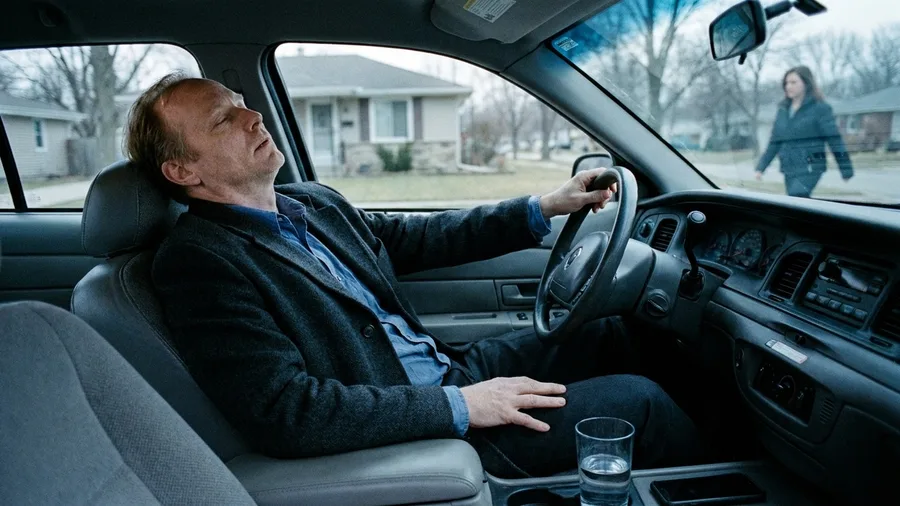
Because the cost isn't in what was said but in the labor of keeping it pleasant. Calibrating the personal question is fiddly work, but it's occasional. The bill that arrives daily is the weather talk, and twenty minutes of it can empty the tank.
Watch the shape of it. Twenty minutes of cheerful exchange about rain and traffic and parking, and the reader is done, eyeing the door. Two hours with one person on something that mattered, and they come home lit up, talking in the car. Same social energy, opposite ledger.
The distinction worth holding: worn out by small talk is the effort of staying pleasant about nothing, unlike feeling lonely while married. Worn out by everyone, including the good conversations, is a different pattern that follows every contact and doesn't lift after a real one. The first is a price on shallow rooms. The second points somewhere else, and it's worth naming honestly rather than folding into this list.
For the reader, the exhaustion isn't evidence of misanthropy, it's a cost to plan around. Arrive, find one person, have one real exchange, leave early, and count the night a success on that exchange rather than on minutes endured.
Your Week of Deeper Conversations
8. Small Talk Reads as Brush-Off, Not as Warm-Up

The advice is always the same: read the room, take the hint, and if someone keeps the conversation on the weather, they are not interested. That reading is wrong often enough to be worth retiring. A shallow exchange is frequently not a verdict at all.
Think about what small talk actually does in a room. It is a low-cost test of safety, a way to check whether the next thing you say will land badly, run before anything real is risked. When one person treats that doorway as the whole house and goes quiet, the other side sees coldness or snobbery and stops offering too. Each of them is reading the other's small talk as a judgement.
The people who study how strangers become friends keep landing on the same ordinary finding: closeness tends to grow through small, escalating self-disclosures, not through one big leap. The shallow turn is usually the first rung, not the wall.
Picture the moment. Someone mentions the rain, you answer, and instead of drifting to a new topic you stay one turn longer: "Have you got a walk to work, or is it a bus thing?" One extra question. One extra answer. The other person either picks it up and tells you about the twenty minutes they get to themselves, or they give a line and look away. Either way you have learned something real.
The repair is not to force depth on the first two minutes. It is to stay in the shallow exchange two turns past the point where it feels pointless, and watch whether the other person walks through when you hold the door open. Most will not, on a given night. Some will.
When you have just spent twenty minutes of weather talk feeling scraped empty, that exchange is easy to file as rejection. It may just have been a threshold you walked past because you were too tired to notice it was one.
Deep Conversation: Preference vs. Anxiety
Preference
- You seek depth because it feels rewarding.
- You leave parties early to recharge, not to escape.
- You enjoy one-to-one but can handle groups when needed.
- You feel bored by small talk, not afraid of it.
Social Anxiety
- You avoid depth because you fear judgement.
- You leave parties early to escape discomfort.
- You dread groups and one-to-one equally.
- You feel relieved when conversations end.
What It Is Not
The final two traits are about identity. They separate a style from a symptom.
This is where the list becomes a mirror, and you have to decide what you see.
9. It Is a Preference, Not Shyness or Social Anxiety

For a long time a quiet night was easy to explain away as shyness, and that explanation was wrong. Preference is what you enjoy; anxiety is what you fear being judged for, and the same early exit can come from either.
From the outside the two are nearly identical, both a person going quiet or leaving at nine. The difference is internal: does the exit bring relief, or is it driven by dread? Choosing longer answers and fewer contacts can sit alongside confidence and a full social life, or it can be the edge of something narrower.
The flag worth taking seriously is a life shrinking around the retreat, turning down work, losing friends, panic before ordinary contact. If the leaving feels like fear rather than boredom with the shallow, this list is the wrong map.
10. They Choose a Few Deep Friendships Over Many Contacts

The standard line is that a wide circle is a safety net, and a narrow one is a liability. Flip it. Ask a man with thirty numbers who he would call at 2 a.m. and watch him scroll for a while.
An ordinary week in the small circle: Thursday dinner that runs past eleven because nobody checks the time, a Sunday walk with the friend who already knows the backstory, two calls that aren't about scheduling. The skipped weddings and the reunion can sit there without guilt, because the people who matter were seen last month.
The trade is honest. Fewer people to ring in a bad year, but the ones on the list usually know before the phone comes out. The catch is quieter: a move, a break-up, a new job, and the daily overlap disappears. Nobody did anything wrong, the file just goes stale, and six months later the call feels awkward to make. The fix is unglamorous. Ring two lapsed friends with a specific remembered detail you have been carrying, then give the thing a slot: first Thursday of the month, a standing walk, whatever repeats without effort. Design the circle. Left alone, it thins.
Frequently Asked Questions
Is it normal to hate small talk?
Yes. Many people find small talk draining because it requires effort without reward. It is a preference, not a disorder. The key is whether it causes distress or just boredom.
How can I get better at deep conversations without being awkward?
Start with one follow-up question and one feeling reflection. Offer something about yourself before asking something personal. And give the other person time to respond.
Does preferring deep conversations mean I have social anxiety?
Not necessarily. Preference is about what you enjoy; anxiety is about what you fear. If you avoid people because of dread rather than boredom, it might be anxiety.
Why do I feel drained after socializing even when nothing bad happened?
Small talk requires constant low-level effort: staying pleasant, monitoring, filling gaps. That effort is tiring. Plan shorter social events with one real conversation to protect your energy.
Can I learn to enjoy small talk?
You can learn to tolerate it and even use it as a doorway. Treat the first few minutes as a warm-up, not the main event. Stay one turn longer and see if it opens.
The Traits to Practice, the Price to Plan, the Question to Calibrate
State it plainly: the listening traits, the follow-up question, the feeling under the topic, the detail brought back weeks later, are worth practising on purpose. The exhaustion and the group silence are a price to plan around, not a personality flaw. The too-personal question is the one to calibrate.
Two hours of saying nothing at a party is not proof you are difficult, shy or wrongly built. It is the signature of a style that needs one real exchange to count as a night. So give it one. Pick the person you already talk best with and ask the follow-up this week: 'You said the interview was Tuesday; how did it go?' Then watch what it opens.
One line to keep honest. If the retreat from people feels more like fear than boredom, dread before contact, avoidance, a life narrowing, that is a different answer than this list, and worth taking to a professional. If it is boredom, keep the depth and add the dial. The radio on the drive home is a choice.
Try One Trait This Week
Choose one trait from the list and practise it in your next conversation. Notice what changes.

