

Two people walk out of a crowded retirement celebration on a Friday evening. One feels an immediate, hollow ache at the prospect of a quiet house, while the other breathes in the silent hallway with a quiet sense of profound relief.
That divergence is not about being antisocial. It points to a distinct psychological shift that changes how some adults experience their own company as the decades pass.
At a Glance
Why Solitude Replaces Performance After Fifty

I used to think that wanting fewer weekend plans was just a standard slide into fatigue, the inevitable slowing down that comes with a busy calendar and long weeks.
The shift toward enjoying solitude is rarely accidental, though. It builds across decades as social obligations slowly shed their mandatory weight.
When people stop managing how they appear to every casual acquaintance, the energy once spent on performance stays home.
That reclaimed attention fuels a very different relationship with silence. Instead of an empty room feeling like a penalty, it feels like an open workshop where nothing demands your defense.
💡 PRO TIP
The Core Mechanism of Thriving Alone
Notice how energy follows attention. When you stop monitoring the room, your nervous system finally rests.
The Exact Point Where Social Exhaustion Turns Into Self-Governance

You sit in the driveway with the engine idling, staring at the amber glow of the dashboard light while the house remains dark inside.
Ten minutes pass in absolute silence before you finally reach up to turn off the key, realizing you simply could not bear stepping through the front door immediately.
That small, deliberate pause in the cold car is the exact boundary where ordinary social exhaustion converts quietly into self-governance.
People who study how adults regulate their energy note that this moment marks a profound shift from managing external impressions to protecting internal resources.
You begin to notice that the conversations you used to endure out of politeness now feel like an expensive tax on your peace of mind.
When the weekend arrives with three separate invitations, you no longer invent elaborate excuses about prior commitments or busy schedules.
Instead, you use a clean and direct script that honors your boundary without apology. Try saying, Thank you for thinking of me, but I am keeping my weekend completely quiet this time around.
If someone presses for details, keep the response equally spare and grounded in your own reality. Say simply, I just need a couple of days with zero plans to recharge properly.
Say the words clearly, stop talking immediately, and let the silence sit there until the topic naturally shifts or the call ends.
Solitude Shift — At a Glance
⏱️ Pause Time
10 Mins
🎭 Mask Level
Zero
🔋 Battery
Internal
The Reduced Tolerance for Small Talk and Empty Noise

Why does a polite chat about local traffic suddenly feel like a heavy tax on your attention?
Researchers who study conversational dynamics notice that people who lean heavily into solitude develop an acute sensitivity to social friction, finding empty filler far more exhausting than they used to.
You find yourself standing by the office coffee machine nodding while a colleague loops through a familiar complaint, and your internal timer starts ticking down the seconds until you can politely walk away.
That rising impatience is not a failure of patience or a sign of becoming bitter.
It is an honest signal from your cognitive bandwidth that reserves are finite and better spent elsewhere.
When the urge to break away rises, the replacement move is simple and clean.
Give a warm, direct nod, state that you need to get back to your desk, and walk away without offering a long apology or a performance of regret.
Signs of Healthy Solitude
How Internal Validation Replaces External Applause

There are times when seeking public approval or sharing achievements is simply a normal part of connection, and that desire is entirely harmless.
You notice the difference when a celebratory milestone brings genuine joy rather than a desperate need for validation from the room.
If you share good news to celebrate a shared moment rather than to anchor your entire sense of worth, that appreciation is completely healthy.
⚠️ COMMON MISTAKE
The Trap of Isolation
Do not confuse rich solitude with defensive isolation. Keeping a few deep bonds active prevents independence from turning into detachment.
The Capacity to Sit With Uncomfortable Truths Without Distraction
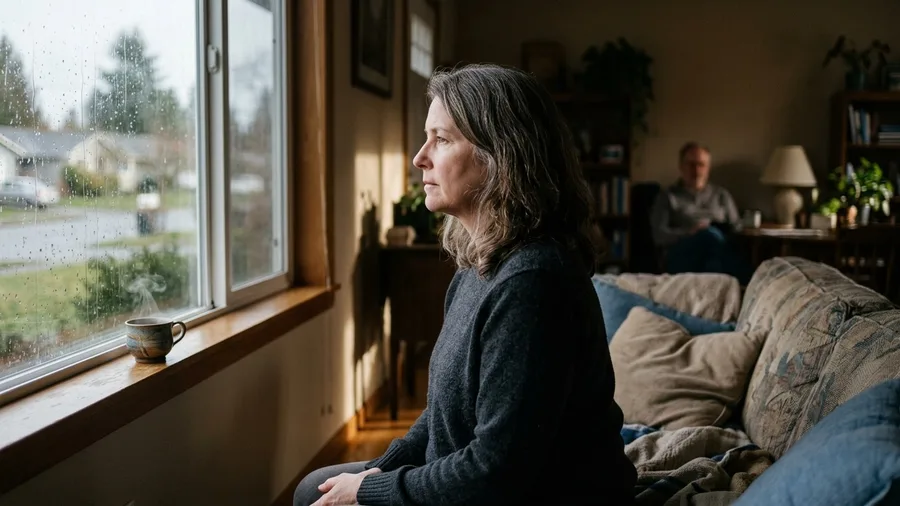
Ten minutes of absolute silence feels like an eternity when an old regret or an unresolved worry starts turning over in your mind.
Most conventional advice tells you to distract yourself immediately by turning on a podcast or calling a friend to break the tension. That popular reflex only buries the discomfort deeper, letting it quietly dictate your mood from behind the scenes.
True self-governance means letting the uncomfortable truth sit right in front of you until it loses its sharp edges without needing a quick fix. Next time a difficult thought surfaces while you are alone, put the phone down, stay still, and let the feeling run its course entirely.
🌱 The Evolution of Solitude
Exhaustion
Noticing how much energy social performance drains from your daily life.
The Pause
Beginning to protect small pockets of unstructured time without explanation.
The Preference
Actively choosing a quiet evening over an obligation that feels draining.
Deep Peace
Experiencing your own company as a reliable source of restoration.
An Absolute Refusal to Manage Anyone Else's Emotional Weather
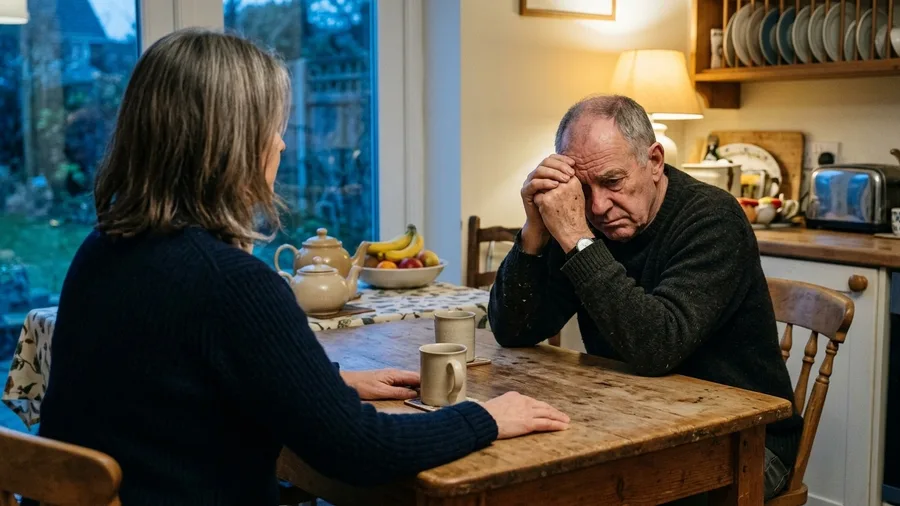
Stepping back from smoothing over everyone else's moods often looks like cold indifference from the outside, leaving you worried that people will see you as distant or uncaring.
You spend decades acting as an emotional thermostat for the room, tracking every slight shift in tone and rushing in with jokes or compromises to flatten out the tension before it grows.
When someone sighs heavily at the kitchen table or goes quiet over dinner, the old reflex is to ask what is wrong and immediately search for a way to fix it.
The shift happens when you finally realize that managing someone else's weather does not help them grow resilient, and it quietly drains the energy you need for your own life.
Instead of rushing to rescue the mood, you simply stay put and let them experience their own frustration without your immediate intervention.
When you stop translating every frown into an emergency assignment, relationships transform from frantic management projects into spaces where adults are allowed to handle their own inner seasons.
Old People-Pleasing Habit
- Jumping in to fix bad moods
- Apologizing for needing quiet time
- Accepting draining invitations out of guilt
- Monitoring everyone else's comfort
Mature Solitude Practice
- Letting others manage their own feelings
- Stating your need for quiet directly
- Declining social events without over-explaining
- Prioritizing your own emotional baseline
The Deep Appreciation for Uninterrupted Routines

Conventional wisdom suggests that keeping your schedule loose and spontaneous leaves room for vibrant living, but that advice frequently backfires by handing your peace of mind over to whatever demand arrives next.
Think about your Tuesday morning right now.
Are you waking up to a sequence of choices you engineered entirely for yourself, or are you immediately reacting to the incoming texts, notifications, and obligations set by someone else's timeline?
Ask yourself one straightforward question: when you look at how the first two hours of your day unfold, do they serve your own clarity, or do they serve everyone else's urgency?
If your answer leans toward the latter, you are spending your cognitive capital before the day even begins, leaving your mental battery drained before noon.
A rigid schedule of your own making becomes a form of sanctuary against that relentless pull.
Drinking coffee at six in the morning while reading without anyone speaking to you is worth more than any crowded social outing because it establishes an unshakeable baseline of sovereignty.
That predictability protects your mental clarity against outside chaos, allowing you to move through complex environments without absorbing their friction.
When someone invites you into an unplanned commitment that disrupts your rhythm, the script is simple: 'I have a locked routine in the morning that I protect, but let us look at Thursday afternoon.'
Say the sentence, hold your ground, and watch how quickly your days stop feeling like a series of interruptions and start feeling like your own.
The Path to Comfortable Solitude
Frequently Asked Questions
Is enjoying being alone a sign of depression?
Not when it brings peace and restoration. Depression feels heavy and draining, whereas healthy solitude feels like an open, calm workshop where you recharge your energy.
How do I start enjoying quiet time if I am used to constant noise?
Begin with ten minutes of intentional silence each morning before touching your phone or turning on the radio. Let your nervous system adjust to the lack of input gradually.
Does preferring solitude mean cutting off friends?
No. It means becoming much more selective about which interactions deserve your time, favoring deep and meaningful conversations over casual, draining small talk.
How can I set boundaries without hurting people's feelings?
Keep your declination short and clear. Saying you cannot make it this time without offering a long backstory is honest, respectful, and leaves no room for misinterpretation.
The One Choice That Locks In Your Peace
If you change only one thing after reading this, protect your first morning hour from outside demands.
Keep that quiet window sacred, and let the rest of your day build outward from that solid foundation.
Take Your Next Step Toward Quiet Clarity
Review your calendar for this week and drop one obligation that exists only to keep up appearances.