

Hosting well looks like a temperament you either got or didn't. That reading is tidy, and it falls apart the moment you look at what is actually happening in the room: the person who seems born to it is running a set of small habits, most of them learned, several of them borrowed from someone else.
You like the idea of having people over. You also wonder, quietly, whether you are the type. A friend makes it look effortless, and you suspect the difference is something you were born without. Look closer and the difference is a standing date, a regular menu, a few early asks, and a set of behaviors that sit on the table in plain sight.
Each of the seven traits below is a behavior before it is a personality, and only some of them are fixed preferences. You do not need to become a host personality. You need one repeatable habit that fits the obstacle in your way.
By the end you can pick the trait that matches your hold-up and try it on a low-stakes meal rather than a debut performance. Every one of these can be borrowed.
Quick Tips Before You Start
Ask First
Before you plan the menu, ask each guest about allergies or strong dislikes.
One Big Dish
Choose a single main that can stretch, like a pot of chili or a sheet-pan chicken.
Set a Date
Pick a recurring day, even if it is just once a month, so it becomes a rhythm.
Delegate Early
Ask one person to bring bread and another to help with chairs before they arrive.
Let It Be Imperfect
Mismatched plates and a slightly dry cake are fine. The company is the point.
Why the Effort Pays Off
Cooking for others is work. There is shopping, chopping, timing, and a kitchen that needs cleaning twice. So why do some people keep doing it, week after week, even when they are tired?
The answer is not that they love scrubbing pots. The payoff sits somewhere else, in the response of the people around the table. Understanding that reward makes the effort feel less like a chore and more like a choice.
1. They feel fed by watching other people eat

The usual advice is to cook for the pleasure of cooking. That is a different appetite, and it explains almost nothing about the person who does this every month.
The reward most hosts are chasing sits in the room, not on their own plate. They notice the table has gone quiet, and the quiet is not a gap that needs filling. Forks down, second helpings, plates scraped clean, a voice dropping to a murmur to say something only the next chair can hear. That is what the spent afternoon was for.
The trade is honest: a day of shopping, a slow afternoon at the stove, and the evening spent mostly on your feet. What the trait does not explain is the cook who loves the technique and does not care whether anyone is watching. Noticing the empty plate can be learned; wanting the table's response is the part that makes the work feel worth repeating, or it doesn't.
💡 Tip: At your next meal, pay attention to one guest's plate. Did they take a second helping? Did they leave something? That is your feedback.
A Week of Low-Effort Hosting
Adjust days to fit your schedule, but keep the sequence.
2. They treat the meal as ritual, not performance

"Come whenever" gets a polite yes and no date. "First Tuesday of the month, six o'clock, same table" gets people in the car.
The phrasing matters because it takes the decision off the guest. A person whose work friends have scattered knows the first Tuesday is coming without being invited again, and can say yes or no without needing to be asked. A standing night is calendar and repetition; the table stays, the few menus rotate, and the guest learns he does not need to be summoned.
The line you actually use is plain: "First Tuesday, six, same table." Then, on the night, "Same as last time, just come." And when a month is thinner, "Bring whoever you like." The words do the work of setting the rhythm.
The point is the repeated occasion, not a single impressive evening. A one-off wants to go perfectly; a standing night can be ordinary and small and still count, because it is coming round again next month. Fix the date before you choose a single recipe.
💡 Tip: Pick a recurring day and put it on the calendar for the next three months. Then choose the menu.
💡 PRO TIP
The Power of a Standing Date
A fixed day, like the first Tuesday of the month, removes the need to coordinate schedules each time. It also gives guests a reliable social anchor they can count on.
How the Meal Stays Doable
Even hosts who love the table can burn out if every meal is a production. The difference between a host who quits after two dinners and one who keeps going for years is not stamina; it is strategy.
The next few traits are about keeping the cooking and planning light enough that you actually want to do it again next week. They turn hosting from an event into a habit.
3. They start with the guest, then choose the dish

They work backwards from the guest list. The recipe the cook has been wanting to try is the last thing considered, not the first, and the menu gets built around who is actually coming and what they can actually eat.
This is why the asking happens days early, on the phone or by text, while the shopping list is still blank. One question covers most of it: anything you can't eat or don't like? The guest who mentions a shellfish allergy in the car park is a problem; the same guest who mentions it on Tuesday is a menu designed around them by Thursday.
Then the cook settles on one dish that bends. A pot of bean chili works because the rice stretches it, the cheese and herbs and lime sit on the side for people to take or leave, and a guest who avoids dairy simply skips the bowl nearest the salsa. One main, adjusted at the edges, feeds a table with three different appetites.
The limit is the part that gets missed. Asking about preferences is not the same as running a short-order counter, and the host who ends up frying four separate plates has let a good habit turn into a service job. Ask the question once, adjust one pot, and put a side on the table. That is learned in a single phone call, and it does not require anyone to be naturally intuitive about food.
💡 Tip: Keep a note on your phone with each guest's dislikes. It takes ten seconds and makes the next meal easier.
Common Hosting Mistakes to Avoid
4. They keep hosting easy enough to repeat

the person pulling it off is almost certainly serving you something they have already cooked several times. The ease was paid for earlier, in repetition, and the dinner you are sitting through is the payoff, not the performance.
The obvious reading is that they are better cooks, or calmer under pressure. Neither holds up. People who study household routines and the way habits form keep landing on the same point: the more a task is repeated in the same shape, the less of the day it takes up. A menu cooked a fifth time needs almost no deciding. Every yes-or-no question the first time around has already been answered.
So the default menu does the heavy lifting. A pot of lentil soup, or a tray of chicken thighs and vegetables on one sheet pan, cooked the same way in the same order. What gets cut on purpose: the second course, the last-minute garnish, the new recipe saved for company. That last one is where most hosting gets expensive, because a first attempt at a dish is the one night the cook has no spare attention for the guests.
The catch is that a repeatable menu suits the coming week, not a showcase. Figure out what you can put on the table again without re-planning, and that is the start of a rhythm. The pot of soup you make Sunday and eat on Tuesday is most of the answer to why theirs is easier.
Picture the two versions side by side. One host starts shopping for a new recipe on Thursday, is still searching a list of ingredients at eleven on Saturday morning, and is too tired to notice the guests. The other pulls a familiar pot together in the same hour it always takes, and sits down at the table before the food is fully cold.
Repeatable is a choice you can borrow this week. It does not run on a patient temperament. Pick one dish you already know how to make without a recipe, decide to cook it for the next people you invite, and let it be the meal it was last time.
💡 Tip: Keep a list of three go-to meals that you can make without a recipe. Rotate them.
Simple Hosting vs. Overly Ambitious Hosting
Simple Hosting
- One main dish and a side
- Repeatable menu
- Asks for help
- Accepts imperfections
Overly Ambitious Hosting
- Multiple courses
- New recipe every time
- Does everything alone
- Aims for perfection
5. They let the table be a little messy

You are standing in the kitchen, looking at the chipped platter you got out for the cake, and deciding whether it is worth swapping. It is not worth the swap, and the cake is slightly dry, and you serve it anyway.
A relaxed host is a permission slip, and guests read it fast. Someone takes a second helping, kicks their shoes off, starts gathering plates without being asked. The messy table is the price of that.
One caution while you relax: raw meat juices and cross-contact with an allergen still get handled properly. The rest, the mismatched plates and the loud room and the platter's chipped edge, is fair to let go.
💡 Tip: Pick one thing that usually bothers you, like mismatched napkins, and deliberately let it go.
⚠️ COMMON MISTAKE
Don't Confuse Relaxed with Careless
Letting the table be messy is fine, but food safety still matters. Keep raw meat separate and ask about allergies every time.
How the Table Stays Social
Good hosting is not just about the food. It is about how people feel when they are in your home. The final traits are about making guests feel seen and sharing the load so you can actually enjoy your own party.
6. They are curious about what others like
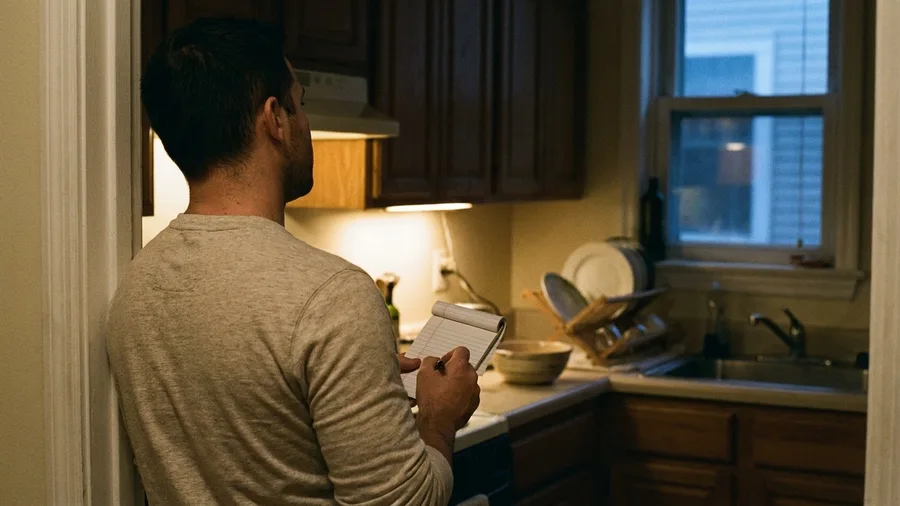
Curiosity about what other people like is a behavior, not a gift handed out at birth to extroverts. The host who seems to just know is usually a host who has been asking for years and writing the answers down somewhere in their head.
The obvious advice is to trust your instincts about what people enjoy. That advice fails on the first meal. A guest who cannot eat mushrooms will not announce it at the table while the dish is already plated. The curiosity the reader needs is not intuition but a question asked early enough to matter: what are you off, and what did you get sick of last time? Two sentences, asked in the hallway or by text while the shopping list is still open on the counter.
Then comes the harder half. Remember one answer and cook around it. If a friend has hated mushrooms since a childhood dinner, the main dish simply leaves them out, or the mushrooms go on a platter at the side for everyone else. One remembered dislike, honored once, does more than a whole evening of guessing.
The line to hold: an adjusted main, not a short-order counter. A guest who wants every dish bent to their preferences gets the same pot as everyone else, with a side they can manage. One question, one remembered detail, one dish left alone – these are borrowable. The intuition was never the point.
💡 Tip: Next time you invite someone, ask: "What's one food you never order but love when someone else makes it?"
The best hosts don't assume; they ask. One question before shopping can save the whole meal.
— What experienced hosts keep saying
7. They ask for help before the doorbell rings

Forty minutes. That is roughly how long a single host has before the doorbell starts ringing and the last stretch of cooking, greeting and seat-shuffling lands on one pair of hands. The people who seem to glide through an evening have usually spent those forty minutes giving parts of the night away, not guarding them.
Knowing what guests will eat makes the asking easier, because the request can be shaped around the answer. A guest who avoids mushrooms can be handed the bread and the salad dressing; a guest who loves dessert is the obvious person to bring it. The host keeps the main dish and the timing, the two things that genuinely need one pair of hands, and lets the rest travel out of the kitchen.
The asks that work are almost embarrassingly small and specific. Bring the bread. Take these chairs into the dining room. Start the dishes when you finish eating. Each one names a task, a time and a person, so nobody stands in the kitchen doorway asking what they can do while the host waves them off. Vague offers are easy to refuse; a named task is easy to accept.
This is where hosting quietly tilts. People who read asking for help as losing the controls tend to keep every task, and the evening becomes a long sprint from stove to sink to table and back. The food arrives, the guests are fed, and the host is finished before the cake. The reframe is not that they should relax their standards. It is that the person holding the door open, taking coats and pouring wine is also hosting, and handing them that job does not diminish the meal.
One specific ask made before the doorbell rings is the whole practice. Not a general cry for assistance, not a mental note to delegate later, but one sentence sent or said in advance: can you bring the bread, can you come ten minutes early and move the chairs. The host who does this is not less in charge. They are the person who decided what the night needed and quietly shared it out.
💡 Tip: Send one text today: "Would you mind bringing a loaf of bread on Saturday?"
🍽️ A Simple Hosting Sequence
Choose a date
Pick a day and time, ideally a recurring one like the first Friday of the month.
Ask guests
Invite two to four people and ask about allergies or dislikes.
Plan a simple menu
One main dish, one side, and a store-bought dessert are enough.
Delegate
Ask one person to bring bread and another to help with drinks.
Cook and welcome
Do the main dish, set the table, and let the rest be imperfect.
Frequently Asked Questions
What if I don't enjoy cooking?
You can still host. Focus on simple, store-bought elements like a rotisserie chicken, a bagged salad, and good bread. The trait is about the table, not about being a chef.
How many people should I invite?
Start with two to four guests. That is enough to feel like a gathering but not so many that you feel overwhelmed. You can always expand later.
What if a guest has many dietary restrictions?
Ask ahead and choose a flexible main dish, like a grain bowl bar or a pot of chili with toppings on the side. One adjusted main is enough; you do not need to make separate meals.
How do I get over the fear of things going wrong?
Accept that something probably will go wrong, and decide in advance that it is okay. The goal is connection, not perfection. Practice letting one small imperfection slide each time.
Do I need a big dining table?
Not at all. People can sit on folding chairs, stools, or even the floor if needed. The point is being together, not the furniture.
The One Trait That Fits Your Life Now
You do not need all seven traits. You need the one that fits your obstacle. Waiting to feel ready? Borrow trait four and set the bar low, a plain meal you already know how to cook. Worn out by the work? Borrow trait seven and make one specific ask before the doorbell. Sure you are not a people person? Borrow trait six and ask one curious question about what a guest actually likes.
Now picture your friend again, the one who makes it look easy. What you are seeing is not a different personality. It is a standing night, a default menu, the mismatched plates that stay in the cupboard and the requests for help that go out early. Ease is repetition, not temperament.
So the smallest first step is this: send a text to two people and invite them for a one-dish meal this week. Decide afterward whether to do it again. The test is the repeat, not the performance.
Ready to Try It?
Pick one trait from this list and use it this week. Invite two people over for a one-dish meal and see what happens.

