

There is a quiet agreement most people make with time, tucking away the best things they own for an imaginary threshold they believe is still ahead.
At seventy-nine, after forty years of marriage, I looked at the eighteen thousand dollars worth of fine dishware, high-end stationery, unopened vintages, and luxury garments sitting unused across three mahogany dining room china cabinets, two cedar chests, and a designated climate-controlled hall closet and realized I was waiting for a future that might never arrive.
Saving these cherished belongings for a hypothetical someday simply meant watching the time slip away while the items gathered dust.
During the past fourteen months of my daily routine, I chose to stop hoarding these possessions and finally use them.
Quick Tips Before You Start
Move to the Front
Put your best plates on the primary shelf today.
Open the Vintage
Drink the good bottle on a Tuesday night.
Ink the Pens
Write a messy letter on heavy cotton paper.
Use the Fabric
Cut the expensive linen and sew something wearable.
1. Fine China Sits Neglected While Everyday Meals Lack Joy
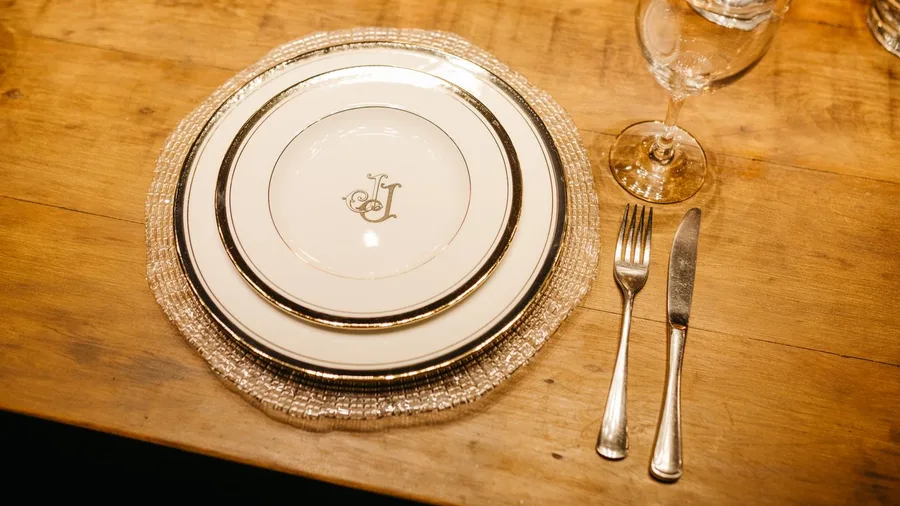
We store plates behind glass doors while we eat off plain stoneware.
Eating a simple Tuesday evening meal of scrambled eggs off gilded porcelain plates turns an ordinary kitchen into a real place of living.
The hesitation comes from a quiet dread of dropping a rimmed dish that cost seventy dollars forty years ago and can no longer be replaced.
That worry keeps the good china trapped behind mahogany frames while dust settles on handles we never touch.
Moving those plates straight to the front shelf puts them within arm reach for every single morning slice of toast.
Inventory Priorities
Ranked by immediate impact on daily routine.
2. Vintage Wine Loses Its Peak While We Wait for Anniversaries
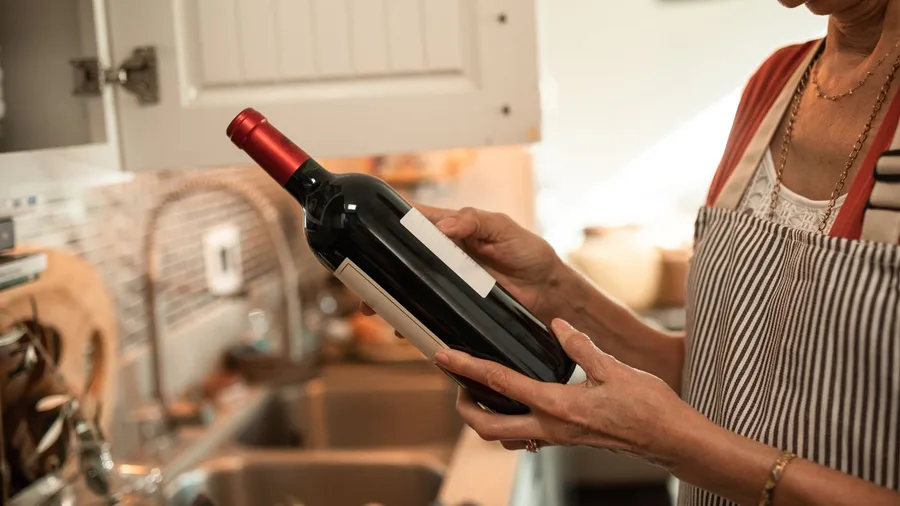
We say, let us save this bottle for when the children finally visit together.
That cellared Cabernet turns vinegary in the dark while we wait for a calendar date that might never appear on the kitchen wall.
Drinking a fifty-dollar vintage alone on a rainy Tuesday night honors the person who pressed the grapes better than letting the cork dry out in the rack.
Chemistry does not care about our milestones, and oxygen will eventually seep past the seal whether we pour the glass or not.
Reaching age seventy-nine means surviving another full rotation around the sun, and that alone justifies popping a cork without waiting for guests.
💡 PRO TIP
Open the Bottle Tonight
Do not wait for a guest list to validate a good vintage. Your current evening is reason enough.
3. Luxury Stationery Gathers Dust While Real Letters Go Unsent
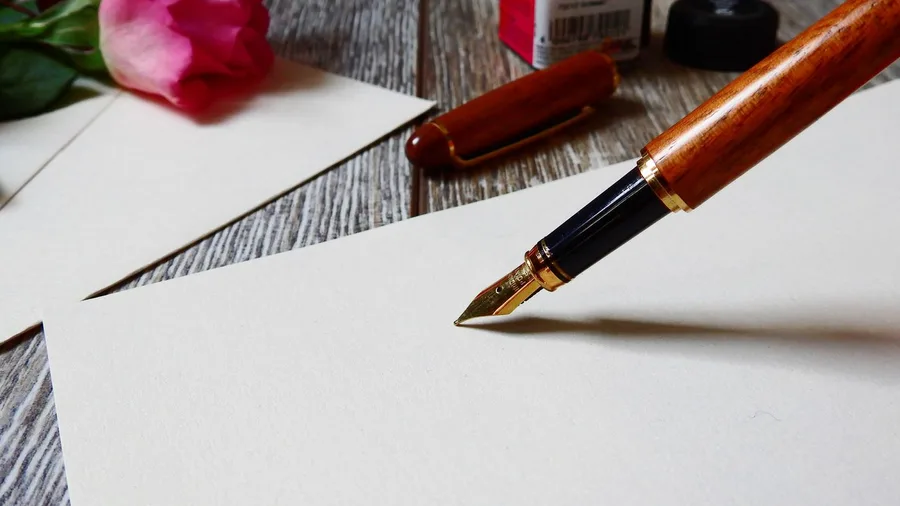
Heavy cream stationery and fountain pens belong to ink stains and hurried notes written on a kitchen counter, not to storage boxes kept in dark closets.
The terror of putting a crooked line on expensive paper stops us from writing anything at all to friends who would simply love to see handwriting.
Messy ink spots give a letter actual human character rather than reducing it to a silent display item.
Ink Flow Specs
4. Craft Supplies Rot in Bins While Creative Urges Fade
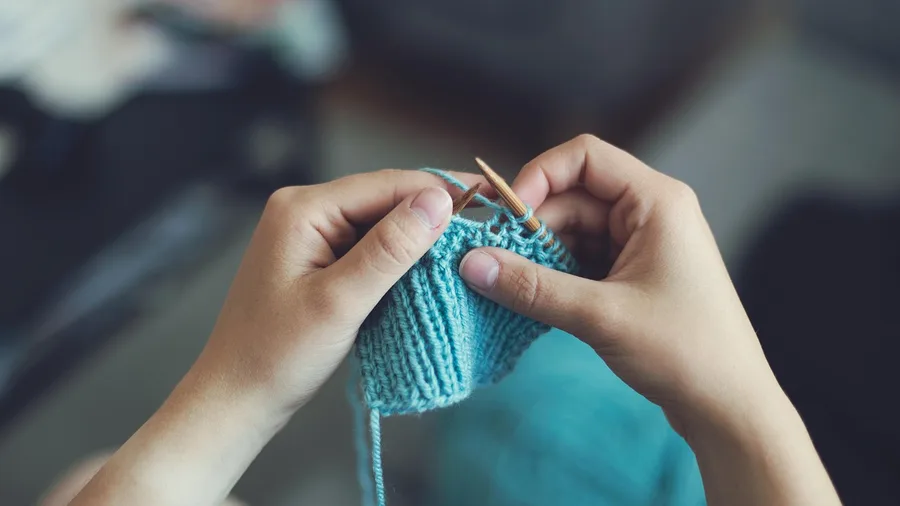
You reach into the plastic tote at the back of the closet, pulling out skeins of wool that still carry their paper wrappers from decades ago, untouched by any needles.
Unspooled yarn sitting in a bin mirrors unspent time left in life, waiting for a hypothetical retirement that treats creativity as a reward rather than a daily act.
The guilt of unfinished projects accumulating in storage stops mattering the moment you pick up the needles today instead of waiting for tomorrow, accepting that whether the final sweater turns out amateur or uneven, the yarn is finally doing what it was bought to do.
The Storage Shift
The transition from preservation to consumption.
5. Saved Greeting Cards Create Clutter Instead of Preserving Warmth
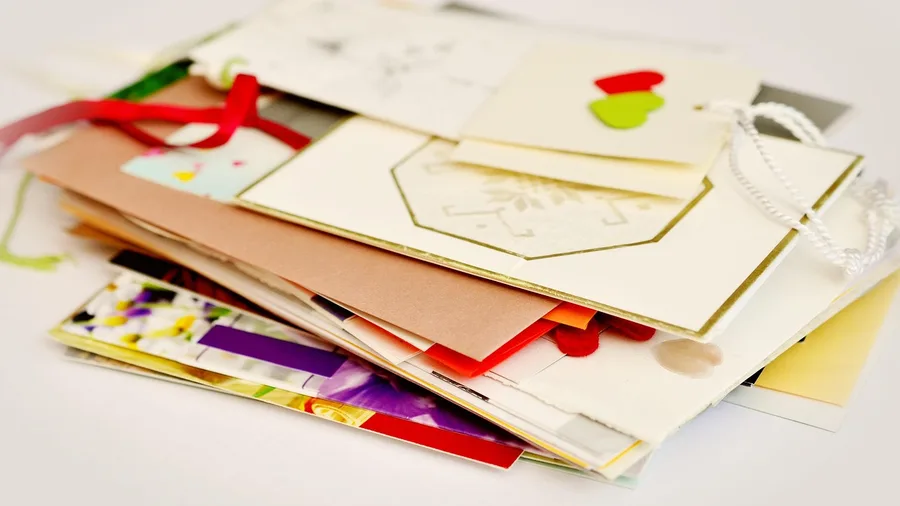
People tell you that saving every handwritten note preserves the warmth of the people who sent them, but boxes of old birthday wishes mostly just weigh down drawers and turn friendship into a storage obligation.
Weighing down drawers with decades of cards deprives us of the active joy of sorting them or letting them go, turning memories into physical clutter.
You can photograph the handwriting before recycling the paper to clear physical space, separating cherished personal letters from generic holiday cards that only serve as dust collectors.
The emotional relief of lightening physical loads in my home made room for actual breathing space, proving that holding onto every piece of paper does not protect the relationship behind it.
⚠️ COMMON MISTAKE
The Paper Trap
Keeping every generic greeting card does not preserve relationships; it only crowds your physical space.
6. Special-Occasion Clothes Sit Hanging While Our Bodies Change

I used to believe that silk dresses and wool trousers required a formal dinner invitation before they were allowed to leave their hangers.
Dressing up for a simple grocery run injects vitality into routine hours that formal wear was always meant to serve, lifting the mood during ordinary days around the house.
Confronting the reality of shifting physical mobility and changing body shapes at seventy-nine taught me that clothes left hanging in the dark do not care who wears them, and waiting for the right occasion ignores the body you have right now.
Wardrobe Hierarchy
Moving fine garments from storage to daily wear
Reverse the traditional wearing pyramid.
7. Good Perfume Evaporates While We Wait for Compliments
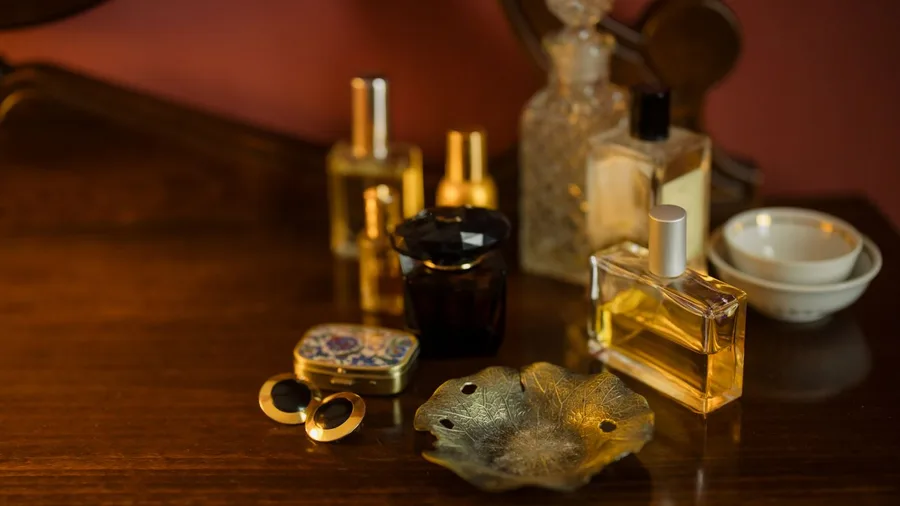
Fourteen months ago, I still possessed three unopened bottles of French perfume sitting on a mirrored vanity tray, their top notes slowly evaporating into stale alcohol because I was waiting for a sufficiently public room to justify them.
Scent is a visceral sensory gift that should be worn for personal comfort rather than reserved for public display, yet we treat expensive bottles like museum pieces waiting for someone else to notice.
I wasted years saving those floral extracts for social gatherings while my own quiet mornings smelled of nothing at all, prioritizing social validation from strangers over sensory self-soothing in my own hallway.
Now I spray perfume before a quiet morning walk, letting the amber and bergamot meet the empty air of my living room simply because I am awake to breathe it.
8. Silverware Tarnish Grows While We Eat with Plated Forks
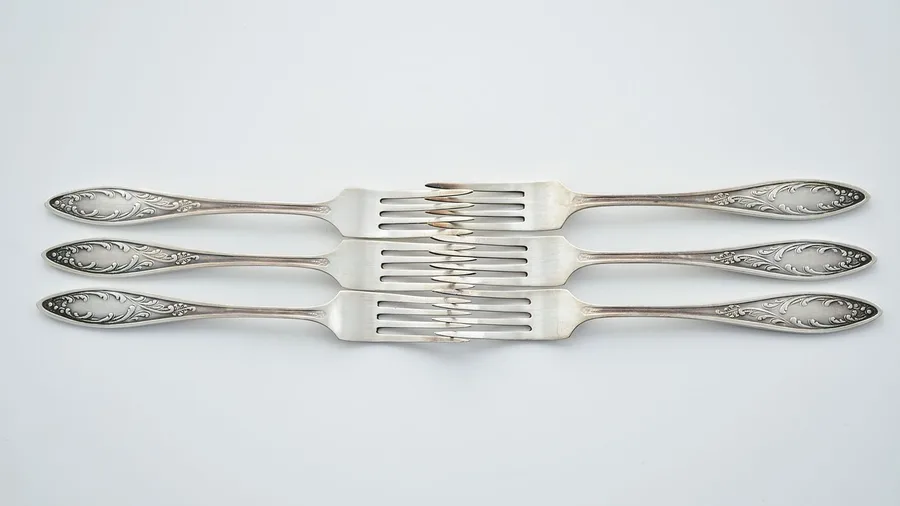
Leaving solid silver sitting in a felt-lined drawer does not preserve it; it simply creates a weekly chore of scrubbing away thick black oxidation before any meal worth remembering.
Sterling metal actually thrives on constant handling because the daily friction of soap and warm water naturally polishes the surface, preventing deep tarnish from setting into the intricate scrollwork.
Reaching for plated forks out of convenience because they go straight into the dishwasher leaves the heavy heirloom pieces accumulating neglect while everyday scrambled eggs deserve better than bent tines.
I finally moved the full service box out of the sideboard and into the kitchen drawer so our ordinary morning toast and coffee are met with real weight in the hand.
Silverware Approach
The Hoarding Habit
- Stored in felt-lined boxes
- Polished once a year
- Touched only for holidays
- Acquires heavy tarnish
The Daily Reality
- Kept in the kitchen drawer
- Washed with everyday dishes
- Used for simple meals
- Maintained by daily friction
9. Heirloom Linens Stay Folded While We Sleep on Thin Sheets
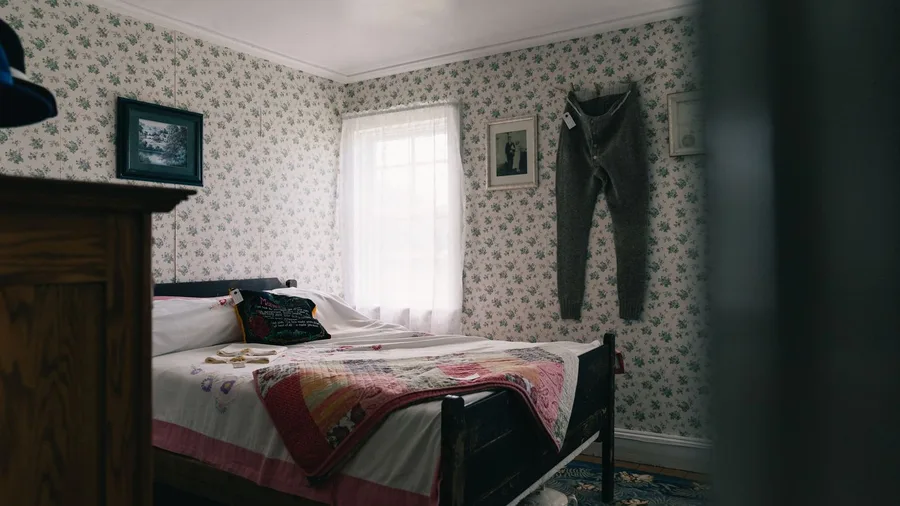
Hand-stitched quilts and linen sheets sit folded for decades in cedar chests while we sleep on thin, threadbare cotton bought for everyday utility.
We operate under a museum-curator mindset in our own bedrooms, forgetting that neglected fabric trapped in dark wood actually weakens and yellows as the fibers dry out.
I mandate putting the best quilt on the primary bed tonight so that its weight and history can provide physical comfort that outlasts its status as a display heirloom.
10. Unplayed Musical Instruments Gather Dust While Fingers Stiffen
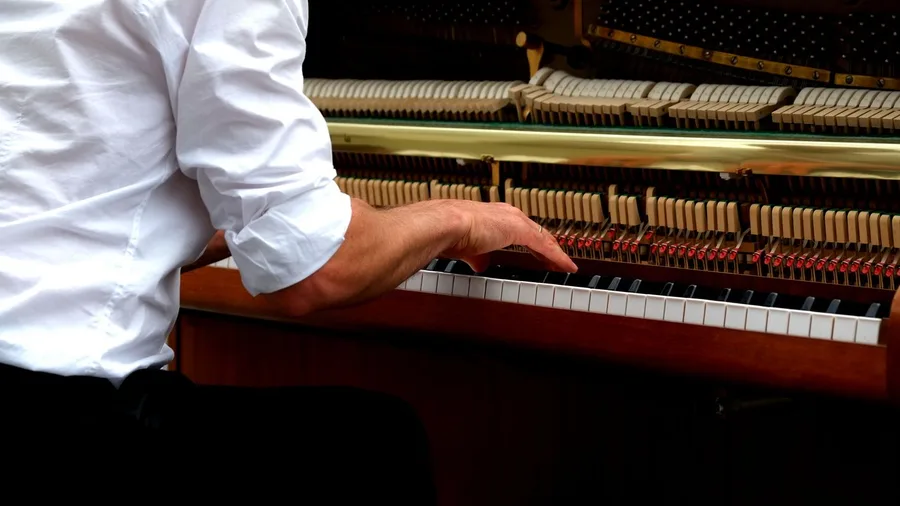
I used to tell myself I was preserving the cherrywood finish and the tension of the strings against humidity changes, but that was just an excuse to avoid feeling foolish. A piano or guitar is an active voice that needs playing, even if the music produced is rusty and imperfect.
My hands do not move across the fretboard the way they did when I was thirty, and the joints in my fingers protest when the winter air gets cold. I address performance anxiety in older age and stiffening fingers by lowering my expectations to zero. Nobody is listening through the walls, and the instrument does not care if I miss a chord change.
There is a distinct difference between the heavy silence of a room filled with unused objects and the living sound of making noise in an empty house. I contrast silent instruments with the joy of hearing a real note ring out against the plaster walls, clumsy as it might be. The sound fills the space in a way that mere decoration never could.
When a piece of wood is crafted to resonate, keeping it locked away denies its entire purpose for existing. I commit to playing ten minutes of scales daily, no matter how many notes I fumble or how stiff my knuckles feel on the lower keys. It is not about mastering a sonata; it is about making contact with something that requires my direct touch.
Of course, if an instrument has structural damage or a warped neck that makes it genuinely unplayable without professional repair, leaving it in the case is simply practical. You do not force tension onto cracked wood that might snap under pressure. But when the only thing stopping you is the embarrassment of sounding like a beginner again, you open the latch and let the dust fly.
11. Unread Books Stay Pristine While Our Minds Crave Stimulation
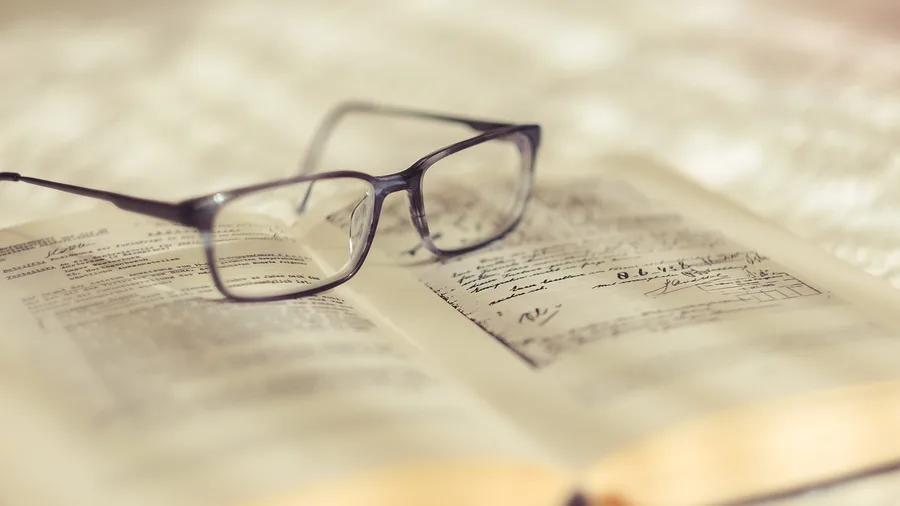
Thousands of pages sit untouched on my shelves behind pristine paper covers while my mind quietly starves for genuine stimulation. Over the past fourteen months, I watched those pristine spines gather a fine layer of gray dust while I reread old favorites just to avoid cracking a new binding. That is not appreciation; that is acting like a curator in a museum you own.
Dog-eared pages, broken bindings, and marginal notes are the physical evidence of an active intellect at work, not signs of damage to be feared on a shelf. Researchers who study cognitive engagement in later life keep finding that active, tactile interaction with text keeps the mind sharper than passive ownership ever could. You have to differentiate between avid reading, which changes how you think, and mere book collecting, which only changes how much weight your floorboards have to bear.
I finally stopped worrying about resale value and started writing notes in the margins of nice books to make them truly mine. When you underline a sentence that stops you cold and write your own argument in the margin, you convert a luxury object into a living conversation. The book is worth far more used by your own mind than kept mint for a stranger who will buy it at an estate sale.
Releasing the fear of diminishing a book's financial worth opens up the entire library to actual use. A hardbound volume with a cracked spine means someone actually sat in an armchair and paid attention. That is what ink and paper were manufactured to do, and keeping them spotless serves nobody at all.
Frequently Asked Questions
What if I chip an heirloom plate during daily use?
A chipped plate carries the history of an actual meal eaten with someone you love, which is worth infinitely more than an unblemished dish sitting behind glass.
Is it wasteful to use expensive skincare or perfume casually?
Cosmetics and fragrances degrade over time on a shelf. Using them daily ensures you receive their sensory benefit rather than letting them expire in a container.
What should I do with items too fragile for daily life?
Donate or gift truly museum-grade artifacts to someone who will curate them, but keep and use anything that can withstand normal human contact.
How do I overcome the guilt of using nice things?
Remind yourself that preservation is not respect. Using an item as intended is the highest form of appreciation for the craftsmanship that created it.
Choosing the First Saved Item Today
Stop saving those eighteen thousand dollars in luxury items across your own cabinets and closets for a hypothetical future that may never take shape.
Return to what pulled you in at the start: decades of accumulating cherished items under the assumption they were too special to touch.
Select just one saved item today and use it tonight without hesitation, leaving you with the final thought that the only time we truly possess is right now.
Open Your Own Cabinets Tonight
Pick one saved item from your storage shelves and use it for your very next meal or routine task.