

A heavy office lanyard drops into a desk drawer, the turnstile clicks shut behind you, and the open calendar of an empty Tuesday suddenly stretches out without a single demand.
Standard retirement planning treats this transition entirely as an exit into well-deserved leisure, assuming your social ties, mental sharpness, and physical resilience will simply run on autopilot once full-time work stops.
They will not. The unexamined defaults you settle into during your sixties quietly calcify into rigid psychological and physical tracks that compound over the next twenty years.
Avoiding these early lifestyle traps and auditing your weekly routines today is what preserves your cognitive stamina, social vitality, and personal independence when your eighties arrive.
Quick Tips Before You Start
Audit Friend Ages
Check if your weekly social circle contains anyone twenty years younger than you.
Embrace New Friction
Practice skills that trigger genuine frustration rather than repeating mastered pastimes.
Survey Step Counts
Measure doorways and count thresholds to evaluate single-level living accessibility early.
Normalize Support Tools
Adopt balance equipment and bathroom safety hardware before a fall forces the choice.
Psychological Identity and Social Habits
Your emotional resilience in deep old age rests on the relational architecture you build when full-time work recedes.
When professional validation vanishes and domestic dynamics shift, unchecked behavioral defaults create silent deficits. Preserving your long-term autonomy means confronting how you define yourself, how you connect across generations, and where you draw firm personal boundaries.
1. Dropping Multi-Generational Ties Leaves You Socially Isolated Later
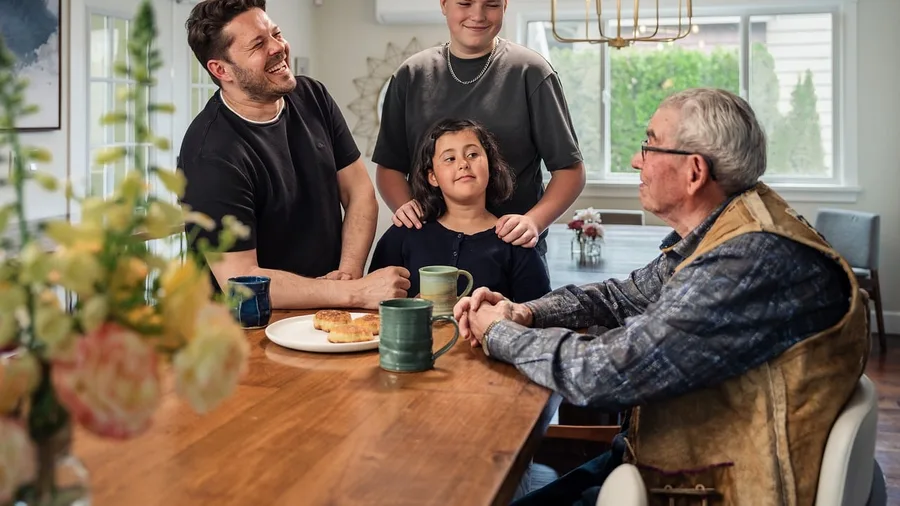
Conventional wisdom says to settle comfortably into your lifelong peer group upon retiring. Yet a social circle made entirely of people your exact age carries an invisible, compounding vulnerability.
Between seventy-five and eighty-five, peer morbidity, cognitive decline, and mortality accelerate rapidly. Building cross-generational ties supplies cognitive novelty and an active, mobile support system that survives single-cohort losses. Community arts ensembles, skill-exchange mentorships, and local civic committees put you in regular contact with people in their twenties, thirties, and forties.
Sticking strictly to peers buys easy familiarity in your sixties at the price of complete isolation in your eighties.
💡 Tip: Join at least one civic group where you are not the oldest or youngest person in the room.
Your social network in your eighties depends entirely on who you were willing to learn from in your sixties.
— Observed in longitudinal aging research
2. Anchoring Identity to Job Titles Triggers Deep Post-Retirement Emptiness

It is remarkably easy to assume that decades of professional respect and high-stakes decision-making will automatically convert into durable self-worth once full-time employment ends.
When executive, clinical, or managerial authority stops on a Friday, the quiet of the following months feels like freedom. But that institutional validation was quietly providing daily structure, respect, and cognitive feedback. When the novelty of leisure wears off, the sudden lack of external recognition frequently triggers delayed, severe depressive periods.
Stripped of corporate status, many retirees feel completely invisible.
The deficit appears in simple social interactions. When someone at a community gathering asks what you do, answering with 'I used to run commercial operations' relies on an expired credential rather than active engagement. Title-based self-esteem depends on an employer, while values-based self-worth comes from intrinsic principles, skill development, and tangible community utility.
Replacing an external calendar requires building your own: serving in non-profit governance, advising community initiatives, or pursuing rigorous craft work that demands real discipline and produces visible outcomes.
Failing to separate personal identity from a former title leaves an individual psychologically unanchored as life naturally slows down. Decades later, an eighty-year-old cannot draw vitality from a legacy resume; maintaining mental resilience requires an identity built on what you actively practice, contribute, and care about in the present day.
⚠️ COMMON MISTAKE
The Status Trap After Sixty
Relying on past professional prestige for social standing prevents you from developing genuine curiosity about new subjects and younger peers.
3. Failing to Establish Boundaries With Adult Children Breeds Resentment

Retirees who lose their professional identity often redirect that unspent executive energy into managing their adult children's domestic lives. Stepping in unprompted quickly transforms from occasional generosity into an exhausting, unwritten job.
Family researchers consistently note that serving as an on-call emergency fund, impromptu daycare, or daily crisis counselor drains the capital and emotional stamina needed for your own future care. Constant over-functioning also warps mutual respect. Parents begin keeping a silent ledger of sacrifices, while adult children grow used to frictionless assistance without accountability.
Unspoken debts always turn into quiet resentment.
Preserving family harmony requires plain conversational limits: 'I can watch the grandchildren on Thursday mornings from nine to noon, but my other days are committed.' Establishing those clear guardrails in your sixties prevents a transactional dynamic that leaves you feeling awkward or unwelcome when asking for legitimate support in your eighties.
💡 Tip: Schedule recurring personal commitments on a calendar so your availability has visible, firm edges.
🧭 Establishing Healthy Family Boundaries
Schedule Self-Care Blocks
Block out personal exercise and community commitments before offering open calendar dates to relatives.
Define Clear Availability
State specific days and exact hours for child care assistance instead of promising open-ended support.
Decline Emergency Financial Bails
Protect retirement capital by redirecting family members toward independent financial solutions.
Foster Peer-Level Respect
Shift conversations from advice-giving to open adult dialogue to preserve genuine long-term connection.
4. Ignoring Inevitable Bereavement Makes Late-Life Losses Psychologically Paralyzing

Sudden clinical panic inside an emergency ward is the direct price of treating spousal loss and bodily decline as distant abstractions. Sidestepping honest conversations about advanced directives leaves a surviving partner forced to make harrowing medical choices during acute shock, burying real grief beneath legal uncertainty and chaotic crisis decision-making.
Transparently filing durable powers of attorney, medical proxies, and explicit funeral preferences replaces panicked guesswork with practical grounding, protecting your partner from having to negotiate administrative friction while processing raw loss.
Polite avoidance feels compassionate today, but it extracts a brutal toll.
Enjoying deep domestic companionship is fine, provided neither person dissolves entirely into the marriage. Cultivating separate friendships, solo hobbies, and private emotional coping habits in your 60s establishes the psychological infrastructure that prevents late-life bereavement from becoming an isolating, paralyzing shock when one of you must manage solitary life in your 80s.
Cognitive and Environmental Autonomy
Physical autonomy and mental sharpness in late life rarely happen by accident.
The cognitive resistance you maintain and the physical spaces you choose to inhabit during your sixties establish the ceiling for your independence twenty years later. Deliberately confronting friction protects your daily mobility and cognitive reserve.
5. Replacing Difficult Learning With Passive Entertainment Accelerates Mental Sluggishness

The opposite is true: mental ease allows problem-solving endurance and neural flexibility to wither.
Easy routines provide zero real cognitive reserve.
Building long-term protection against neuropathological decline requires the friction of sustained frustration tolerance and error correction. Practicing a complex musical instrument, acquiring a second language, or tackling technical crafts like computer programming and fine woodworking forces new neural adaptations in your 60s that prevent severe executive-function erosion from setting in during your 80s.
💡 Tip: If an activity does not make you feel slightly clumsy or frustrated, it is entertainment, not cognitive training.
Weekly Cognitive Challenge Routine
6. Delaying Downsizing Traps You in an Inaccessible Home Environment
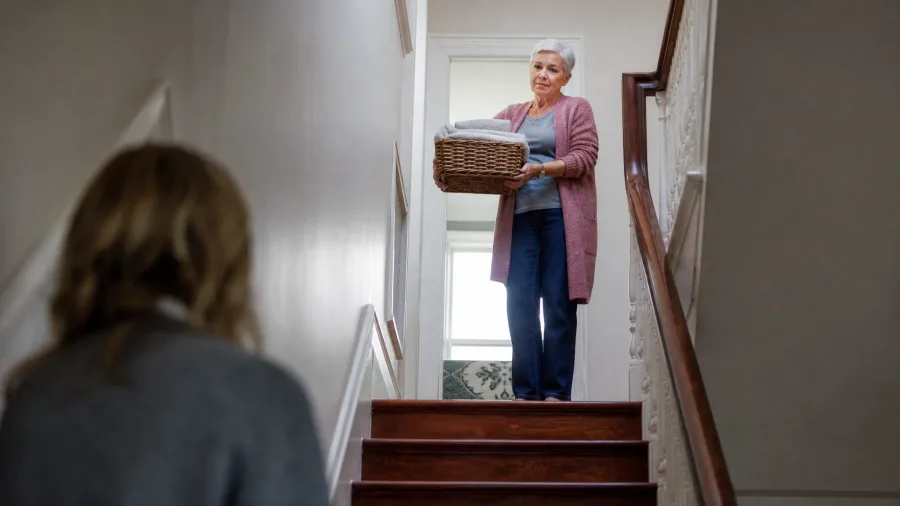
You carry a basket of laundry up two flights of polished stairs, stepping over a narrow landing you have climbed for thirty years. Holding onto an oversized multi-story property feels like defending your independence, but it actually misreads familiar domestic comfort as physical security against future physical changes.
Lingering in a high-maintenance layout converts minor mobility lapses into immediate housing crises, turning an ordinary sprained ankle or knee replacement into a forced, chaotic relocation to an institutional care facility.
Architectural barriers trap you without warning.
Safeguarding genuine autonomy requires prioritizing structural accessibility long before any physical aid is needed. Securing a home with single-level living capacity, zero-step entryways, 36-inch-wide hallways, and walk-in shower access with backing for grab bars in your 60s protects your geographic freedom and personal safety throughout your 80s.
Accessible Home Standards — At a Glance
🚪 Doorway Clearance
36 inches wide
🚿 Shower Access
Zero-threshold entry
🪜 Entry Thresholds
Zero-step ramps
🛋️ Living Layout
Single-story flow
Why Early Renovation Matters
Modifying spaces during your sixties eliminates the risk of emergency institutional placement after minor slips.
7. Treating Declining Physical Mobility as Unavoidable Causes Early Dependence

"My knees are just shot, that is what happens at sixty-two." You say it while bracing both palms flat against the heavy kitchen table to heave yourself upright, waiting a moment for the morning stiffness to ease. Writing off joint aches and shrinking muscle as normal decay creates a sedentary loop that rapidly strips away your remaining strength.
Rising from a low toilet unassisted takes real quadriceps power.
Whether you can step into a high tub, get out of deep armchairs, and dress without an aide at eighty-five depends directly on your hip stability and core strength. Building that durability in your sixties demands two or three weekly progressive resistance sessions targeting compound leg movements, alongside daily single-leg balance and vestibular drills.
Choosing short-term physical ease to dodge minor workout discomfort in your sixties guarantees you will surrender basic bodily privacy when your eighties arrive.
💡 Tip: Perform thirty seconds of single-leg standing while brewing morning coffee to train balance receptors.
Physical Training: Short-Term Comfort vs Long-Term Autonomy
Passive Sedentary Defaults
- Resting whenever joints feel stiff or tight
- Avoiding progressive strength loads and resistance
- Skipping balance drills and single-leg stability
- Allowing muscle mass to decline year after year
Active Resilience Training
- Executing compound squats and deadlifts weekly
- Challenging balance with daily single-leg stances
- Walking briskly across uneven outdoor terrain
- Preserving lean muscle power for daily tasks
8. Refusing Small Accommodations Early Leads to Complete Loss of Independence

One wet floorboard is all it takes to end self-reliance. Ask yourself a ten-second question: are you avoiding trekking poles, bathroom grab bars, or shower stools because you do not need them, or because buying them feels like an admission of aging? If vanity makes the decision, you are ignoring simple biomechanics.
Unassisted household falls cause catastrophic fractures that permanently end solitary living.
Reframing adaptive gear as high-performance equipment preserves joint stamina and stops preventable accidents. Rejecting modest accommodations in your sixties converts a minor balance check into a sudden hospitalization that strips away your autonomy forever.
💡 PRO TIP
Safety Hardware as Performance Tools
Modern bathroom grab bars mount securely to wall studs and match high-end plumbing fixtures without looking medical.
Frequently Asked Questions
Why is multi-generational connection so important in retirement?
Relying exclusively on age-matched friends leaves you vulnerable as your peer group ages and shrinks. Interacting regularly with younger adults provides social novelty, exposure to modern ideas, and a durable community network that remains active even as peers face health declines.
How can I build cognitive reserve if I do not enjoy traditional games?
Focus on high-friction functional skills rather than digital brain games. Learning woodworking, studying an acoustic instrument, acquiring a second language, or managing community project budgets forces your brain to solve novel, complex problems under genuine cognitive load.
When is the right time to modify a home for late-life living?
The best time to modify your living space is in your early sixties while your energy, mobility, and decision-making are at their peak. Waiting until a fall or surgery forces home renovations leads to rushed, expensive modifications during medical emergencies.
Does strength training really make a noticeable difference after sixty?
Progressive resistance training builds muscle mass, bone density, and connective tissue strength at any age. Maintaining leg and core power directly ensures you can rise from chairs, step over high thresholds, and maintain personal independence throughout your eighties.
Building the Friction Your Eighties Need
Open your calendar for the coming week and locate where effortless comfort has quietly replaced constructive friction. Add one mentally demanding learning pursuit that forces genuine problem-solving, and commit to one weekly cross-generational group project before your current schedule hardens.
The low-friction routines that feel like earned ease at sixty become the exact structural fractures that cause isolation, mental sluggishness, and lost mobility at eighty.
Long-term autonomy requires deliberately choosing the friction today, so that an open Tuesday remains an arena of genuine independence rather than the start of a shrinking world.