

Age does not automatically cure the habit of accommodation.
Most people assume that by your late sixties, you simply stop caring what others think. The truth is that a lifetime of managing other people's comfort only hardens into concrete if you never deliberately break the pattern.
You just get more tired.
At 68, I finally stopped cushioning every refusal, and the actual fallout was completely different than I expected.
The Guilt Factor
THE STARTING POINT

Forty years of straining my smile and hurriedly buying extra coffee cups ended on a random Tuesday in early October.
The neighborhood committee sent a message requesting my living room for our monthly meeting. I had the physical space, but my energy was entirely gone. Usually, I would spend the entire week dreading the event, resenting the impending mess, and snapping at my husband over nothing just to manage the quiet resentment.
This time, I just said no. I did not invent a sudden scheduling conflict or apologize for my lack of hospitality. I simply stated that I was not available to host this month.
🗓️ The First 30 Days of Refusal
Week 1: The Panic
Every declined invitation feels like a bridge burning, accompanied by intense physical guilt.
Week 2: The Silence
You realize no one is actually texting you to demand an explanation for your absence.
Week 3: The Attrition
The people who only called when they needed a favor stop calling entirely.
Week 4: The Baseline
You wake up with a clear calendar and realize the anxiety has entirely evaporated.
WEEK ONE WITHDRAWAL

I was entirely wrong about the hardest part of refusing.
Saying the actual word was incredibly easy, but the immediate aftermath felt like a physical illness. I sat with my heart racing over a single email, paralyzed by guilt and convinced I had irreparably damaged casual friendships. When you are the reliable relief valve, choosing your own comfort is a deliberate shock to the system.
To hold the line, you simply reply, "I am certain, and I do not have the capacity." I expected angry calls, but the committee chair just sent a thumbs-up emoji and asked someone else.
The Anxiety Gap
The Imaginary Fallout
- They will demand an explanation
- The friendship will quietly end
- Everyone will talk about it
- They will never ask me again
The Actual Reality
- A simple 'okay, no problem'
- They immediately ask the next person
- They forget about it by tomorrow
- You get your afternoon back
THE PHYSICAL TOLL

Every popular advice column will tell you that chronic accommodation is merely a mindset problem, an emotional habit you can cure by reading a few books and finally deciding to value your own time. They are completely wrong. The compulsion to manage everyone else is an intense physical state, and your body keeps the receipt.
The true hidden cost is a quiet, constantly compounding physical tension.
Before this experiment, I woke up most mornings with a painfully tight jaw and a miserable, low-grade sense of dread about the sheer number of obligations cluttering my calendar for the week. Every single task I accepted out of guilt deposited a small amount of cortisol into my daily routine, turning their predictable disorganization into my literal back pain.
By finally refusing to absorb the friction of other people's bad planning, my physical posture shifted entirely. I stopped bracing for their emergencies, my shoulders actually dropped, and that exhausting morning dread simply evaporated.
The Anatomy of a Forced Yes
🦷 Physical symptom
Jaw clenching
📉 Energy impact
Immediate drain
🕰️ Recovery time
Two to three days
💭 Mental state
Quiet resentment
THE FRIENDSHIP SHIFT

You sit across from an old acquaintance and, for the very first time, you plainly decline a major favor without offering an elaborate apology. You watch their expression shift from mild surprise to a quiet, tightening annoyance when they realize you have no intention of backing down. That is the exact moment a long-standing dynamic fractures.
Not everyone liked the new boundaries. A few people who relied heavily on my lifelong inability to say no quietly drifted away the moment I stopped being a perfectly convenient resource for them.
You simply lose the users.
That stings at first, but it clarifies exactly what the relationship was built on. The friends who stayed never expected me to manage their emotions in the first place. Conversations became significantly lighter when I was no longer anxiously scanning the room for minor social fires to put out, leaving only genuine connection rather than silent resentment.
Who Stays Around
THE SURPRISE RELIEF

"After everything I have done for them over the years, they could not manage this one tiny favor for me." That bitter, exhausted sentiment is the heaviest burden of the chronic people-pleaser. We over-accommodate because we secretly hope it buys us permanent security, guaranteed affection, or a reciprocal safety net when we eventually need one.
You never realize you are keeping a ledger until someone defaults.
When I finally dropped the performance, I stopped holding people hostage to emotional debts they never agreed to take on, and the sudden quiet in my brain was absolutely staggering. I completely gave up the exhausting habit of expecting mind-reading. If I need help today, I ask for it directly rather than hoping someone notices my sacrifices and volunteers.
It is a profound relief to stop hoping my past favors will serve as a down payment for someone else's future loyalty. The constant, quiet math of who owes whom simply disappears.
There is a massive difference between this hidden tally and genuine care, and the test is incredibly simple. Bending over backward to help someone is entirely fine as long as you can walk away needing absolutely nothing in return. If their failure to reciprocate would ruin your week, you are not giving a gift.
You were just trying to buy insurance against being left alone, and the premium was destroying your peace of mind. For the first time in decades, that exhausting transaction is finally closed.
💡 PRO TIP
Let the Silence Hang
When you say no, the other person will often pause, waiting for an explanation. Do not fill that silence. Just smile and wait for them to change the subject.
THE BOUNDARY SCRIPT
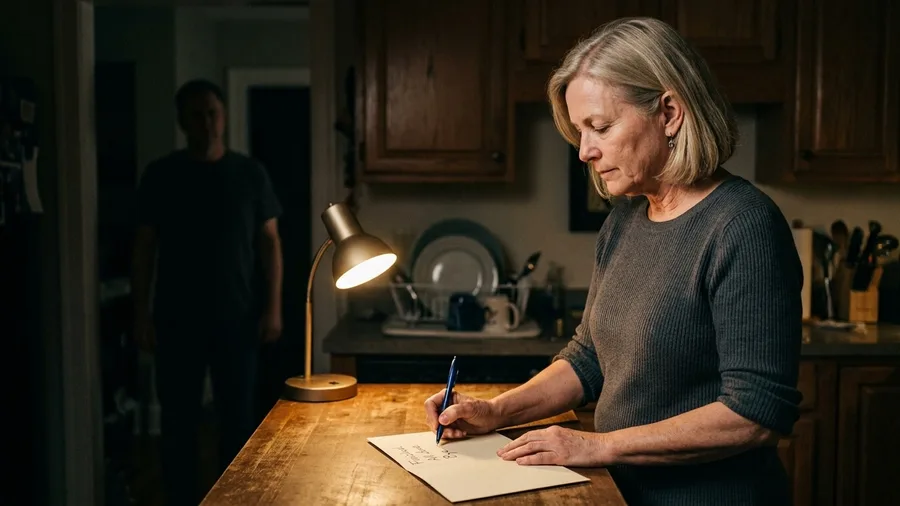
The mechanics of refusing a request become surprisingly simple the moment you strictly remove the apology and eliminate the lengthy, defensive backstory. For most of your life, you probably felt obligated to prove exactly why you were unable to show up, assuming that a thoroughly detailed excuse would soften the blow and spare their feelings.
What you are actually doing is handing the other person raw material to argue with, effectively turning your simple refusal into an opening bid for an exhausting negotiation.
A detailed explanation about your schedule just gives them a logistical problem to creatively troubleshoot. Give them a perfectly flat surface instead. 'I won't be able to make it this week' is a complete sentence that leaves absolutely no room for debate, compromise, or clever rescheduling.
When you stop offering excuses, people initially look confused by the brevity, but they almost never press the issue. You quickly train your social circle to accept your baseline response as a final answer.
The Before-You-Answer Audit
THE ONE DAILY HABIT

How do you override a reflex that has successfully kept the peace for nearly seven decades? You stop answering anything in the exact moment it is asked. Your oldest instinct will always scream at you to say yes just to relieve the immediate awkwardness of a conversation, which means your willpower is completely useless here.
The only workable solution is a mandatory communication delay.
Try this test the next time an email asks for a sudden favor. Ask yourself honestly: am I saying yes because my Thursday afternoon is actually free, or because I cannot stand the thought of them waiting for an answer? If it is the latter, you are just managing their temporary anxiety at your own expense.
By forcing a ten-minute pause before hitting reply, you let that initial panic burn off. That delay lets you decide based entirely on your actual capacity rather than a fear of disappointing someone.
🌱 GROWING TIP
Start With Texts
Text messages are the easiest place to practice setting boundaries because you do not have to manage the other person's facial expressions. Draft the 'no', wait ten minutes, and press send.
Frequently Asked Questions
Do people get angry when you stop accommodating them?
A few people will act surprised or slightly irritated, but genuine anger is rare. If someone becomes actively furious that you set a boundary, they are explicitly confirming why you needed the boundary in the first place.
How do you handle family members who expect an automatic yes?
You change the pattern slowly. Start by refusing small things, like an inconvenient errand, before working up to major holiday demands. Use the exact same script: 'I won't be able to do that today.'
What do you say when someone presses you for a reason?
You repeat the exact same sentence. 'I'm just not available this time' repeated twice usually shuts down any further prying. Never invent a fake excuse; it just gives them something to unravel.
Is it too late to change social habits in your sixties?
It is exactly the right time. You have less energy to waste and fewer years to spend managing other people's minor inconveniences. The transition takes a few weeks, but the peace is permanent.
How do you tell the difference between kindness and people-pleasing?
Kindness happens on your terms and leaves you feeling satisfied. People-pleasing happens out of guilt and leaves you feeling drained, resentful, and anxious about the next request.
The Weight You Leave At The Door
Retiring from the job of managing everyone else's emotions is the most efficient way to reclaim your own life. The momentary discomfort of saying no is a tiny price to pay for a calendar that actually reflects what you want to do.
Your time belongs to you; let them figure out their own afternoon.
Audit Your Next Request
The next time your phone buzzes with a favor, wait ten full minutes before typing your reply.