

Giving up in your late sixties does not just shrink your world; it accelerates physical decline.
The fastest way out is not a lifestyle overhaul.
Fixing the first thirty minutes of your morning gives you the highest return on effort. When you anchor the start of the day, you dictate whether you spend the next twelve hours reacting to your body or actually managing it.
🌱 GROWING TIP
Start At The Bottom
Do not attempt to fix your social life if your morning routine is broken. Rebuild your wake-up schedule first, then move up the hierarchy.
Recognize What Actually Causes The Decline

You are frequently told to listen to your changing body and gracefully let go of tasks that feel difficult. That sounds like practical wisdom, but it is often a quiet instruction to surrender.
While the physical changes of aging are entirely inevitable, the psychological surrender that follows is a choice. Researchers studying longevity keep returning to a core concept called self-efficacy. This is your fundamental belief in your own capacity to influence your environment, rather than sitting back and letting the environment dictate the shape of your day.
When that internal belief drops, your entire world shrinks.
Imagine deciding to let your son handle the grocery run because navigating the aisles feels exhausting. You buy a comfortable afternoon of rest, but over the next six months, you slowly spend your confidence. You eventually stop leaving the house, stop calling your friends, and stop attempting any new tasks that require extra effort.
The habits preventing this creeping isolation have little to do with genetics or luck. They are entirely behavioral. When someone offers to take over a mildly frustrating chore, say, "I will handle this."
The most resilient seniors do not have fewer aches, better joints, or more favorable circumstances than anyone else. They simply practice specific daily routines that force them to remain engaged with the physical world around them. They willingly pay the upfront cost of friction to buy themselves years of continued autonomy and self-respect.
⏱️ Rebuild Your Daily Momentum
Anchor The Morning
Set a fixed wake time to immediately re-establish your circadian rhythm.
Add One Physical Task
Commit to a ten-minute outdoor walk before eating breakfast.
Schedule A Social Touchpoint
Call one family member or friend at the same time every afternoon.
Review The Baseline
Track your completed actions on a notepad before going to sleep.
Anchor Your Physical Reality

Ten seconds is all it takes to answer this honestly: on a day with zero appointments, how many hours pass before you put on your shoes?
If that number is higher than one, your schedule lacks the structure that acts as a first line of defense. The mind cannot stay sharp if the body is allowed to drift aimlessly through the week. Building a rigid physical baseline is the fastest win available.
Before addressing the emotional aspects of aging, people who thrive treat daily routines with the exact same respect they once gave their professional careers. It instantly gives the day a concrete shape.
1. Maintain A Rigid Morning Schedule

Why does having nowhere to be suddenly feel so completely exhausting? The answer usually lies in how you manage your mornings.
The common advice is to enjoy your retirement by waking up whenever you finally feel rested. But researchers who study aging consistently find that this lack of a schedule is a trap that quietly erodes your sense of purpose. When the body has no predictable rhythm, the mind follows right behind it into apathy.
Over a few short months, waking up without a plan turns into watching television until noon. That completely ruins your sleep drive for the following night, guaranteeing you wake up exhausted the next morning.
You need a concrete reason to put your feet on the floor. Set an alarm for the same time every day, get dressed immediately, and put your shoes on. Leave the house for at least ten minutes. Even a short walk to the mailbox signals to your brain that the day has officially started.
💡 Tip: Put your alarm clock across the room so you physically have to stand up to turn it off.
Morning Routine Audit
2. Track Your Weekly Novelty

I used to assume that settling into a completely predictable, unchanging routine was the ultimate reward for decades of hard work. The dangerous misread here is confusing simple comfort with actual preservation. You might believe that avoiding unfamiliar tasks protects your peace, but what a rigidly identical week actually signals is that your world is permanently winding down.
An isolated senior tries zero new things in a typical week.
Think carefully about the exact moment you last did something for the very first time. If your honest answer stretches back more than a month, your daily reality is quietly closing in around you.
Resilient people deliberately force novelty into their weekly schedules because it is the fastest possible win for maintaining mental flexibility. You do not need to book a grand adventure to prove you can adapt. Just take a completely different walking route tomorrow morning, or finally learn how to operate that frustrating new feature on your phone.
High-Friction Novelty Targets
Stop Viewing Every Stiff Joint As The End

Your mindset directly dictates your physical mobility. Aging hands you a continuous stream of minor physical annoyances, slower mornings, and logistical setbacks that you simply have to manage.
The quickest way to shrink your world is to interpret every stiff joint or forgotten noun as undeniable proof that your active life is over. The raw fact is merely an aching knee, but the emotional story you attach to it is what keeps you in the armchair.
The fastest win takes zero physical effort. Separate the biological reality from the internal tragedy, acknowledge the temporary friction, and keep your afternoon plans.
⚠️ COMMON MISTAKE
Don't Cancel Immediately
When you wake up feeling stiff, wait two hours before deciding to cancel your plans. Morning inflammation often subsides once you start moving around the house.
3. Separate The Pain From The Story

You swing your legs out of bed on a Tuesday morning, plant your feet on the floor, and your right knee immediately broadcasts a hot, grinding stiffness. Before you even stand up, the dread arrives: this is only going to get worse, and soon I will not be able to walk down to the mailbox at all.
That second half is the story, not the sensation.
People who study chronic pain consistently find that suffering multiplies when patients attach catastrophic narratives to their symptoms. Two individuals with identical arthritis diagnoses routinely report completely different levels of daily disability.
The difference lies entirely in how they frame the physical friction. Resilient individuals strip the panic out of the sensation and stop the narrative before it cancels their afternoon plans. When the flare-up happens, say the plain truth out loud: "My knee is tight today, but it is just the usual noise, and I am still making breakfast."
Separating the actual sensory data from your emotional reaction prevents a rough morning from ruining an entire Tuesday. You completely control the narrative you attach to the physical ache.
The only exception is when the pain is sudden, sharp, and completely foreign compared to your usual baseline. That is an acute mechanical signal requiring a doctor, not a story to be edited. But if you are dealing with the familiar chronic ache you know well, acknowledge the reality, drop the tragic long-term forecast, and go start your morning.
Aging and Capability
4. Accept Help Without Conceding Independence
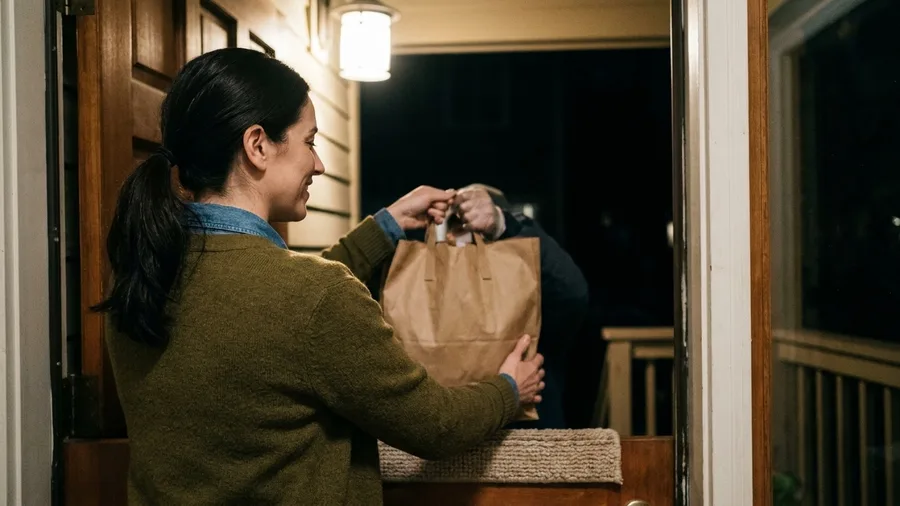
You spend the first forty minutes of your daughter's visit quietly nursing a radiating ache in your shoulder because you stubbornly insisted on hauling the heavy bags of garden soil from the trunk yourself. The immediate cost of proving you do not need practical assistance is exactly the energy you wanted to spend enjoying the afternoon.
They are not issuing a verdict on your competence.
I used to assume that accepting a hand with night driving or groceries meant I was failing. It is actually how you preserve stamina. Let them carry the boxes so you can carry the conversation.
The Energy Trade-Off
🔋 Resource
Daily Energy Limit
🛒 Heavy Task
Grocery Hauling
🗣️ High Value
Family Dinner
The Rule
Delegate the manual labor to save your battery for the social connection.
5. Drop The Apologies For Slower Paces

"I am so sorry I am taking so long." It is the automatic reflex when you are holding up the checkout line or navigating the restaurant stairs while someone waits behind you. Common courtesy dictates that you should apologize for the delay, but that polite instinct is exactly what works against you.
Every time you apologize for your natural physical baseline, you train your brain to view your body as a public inconvenience. You are not just being polite. You are actively rehearsing shame.
That accumulating shame is what eventually convinces you to decline invitations and stay home. The fastest way out of this trap is a tiny verbal pivot. Stop apologizing and start thanking people instead. When you finally reach the table, just look up and say, "Thank you for your patience."
That single phrase entirely removes the guilt from the interaction. It stops making your pace a problem to be solved, and keeps you focused on actually participating in the day.
Expand The Social Perimeter

How does a busy life suddenly become so painfully quiet?
Isolation is rarely an overnight event. It is a slow retreat built on hundreds of tiny decisions to stay home because going out feels like too much effort. Your social circle naturally shrinks as friends relocate or pass on, which means you must actively recruit new connections by treating your calendar like a garden needing constant planting.
The fastest win is extending a low-stakes invitation. Try saying, "I am putting coffee on at ten tomorrow, and you should come over." Name the time, drop the pressure, and see who shows up.
6. Quit The Activities That Only Cause Frustration

"I used to be able to do this with one hand." You are standing in the garden holding heavy pruning shears, staring at a thick branch you used to snap effortlessly, feeling nothing but a hot wave of anger because your grip strength has faded. The usual advice is to simply push through the daily frustration.
But treating a physical limitation as an enemy turns your own backyard into a miserable battleground. Resisting reality in this way only burns through the limited daily energy you have available.
If a once-loved physical hobby now consistently brings you significantly more resentment than genuine joy, walking away from the equipment is not a tragic white flag of surrender. It is a highly strategic retreat that actively frees up your schedule to find something new you can actually enjoy without constantly fighting your own hands.
Give yourself complete permission to mourn the loss of the old hobby, then immediately pivot. Replace the heavy ground-level landscaping with waist-high raised beds, or find a completely different outdoor outlet entirely.
💡 Tip: Sell or donate the equipment from your old hobby immediately so it stops taunting you from the garage.
7. Initiate The Phone Calls

Four silent hours on Sunday easily become a verdict.
You treat the empty phone as a silent test of affection, assuming that if your adult children really cared, they would find ten minutes to check in. That is a painful misread. They are not deliberately withholding love while you wait. They are simply drowning in the daily chaos of managing their own busy households.
Resilient people refuse to build a fortress of isolation out of unmade calls. Pick up the receiver yourself, make the outreach a scheduled weekly habit, and stop quietly gathering evidence for your own resentment.
Assess Your Current Baseline
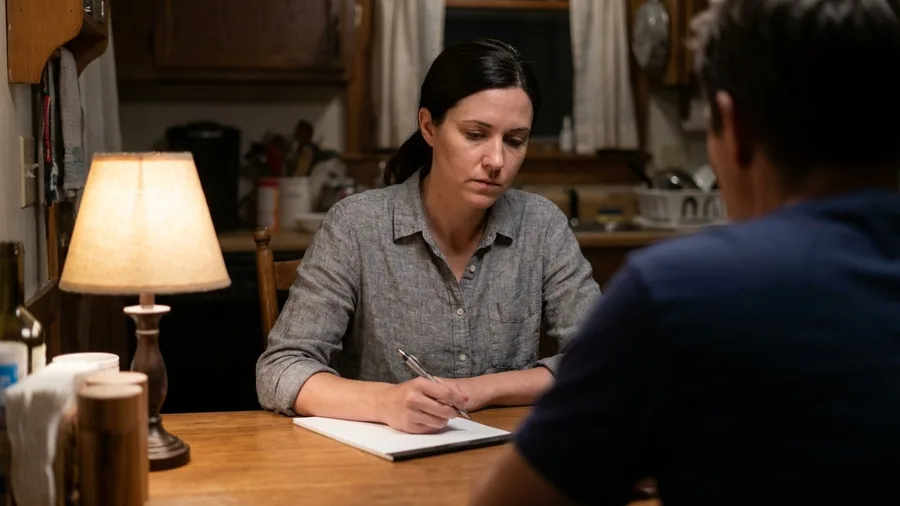
The hidden cost of a massive lifestyle overhaul is total demoralization.
Jumping into an entirely new daily routine usually buys you about forty-eight hours of exhausting effort before you inevitably slide right back into your familiar chair. When that sudden, massive shift fails, you accidentally convince yourself that your energy is permanently gone and that further physical decline is simply inevitable.
Before you attempt to fix a single behavior, you have to sit down with a pen and a blank piece of paper. You must uncover the exact baseline you are operating from today.
Write down exactly how many times you actually left the house last week, tally every single phone call you initiated, and record your exact morning wake-up times. The plain numbers do not lie. If the data shows your daily world is slowly collapsing, do not panic about fixing it today. Reframe those cold metrics strictly as a starting line.
Frequently Asked Questions
How do I rebuild stamina if I haven't exercised in years?
Start with five minutes of walking per day, entirely on flat ground. Your goal in the first month is simply to build the habit of leaving the house, not to break a sweat.
What if my spouse has already given up and refuses to leave the house?
You must establish your own routine independent of them. Waiting for an unmotivated partner to join you guarantees that you both stay isolated, so start taking your morning walks alone.
How do I make friends after moving to a new city at seventy?
Find groups organized around a specific, repeated activity like a library book club or a community garden. Shared tasks bypass the awkwardness of small talk and build familiarity naturally over time.
Is it normal to feel angry about sudden physical limitations?
Yes, grief over lost physical capacity is completely expected. The problem only starts when you let that anger become the excuse to stop participating in life altogether.
Claim Your Next Twenty Four Hours
You cannot reverse the calendar, but you have absolute control over how you spend tomorrow morning.
The habits that keep you engaged are small.
Setting an alarm, making one phone call, and refusing to apologize for your pace are tiny behavioral pivots that completely change your trajectory over time. Pick just one of those actions to execute this week, and watch how quickly your momentum returns.
Run Your Baseline Check
Take five minutes to review your numbers from last week and pick one habit to start tomorrow.