
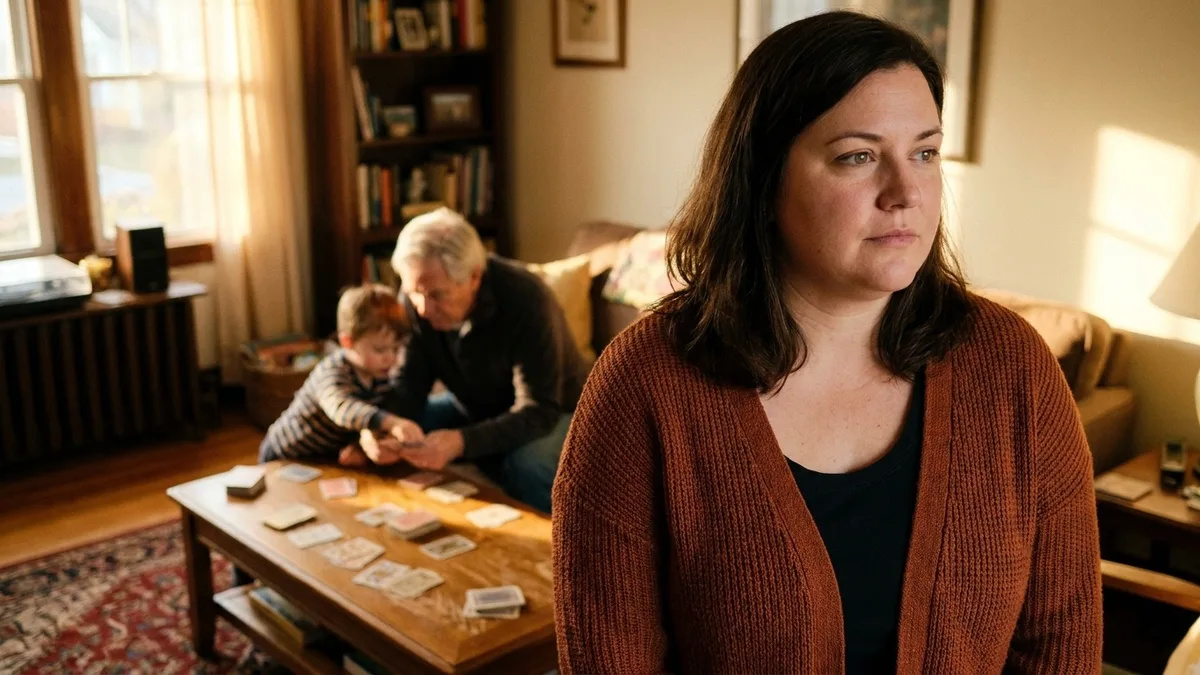
You might only see them for a few scattered hours a month, but the memories you cement in that window will outlast you by fifty years.
The math of this relationship is strange.
You spend a fraction of the time with them that their parents do, yet your emotional footprint in their minds is completely outsized.
The fastest way to build that lasting connection is not by buying the largest gifts or planning elaborate cross-country trips. It is found entirely in the quiet, repetitive rhythms you establish with them in your own living room when nobody else is watching.
💡 PRO TIP
Document the Mundane
Stop taking posed photos. Take pictures of their shoes by your door, the messy kitchen counter after breakfast, or the half-finished puzzle. Those are the environmental details they will want to remember.
Why do some childhood memories stick while others fade away entirely?
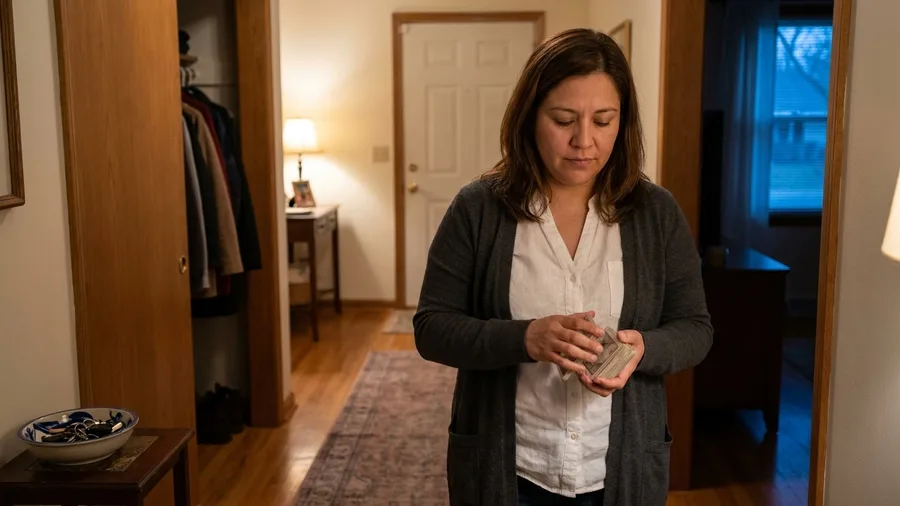
I spent the first few years as a grandparent trying to engineer perfect memories, completely convinced that buying tickets to exhausting spectacles would cement my place in their minds. The obvious assumption is that you have to make every single visit a massive event, but researchers who study childhood development keep finding the exact opposite.
Kids rarely encode the grand spectacles we assume they will love. A sprawling trip to a crowded theme park almost always blurs into a noisy, exhausting haze by the time they grow up.
Meanwhile, the specific smell of your hallway closet or the exact way you shuffle a deck of cards remains incredibly vivid four decades later.
The difference comes down to safety and repetition.
When a child feels entirely unjudged in a physical space, their brain stops scanning the room for rules or social threats and simply starts recording the environment deeply. You are not just a relative to them anymore. You become a reliable sanctuary from the daily friction and schedule of their own household.
0. Letting them be completely bored in your house
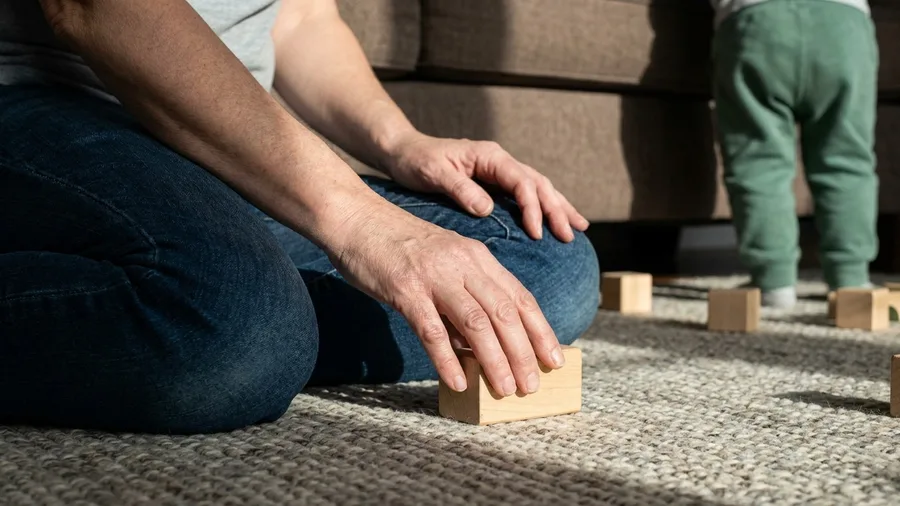
Leaving a visiting grandchild with absolutely nothing to do is an essential move. I used to pack every weekend visit with zoo trips and baking projects, absolutely terrified of dead air and silence.
The exhaustion was entirely self-inflicted. Kids today are programmed down to the minute with sports and strict screen limits, making an empty house the rare exception where offering zero entertainment is perfectly fine. When they find absolutely nothing on your agenda, that initial restlessness becomes deep, imaginative play.
Let them sit on the rug until they invent a game.
⚠️ COMMON MISTAKE
The Entertainment Trap
Trying to compete with screens by acting as a cruise director only teaches them to expect a show. Letting them figure out how to entertain themselves builds a quieter, more authentic connection.
0. Breaking the household rules in a predictable way
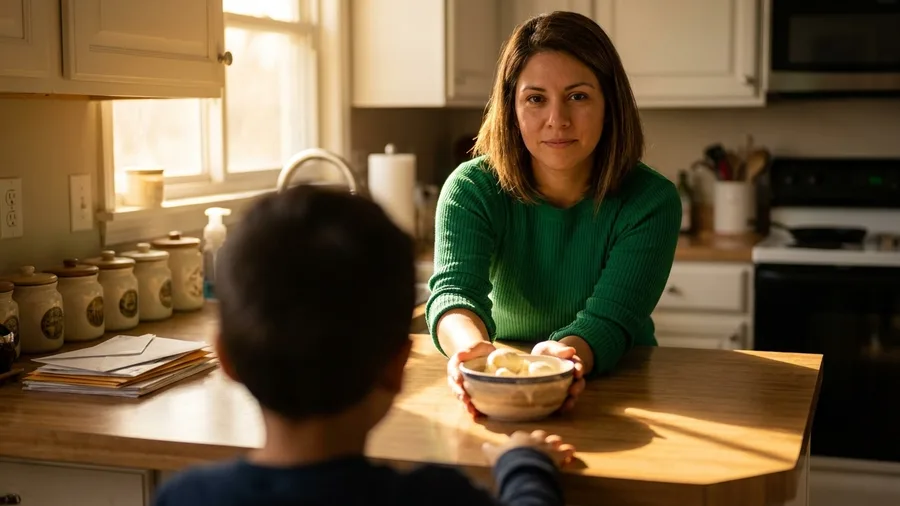
Are you secretly undermining their parents when you hand out ice cream before dinner? The short answer is no, provided you do it deliberately. Parents must enforce a rigid daily structure just to keep their household running smoothly from morning until night. Your job is to offer a safe, carefully managed rebellion against that exact structure.
The trick to making this work without causing real friction is total consistency. A random rule break is just chaos, but a scheduled one is a tradition.
If they know that Friday nights at your place always involve staying up an hour past bedtime to watch a terrible movie, they know exactly what to expect. It becomes a highly anticipated, reliable ritual they look forward to all week.
You are simply creating a distinct, localized ecosystem. When the rules bend predictably here, children learn contextual behavior, realizing that these relaxed boundaries exist exclusively within your walls.
Anatomy of a Perfect Rule Break
⏱️ Frequency
Once per visit
🛡️ Safety Level
Harmless fun
🏠 Boundary
Only at your house
The Goal
Provide a small, predictable escape from their daily household pressures.
0. Becoming the vault for their small secrets
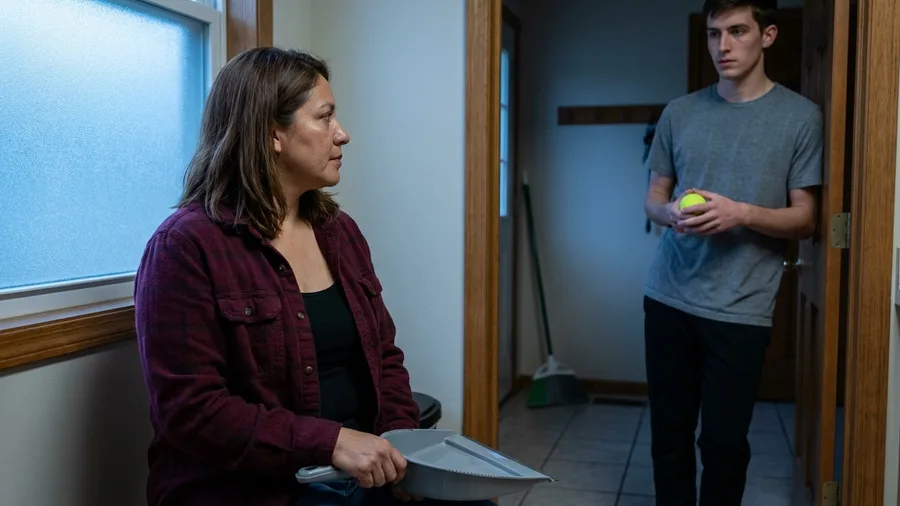
You hear the unmistakable, muffled shatter of glass from the back garage, followed by the heavy, terrified silence of an eight-year-old who knows they just made a terrible mistake. A long moment later, they appear in the kitchen doorway, clutching a rogue tennis ball and waiting for the inevitable explosion.
The immediate instinct is to step straight back into the familiar role of the enforcer. You assume that lecturing them on indoor sports and immediately phoning their parents proves you take the damage seriously.
That is a massive misread of what the child is actually testing in that room. When you instantly flip into disciplinary mode and report a harmless accident to their parents, you signal that you are merely an extension of everyday household management. You trade a rare opportunity for deep connection just to deliver a behavioral lesson they already understand.
They wanted a sanctuary, but you acted like a warden.
Children desperately need at least one adult in their lives who will sit quietly and hear the entire frantic story from start to finish without panicking or handing down an immediate, harsh verdict.
When they confess, just nod. Say, Go grab the dustpan so we can sweep this up, and then leave the incident completely out of the evening conversation. Keeping these small secrets between you builds an unbreakable foundation of trust, cementing your status as their safest sounding board for the rest of their lives.
💡 Tip: Never use a shared secret against them in a later argument.
Secrets to Keep in the Vault
0. Passing down objects that have no monetary value
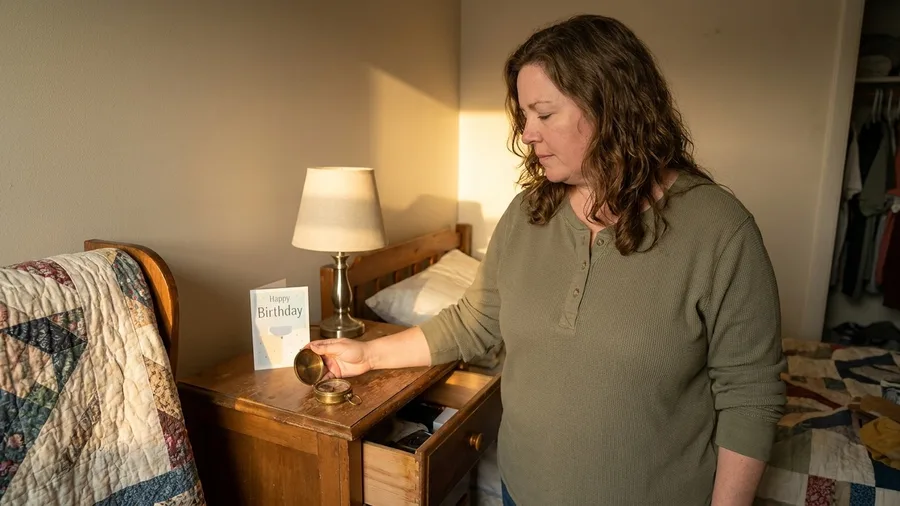
"I just never know what to buy them anymore." You slip a twenty-dollar bill into a generic birthday card, knowing the cash will inevitably disappear by Tuesday afternoon and the card will be recycled.
Researchers studying family memory consistently find that children attach the most lasting emotional weight to objects with absolutely zero market value. We often assume they want the newest expensive toy, but what they actually crave is a physical piece of your personal history.
Hand them your scuffed old compass and explain where it traveled. That story transforms a mundane item into a rare artifact they will keep in a bedside drawer as a tangible anchor.
The Value Gap in Gifting
Artifacts (Keep Forever)
- Old pocket watches
- Handwritten recipes
- Worn hand tools
- Costume jewelry with a story
Commodities (Forgotten Quickly)
- Trending plastic toys
- Generic gift cards
- Expensive video games
- Cash in a standard envelope
0. Telling the unvarnished family history
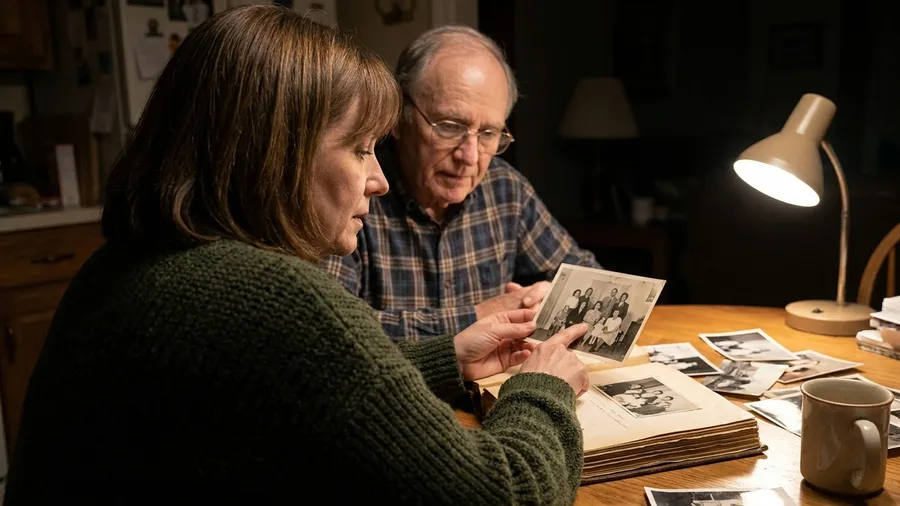
The common wisdom suggests passing down a proud, flawless family legacy to inspire the next generation. In reality, sanitizing your history deprives a child of the exact tool they need to survive growing up.
Ask yourself an honest question about your anecdotes: do the people in your family always win, or do they occasionally fail spectacularly? If you only share the triumphs, you quietly set an impossible expectation of perfection that ignores who their parents were before they became strict authority figures.
Kids are intensely curious about those messy years, which is exactly why they will beg to hear about the specific time their dad got in trouble.
Sharing the genuinely burnt Thanksgiving dinners, the failed road trips, and the objectively bad haircuts proves their family line is built on recovering from mistakes rather than avoiding them. Researchers studying family narratives consistently find this unvarnished truth builds higher resilience, and hearing it from the ultimate historian grounds them in reality.
The Role Model Myth
0. Carving out a physical space that belongs only to them
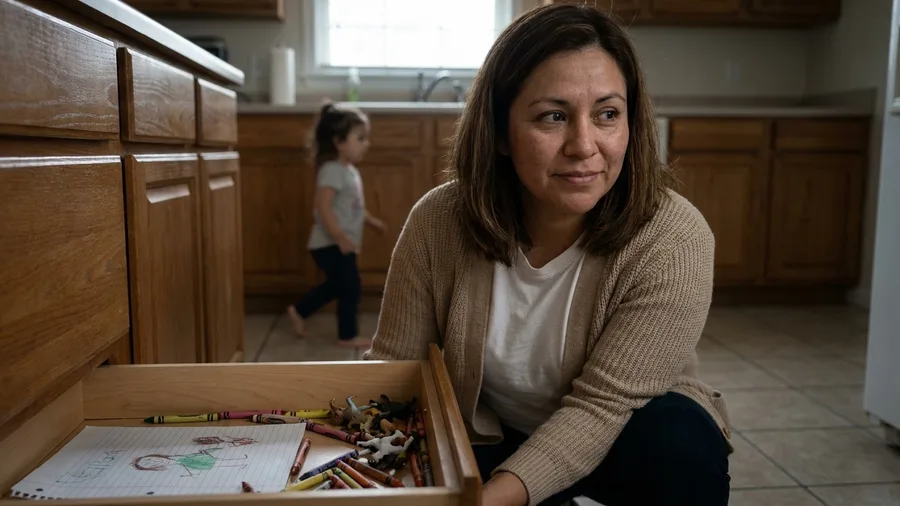
Three weeks have passed since their last visit, but the half-finished drawing is exactly where they left it on the bottom shelf. It has not been tidied away, moved, or stacked under mail.
We are often told to build magical, elaborate playrooms, but a single dedicated kitchen drawer achieves the exact same psychological effect. If they can leave an item and find it completely untouched later, that visual consistency proves they have a permanent footprint in your life. It offers deep, unspoken comfort during chaotic school weeks.
That one small corner becomes their true safe harbor.
The Permanence Test
0. Teaching them one entirely useless, analog skill
If you only ever interact with them through casual conversation, new toys, or shared entertainment, you are directly competing with the loudest, most saturated parts of their modern world. The movies you watch together quickly fade, the daily questions about school blur into background noise, and eventually the screens win the battle for their attention entirely.
You avoid that fate by entirely bypassing their verbal brain.
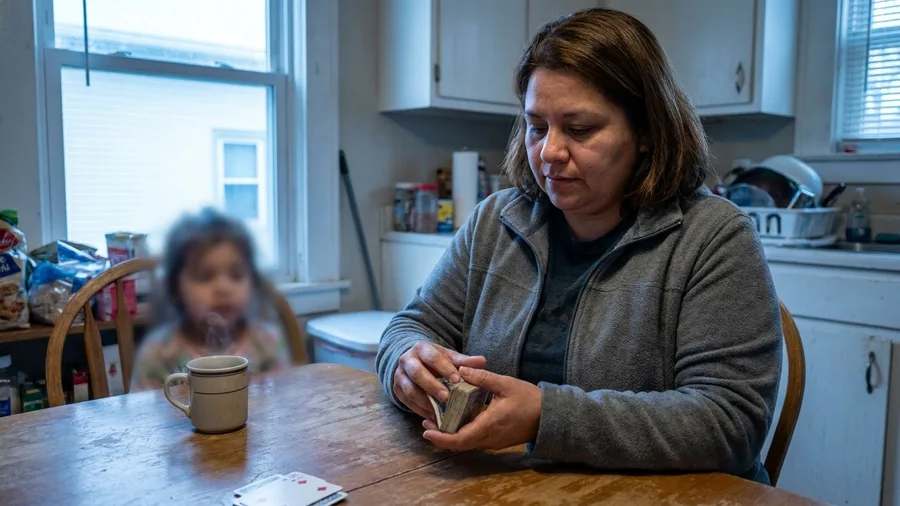
It takes exactly twenty minutes to teach a restless seven-year-old how to properly shuffle a standard deck of cards. They sit closely beside you at the quiet kitchen table, repeatedly dropping half the deck onto the floor, while you patiently scoop the scattered cards up and physically demonstrate the bridge grip just one more time.
The room smells heavily of hot coffee and afternoon rain. You slide the pile back and say, watch my hands, put your thumbs exactly here, bend the stiff edges back, and let them fall.
The specific trick itself matters very little, whether it is skipping a flat stone across a freezing pond, whittling a small stick on the porch, or simply sewing a loose button. These analog skills demand a slow, agonizing learning curve that strictly forces both of you to sit in quiet proximity without anybody checking a phone.
That shared frustration and sudden, quiet triumph permanently bonds the memory of the awkward physical skill to your presence. Every time their hands perform that precise motion decades later, your face will immediately appear.
0. Letting them see you apologize when you mess up

"I was exhausted and I snapped at you, and that was unfair. I am sorry." Saying that violates the oldest unwritten rule of traditional family authority.
Pretending you never misstep is a quiet but expensive trap. The long-term cost of acting like you always know exactly how to handle things is that they eventually stop telling you when they feel lost themselves. We assume that admitting a mistake out loud destroys respect, but the reality runs in the exact opposite direction.
An honest, unvarnished apology builds instant equity in the room.
When you sincerely own your tone without attaching a single defensive excuse, you are handing them a working masterclass in accountability. They will remember how you handled the failure far longer than the mistake itself, and that quiet memory becomes the exact blueprint for how they repair their own broken moments years down the line.
How do I figure out my own signature memory?
The quickest way to make a grandchild pull away is to perform a cinematic version of the role that you secretly resent. Children always spot faked enthusiasm, and the interaction becomes a chore for everyone.
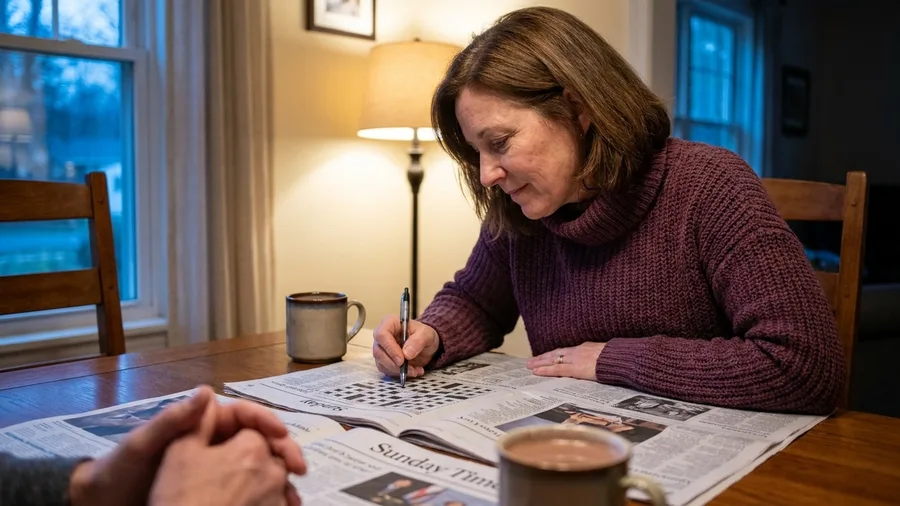
The goal is to find where your genuine personal interests overlap directly with their natural curiosity. If you love your quiet Sunday mornings, hand them the comics and a mug of hot chocolate. Try saying, "I am going to read the news right here, and you can read this part next to me. Tell me if you find a funny one."
Authenticity leaves a much deeper mark than any plastic toy.
Frequently Asked Questions
How do I create these memories if we live in different states?
Remote connection relies on extreme predictability. Call at the exact same time every Sunday, ask the exact same opening question, and keep the calls short. The reliability matters far more than the duration.
What if my grandchild is currently a difficult, distant teenager?
Teenagers crave low-stakes interactions with zero eye contact. Sit in the car with them, watch a movie without talking, or cook side-by-side. Stop asking them probing questions and just let them occupy your space safely.
Do I need to spend a lot of money to be a memorable grandparent?
Absolutely not. Psychological studies repeatedly show that children attach the highest emotional resonance to routines and physical environments, not commodities. Your time and undivided attention are literally priceless.
What if the parents strongly disagree with my relaxed rules?
Always respect their core safety rules and deeply held values. The goal is to bend the minor operational rules—like bedtime limits or dessert timing—not to sabotage their fundamental parenting philosophy.
Why You Do Not Need To Check Every Box Today
You cannot force a lasting memory into existence through sheer effort.
If you try to implement all of these changes by this weekend, the interaction will feel artificial and strained. Kids respond to steady, calm presence above all else.
Pick one small change.
Clear a single drawer for their things, or decide on one terrible joke you will tell every time they walk through the door. The foundation of being remembered forever is simply showing up exactly as you are, over and over again.
Start Your Signature Ritual
Pick one small analog skill you want to pass down, and spend ten minutes teaching it during your next visit.