
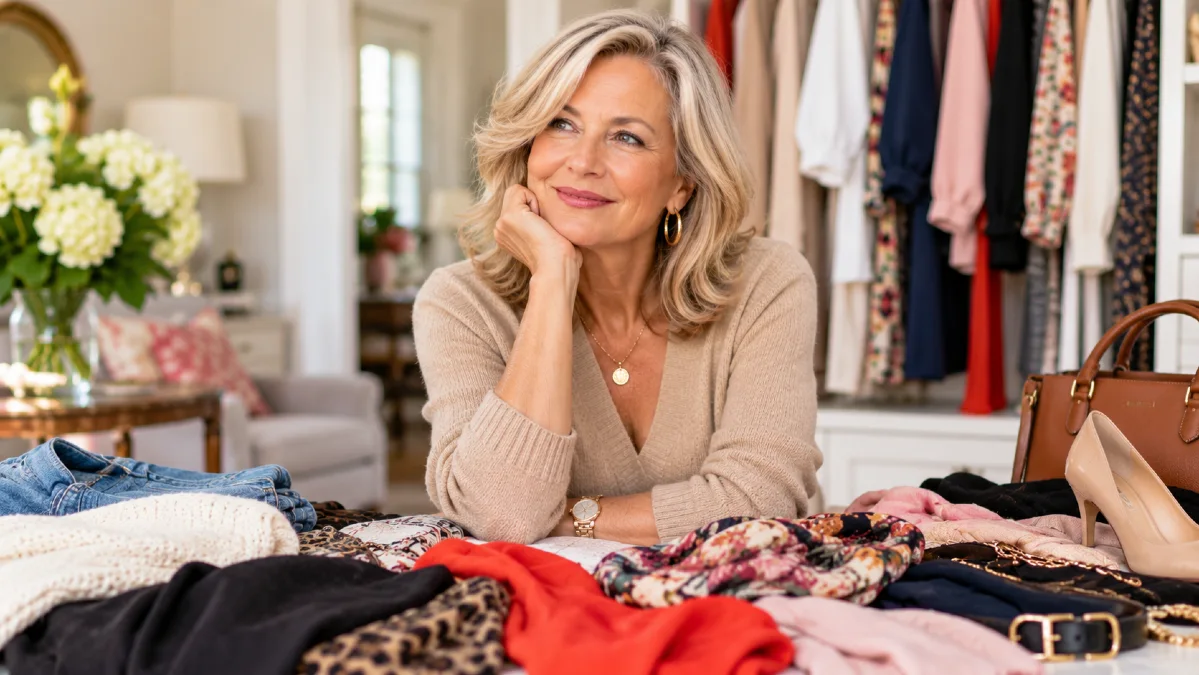
Some clothes can make an outfit look older than it needs to, even when every piece is expensive or well made. For women over 50, the problem is often not the clothing itself but how it fits, hangs, or works with the rest of the outfit.
A favorite blouse may suddenly feel too boxy. Comfortable trousers might look shapeless, while shoes that once seemed stylish now make an outfit feel dated.
The good news is that dressing over 50 does not mean giving up favorite colors, jeans, or current trends. Small changes in fit, fabric, and proportion can make a surprising difference.
Here are the common style mistakes worth reconsidering, along with practical ways to fix them without replacing your entire wardrobe.
Clothes That Are Too Loose or Too Tight Can Throw Off Your Shape
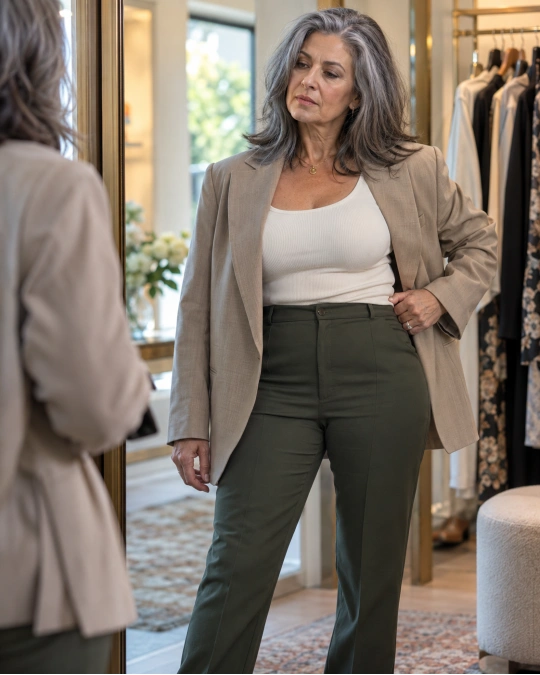
One of the most common style mistakes is choosing clothes based only on size rather than how they sit on the body. An oversized blouse can look wonderful, but pairing it with equally loose trousers may hide the shape of the outfit.
Clothes that pull tightly across the bust, hips, or stomach create a different problem. Fabric begins to bunch, buttons strain, and the outfit can look uncomfortable even when the colors work beautifully together.
The goal is not to wear fitted clothing from head to toe. It is to create enough shape that the outfit looks intentional rather than accidental.
For example, wide-leg trousers often work beautifully with a slightly fitted knit or a shirt tucked loosely at the front. A relaxed sweater can look equally polished with straight-leg jeans that follow the natural line of the legs.
𝐅𝐢𝐭 𝐧𝐨𝐭𝐞: Check where your clothing starts to pull or collapse when you sit, stand, and walk. Those small signs often reveal more about the fit than the size printed on the label.
Simple tailoring can also make a difference. Shortening sleeves, adjusting a waistband, or correcting a trouser hem may help an older garment look much more current.
Outdated Tops and Heavy Layers Can Make an Outfit Look Frumpy
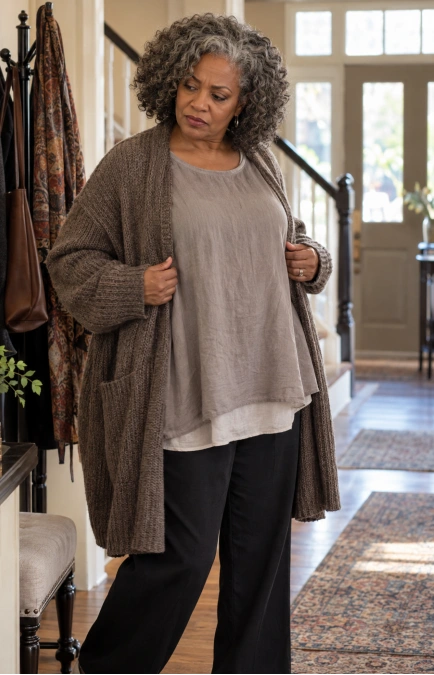
Long, shapeless tunics, stiff cardigans, and oversized tops are not automatically unflattering. Problems usually begin when several bulky pieces are worn together without a clear shape.
A long cardigan over an equally long blouse can make the torso appear visually heavy. Add wide trousers and chunky shoes, and the entire outfit may lose its natural balance.
A better approach is to vary the lengths and volumes of your clothing. A hip-length jacket over a simple top can create definition, while an open cardigan reveals the outfit underneath.
Pay attention to where your tops end, too. A hem that falls at the widest part of the hips can sometimes create an unwanted horizontal line, particularly when the fabric is stiff.
Here are a few changes that can help you decide what to keep and what to restyle.
| Instead of This | Try This |
|---|---|
| Long, boxy tunic with loose trousers | Relaxed blouse with straight-leg pants |
| Thick cardigan over a bulky sweater | Fine-knit cardigan over a smooth top |
| Oversized shirt worn completely untucked | Soft front tuck or a shorter shirt |
| Stiff blazer with heavy shoulder padding | Lightly structured blazer with a natural shoulder |
| Long top that hides the whole waistband | A top ending near the hip or a gentle tuck |
These are styling options rather than rules. If you love a longer tunic, try pairing it with slimmer trousers and a neat shoe to create contrast.
𝐏𝐫𝐨𝐩𝐨𝐫𝐭𝐢𝐨𝐧 𝐭𝐢𝐩: Before leaving home, look at the full outfit in a mirror. If everything looks equally wide, change just one piece to give the look more shape.
Denim and Trouser Styles That Make Your Legs Look Shorter
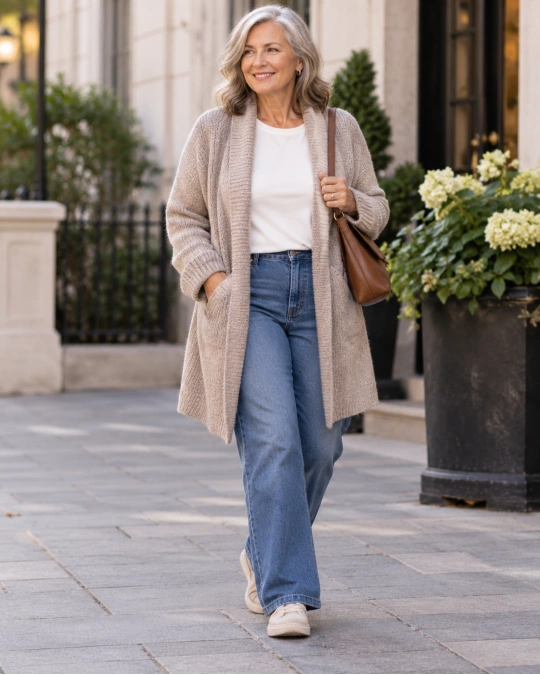
Jeans are among the most useful wardrobe essentials for women over 50. Still, an outdated cut or an awkward hem can make otherwise attractive clothing look less polished.
The biggest issue is often where the trousers meet the shoes. Extra fabric gathering around the ankles can create a heavy look, especially with flat shoes or ankle boots.
Very low-rise jeans may also require constant adjusting, while extremely tight denim can restrict movement. Neither problem has anything to do with age; it simply makes getting dressed less comfortable.
Instead of following one denim trend, pay attention to these details:
- Straight-leg jeans: Look for a clean line from the hip to the ankle without pulling around the knees.
- Wide-leg trousers: Choose fabric with enough weight to fall smoothly, then check the hem with your usual shoes.
- Bootcut jeans: A subtle flare can work nicely with ankle boots or shoes that have a little height.
- Cropped trousers: Make sure the hem ends at a deliberate point rather than stopping awkwardly against the shoe.
- High-rise jeans: Choose a waistband that feels comfortable when seated, not just when standing.
A dark indigo or medium-blue wash is easy to combine with knitwear, jackets, and shirts. Black, cream, and white denim can also create stylish outfits for women over 50 without looking overly formal.
𝐒𝐡𝐨𝐞 𝐬𝐰𝐚𝐩: Try the same jeans with sleek loafers instead of bulky walking shoes. The change in footwear may be enough to make the outfit feel more balanced.
Thin Fabrics, Harsh Colors, and Busy Prints Can Distract From Your Face
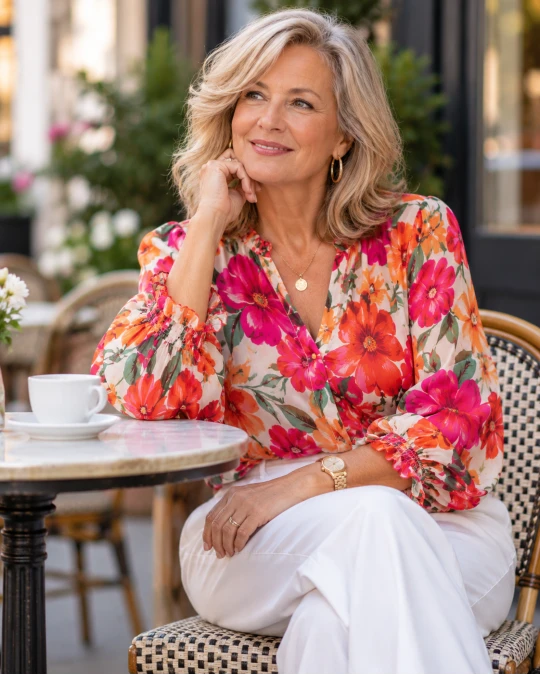
Fabric quality often makes a bigger difference than the brand or price tag. A well-cut blouse in a smooth, medium-weight fabric can look more polished than a costly top that clings or wrinkles badly.
Thin jersey sometimes reveals every seam underneath. Very shiny polyester can reflect light unevenly, while stiff fabric may stand away from the body instead of moving naturally.
That does not mean synthetic fabrics or lightweight tops should disappear from your wardrobe. The useful question is whether the material supports the shape of the garment.
Here is a simple fabric guide to use when shopping or reviewing clothes you already own.
| Fabric or Finish | What to Look For |
|---|---|
| Thin jersey | Enough weight to drape smoothly without becoming sheer |
| Cotton poplin | A soft finish that holds shape without looking stiff |
| Fine-gauge knit | Smooth texture that layers neatly under jackets |
| Ponte knit | Gentle structure and stretch for comfortable trousers |
| Linen blend | Breathable fabric with a softer drape and manageable wrinkles |
| Satin or shiny fabric | A restrained sheen that does not dominate the outfit |
Color deserves the same attention. Wearing black from head to toe can look striking, but it may also feel flat when every piece has the same finish and texture.
If black feels too strong near your face, try navy, charcoal, chocolate brown, or a softer neutral. You can also keep your black trousers and add a blouse in a color that makes your complexion look fresh.
Busy prints can present another challenge. Large patterns, contrasting colors, and several decorative details may compete with the person wearing them.
You do not need to stop wearing florals, animal prints, or bold colors. Try making one patterned piece the focus and keeping the rest of the outfit simple.
𝐂𝐨𝐥𝐨𝐫 𝐧𝐨𝐭𝐞: Hold a top near your face in natural daylight. Notice whether the color makes your eyes stand out or creates shadows you would rather soften.
Shoes, Handbags, and Jewelry That Can Date an Otherwise Modern Outfit
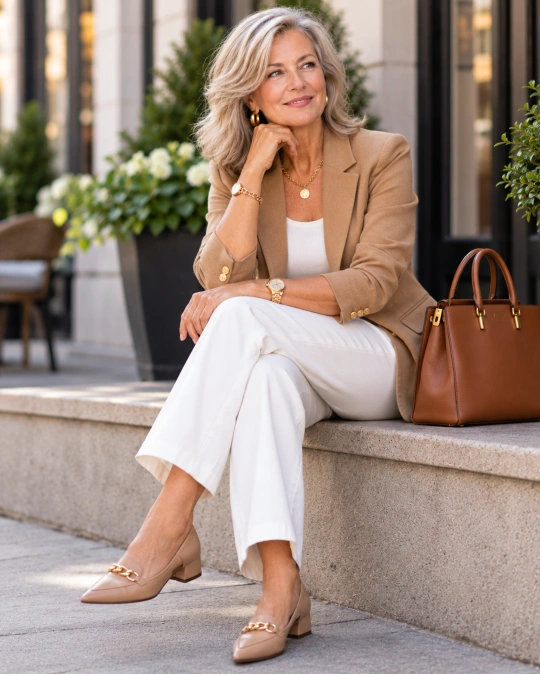
Accessories are often the last things women think about when updating their wardrobes. Yet shoes, bags, and jewelry can change how an entire outfit feels.
Consider a neat pair of trousers, a soft white shirt, and a classic jacket. With clean leather sneakers, the outfit looks relaxed and modern; with elegant loafers, it becomes suitable for lunch or the office.
Neither choice requires an uncomfortable heel. Comfortable footwear can look sharp when the shape is neat, the material is in good condition, and the shoe works with the trouser hem.
Heavy shoes are not necessarily a mistake, either. Chunky loafers or sneakers can look intentional when balanced with the right clothing, rather than simply added to every outfit.
Handbags have a similar effect. A bag with peeling edges, broken hardware, or a tired shape can make well-kept clothing look less finished.
A simple structured tote, a soft leather shoulder bag, or a compact crossbody may be easier to style across several everyday outfits.
Jewelry is where a little editing often works best. Large earrings, a bold necklace, a statement belt, and a decorated handbag can compete when worn together.
Try giving one accessory the main role. A striking necklace can look beautiful with small earrings, while bold earrings may need nothing more than a simple ring.
𝐁𝐮𝐝𝐠𝐞𝐭 𝐬𝐰𝐚𝐩: Clean your favorite shoes, remove worn accessories, and polish handbag hardware before shopping for replacements. Good care can make familiar pieces feel more refined.
Dressing Too Safely Can Be Just as Limiting as Following Every Trend
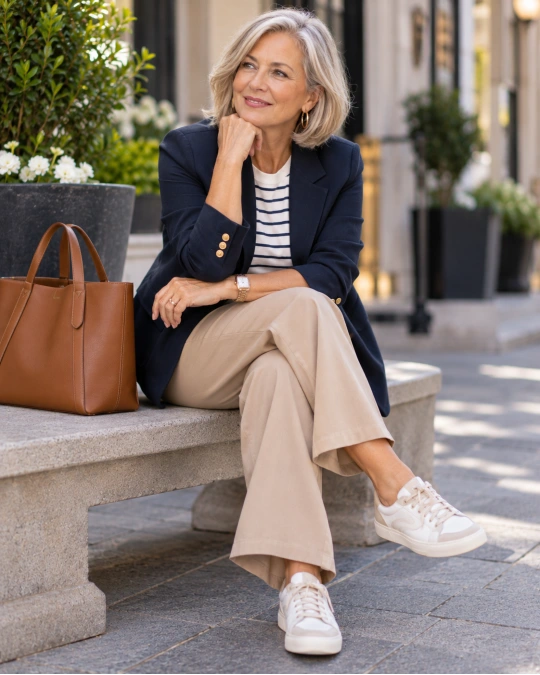
Many women reach a point where their wardrobes become filled with clothes that are practical but no longer feel exciting. They choose the same loose tops, dark trousers, and familiar cardigans because those combinations feel safe.
There is nothing wrong with having a personal uniform. The problem appears when every outfit feels identical, even on days when you want to look a little more special.
At the other extreme, copying every new trend can make getting dressed frustrating. A fashionable piece may look wonderful online but feel completely wrong for your lifestyle.
A useful middle ground is to keep reliable basics and introduce modern details selectively.
Try these small changes:
- Replace an old, stretched T-shirt with a better-fitting cotton tee.
- Wear a modern cropped jacket with the jeans you already love.
- Add a fine-knit polo or textured sweater instead of another plain top.
- Choose one current accessory, such as a leather belt or contemporary sunglasses.
- Combine a relaxed garment with one structured piece rather than making everything fitted or oversized.
This approach is especially helpful when building a capsule wardrobe over 50. You can keep most of your favorite pieces and change how you combine them.
Comfort should remain part of the decision. Clothing that requires constant pulling, adjusting, or worrying rarely feels as good as clothing that moves easily with you.
A Simple Outfit Formula That Makes Your Wardrobe Look More Current
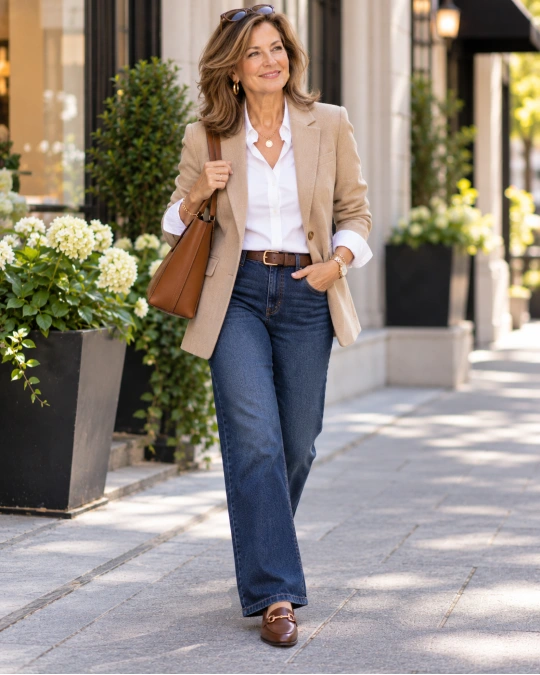
Updating your style does not require a shopping trip. Often, the quickest improvement comes from creating better combinations with clothes you already own.
Start with three parts: a reliable base, one piece that adds shape, and a finishing detail. The base provides comfort, the second piece creates balance, and the third gives the outfit personality.
Formula: Well-fitting base + structured or contrasting layer + polished shoes or accessory.
This works for casual afternoons, workdays, and dinner plans because the pieces can change without losing the overall balance.
Here are four easy combinations to try.
| Occasion | Outfit Formula | Why It Works |
|---|---|---|
| Casual errands | Straight-leg jeans + fine-knit sweater + clean sneakers | Comfortable pieces with a neat shape |
| Lunch with friends | Wide-leg trousers + tucked blouse + loafers | Balanced proportions without feeling formal |
| Work or meetings | Tailored pants + simple knit + relaxed blazer | Structure creates a polished finish |
| Dinner out | Midi skirt + fitted knit + ankle boots | A soft silhouette with a defined shape |
Before deciding an outfit does not work, try a small adjustment. Roll the sleeves, change the shoes, tuck the top differently, or remove an accessory.
You may discover that the clothing was never the problem. It simply needed a better combination.
For a quick wardrobe check, ask yourself three questions: Does everything fit comfortably? Can I see a clear shape in the outfit? Is there one detail that makes it feel like my personal style?
Those questions are more useful than deciding certain clothing is off-limits because of your age.
Frequently Asked Questions
What clothes should women over 50 avoid wearing?
There is no single type of clothing women over 50 need to avoid. It is more useful to reconsider garments that fit poorly, feel uncomfortable, or no longer reflect your personal style. Very stiff fabrics, awkward hems, and worn accessories are good places to start.
Can women over 50 still wear skinny jeans?
Yes, skinny jeans can still look stylish after 50. Choose a pair that fits comfortably without pulling or restricting movement, then balance the slim shape with a relaxed sweater, longer shirt, or structured jacket. Straight-leg jeans are another option if you want a different silhouette.
Does wearing black make you look older?
Black does not automatically make anyone look older, and it remains a classic wardrobe color. However, some people prefer softer shades near their faces because strong black creates more contrast. Try navy, charcoal, cream, or rich brown and see which colors you enjoy wearing most.
How can I look stylish after 50 without buying new clothes?
Begin by changing how you combine the pieces you already own. Adjust hems, try different tucks, clean your shoes, and pair loose clothing with more structured items. Removing one unnecessary accessory can also make an outfit look more intentional.
What is the biggest fashion mistake women make after 50?
One common mistake is assuming personal style must become more limited with age. This can lead to buying clothes for the sake of hiding the body rather than choosing pieces that feel comfortable and look good. Better fit, thoughtful proportions, and a few modern details usually matter more than strict fashion rules.