

Ten minutes. That is the length of the weekly review that keeps a promise alive past the month you made it, and it is the part almost nobody budgets for.
You know the contrast already. Your own follow-through has gone patchy somewhere along the way, and you can name an older relative who has never once broken a promise – the uncle who said he would be at the graduation and was, the neighbour who watered the plants every day without a reminder. What looks like a different kind of person is usually the same kind, running smaller promises that are dated, written down, attached to a named person, and repaired early when they slip. None of that is character handed out at birth. It is ten small mechanics, and they can be lifted one at a time.
By the end you should be able to pick one and use it this week: a same-day decline, a promise written down with a date on it, or a 24-hour heads-up on something already at risk.
Quick Tips Before You Start
Check the calendar first
Before you say yes, find the actual slot. If the slot isn't there, the yes is a lie with good intentions.
Write the name and date
On the day you make a promise, put it in one list with who it's for and when it's due.
Flag risk 24 hours out
If a date looks shaky, tell the person the day you notice, not the morning of.
Offer the new date first
When you slip, put the replacement date in the first sentence, before the explanation.
Name the person, not the group
A promise made to everyone is a promise made to no one. Write down the specific person.
How the promise gets made
Before a promise can be kept, it has to be built to survive a bad week. Most broken commitments are not abandoned in the moment they are broken; they were never structurally sound from the day they were made.
This first group of four traits covers scope, refusal, the written record and the named person. Each one is a decision you make before the promise leaves your mouth.
1. They size promises to survive their worst week

Two hours. That is the block most people can actually protect in a normal week, and it is the unit the reliable ones think in before they answer.
When a request comes in, they do not ask themselves how willing they are on that particular Tuesday. They check whether a slot exists and what would have to move to make room for it. "I'll help with the move" never leaves their mouth, because a move is a day and a day is several two-hour pieces they have not counted. What they say instead is "I can do two hours Saturday morning, from nine to eleven," which is a promise a bad week cannot break.
The test is cold and useful: if a promise needs a good week to complete, it is already broken, because the good week is not guaranteed. Anything bigger than a two-hour block gets cut into a smaller dated piece or turned down outright. The pause while the slot is checked feels awkward, and it is the whole cost.
One honest limit. Being someone's emergency contact cannot be sized in advance, and neither can the standing duties of care. The trait bends there and holds everywhere else.
💡 Tip: The two-hour block is the unit. Anything longer gets split or declined.
📆 What to do when you realise you can't keep it
Notice the problem
The moment you see the date is at risk, stop and mark it.
Message within 24 hours
Send the heads-up the day you notice, before the deadline.
Lead with the new date
Put the replacement date in the first sentence, before the reason.
Let them respond
Give the other person room to accept, decline, or propose another time.
Write the new date down
Add it to your one list with the person's name attached.
Keep it quietly
After the new date is set, stop apologising and simply do the thing.
2. A quick no costs less than a slow yes

The standard advice says a good person finds a way to say yes. That advice is what fills calendars with promises nobody has a slot for, and it is worth knocking down before the week starts. The slot test keeps telling the reader there is no room. What happens next is where most people lose the reliability they were trying to protect.
It is Tuesday evening, and a message arrives asking whether you can help someone move house on the 19th. You read it while the kettle boils. The calendar in your head has a weekend already spoken for, a work trip either side of it, and a two-hour ceiling you know you cannot stretch. The honest answer is no. What usually goes back is a paragraph.
A same-day reply that says no, plainly, and then names one concrete thing you can do instead, if there is one, is the whole move. It takes ninety seconds and a small swallow. It does not cost the relationship, because the other person can replan tonight instead of discovering the gap in three weeks when the van is booked.
The slow yes is the expensive one. You sit on the request because saying no feels rude, and the answer arrives nine days later, softened by apology: probably, maybe, let me see how the week goes. They build a plan on that. They book the van. They tell a friend not to bother. When the no finally lands, what comes back is not disappointment about a Saturday. It is three weeks of planning they cannot recover.
Quick and clear gets remembered as reliable, not as rejection. The difference is not the refusal; it is whether the answer arrived while it was still useful. A plain no on Tuesday is a person who told the truth early. A hopeful maybe that collapses on the Friday is a person whose word the other person now has to check.
The counterweight matters here too. If saying yes to everything is the job, or a role where absorbing requests is simply what the day is, you cannot decline everything this cleanly. The same-day reply still works; it just carries a different sentence, one that names what you can hold and what you cannot. The discomfort of a quick no lasts about a minute, and a slow yes costs someone else weeks.
⚠️ COMMON MISTAKE
Mistake: waiting until you 'know for sure'
The slow yes is not politeness; it is a delay that steals the other person's chance to make another plan. Answer the same day, even if the answer is no.
3. Written-down promises outlive remembered ones by decades

"I'll remember, don't worry." That is the sentence to distrust, even when it comes from your own mouth.
Memory feels like a system and is not one. It fails silently. Nothing warns you that the promise has slipped, so you find out when the other person asks, and the discovery happens on their side, not yours. That is why a promise goes down the day it is made, with a name and a date, into one list or one shared calendar rather than into your head or a strand of messages.
The writing is ten seconds. The maintenance is a ten-minute look each week at what is still owed, early enough to see something before anyone has to chase it. The rhythm does the work, not the note. One list only, because a promise spread across three places is a promise you will lose, and the exception is anyone who cannot keep a single list.
💡 Tip: Put the name and date in the entry, not just the task.
Promise-Keeping Systems, Ranked by How Badly They Fail
How much damage each habit does when it lets you down, from quiet to serious
- Remembering it in your head: Fails silently and is discovered by the other person, often weeks later.
- Promises scattered across texts: Works until life gets loud, then the thread scrolls away and the promise with it.
- One list, no weekly review: You wrote it down, but you never look at it unless something reminds you.
- One list, checked weekly: Ten minutes on a Sunday surfaces what is owed before anyone has to ask.
- Named person plus date in the entry: The entry has a face attached, which makes it much harder to blur past.
4. Tying a promise to a named person makes it stick

Whether a specific person is waiting on it. "I should help out more" floats free; "Maria's clinic appointment is the 14th and she has no other ride" does not survive being quietly dropped.
The second sentence has a face on it, and behind the face a stake: Maria already told her sister she had a lift, and asked for the morning off work. A promise made to a vague good intention has nobody to answer to, which is why those are the ones that thin out into nothing.
If your commitments run mostly through work, boards and committees, name a person in the entry anyway, or the commitment has no face on it. It costs one deliberate step: write who is expecting you, by name.
Two ways to make the same promise
The vague promise
- No name attached, just 'I'll sort it'
- No date, just 'soon'
- No time estimate, just willingness
- No written record anywhere
- Discovered by the other person when it's too late
The sized promise
- A specific person is named in the entry
- A date or day is attached
- The block is under two hours, or split
- Written down on the day it's made
- Reviewed weekly before anyone has to ask
What they do when it slips
Even the most careful promise-keeper slips. What separates them is not that they never miss, but that they miss early, out loud, and with a replacement date attached.
These three traits are the repair kit. Learn them and a slip becomes a rescheduled promise instead of a broken one.
5. Early bad news reads as reliability, not failure

The late notice is what turns a rough week into a character question. When you tell someone on the morning of, they cannot hide their reaction, because they have lost the day and the alternative at once. Told early, the same person gets to shrug and replan, and they end up describing you as the one who let them know.
So the message goes out the day the problem is visible, at least 24 hours ahead of the date if there is any way to manage it. Shape it as problem, then new date, then reason: "The car's in the shop Thursday, so I can't do the pickup – can I come Saturday at ten instead? It's the brakes." The new date lands first because that is the piece the other person can act on; the explanation is for later.
One honest limit. This is a heads-up on a fresh risk, not a rescue for a promise that has been quietly sliding for weeks. That one has already become something else, and it needs to be talked about out loud, not smoothed with a cheerful text.
💡 PRO TIP
Put the new date first
The other person's first thought should be 'I can replan,' not 'why is he telling me now?' Lead with the replacement, then explain.
6. Said out loud, a slip becomes a rescheduled promise

It is Thursday night and the thing you promised for Saturday is not going to happen. You could say nothing, let the weekend pass, and hope it slips by unremarked – and it might, except that the other person worked it out on Friday when no confirmation came.
The change has to be carried into the open with the person, not left to be discovered. The one who promised proposes the new date, because making the person who is waiting do that work is a way of charging them for your slip. What the other side is owed is a real option to say the new date does not suit – offered as an option, never as a done deal. And the wording matters: "Can we move the 14th to the 21st? I've got the car in the shop and I'd rather be honest than show up late and useless."
Over months, this is what quietly builds. A person who renegotiates openly gets a reputation for being steady even though they change plans, because nobody is ever left guessing. What it quietly spends is the small comfort of avoidance – the instinct to stay silent and hope – and the price is paid in a single awkward message each time.
There is a category where this does not work. Some promises have a date that was the whole point – the wedding, the surgery, the flight – and there is nothing to reschedule. Those move to a different set of rules, where the repair is the only thing left on the table.
7. An apology only counts with a new date attached
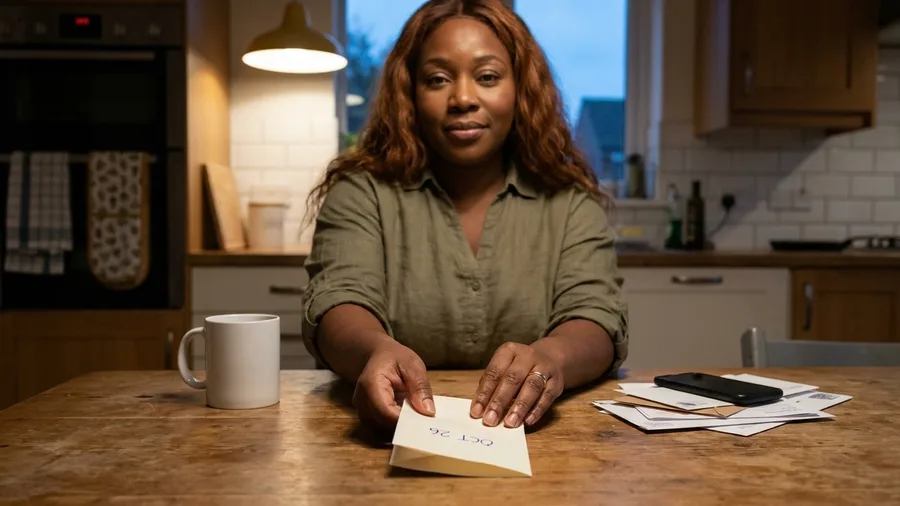
An apology is worth exactly what follows it: a date, and then your presence on that date. The words matter less than most people assume – what the other person watches is whether the next thing you said turns out to be true.
So the whole sequence fits in one message. Name what you missed, say what it cost them – "you'd already booked the sitter" – then put the replacement date in the same breath, before any explanation. Most people reverse this, spending three paragraphs on the work crisis, the traffic, the week they've had, and the date arrives at the bottom like an afterthought. It should lead.
The second miss does more damage than the first, because the apology has already been spent. Once the new date is set, stop saying sorry and simply go. And some dates cannot be replaced – a funeral, a birth. There, say plainly that it can't be fixed, and change what you do next.
Three repair moves that fail
Why it lasts a lifetime
The habits that keep promises working for decades are not more willpower. They are a one-sided ledger, a chosen self-description, and a small circle of people you keep showing up for.
These last three traits explain why the promise-keeping gets easier, not harder, the longer it goes on.
8. Remembering debts owed beats remembering favors done

The ledger was the part I had backwards. For years I kept a private account of things done for other people – the lifts, the favours, the Saturdays given up – and I read that column as credit. It never once made me more reliable. It gave me a sentence.
That sentence is always some version of "I've done plenty for her." It arrives just before the promise quietly fails to happen, and it arrives with a receipt. Two columns – favours done and favours received – can always be balanced in your favour by remembering selectively. A one-sided ledger only counts what you still owe and what you were given. There is nothing to set against a debt that hasn't been paid yet.
The cost of keeping it that way is real. People who run this tally can feel more indebted than the situation actually warrants, and over-deliver to clear a balance nobody else is asking them to clear. In an arrangement that is genuinely exploitative, you need the account – keeping none simply makes you easier to take advantage of. Otherwise, the weekly review is one question: what do I still owe, and to whom.
The One-Sided Ledger — At a Glance
📥 Where debts live
One list or shared calendar, not memory or scattered messages
🚫 When the slip goes out
Once the date is at risk, at least 24 hours ahead — not on the day
⏱️ Review rhythm
Ten minutes a week, the same slot each time
💸 Fixed length of a yes
Nothing over a two-hour block — split it or decline it
⚠️ Order inside the message
New date first, explanation second, same message
Skip this if
The arrangement is genuinely exploitative — then keep the full two-column account, or you become easier to take advantage of.
9. A broken promise costs them their self-image
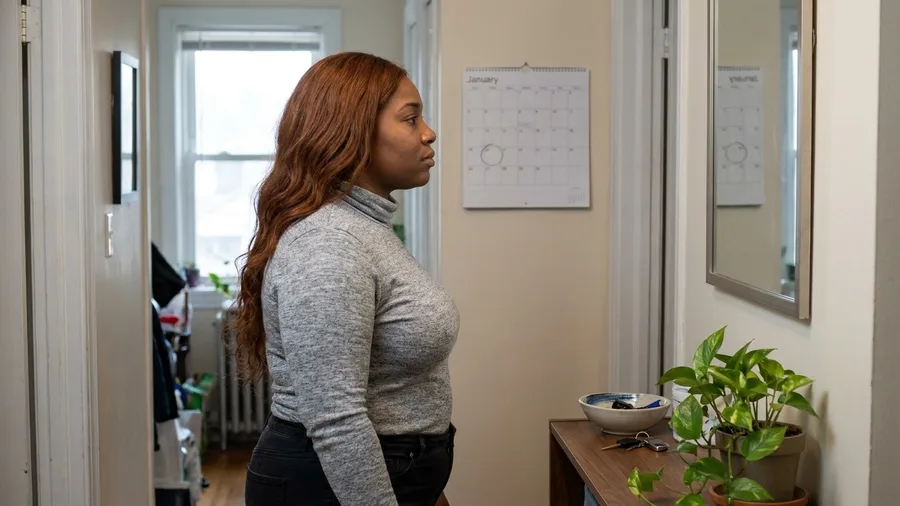
The risk is that repairing a miss stops being routine and becomes a referendum. Someone whose reliability is bound up with who they believe themselves to be can find that a missed pickup, a forgotten call, isn't a scheduling failure at all – it's evidence against the self-description, and shame makes avoidance look like the easier exit. Which is why this only works with the repair habits in place: the miss has to be handled mechanically, not felt about.
There is a plain test, answerable in about ten seconds, and it's a single question: what is the sentence you would use about yourself if no one was listening? Not "I try to be reliable". Something closer to "I am the person who does what she said she would." One is a goal and lives in the future tense, where a tiring month can postpone it. The other is a description, and a description has to keep matching the facts.
Watch what happens at the moment of commitment. The goal-sentence lets you say yes while privately reserving the right to be a person who meant well. The identity-sentence makes the small promise harder to drop, because dropping it would contradict a line you have repeated to yourself about who you are. That friction is the whole mechanism, and it fires on a Thursday night when the favour looks inconvenient.
Notice what the sentence costs. A miss now threatens something larger than a calendar slot, which is precisely why the repair has to run on rails: date first, apology brief, next kept date. Without that, the trait curdles – shame arrives before the reschedule does, and people start avoiding the very person they owe an apology.
The last thing worth knowing is where the sentence came from. It wasn't issued at birth, not a temperament some people got in the queue and others missed. It's a description they chose, then repeated often enough at the moment of saying yes that it started to act like a fact. Which means you can choose your own, this week, and test it on the next small thing someone asks of you.
💡 Tip: Say the sentence at the moment of commitment, not just after a win.
10. Decades-long friendships make every promise a repeat game

Because the audience stops changing. Break a promise to someone you will still know in twenty years and the cost runs the length of the friendship; break it to a stranger and there is nothing to collect on, which is why the same person can be impeccable with neighbours and vague with a cousin they see twice a decade.
Watch a reliable seventy-year-old for a month. The same two or three names recur: the neighbour whose bins go out on Tuesdays, the sister driven to the same appointment every fourth Thursday. Nothing heroic, and because the errand repeats, the next ask is easier to make and easier to keep; reliability compounds quietly, one standing slot at a time.
Two cautions, both real. Fewer deep commitments beat a wide scatter of one-offs, so the cost is a narrower list than you might like. And if your life moved every few years, you do not inherit a circle; you choose one, deliberately, before the repeat game can begin.
Frequently Asked Questions
Is it OK to say no to every request?
No. If you work in care, teaching, or a role where absorbing requests is part of the job, you cannot decline every request the same way. The quick no works for most personal promises, but professional roles need their own rules.
What if I can't reschedule because the date was the whole point?
Some things cannot be rescheduled, like a funeral or a birth. In those cases, acknowledge the irreplaceable cost and change the next action instead of pretending a replacement date exists.
How do I start if I've been unreliable for years?
Pick one trait and one person. Write down the next promise you make with a name and date, then actually review it once a week. That single habit is where most of the reliability comes from.
Does the one-sided ledger make me a pushover?
It can, if you are in a genuinely exploitative arrangement. The ledger is a habit for normal relationships, not a shield against people who take advantage. If someone never reciprocates, keep a record.
Why does identity matter more than willpower?
Willpower runs out during a bad month. A chosen self-description, 'I am the person who does what I say,' keeps the small promise harder to drop because breaking it would contradict the description.
Keeping Your Word Is Built, Not Given
The ten traits are a system of small mechanics – scope, quick no, single list, named person, early heads-up, open renegotiation, dated repair, one-sided ledger, chosen identity, repeat relationships – not a personality handed out at birth. Start this week with trait two, the same-day decline. The sentence is: 'Thanks for asking – can't take this on, but can do two hours Saturday morning if that's useful.'
That older relative is not running on stronger goodwill than yours. The clean record is those mechanics repeated until they stopped looking like mechanics and started looking like character.
One same-day reply this week is the first evidence the system can be copied. The promise kept next month is the one sized, written, named, or declined today.
Your next promise is the test
Before you say yes to anything today, check whether a real slot exists. Write it down with a name and a date. That's the start.

