
Getting this wrong costs you another year of quiet evenings and a few hundred dollars spent on a trip that changes nothing for more than a weekend. That is the real price of a flat thirty-year marriage: not the silence, but the assumption that flat means finished, or that warming it back up requires a summit conversation or a second honeymoon – both of which sound worse than the quiet you already have.
about three on a weekday evening, about eight a day at weekends. Almost all of it is parallel – two screens in the same room, the talk all bins and bills and where the children are now.
What follows is eleven things to actually do, priced in time and money, from ten minutes to one evening a week, from nothing to about $40 a month. One is named to start this week, and you give it two weeks before you judge it.
By the end you will know which single item fits this week, which to save for later, and the point where the answer stops being on the list at all and becomes something else entirely.
A marriage that has gone flat is not warmed back by one big conversation. It is warmed back by one small, cheap ritual, repeated weekly until it stops being effort – and the judgment waits until it has been given a fair two weeks.
Quick Tips Before You Start
Two weeks, then judge
Week one feels awkward, week two feels normal. Review on day fourteen, not day three.
One weekly ritual
Same day, same time each week beats sporadic effort. The calendar slot is the whole trick.
Under $40 a month
Hug, walk, note, check-in, photo sort, first date: $0. Repaint $90 once, class $120 each, trip $400 once.
Skip the big talk
If you feel a summit is needed, that is item 8's job. Do not open with it.
Stop and refer
Contempt, violence, or a partner who won't engage: licensed couples therapist, not another exercise.
1. The Six-Second Hug at the Door
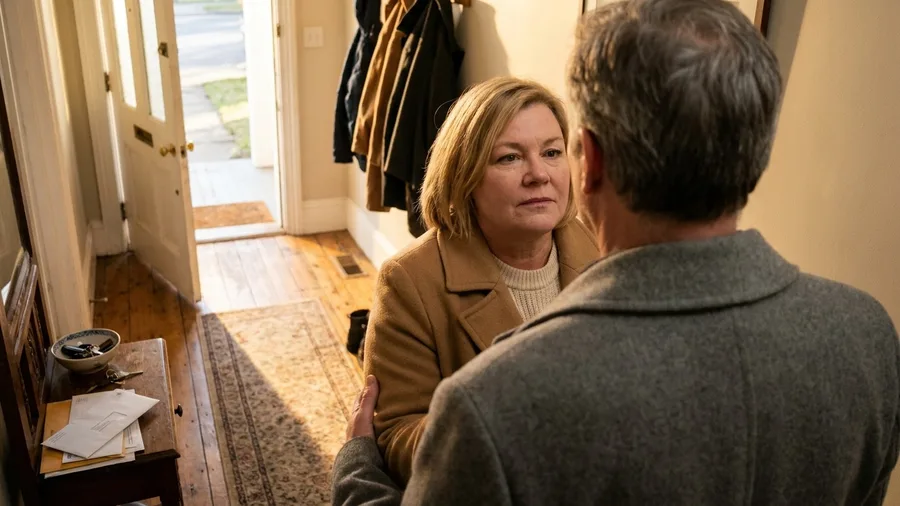
He comes in from the car with the mail in one hand. You are at the counter. This is the part where most couples execute a kiss on the cheek in passing and get on with the evening, and it has been that way so long that neither of you calls it anything. Instead, put the mail down and hold him for six seconds. Count them, quietly, in your head. That is the whole instruction.
It survives a long marriage for a plain reason: it needs no mood, no free evening and nobody's agreement. A bad day cannot cancel it, and there is no question underneath it, because six seconds is too short to become a conversation about sex. Somewhere around day three it will feel stagey, and you will both be aware of the count. Keep going. That awkwardness is the expected reading at this point, not a verdict on the marriage.
It costs nothing, takes six seconds, and needs no equipment or calendar entry. The one honest caveat: if any physical contact between you has turned into a flashpoint, leave this and start with the walk, which will be along in a moment. For everyone else, the opener can be the same plainer words each evening: "Come here." Then count.
💡 Tip: Count out loud if it helps. The counting is the point — it stops the hug ending at two seconds.
2. The Twenty-Minute Walk Without Phones
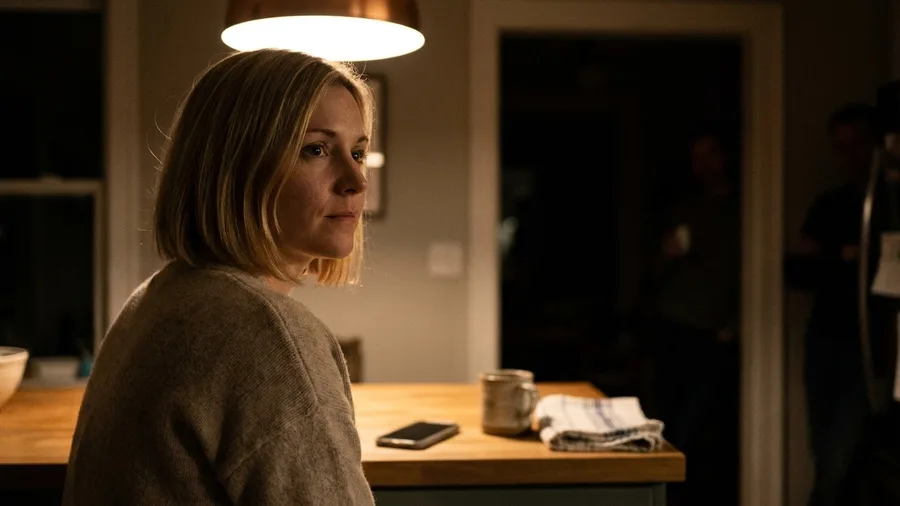
The version people get wrong is the sofa. Two of you in the same room at eight in the evening, one screen each, and the belief that because you are both there, you are together. The talking has stopped because nothing about the setting asks for it. Touch brings back the ease without words; the words still need somewhere to happen, and they happen far more easily when you are walking side by side than sitting face to face waiting for something significant to be said.
So set the rule small. Twenty minutes, phones left on the kitchen table, and the same route each time, down the road and around the block. The fixed route matters more than it sounds: nobody has to plan it, nobody has to negotiate it, and it is never a decision you can fail to make on a Tuesday.
Side by side and moving removes the pressure of the stare. Sitting across from each other turns a talk into a summit, and a summit either turns into a review of the marriage or into silence. Walking makes the silences short and ordinary. You are looking at the same street, not at each other, and that is what loosens it.
When nothing comes, use two prompts. One thing from the day each, then one thing about the next month, small and forward-looking. "I want to get that shelf up before your sister visits." No review of thirty years, no accounting of faults. The forward question does the work, because it puts you both in a future you are still building.
It fits the pair whose evenings have already split into separate screens, because it replaces nothing in the schedule and costs nothing at all. Take the same route tomorrow.
🌱 GROWING TIP
Two weeks, not two days
The hug and the walk both take about fourteen days to stop feeling like a performance. Judge them on day fifteen, not day three.
3. Friday Night Table for Two
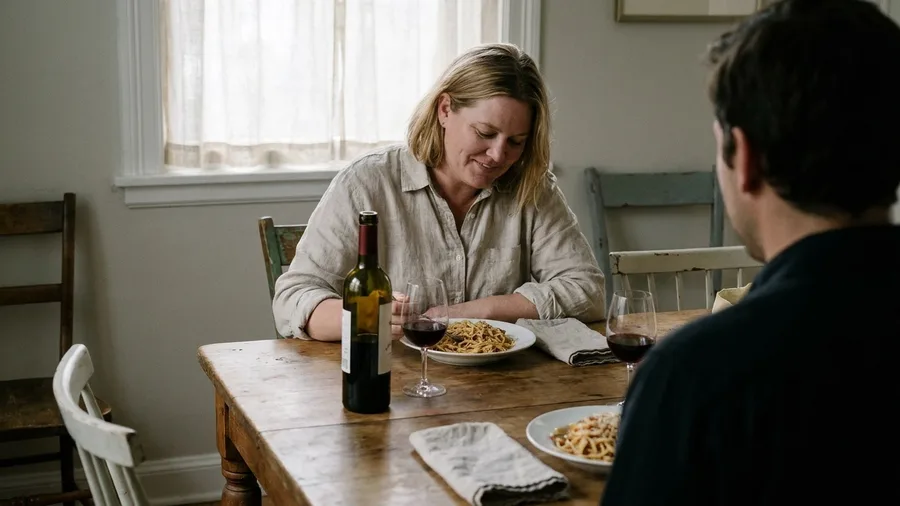
"We used to have dinner. Now we have intake." If that line lands, you already have your answer. Here is a second one, answerable in ten seconds: when did the two of you last sit at the table with nothing to clear up and nowhere to be? If nothing comes, pick one evening this week and make it Friday. A week made only of walks and parallel screens is still seven days that look the same; eating at the table gives it a marker.
Fixed means fixed. Same night every week, real chairs rather than the sofa, phones left in another room, and the food agreed by Thursday so Friday never becomes a negotiation at six o'clock. Buy the ingredients on the way home: $20 to $35 feeds you both and puts a bottle on the table, which is a notch above a Tuesday and nowhere near a restaurant.
Split the jobs so it does not become one person's production. One of you cooks; the other clears the plates afterward and chooses the music – everyone works, nobody hosts, nobody is waited on. Weeks one to three will feel like a chore you have given yourselves on purpose. Week four is the one that feels like a date.
💡 Tip: Put it in the shared calendar as a recurring event so neither of you has to remember it.
4. The Three-Line Note on the Fridge
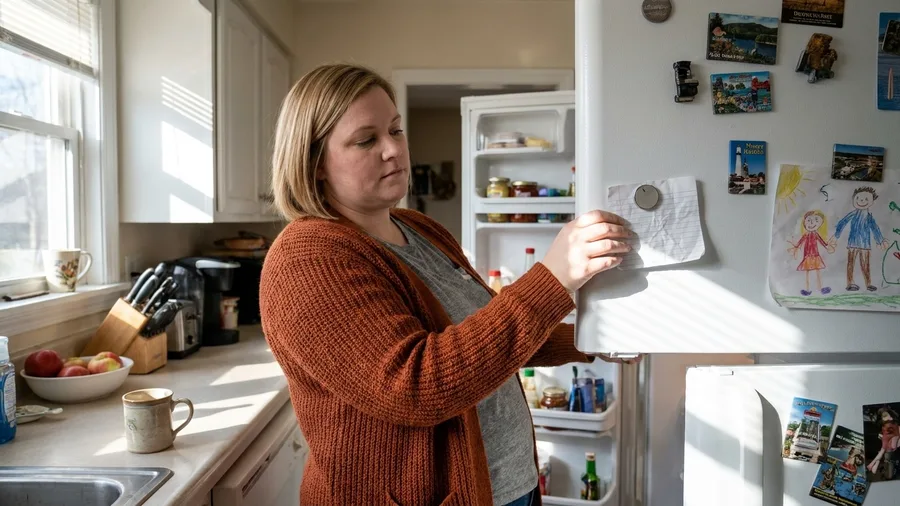
A shared dinner, however good, ends on a Sunday night, and five or six ordinary evenings follow it in which neither of you says what you noticed the other doing. So how does appreciation get said on a Wednesday? Not by saying more. By saying something narrow enough to prove you were watching that day.
The structure that works is three short lines on paper: what you saw them do, what it took out of them, and what it meant to you. 'You sat with my mother for two hours' lands where 'you're so kind' stopped landing ten years ago, because only a person who was in the room could have written it. Keep it to a week and leave it where only they will find it, not in the family thread.
5. The Beginner's Class You're Bad At
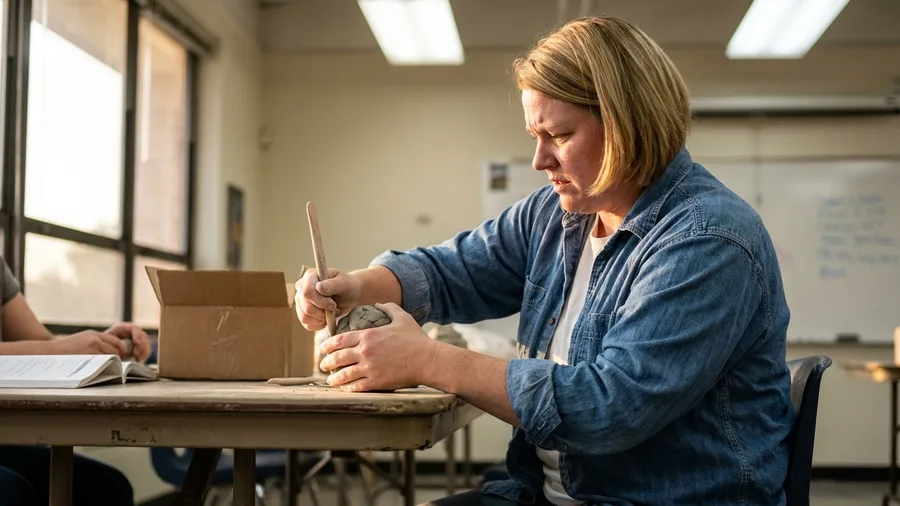
The usual advice is to find something new to do together, as if novelty were a commodity you could buy by the evening. It rarely holds, because the new thing is almost always the thing one of you is already good at, and the other one spends the night being corrected.
What is missing is not activity but the specific feeling of being in your twenties and not knowing how any of it worked yet. A six-week evening course at a community college costs about $120 a head and gives it back one night a week, though a free beginners' club at the library or the rec centre does the same job. Choose something neither of you has touched, so nobody slides into explaining and the other into nodding.
Shared incompetence is the point. Being visibly clumsy in front of each other, and laughing at it, realigns you as two people at the start of something rather than two experts at the end of it. This is a warm-up, though, not a repair: if there is a live conflict between you, deal with that first, because a class makes a reasonable week warmer and does nothing for a bad one.
💡 Tip: Look for a course with an end date — six weeks, then it's done. Open-ended commitments get dropped around week three.
Beginner's Class — At a Glance
⏳ Duration
6 weeks
🗓️ Frequency
1 evening/week
💵 Cost
~$120 each
👥 Best for
Couples who are competent at everything
🚫 Avoid if
You're in the middle of a real conflict
The rule
Pick something neither of you has done — so neither becomes the teacher.
6. The Photo Box You Sort Together
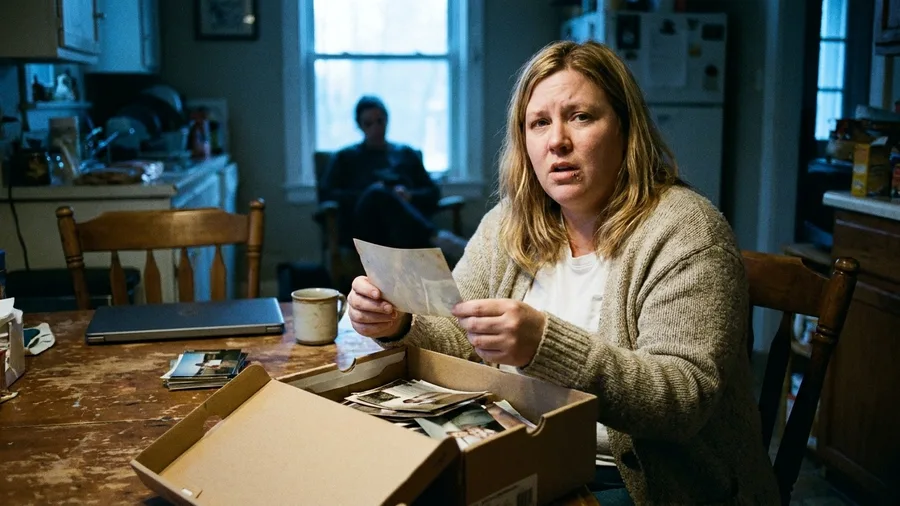
The risk here is the project: sort the photos and it turns into an evening of scanning, labelling and an album nobody finishes. Thirty years are already in the house, unopened, and the version that works asks for a shoebox or one folder of pre-2010 pictures, two chairs and one hour.
What you do with it is smaller than it sounds. Each of you pulls one photograph and tells the room what was actually happening that day, including the parts that are not flattering and are not in the frame. Whatever you say aloud is fresher than it has been in years, and it costs one evening less than a class.
Keep five aside if you like and put them where you both pass them daily, on the fridge or the shelf by the kettle. Leave the laptop shut for this one: the screen makes the hour a task, and the box keeps it a conversation.
7. The Same Two Nights Every Year
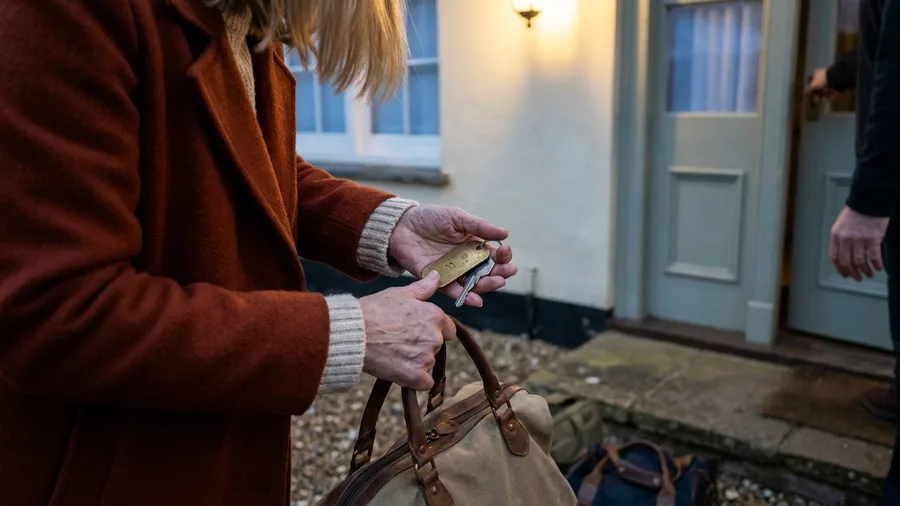
A standing two-night trip, same weekend and same place every year, within a two-hour drive, comes to roughly $400 all in. Some couples need the map to stay open and the destination to keep changing. For plenty of others it is the opposite: once the place is fixed, the trip stops being a decision and starts being a fixture, and the question of where to go next year never has to be asked again.
That is what the repetition buys. The first year the room is just a room. By the third it is the room with the bad lamp you both complain about, the diner down the road with the booth you always take, the stretch of coast you walk on the Saturday morning because that is what you do there. The place starts carrying memory the way a house does, and neither of you has to work at it.
The step that matters happens long before the driving. Book it before the current year ends, put the dates in the shared calendar, and let it sit there. The weeks of knowing it is coming do more of the work than the two nights themselves do. That is the argument for booking early: the anticipation is not a bonus on top of the trip, it is the part of the trip you get for free, spread across a month of ordinary evenings.
It is the biggest line in all of this at about $400, and the slowest to show you anything. Nothing changes in the first year except that you went. The year after that the booking is easier, the drive is familiar, and the weekend has stopped being a production and become a place you go.
📈 How the Eleven Order Themselves
Weeks 1–2
Hug (item 1) and walk (item 2) — zero cost, no agreement needed, first results by day fourteen.
Weeks 3–4
Add Friday table (item 3) and the fridge note (item 4). One evening and five minutes a week.
Months 2–3
Add the beginner's class (item 5) and the photo box (item 6). Six weeks and one hour.
Month 4
Book the yearly trip (item 7), then set the quarterly check-in (item 8) with a timer.
Month 6+
Add the Sunday hour (item 9), the rebuilt first date (item 10), and finally the repaint (item 11).
8. The Quarterly Ten-Minute Check-In
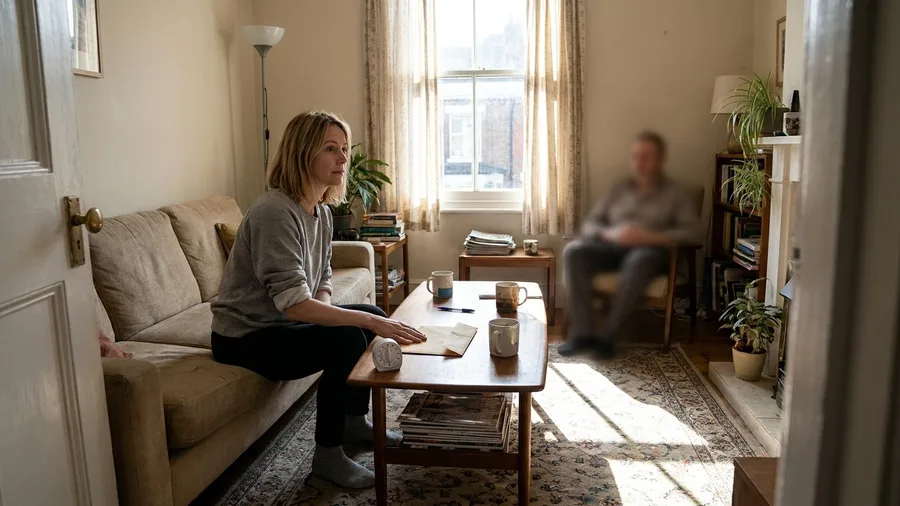
Four times a year, ten minutes a time, a timer face-up on the table between you. That is the whole apparatus. The questions are three and they never change: what has gone well lately, what has gone thin, and one small thing you would each change. Write them on the back of an envelope if you need to. The point is that neither of you has to invent the conversation from cold, which is where these things usually die.
The timer is not a joke and it is not decoration. It does two jobs at once: it promises the one who dreads this that ten minutes is genuinely all it will be, and it stops the other one turning a check-in into a review of the last three decades. Once a quarter, on a Sunday morning or a Thursday after the washing-up, before the subject can harden into a crisis. Put it in the calendar next to the boiler service and treat it with the same dull regularity.
Keep two things outside the ten minutes: money and the children. The moment either walks in, the conversation changes species – it becomes a budget meeting or a debate about how the eldest is doing, and the thing you sat down to say goes back underground. If one of you raises a bill, the other says, not now, and means it kindly, and you both go back to the envelope.
You will spend most of the first one clearing your throat. The second is easier and slightly dull. Somewhere in the third, a sentence comes out that neither of you planned – something like, I miss how we used to talk on the drive to your mother's – and the ten minutes earns its keep for the whole year. Expect the early awkwardness and do not read it as evidence that the two of you have nothing left to say. Awkward is the sound of a muscle being used.
What it quietly spends is the harder thing to name. Four short, slightly stiff conversations a year cost you the comfort of assuming there is nothing to say, and some couples would rather keep the assumption. What it buys is smaller and more useful: drift caught in March rather than in November, when it has set.
And be honest about the size of the tool. Ten minutes is a check-in, not a repair. Grievances that are years old, the ones with a date attached and a whole argument behind them, will not surface in ten minutes with a timer running, and they are not meant to. If what comes up keeps being the same old thing, that is your signal to find a licensed couples therapist rather than to book a longer check-in.
What Makes a Ritual Stick vs. Fade
Sticks
- Same day, same time, every week
- Costs under $35 or nothing
- No conversation required to start
- Survives a bad day
- One person can carry it alone
Fades
- Needs both people to agree first
- Requires planning each time
- Tied to a mood or a good week
- Becomes a special occasion
- Depends on the children being away
9. The Side-by-Side Sunday Hour
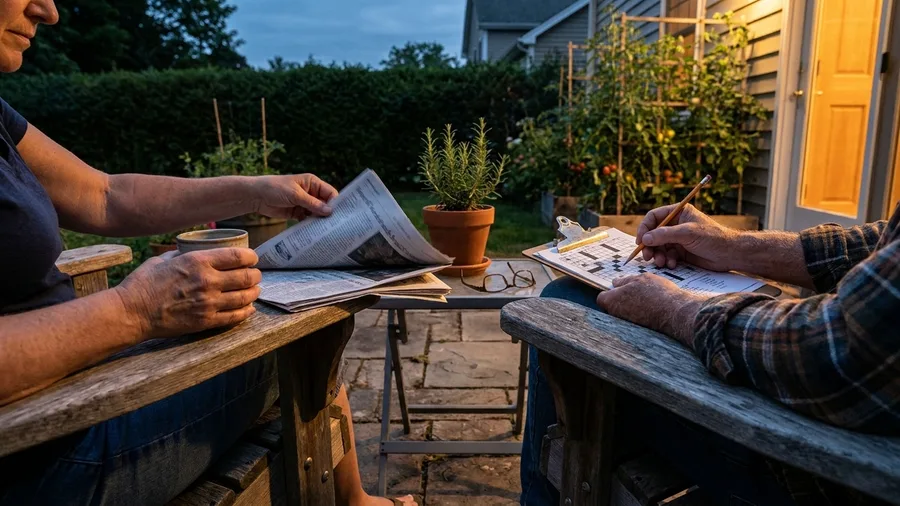
An hour in the same room, each of you doing your own thing, saying nothing.
That is the whole item, and it reads like nothing until you notice what it is not. Some couples hear a suggestion like this and assume silence means distance – that if they are not talking, the marriage is in trouble again. It is the other way round. Two people who can be quiet in one room for an hour without either feeling ignored are showing each other something the conversation cannot: that the other's presence is restful rather than demanding. The phones stay down unless you are both on them, which is its own small agreement.
It also protects everything else on this list. A dinner and a walk that are chosen stay warm; the same two things done because they are owed turn into chores by the sixth week. One hour a week that asks nothing of either of you is what keeps the asking voluntary.
It suits the couple who have been doing this for years without ever calling it anything – the Sunday papers, the garden, the football – and it suits the couple where one of you is starting to feel crowded by all the new rituals. Name the hour, and the crowding eases.
💡 Tip: The one rule: no phones as separate screens unless you're both on them. A shared screen or no screen.
⚠️ COMMON MISTAKE
Don't turn the walk into a hearing
If you've been saving up a criticism, do not deliver it on the walk. The walk is for small, forward-looking things. Save the big conversation for the quarterly check-in or a therapist's office.
10. The Rebuilt First Date

You can, but not by going somewhere better. The instinct is to book up: the restaurant with the white tablecloths, the weekend in the city, the anniversary version of a night you once had on a Tuesday. That instinct is the one thing that kills this. Rebuild the cheap night it actually was, at roughly the same kind of place, and the memory has somewhere to land.
So you pick a place that looks like the one from the beginning, and you keep the bill at about $40 for the two of you. The prep happens before you go: one of you digs out what really happened that night, the parking ticket, the meal that was wrong, the friend who was supposed to come and didn't, and holds it ready. You don't announce it. You wait until you're sitting down, and then you tell the story across the table.
The first half of the evening will feel silly. Two people in their fifties sitting in a booth pretending to be twenty-five, both aware of the pretending. Stay in the seat. The retelling is the part that works, because the detail you'd both half-forgotten, said out loud in that room, is not nostalgia exactly. It is proof that the two people in the booth are the same two people. The rest of the evening usually takes care of itself from there.
The money is the easiest part of this one to get wrong: $40, the cheap night it originally was, not the anniversary splurge. The upgrade turns the evening into a gift, and a gift is something you receive, not something you rebuild.
The Three With the Best Return
11. The One-Room Repaint
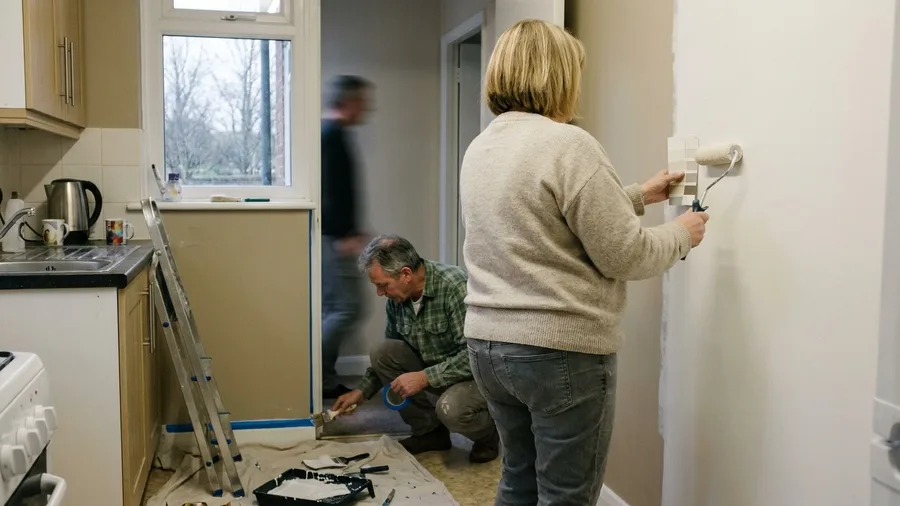
The caution first: this can end in a fight rather than a finished room, and $90 of paint plus a whole weekend is a real bill for a job that might not survive Saturday morning.
Couples who have run a household together for thirty years can still stall over a single paint chip. A shared project puts two people with firm opinions in a small space and asks them to agree before either of them has had a chance to be kind about it.
The scope is small: one room, about 12 by 14 feet, two gallons of paint and a roll of tape, one weekend, no contractor. What decides the job is not the paint, it is the plan.
Choose the colour at the kitchen table with a cup of tea, not in the aisle with two tinted cards in your hands and a queue behind you. Divide the tasks so neither of you is left holding a brush while the other does the edges. Then work in the same room at the same time; a wall each on separate days only divides a chore.
The finish is plain: one room looks better, and it looks better because of a Saturday you both spent with rollers in hand. You can stand in the doorway and point at it.
Not every couple should try this. If house projects already set off arguments about money, standards or who does the finishing, this will not be the exception, and the beginner's class is the safer evening. But where getting things done as a pair is still the easy part, this turns that skill on a room you both live in.
💡 Tip: Buy the paint together on a Saturday morning. The colour argument is cheaper in the shop than on the wall.
Frequently Asked Questions
How long before I can tell if any of this is working?
Give the hug and the walk fourteen days. They are the two that show a change fastest because they cost nothing and need no agreement. The Friday dinner takes about four weeks to stop feeling like a chore. The yearly trip has the longest gap between doing and noticing — the anticipation in the weeks beforehand is doing more of the work than the two nights themselves.
What if my partner refuses to try any of it?
Start with the one item that does not require their participation: the six-second hug can be offered without a conversation, and the fridge note is written by one person. If after a few weeks there is still no engagement at all, that is a different problem from a flat marriage, and the next step is a licensed couples therapist rather than another item on this list.
We've been together thirty years — isn't this just who we are now?
The flatness is common, but it is not fixed. The couples who warm back up are rarely the ones who booked a second honeymoon. They are the ones where somebody started a small, repeated, cheap ritual and kept it going on the bad days. One item done weekly beats all eleven done once.
Do we need to talk about the marriage first?
No. None of these eleven requires a state-of-the-marriage conversation, and several work better without one. The quarterly check-in (item 8) is the structured place for that talk, and it is ten minutes with a timer, not an evening summit. Old resentment that is years deep needs a therapist, not a list.
What's the total cost if we do all eleven?
Roughly $40 a month at most. Six of the eleven cost nothing — the hug, the walk, the note, the photo sort, the check-in and the first date. The beginner's class is about $120 each once, the repaint about $90 for one weekend, and the yearly trip is the biggest single line at roughly $400 all in.
What A Fortnight Of Small Rituals Changes
Start with the six-second hug and the twenty-minute walk. They cost nothing, ask no agreement from either of you, and show a result by day fourteen. Save the $90 repaint and the $120-a-head class until those first two have become automatic. Any one of the eleven done weekly beats all eleven done once.
Go back to the weekday evening. The same three hours, the same two screens in the same room. One hug at the door and twenty minutes with the phones left on the kitchen table is the whole difference between the evening you have now and the one that starts to change.
Where a partner refuses to engage at all, or the tone between you has turned contemptuous, or there is violence, the next step is a licensed couples therapist, not another item on this list. And judge nothing before two weeks: awkward at day three is the expected reading. It is not the marriage's final answer.
Start Tonight: The Six-Second Hug
Before you do anything else on this list, hug your partner at the door for six slow seconds. Count it. Then do it again tomorrow.