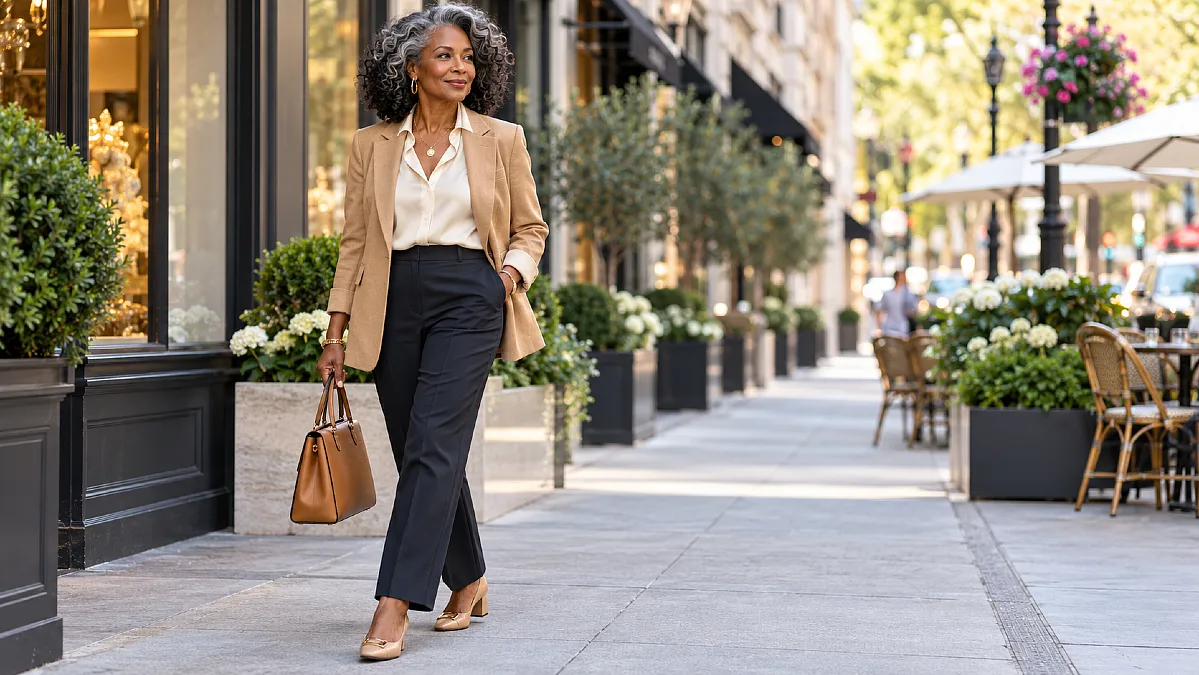
A closet full of clothes can still leave you feeling like you have nothing to wear. The jeans seem too casual, the dress feels too formal, and the blouse you once loved no longer fits quite right.
For many women over 50, the problem isn’t a lack of clothes. It’s having pieces that don’t work well together or suit the different parts of everyday life.
The best wardrobe essentials for women over 50 solve that problem. They make it easier to put together a comfortable outfit for lunch, work, travel, family gatherings, or an evening out.
You don’t need to replace everything. A few well-chosen clothes, combined with what you already own, can make your wardrobe far more useful.
What Makes Clothing a True Wardrobe Essential After 50?
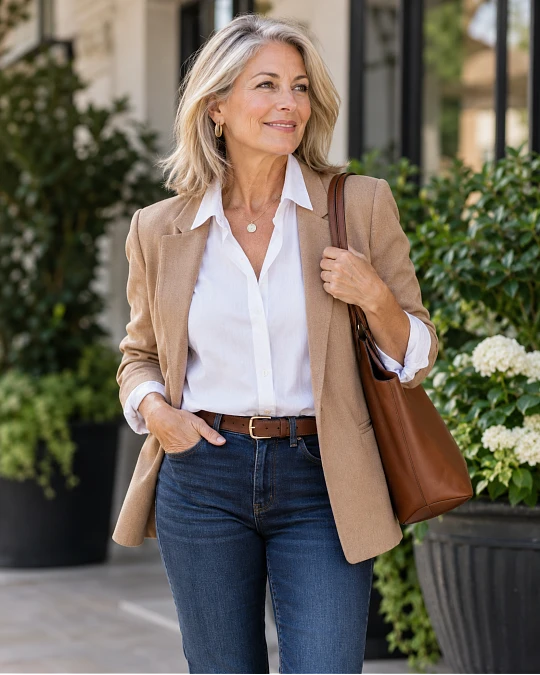
A wardrobe essential should earn its place in your closet. It needs to fit comfortably, work with several other pieces, and suit more than one part of your life.
That doesn’t mean every garment has to be plain or neutral. A beautiful burgundy blouse or a patterned midi skirt can be just as useful as black trousers when it works with clothes you already wear.
The secret is choosing pieces that make getting dressed easier rather than creating more decisions.
Fit matters more than the size printed on the label. Clothing should allow you to sit, walk, reach, and move without constant adjusting. A garment that looks beautiful but feels uncomfortable rarely gets worn.
Fabric is another major factor. Cotton blends, quality jersey, soft wool, ponte knit, and fabrics with a little stretch can offer comfort without losing their shape.
Look at how a garment hangs on your body, too. A little structure can create a polished shape, while soft fabrics can add movement and ease.
Before calling something a wardrobe essential, ask yourself three questions:
- Can I wear this with at least three pieces I already own?
- Could I style it for more than one occasion?
- Would I feel comfortable wearing it for several hours?
If the answers are yes, the piece has a much better chance of becoming something you reach for regularly.
The Jeans and Trousers That Handle Almost Any Day
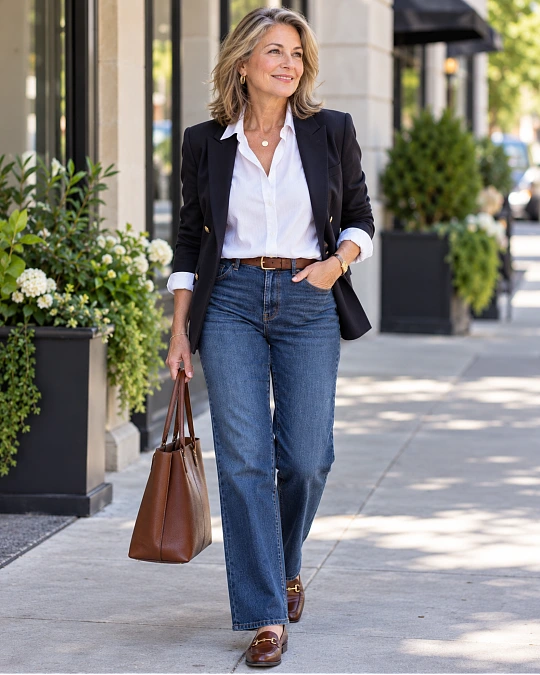
A good wardrobe starts with bottoms that fit properly and feel comfortable. When your trousers and jeans work, choosing the rest of your outfit becomes much simpler.
For many women, three styles offer enough variety for most everyday occasions: straight-leg jeans, tailored trousers, and a softer pair of smart casual pants.
Straight-Leg Jeans for Casual and Polished Outfits
Straight-leg jeans are especially useful because they don’t feel tied to one fashion trend. They work with sneakers, loafers, ankle boots, and many types of tops.
A dark indigo wash can look polished for dinner, while medium-blue denim is excellent for everyday wear.
Choose a rise that feels comfortable when sitting. Mid-rise and high-rise styles are both good options, depending on your shape and personal preference.
The length should also work with your favorite shoes. Jeans that bunch heavily around your ankles may need hemming, especially if you usually wear flats.
Tailored Trousers for Work, Dinner, and Special Plans
A pair of well-fitting tailored trousers is one of the hardest-working items in a mature wardrobe.
Black, navy, charcoal, chocolate brown, or taupe can provide a useful base for colorful blouses and patterned tops.
Straight-leg and gently wide-leg cuts both work well. The better choice is the one that balances your proportions and feels comfortable around your waist and hips.
A smooth waistband, a clean front, and fabric that holds its shape can make simple trousers look more expensive than they are.
Comfortable Pants That Still Look Smart
Some days call for more freedom of movement than structured trousers provide.
Ponte pants, relaxed linen-blend trousers, and soft pull-on pants with a neat waistband can offer that comfort.
Look for fabric with enough weight to hang smoothly. Very thin material can cling or show every seam, while a heavier knit often creates a cleaner outline.
Here’s a quick guide to choosing useful bottoms.
| Clothing Piece | What to Look For | Best Uses |
|---|---|---|
| Straight-leg jeans | Comfortable rise, medium or dark wash, clean hem | Errands, travel, casual dinners |
| Tailored trousers | Smooth waistband, soft drape, neat fit | Work, restaurants, family events |
| Ponte pants | Substantial stretch fabric, straight or tapered leg | Travel, everyday outings |
| Wide-leg trousers | Fluid fabric, suitable length, comfortable waist | Summer lunches, dinners, dressier events |
| Linen-blend pants | Breathable fabric with enough weight to drape | Warm weather, vacations, relaxed gatherings |
Fit note: If trousers fit your hips but feel loose at the waist, consider a simple alteration. Getting the fit right may be more useful than searching for another pair.
The Tops That Make Simple Outfits Look More Stylish
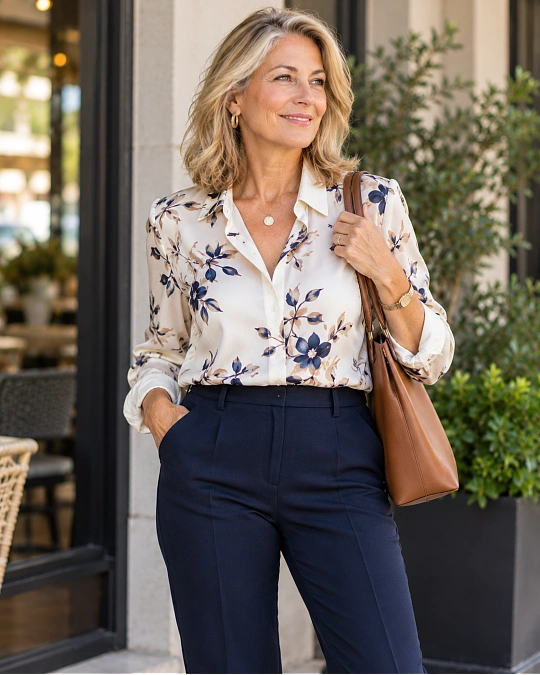
You don’t need an overflowing collection of blouses to create stylish outfits for women over 50. A few well-fitting tops can work with almost every pair of jeans, trousers, or skirts you own.
The most useful mix includes a crisp shirt, a comfortable knit, an attractive blouse, and good everyday T-shirts.
A White or Cream Shirt That Always Looks Fresh
A classic button-down shirt can change the appearance of an outfit in seconds.
Wear it loosely over jeans for a relaxed afternoon. Tuck it into tailored trousers for work, or leave a few buttons open over a simple tank top.
Pure white looks striking on some people, while ivory, cream, and soft blue may feel gentler on others.
Choose fabric that doesn’t become transparent or wrinkle badly within minutes. Cotton poplin offers structure, while softer cotton blends can feel more relaxed.
Fine-Knit Sweaters for Comfort and Shape
A lightweight sweater is useful during cooler months and in rooms with strong air conditioning.
Fine-gauge cotton, merino wool, and soft knit blends can sit neatly beneath jackets without adding too much bulk.
Crewnecks, V-necks, and boat necks are all worth trying. Instead of following a strict neckline rule, choose the shape that works with your shoulders, face, and favorite jewelry.
A sweater that ends around the hip can work well with straight trousers. A shorter style may balance wide-leg pants or a high-waisted skirt.
An Elegant Blouse for Dressier Moments
A softly draped blouse is one of the easiest ways to make jeans look ready for dinner.
Look for details such as a gentle V-neck, attractive buttons, a soft collar, or sleeves that move comfortably.
A satin-look fabric or quality crepe can bring a dressier feel without requiring complicated styling.
Choose a color that suits the rest of your closet. Deep teal, wine, forest green, and warm ivory can be beautiful alternatives to black.
Quality T-Shirts That Don’t Look Like Undershirts
A good T-shirt should have enough weight to fall smoothly rather than cling tightly.
Cotton, modal blends, and other soft fabrics can feel pleasant against the skin. Pay attention to the neckline and how the shoulder seams sit.
White, navy, black, and soft neutral shades are practical choices, but a favorite bright color can work just as well.
Pair a neat T-shirt with jeans and sneakers for errands. Add a blazer and loafers, and the same shirt can look much more finished.
The Jackets and Layers That Change an Outfit’s Mood
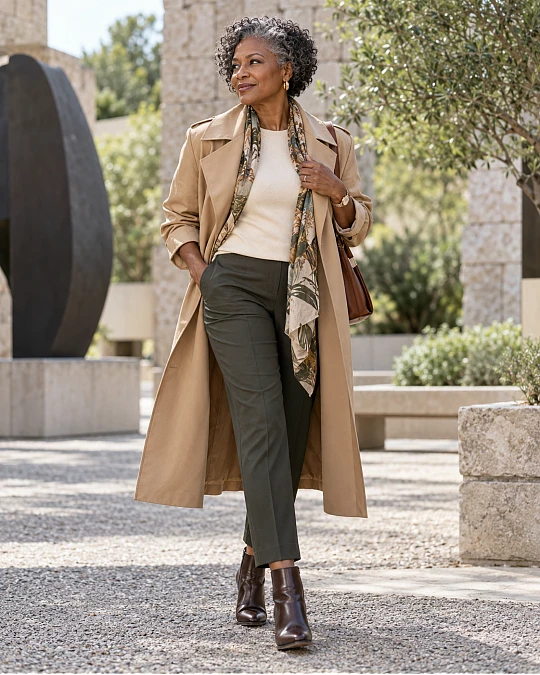
The right outer layer can make an ordinary outfit feel ready for a different occasion.
This is especially helpful when you don’t want separate wardrobes for casual days, business settings, and social events.
A good blazer, a soft cardigan, and a practical coat can cover many situations without filling your closet with rarely worn jackets.
A Blazer That Makes Everything Look More Finished
A blazer is useful because it adds shape around the shoulders and creates a clean line through the body.
For everyday wear, look for a style that isn’t overly stiff. A relaxed single-breasted blazer often works beautifully with jeans, trousers, and simple dresses.
You should be able to button it comfortably, even if you normally wear it open.
Try navy, camel, charcoal, cream, or another color that works with your favorite bottoms.
A Cardigan That Feels Comfortable Without Looking Shapeless
A cardigan can be a smart alternative to a jacket, especially on relaxed days.
Choose a knit with enough body to hold its shape. A neat button-front cardigan looks lovely with trousers, while a longer open style can work over a simple dress.
If a long cardigan makes your outfit feel heavy, try a shorter one with a defined hem.
The goal isn’t to hide your figure. It’s to create a comfortable outfit with proportions you enjoy.
A Coat That Works Beyond One Outfit
A trench coat is useful in mild, changeable weather. A tailored wool-blend coat may be a better choice if you live somewhere with cold winters.
Choose the outerwear that suits your climate rather than buying both automatically.
A coat should close comfortably over your usual layers. Try it on with a sweater or blazer before deciding on the size.
Small changes in the layer you wear can completely change the mood of the same outfit.
| Your Base Outfit | Casual Day | Dressier Occasion |
|---|---|---|
| Jeans and cream T-shirt | Soft cardigan and sneakers | Navy blazer and loafers |
| Black trousers and blouse | Open cardigan and flats | Structured blazer and elegant shoes |
| Simple midi dress | Denim jacket and flat sandals | Tailored jacket and dressy flats |
| Wide-leg pants and knit top | Relaxed cardigan and trainers | Belted blazer and ankle boots |
Style tip: When an outfit feels too casual, change the outer layer before replacing everything else. A structured jacket can make a surprising difference.
The Dress and Skirt Worth Keeping for Unexpected Invitations
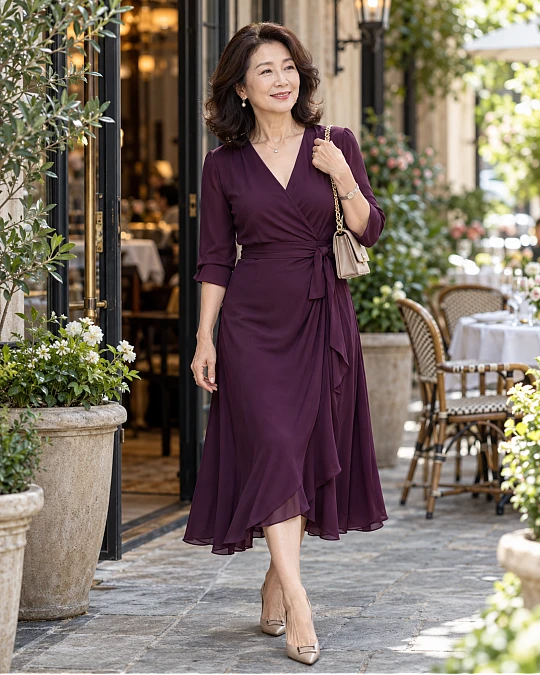
There are moments when separates feel like too much work. A lunch invitation, celebration, or special dinner can be easier to dress for when you already have one reliable dress.
You don’t need a large collection. One or two dresses that fit well and suit your lifestyle can cover many occasions.
A Simple Midi Dress That Can Be Dressed Up or Down
A midi dress is often a practical choice because it offers coverage without requiring a floor-length style.
Shirt dresses, wrap-inspired dresses, and gently fitted knit dresses are all worth trying.
Look for a length that falls at a point you like on your legs. Midi lengths vary, so don’t assume the same hem will suit every woman.
A dress with a defined waist can create shape, but a relaxed straight cut may be more comfortable for you.
The fabric makes a difference. A substantial jersey can work for casual days, while crepe or a softly draped woven fabric can feel suitable for dressier plans.
For a daytime outing, wear your dress with flats and a cardigan. For dinner, change to elegant shoes, add a structured jacket, and carry a smaller handbag.
A Skirt That Works With Both Knits and Blouses
A simple skirt can create several outfits when you already own the right tops.
A-line midi skirts are comfortable for many people because they allow movement around the hips and legs.
A gently pleated skirt can also look lovely, especially in a fluid fabric that doesn’t create unnecessary bulk around the waistband.
Try a skirt with a fine-knit sweater for lunch. Change to a blouse and blazer for a celebration or evening event.
Choose a color or print that works with at least two tops you own. That makes the skirt a useful part of your wardrobe rather than something you only wear once.
For formal weddings or black-tie occasions, you may still need a special outfit. A versatile everyday dress doesn’t have to cover every dress code.
The Shoes That Make Your Clothes Work for Different Occasions
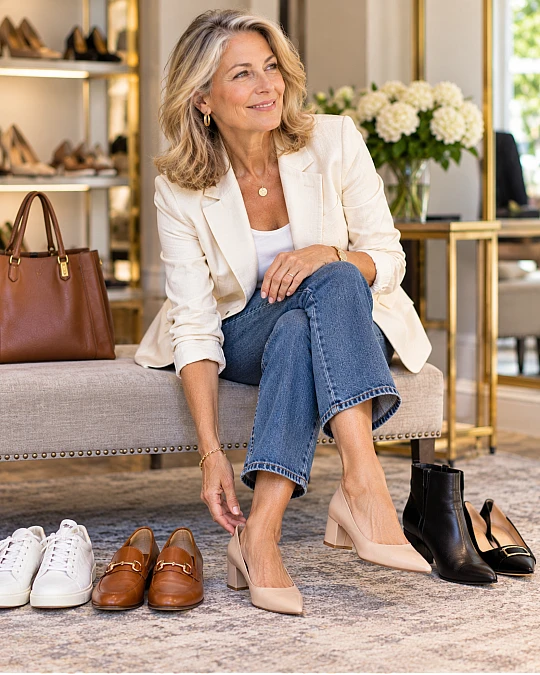
Even a well-planned clothing collection can feel limited when you don’t have shoes that suit your plans.
Fortunately, you don’t need a different pair for every outfit. A few comfortable styles can handle most days.
The best mix often includes clean sneakers, loafers, ankle boots, and one pair of dressier shoes.
Comfortable Shoes Can Still Look Elegant
A neat leather or leather-look sneaker can work with jeans, relaxed trousers, and many casual dresses.
Loafers are another useful choice. They look more formal than sneakers but can still provide good support for daily wear.
Choose a toe shape and width that feel comfortable. Shoes that pinch your feet or slip at the heel will rarely become favorites.
For dressier occasions, consider low block heels, elegant flats, or refined ankle boots.
You don’t need high heels to look polished.
Repeat These Outfit Formulas Instead of Buying More Clothes
Once you have the right basics, you can create outfits by changing one or two pieces.
These combinations can serve as starting points rather than strict rules.
| Occasion | Easy Outfit Formula | Why It Works |
|---|---|---|
| Grocery shopping or errands | Straight jeans + cotton T-shirt + sneakers | Comfortable and neat without feeling dressed up |
| Lunch with friends | Tailored trousers + fine-knit sweater + loafers | Soft textures with a polished shape |
| Work or meetings | Dark trousers + blouse + blazer | Clean lines create a professional look |
| Dinner out | Dark jeans + draped blouse + ankle boots | Dressy details balance the relaxed denim |
| Family celebration | Midi dress + structured jacket + elegant flats | Comfortable for sitting, walking, and socializing |
| Travel day | Ponte pants + soft top + cardigan + sneakers | Stretch and easy layers suit changing temperatures |
Try this: Choose one outfit you already enjoy and photograph it. Then create a second version by changing only the shoes, top, or jacket.
Keep the pictures on your phone. They’ll give you quick ideas on busy mornings when you don’t feel like planning an outfit.
How to Build Your All-Occasion Wardrobe Without Starting Over
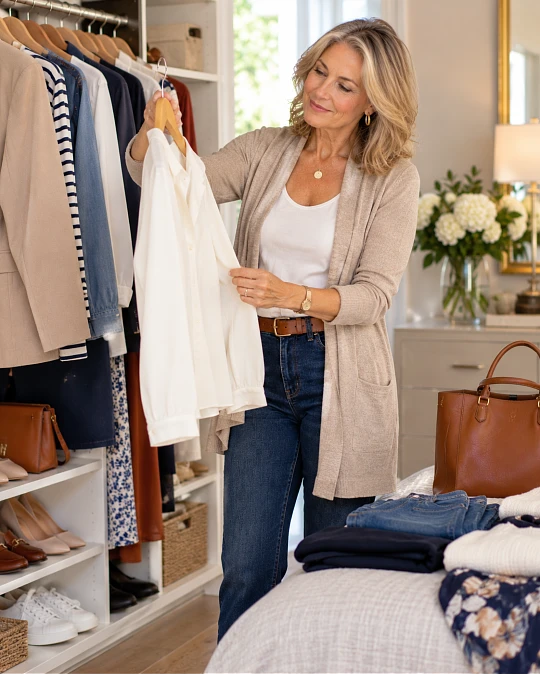
Building a useful wardrobe doesn’t mean throwing out everything you own.
Start by looking at the clothes you wear most often. Notice which pieces feel comfortable, suit your routine, and make you feel like yourself.
You may already own many of the wardrobe essentials for women over 50. The real problem could be a missing jacket, a poor trouser fit, or shoes that don’t work with your favorite dresses.
Start With the Clothes You Already Love
Pull out your most-worn jeans, trousers, tops, and dresses.
Try creating three complete outfits using only those pieces. One should work for an ordinary day, another for lunch or a casual gathering, and the third for a dressier invitation.
If you struggle to finish an outfit, identify the exact piece that’s missing.
For example, you might own several attractive blouses but no trousers that fit comfortably. In that case, buying more tops won’t solve the problem.
Choose Colors That Mix Without Feeling Boring
A simple color plan can make a small wardrobe more useful.
Choose one or two main neutral colors for your bottoms and jackets. Navy and cream, charcoal and camel, or black and ivory are possible combinations.
Then add two or three colors you love wearing near your face.
That could mean a soft blue shirt, a burgundy sweater, or a green blouse. The colors don’t have to be muted just because you’re over 50.
When pieces share a similar color palette, they are usually easier to combine.
Spend More on the Pieces You Wear Most
Your clothing budget should reflect your actual life.
If you wear jeans four days a week, getting the fit right may be more valuable than buying an expensive dress for a single dinner.
Think about cost per wear. A pair of trousers worn regularly can be a better purchase than something cheaper that stays in the closet.
You can also save money by altering clothes you already own, caring for your shoes, and choosing fabrics that wash well.
Build Around Your Own Daily Uniform
A personal uniform is simply an outfit combination you know works.
It might be straight-leg jeans, a fine-knit top, and a blazer. Or it could be wide-leg trousers, a soft blouse, and comfortable flats.
Once you’ve found your favorite formula, vary the colors and fabrics rather than constantly searching for new outfit ideas.
Comfort upgrade: If your preferred outfit works visually but feels uncomfortable after a few hours, adjust the fit or fabric before giving up on the style.
The most useful wardrobe is the one that supports how you actually live.
Frequently Asked Questions
What clothes should every woman over 50 have in her wardrobe?
A useful starting point includes well-fitting jeans, tailored trousers, quality T-shirts, a button-down shirt, a soft sweater, a blazer, and a versatile dress. Comfortable shoes and a practical outer layer help complete the collection. You don’t need every item if it doesn’t fit your lifestyle.
How can I dress stylishly over 50 without looking too formal?
Combine one polished piece with something relaxed. Try tailored trousers with a simple knit, or straight-leg jeans with a structured blazer. This balance creates an attractive outfit without making you feel overdressed.
What colors are best for a wardrobe after 50?
There is no single color palette that works for everyone. Navy, cream, charcoal, camel, and chocolate brown are useful neutrals, while burgundy, teal, blue, and green can add personality. Choose shades you enjoy wearing and that work well together.
Can women over 50 still wear jeans, sneakers, and trendy clothes?
Absolutely. Jeans, sneakers, and current fashion trends are not limited by age. Focus on fit, comfort, and how the pieces work with the rest of your outfit. You can enjoy new styles without replacing your whole wardrobe.
How many clothes do I need for a capsule wardrobe over 50?
There is no required number. Some women enjoy a small capsule of around 20 to 30 clothing pieces, while others need more for work, seasons, and special events. Start with enough versatile pieces to cover your weekly routine, then add what is genuinely missing.
Final Thoughts: A Wardrobe That Works for Your Real Life
The best wardrobe isn’t the largest or the most expensive. It’s the one that makes you feel comfortable, confident, and ready for your day.
Great style after 50 comes from knowing which fits, fabrics, colors, and combinations work for you. There is no need to follow every trend or give up clothes you love.
Start with one outfit you already own. Make a small adjustment, notice what feels better, and build your personal style from there.