
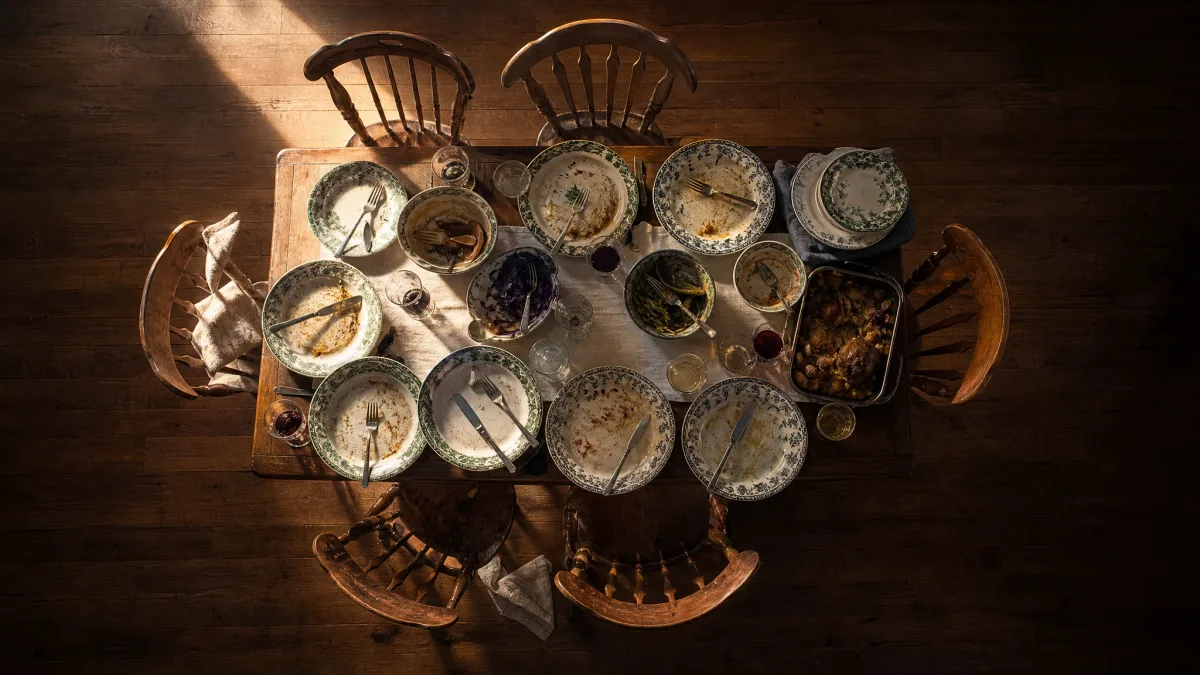
Why does a normal hiccup feel like a disaster on the day? That question has a plainer answer than it seems, and it settles most of what this article is for. You are already bracing for the same argument, the same silence, the same meltdown at the same table. Picture the actual shape of it: nine people from three households, two nights under one roof, one shared kitchen, one guest room plus an air mattress. The pressure starts before anyone arrives.
The flashpoint is rarely the burned side dish or the dinner that lands late.
It is the gap between the holiday the family has a picture of and the setup it actually has to run on. Nothing is failing because love is missing. Eight predictable pressure points are doing the damage, and a pressure point can be seen before it pops.
By the end you will be able to name all eight, pick the two or three most likely in your family, and leave with one rule or exit route agreed before the visit. The argument may still come. It will have a boundary around it, and that is what changes the day.
Quick Tips Before You Start
Name the script
Write down the two traditions that actually matter and let the rest flex.
Change one cue
Switch seating or who carves to break the old role assignment.
Assign zones
Give one person the kitchen, one the seating, one the gifts.
Decide the drinks
Set the alcohol rule before the first pour, not after the first argument.
Plan for absence
Name the missing person early and allow one exit without debate.
The Setup
The first three triggers are already in the room before anyone sits down. They come from the script everyone carries, the roles everyone gets handed at the door, and the pile of small decisions no one assigned.
None of these are about the food or the napkins. They are about the gap between the holiday you imagined and the one your family actually runs — and that gap is where the first snap happens.
1. The perfect-holiday script sets everyone up to fail
There is a shared picture in every family of how the day is supposed to go. Dinner sits down at 4, the table is calm, gifts get received with the right face, and nobody needs a door to close.
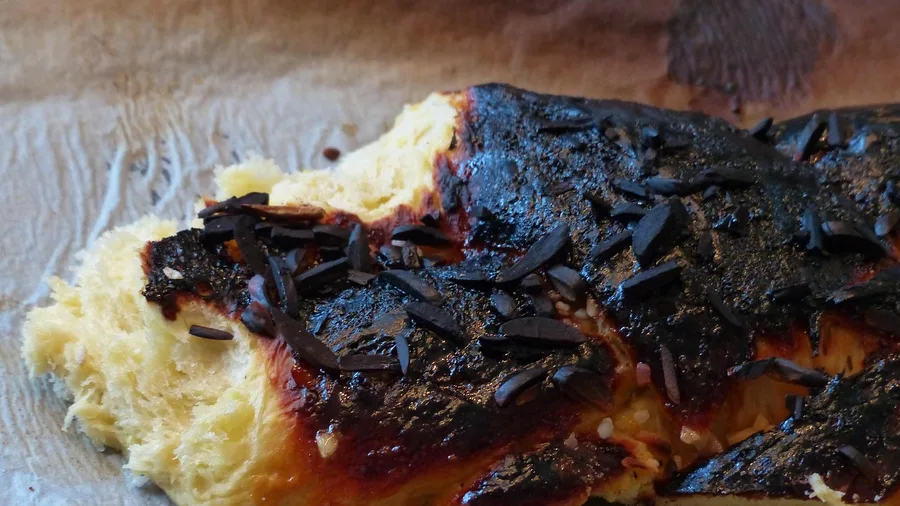
Then the real day arrives. The meal slips to 5:30, one side dish burns at the edge, and the child under 10 will not stay in a chair for the length of a toast. The distance between the imagined 4 p.m. table and the actual one is ordinary, the kind of drift any kitchen produces.
What makes it feel like a disaster is the reading, not the drift. 5:30 gets heard as failure, the burned edge as carelessness, the restless child as a judgment on someone's parenting. When a plan and a reality sit that close together, the gap gets scored as verdict rather than adjustment.
The families that come through it calmer tend to protect one or two traditions and let the rest flex, saying the thing out loud before the day: "We eat when the turkey's ready, not at four. If the sweet potatoes go wrong, we eat them anyway. And we're not waiting on the table to be perfect to sit down." The script works better as a menu than a test, and naming the mismatch in advance turns it from a failure into a decision someone already made.
💡 Tip: The script is a menu, not a test. Name the mismatch out loud before the day and it turns from verdict into adjustment.
Same gathering, two mindsets
How the setup changes the odds
2. Old family roles snap back within minutes
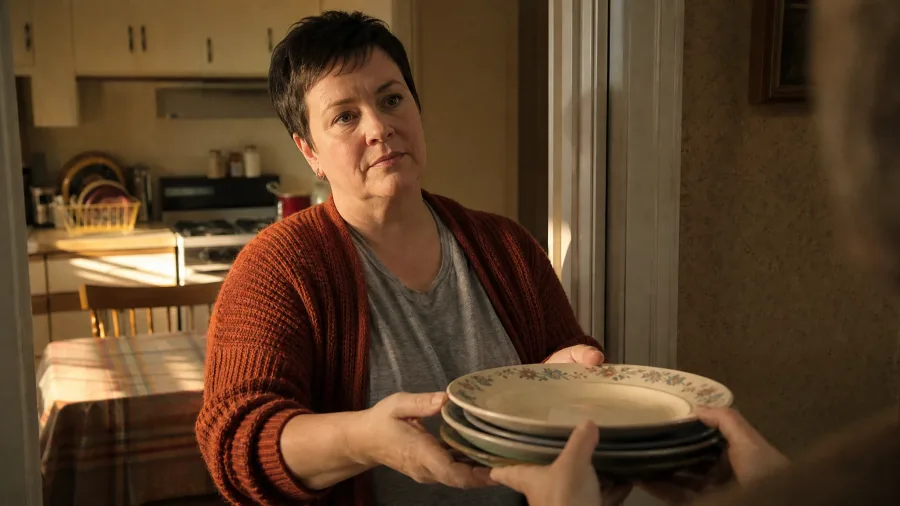
"You always do this, just set the table like you're told." The words come out before you've taken off your coat, and you're fourteen again with a stack of plates in your hands.
The instinct is to argue about the tone, to point out that you run a team of nine at work and don't need to be told how to fold a napkin. But the room is doing something older than that. The same kitchen, the same seating, the same voice over the same counter sets the same part: the peacekeeper, the screw-up, the one who needs managing. Nobody assigns it. The cue does.
Arguing the feeling is a dead end. What tends to work is changing a small physical thing before anyone arrives: who carves, who sits where, who pours. Naming it lightly helps too, "there's the old chore chart," said with enough warmth to land as a joke rather than a grievance. You're not fighting the role. You're breaking toxic family patterns by moving the cue that hands it back.
Is the script too tight?
Based on a typical 9-person, two-night gathering.
3. Small decisions pile up faster than anyone plans
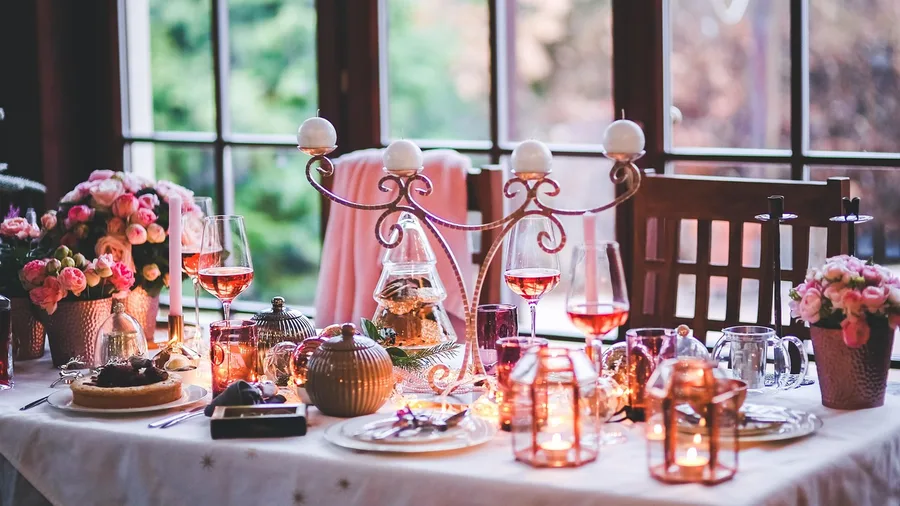
The cost is patience, and it drains faster than anyone tracks. Four or six at dinner, who sits by the door, whose playlist, which cousin drives to pick up Grandma, cloth or paper napkins, whether the extra chair comes out. Each call is small. There are dozens of them by dinnertime.
Once the roles are set, each of those small calls stops reading as a choice and starts reading as a move: who gets to decide the timing, who claims the good seat, who is overruled on the music. The napkins aren't napkins. They're a vote on who's in charge.
By late afternoon the bandwidth is gone, and the person who asks one more question catches the snap. The move that helps is to name an owner for each zone before the visit: one person on the kitchen and timing, one on seating, one on gifts. The others can then genuinely opt out. One owner per zone beats a family vote on every napkin.
💡 Tip: Write the zones on a sticky note on the fridge. When a question comes up, point to the owner.
The Pressure
The next three triggers build under one roof. They are about shared space, shared money, and shared drinks — the places where the gap between what people expect and what they get becomes visible to everyone in the room.
The pattern is the same: something unequal is being performed in public, and no one has said the real rule out loud.
4. Shared space hides an unequal division of labor

Four hours of active cooking and cleanup, mostly on one person, while eight others sit in the same square footage with nothing on their list.
That is the arithmetic nobody explains out loud. A first-time host and someone who has run this meal for 20 years can stand in the same kitchen with completely different maps – the veteran sees the four hours as tasks to hand off, the first-timer absorbs them silently because it has not occurred to them that handing off is allowed. The same kitchen, the same meal, two different readings of who does what.
The guest room goes to one household, the air mattress to two people who have no door to close for the weekend. Neither group has a to-do list taped to the fridge, so the work lives only in the host's head and the guest's blind spot. By the second day, the cook has stopped asking for help and started keeping score.
Once the scoring starts, the requests flip. 'Can someone grab the plates' lands like an accusation, because the host has already spent two days noticing who did not offer. And a guest stretched out on the couch with a book, genuinely relaxing, looks to the host like someone who came here to be served.
Families that handle this put a two-line list on the fridge before anyone arrives: who does dishes, who drives Grandma, who buys ice. It takes the host about three minutes and removes the guessing. Then give the host one full break – one meal, one afternoon, where they are not on duty.
🗓️ Before the first guest arrives
Name the live trigger
Pick the one or two likely to hit your family this year.
Decide the rule
Write one sentence that covers the trigger — a time, a limit, a zone owner.
Say it out loud
Tell the household and the guests before the day, not during.
Set the exit
Agree on one way out: a walk, a quiet room, a 'we don't do that at the table' line.
Rehearse one sentence
Have the exact words ready for the moment it starts.
5. Gifts and money become a silent scoreboard
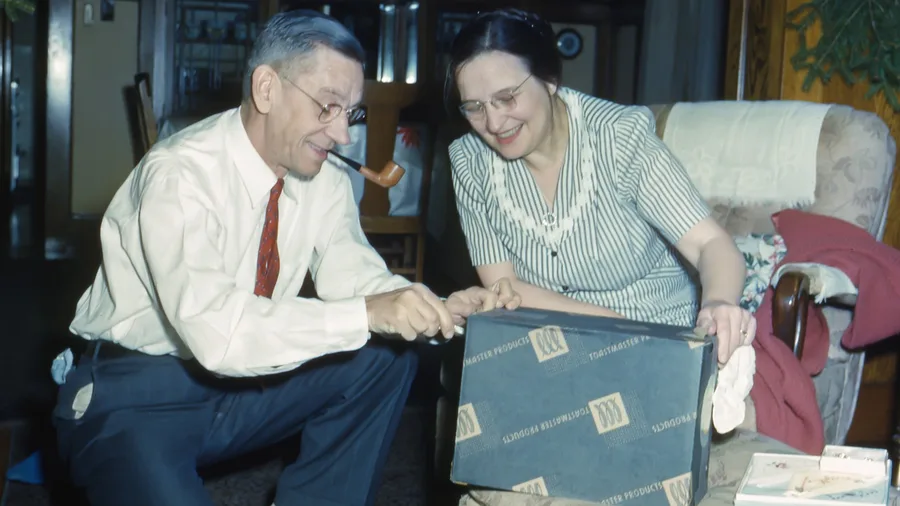
The standard advice is that gifts should be thoughtful, not expensive. In a room where one household drove and one flew, and the $40-per-person limit gets unwrapped in public, that advice describes a feeling nobody can keep.
What people who study family ritual and exchange keep finding is that the gift is never just the object. The wrapping comes off, and cost, effort, and the thank-you all become legible at once. A meticulous $40 gift sits beside one that quietly cleared $100. A handmade piece beside a store-bought box. The comparison is real and visible; what each person reads into it is where the trouble lives.
The receiver feels exposed. The giver feels unappreciated. And nobody says the number out loud, so the scoreboard runs on silence. Labor is one invisible ledger; money and gifts make another, and this one gets printed in front of an audience.
Families that do better take the ranking out of the room before anyone wraps anything. Set a hard limit. Share wish lists. Switch to a name-draw so nobody is performing wealth at the tree. Those decisions get made before the visit, because after the wrapping paper opens, the verdict is already delivered.
💡 Tip: If one household flies in, switch to a name-draw and set a $40 cap. The car-versus-plane gap is not a character flaw.
6. Alcohol lowers the filter that usually keeps the peace

Two glasses of wine in, the cousin who usually lets a comment slide leans back and delivers the remark in a full sentence, to the whole table, with the child still working through their plate.
The topic was always loaded – politics, a loan never repaid, an old injury – and it had been kept quiet until the drinks arrived. One or two lower the filter enough to turn a manageable irritation into a speech. The room splits. The two adults who do not drink spend the rest of the evening doing damage control while the ones who do sit content, and somebody leaves the table early.
The cost does not show up that night. It shows up in the months of calls and the year of texts nobody sends after. Decide before the first pour whether alcohol is served, put a nonalcoholic option of equal quality on the table, and agree to one rule: no politics at the table.
The History
The last two triggers are the deepest. They are not about the day at all — they are about what the day makes louder. Unresolved history and unspoken grief do not need a new argument to surface; they will borrow one.
The pattern is the same: the gathering puts everyone in the same room with the old story and adds a deadline.
7. Unresolved history is sitting at the table
The first several years of hosting, the assumption was that a fight about the timing of dinner was a fight about the timing of dinner, and it could be settled by getting the timing right. It almost never was. The year two people went at each other over a 4 p.m. table that slipped to 5:30, the actual subject had been going since a funeral eleven years earlier and had simply found a new place to stand.
The holiday does not open the old wound. It seats everyone in the same room as it, then hands the room a deadline. The same chairs, the same toast raised in the same order, the same cousin who has never said the sentence that would close it, and only two nights to get through before everyone drives home. Under that clock, letting it wait another year starts to feel like losing.
So a forgotten card or a flat tone of voice lands harder than it should. Watch the face across the table when the side dish comes out dry and someone says, mildly, that this is why they offered to bring it: the response is three sizes too large for a burned vegetable because it is hauling a decade behind it. The old argument has put on a new subject and sat down in its usual chair, kinder or bitter by the decade.
The families that get through this decide, before anyone arrives, what the gathering is for. Celebration or repair, not both at one table. A short visit, a topic set aside by agreement, a separate smaller meeting for the hard conversation with only the people it belongs to. Deciding that in advance keeps the eleven-year-old thing out of the dining room, where it has never once been settled.
💡 PRO TIP
The one-sentence rule
Pick the trigger you can name honestly and say the rule out loud before the visit. 'We're not doing politics at the table this year' works better than hoping for the best.
8. Grief and absence make the room louder, not quieter

Because the missing person is still at the gathering. The chair stays empty, the toast that belonged to them goes ungiven, and the holiday has no line in its script for the one thing the room is most aware of.
Here is a ten-second test. Think of the person who is not at the table this year. Can you name the moment the gathering will hold for them, or does your plan for the day have a blank there? If you can name it, the room has somewhere to put the feeling. If the plan has a blank, the feeling will find somewhere else to go, and it will not be a place anyone chose.
The blank gets filled with noise. Someone runs the kitchen too hard, someone has a third drink before the main is served, someone picks a fight about the seating or the drive home, and the volume climbs because the room is trying to talk over the silence. What looks like a fresh conflict is rarely the subject; the subject is the person no one has mentioned.
The workable form is small and said early: 'We're setting a place for Dad, and anyone can say one thing or pass.' Then let one person leave the table without a debate about it. That is a ritual and an exit, not a demand that everyone perform cheer. It gives the absence a place to sit, and the room does not have to get loud to hold it.
💡 Tip: If the absence is recent, a short ritual — a place setting, a single sentence — does more than a forced toast.
The eight triggers at a glance
📜 Script
The imagined day vs. the real one
🪞 Roles
Old parts reassigned at the door
📋 Decisions
Dozens of small calls, no owner
🧽 Labor
Four hours of work done by one
🎁 Money
The $40 limit becomes a scoreboard
🍷 Alcohol
One more glass, one more speech
Hidden depth
History and grief sit under all six — they are the reason the same argument keeps returning.
Frequently Asked Questions
What if I'm not the host — can I still head off a trigger?
Yes, but you have to work with what you can control. Pick one small decision you can own before arrival — bringing the ice, setting the playlist, handling the seating chart — and say so in advance. Owning one zone reduces the host's decision pile and gives you a legitimate way to redirect a snap.
How do I bring up the alcohol rule without sounding preachy?
Keep it practical and shared: 'I'm doing sparkling water with dinner this year — can we keep the table politics-free?' Framing it as your choice rather than a rule for others lowers the stakes. If the host serves alcohol, ask for a good nonalcoholic option of equal quality so the sober guests are not stuck with tap water.
What if the old argument starts anyway?
Have one sentence ready and use it early: 'We're not doing that at the table tonight — let's take it outside later if we need to.' Then change the physical scene: pass a dish, pour water, ask the child a question. The goal is not to win the argument; it is to move it away from the table so the rest of the room does not split.
Is it okay to skip a family holiday entirely?
Yes. If the gathering is the place where the same wound reopens every year, a shorter visit or a separate smaller visit can do more for the relationship than a two-night stay. The useful test is whether anyone has done the repair work — if not, the holiday is not the setting for it.
What if the person who died is the one everyone is avoiding talking about?
Name the absence early, with a concrete ritual: a place setting, a toast, a moment where anyone can say one thing or pass. The goal is to give the grief a place at the table so it does not borrow an argument. Allow one person to leave the table without a debate — that exit is part of the ritual, not a failure of it.
Pick the trigger that is already live, then set one rule
The thing worth hearing plainly: the gathering is not a referendum on how much your family loves each other, and the eight triggers are predictable enough to plan around. The evidence is already in front of you. Nine people, three households, two nights, one shared kitchen, one guest room plus an air mattress, a 4 p.m. dinner for ten, and about four hours of active prep and cleanup landing mostly on one host.
So make one decision before anyone arrives. Name the single trigger already live in this family and set one rule or exit route around it out loud, to the people who need to hear it, while the visit is still ahead of you.
Then picture that 5:30 kitchen again: the same burned side dish, the same child under ten refusing to sit still. The side dish will still burn. But you will have already decided how the evening goes, and no dinner runs on guesswork that has been taken off the table.
Name the one trigger, set the rule
Before the next gathering, pick the trigger already live in your family and say the rule out loud. One sentence is enough.