

The afternoon light shifts across the room, marking time while a half-formed intention to start something new remains just that: an intention.
For many individuals after 60, there's a distinct sense that time has opened up, yet a persistent feeling of inertia or stagnation prevents action.
This isn't about a lack of opportunity, but often stems from specific, unconscious habits of thought and action that have become invisible weights.
Understanding these common patterns allows you to consciously release them, opening new avenues for meaning and active forward movement. Here are seven ways you might be holding yourself back, and concrete steps to begin shedding these burdens for a future that feels expansive and alive.
Quick Tips Before You Start
Journal Your Feelings
Write down what makes you feel stuck without judgment to identify patterns.
Move Your Body
Even a short walk can shift your perspective and break mental inertia.
Talk to a Friend
Share your feelings with someone you trust; fresh eyes offer new insights.
Try One New Thing
Pick something small and novel, like a new coffee shop or a different route home.
Block Out Time
Schedule a weekly hour for pure personal exploration, no agenda.
1. Holding Onto Past Identities Blocks New Paths

"I just don't know who I am anymore." This sentiment often surfaces when significant life transitions occur, like retirement or when the last child leaves home. Core identity roles, which once defined much of your daily existence, can shift without warning, leaving a profound void where purpose used to be.
Continuously identifying as "the successful executive" from two decades ago, or "the devoted parent" whose children are now grown, can overshadow your present interests and capabilities.
This fixation on a past self acts as an invisible weight, an anchor that keeps you looking backward instead of exploring what lies ahead. It subtly prevents the discovery of new interests and capabilities.
You might dismiss a renewed passion for painting because "I was always the numbers person," or someone who led large teams might feel they have "no one to lead anymore." These self-imposed limitations block opportunities that don't fit the old narrative, draining energy better spent on what is possible right now.
Actively seeking new avenues for engagement, like volunteering at the local library or joining a hiking club, offers pathways to new personal definitions.
Identity Transformation
2. Refusing New Experiences Shrinks Your World

Refusing new experiences often comes from a quiet fear of looking foolish or failing, whether it's joining a beginner's dance class or attempting a new skill. This avoidance keeps you within safe, familiar boundaries.
What feels like caution actually creates an invisible weight, steadily shrinking your world. Opportunities for novel joys, new friendships, or unexpected discoveries are blocked when you don't step outside your comfort zone.
Instead of missing rich, engaging experiences like learning a new language or visiting an unfamiliar city, start small. Try a new restaurant, take a different route for your daily walk, or attend a local workshop on a new hobby.
⚠️ COMMON MISTAKE
Mistaking Fear for Wisdom
It's easy to rationalize avoiding new things as 'being sensible' or 'knowing yourself.' Often, it's just fear in disguise, which can lead to a surprisingly monotonous life.
3. Comparing Yourself to Others Stifles Joy
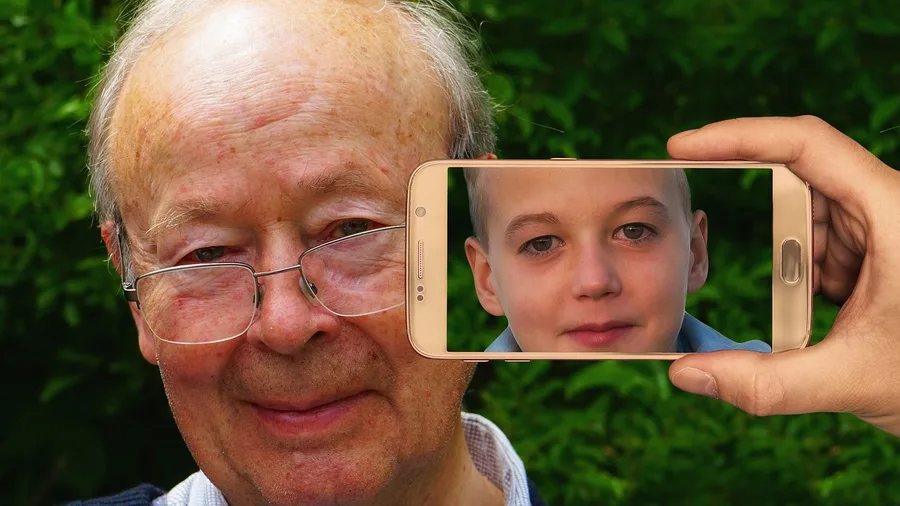
You see a friend's travel photos from their post-retirement cruise, or remember your own strength on a hiking trail at age 30, and a quiet sense of inadequacy creeps in.
This constant measuring of your current self against others' perceived successes, or against a past version of yourself, is an unfair and ultimately futile exercise. It creates an invisible weight of unattainable expectations, stifling present joy instead of fostering appreciation for your own life.
Rather than seeking external validation, acknowledge your unique life experiences and current capabilities, like mastering a complex recipe or successfully renovating a garden. Celebrate your personal growth, resilience, and the wisdom gained over decades.
Comparison vs. Contentment
Comparing Yourself
- Focus on others' perceived success.
- Generates feelings of inadequacy.
- Ignores your unique journey and strengths.
- Leads to wishing for a different life.
Cultivating Contentment
- Recognize personal achievements and growth.
- Fosters appreciation for your own life.
- Highlights individual resilience and wisdom.
- Opens space for new self-defined joys.
4. Perfectionism Stops You From Starting

The common advice to 'start strong, finish strong' can become a quiet obstacle, especially with new pursuits. For many, approaching an unfamiliar activity after 60, like learning to play the ukulele or embarking on a memoir, brings an expectation of flawless execution right from the outset.
If the mere thought of a messy first draft, or an uncertain chord from a new instrument, stops you from even beginning, that's perfectionism at work. This relentless pursuit of the ideal acts as an invisible weight, stifling the genuine joy of iterative learning and creative exploration.
Ask yourself this: 'Do I often delay starting something new until I'm absolutely certain I can do it perfectly?'
If your honest answer is often yes, this pattern is likely keeping a wealth of potential experiences out of your life. It's not about lacking ability; it's about an unrealistic standard applied to the very first steps.
Embracing the concept of 'good enough' allows for genuine progress and completion. A painter beginning a new canvas understands that initial strokes are part of the process, not a final critique. That wobbly first attempt at a new dance step, or the incomplete outline of a story, are not failures but milestones of engagement.
The true value lies in the effort, the experimentation, and the experience itself. Prioritizing the act of doing, rather than the pressure for an impeccable final outcome, allows you to discover new facets of yourself and the world.
Perfectionism's Grip
How it impacts new ventures after 60
Based on general observations of adult learning patterns.
5. Reliving Past Mistakes Prevents Forward Momentum

Continuously replaying a 'wrong' financial decision made decades ago, or an opportunity not taken in a career, drains mental energy that could be spent on present pursuits.
This persistent dwelling on the past acts as an invisible weight. It anchors you to what was, effectively preventing full engagement with current possibilities and any meaningful planning for your future.
There's a distinction between extracting lessons from past experiences and endlessly re-hashing regret without constructive action. You can observe a past investment choice and adjust future strategies without dwelling on the 'what ifs.' Practice self-forgiveness for past choices, recognizing that you made the best decision you could with the information available to you at that specific time.
Direct your focus to current agency. Taking steps today, like volunteering for a cause important to you, or dedicating time to a new skill, can actively create new, positive narratives for your future.
🕰️ When Reflection Becomes Stuck
Acknowledge the Event
If a specific memory resurfaces daily for more than a week, it's stuck.
Identify the Feeling
Notice the physical tension or emotional drain each time the thought arises.
Extract the Lesson
If no new learning emerges after two attempts, there is no more to extract.
Practice Self-Compassion
Acknowledge that all decisions carry unforeseen consequences, not just yours.
Re-focus on Today
Interrupt the thought with a planned, immediate small action like a walk or making a call.
Visualize the Future
Schedule one new activity for next week directly tied to a current interest.
6. Always Prioritizing Others Drains Your Energy

For three decades, you might have been the primary chauffeur for family, the dependable organizer for community events, or the first call for any need. This lifelong habit of consistently placing the needs of children, grandchildren, or community members before your own has a cumulative cost, leading to personal depletion.
This constant giving acts as an invisible weight, leaving minimal energy or time for personal well-being, hobbies, or aspirations. The calendar fills up with others' appointments and requests, pushing your own desires further down the list, often indefinitely.
It is not that helping others is ever wrong. The invisible weight comes from making it your default, the expectation others have of you, and the expectation you have of yourself. The key difference lies in whether you are consciously choosing to help from a place of abundance, or habitually reacting from a place of obligation that leaves you drained.
Recognize that self-care is not selfish; it is a foundational necessity to genuinely support others without burnout. Scheduling a weekly uninterrupted hour for reading, a solo walk, or a quiet coffee is not a luxury, but a strategic investment in your capacity to engage with life and others meaningfully.
Practice setting healthy boundaries. This can look like politely declining an extra commitment if it overextends your schedule, or suggesting a different day if a request doesn't align with your existing plans. The goal is to manage your energy, not to cut off connection.
Communicate personal needs effectively and without guilt. Instead of a lengthy justification for saying no, simply state: 'I can't this afternoon; I need to rest,' or 'I'm not available that day.' You do not owe an explanation for needing time for yourself.
💡 Tip: A quick way to check your boundaries: If a 'yes' to someone else feels like a 'no' to yourself, it’s time to re-evaluate.
7. Ignoring Well-Being Limits Your Future Options

It's easy to overlook your own fundamental well-being, especially when other demands feel urgent. You might cancel a planned walk because moving feels too heavy.
This steady neglect of consistent physical movement, truly nutritious eating, or mental engagement – like engaging with a daily puzzle – chips away at your overall energy and cognitive sharpness. Such patterns create an invisible weight, making active life feel burdensome. This limits pursuits like playing with grandchildren or joining a new club.
A balanced diet, regular daily walks, and consistent mental stimulation directly enable sustained involvement in hobbies like gardening or vibrant community events. They provide the literal fuel and clarity.
Instead of attempting drastic overhauls, implement small, consistent changes. Try a 15-minute walk around the block, or simply add an extra serving of vegetables to one meal. For persistent discomfort or ongoing low mood, professional support from a doctor or therapist can make a significant difference.
Frequently Asked Questions
What's the hardest part about letting go of old habits?
The hardest part is often recognizing the habit itself. Many of these patterns are so ingrained they feel like 'just who you are.' Acknowledging them is the first big step.
How can I start making changes without feeling overwhelmed?
Start small. Pick one single, specific behavior from this list, and focus on one tiny adjustment for a week. For example, instead of 'exercise more,' try 'walk around the block once after dinner.'
What if my family or friends don't like me setting boundaries?
Some people may initially resist changes in your routine, especially if they benefited from your previous habits. Communicate your needs calmly and consistently, and remember your well-being serves everyone in the long run.
Is it ever too late to try new things?
Never. The human brain continues to learn and adapt throughout life. Trying new experiences, even small ones, builds new neural pathways and keeps your mind agile, regardless of age.
What if I feel stuck due to genuine physical limitations?
Even with physical limitations, focus on what you can do. Adapt hobbies, explore accessible activities, and consult with professionals like physical therapists who can help you find new ways to engage.
Your First Step to Unstick
The feeling of being stuck after 60 often comes from carrying what this article has explored: past identities, a fear of newness, constant comparison, the demand for perfection, replaying old mistakes, continuous self-sacrifice, and neglected personal well-being.
Recognizing and consciously releasing even one of these patterns frees up immense mental and emotional energy, clearing space to actively build a vibrant present and future.
You possess the agency to shed these burdens. Begin by identifying just one pattern to address this week, understanding that small, consistent steps create significant momentum. The years ahead are full of potential for discovery, connection, and joy. That half-formed intention, perhaps for a long-deferred passion or a new community, can move from quiet thought to decisive action, starting today.
Ready to Make a Shift?
Revisit the 'Quick Tips Before You Start' section and pick one small action to implement this week. Consistent, small changes build powerful momentum.