

Seventy-two was the exact number of years I had lived before standing in a quiet room with a bouquet of dried lavender, ten years after losing my first husband and eight years into my partner's widowhood.
People expect late-life marriage to be a quiet compromise, but walking down that aisle turned out to be the most radical liberation of my life.
Starting over at this stage alters emotional intimacy, adult family dynamics, and personal autonomy in ways younger years never allow.
By examining how separate independence and mature honesty function, you can decide whether this framework fits your own path to companionship.
Quick Tips Before You Start
Protect Estates Early
Draft formal prenuptial agreements before discussing wedding dates to keep family finances clear.
Keep Separate Spaces
Maintain independent homes to preserve lifelong daily routines and personal autonomy.
Speak Directly
Skip youthful defensiveness and state your needs plainly from the very first month.
1. Emotional Baggage Is Replaced by Radical Emotional Honesty
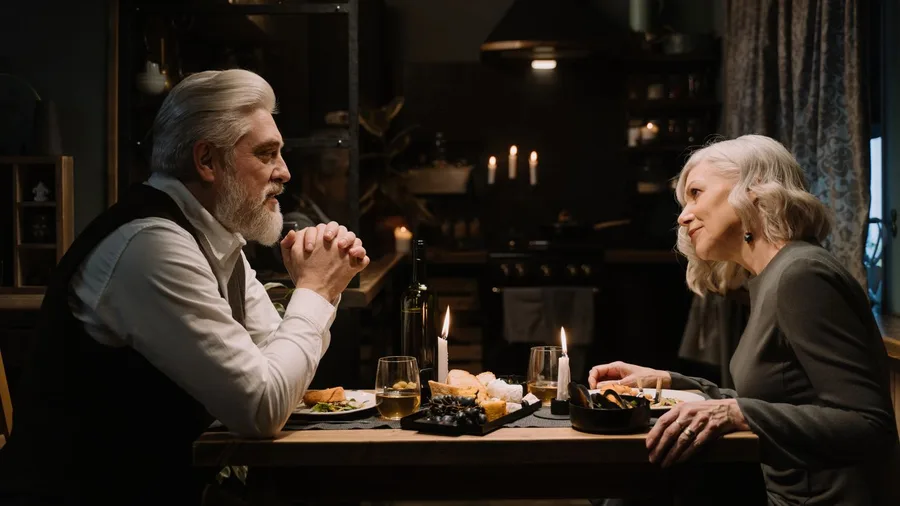
People assume that decades of solitude harden a person into someone who refuses to compromise, but relationship researchers consistently find the exact opposite in mature partnerships. When you have spent years managing a household alone, you realize how quickly petty frustrations steal the limited mornings you have left. The standard advice is to practice infinite patience and let small annoyances slide into the background without a word.
That approach works well in theory until resentment builds up over who forgot to empty the dishwasher. Instead of playing polite guessing games, I found myself laying cards on the table during our second date across a sticky wooden diner booth. I looked right at him and said that I needed three quiet evenings every single week strictly for solitude and writing, expecting him to blink. He simply nodded and said he needed his garage workshop just as badly.
That kind of directness changes the entire architecture of how two people handle a disagreement. Last month, when we sat down over lukewarm coffee to hash out scheduling conflicts for our bi-monthly family dinners with the four kids, the whole thing was settled inside ten minutes. Nobody raised their voice, nobody dragged up ancient history from past marriages, and nobody slammed a door on their way out to the car. When you stop protecting your ego, you find there is remarkably little friction left to fight over.
💡 Tip: State your boundaries in the first month rather than waiting for resentment to build.
| Aspect | First Marriage (Younger Years) | Second Marriage (Age 72) |
|---|---|---|
| Living Arrangement | Shared home from day one | Separate pre-owned condos maintained independently |
| Financial Setup | Merged accounts and joint debt | Separate estates with formal prenuptial agreements |
| Family Dynamics | Raising young children together | Managing relationships with four adult children |
| Decision Timeline | Rapid courtship and career building | 18-month dating timeline focused on present peace |
💡 PRO TIP
The Power of Direct Requests
When you stop expecting your partner to mind-read, you remove eighty percent of daily friction before it starts.
2. Adult Children Need a Completely Different Kind of Reassurance

Our four adult children across both families worried far more about inheritance and estate division than about our emotional happiness. When two older adults decide to formalize a life together, the immediate reaction from the next generation is rarely pure romantic joy; it is a quiet, anxious calculation about real estate deeds and savings accounts. We walked into a tense Sunday lunch at a crowded Italian restaurant where our youngest son stared fixedly at his water glass instead of looking us in the eye.
We addressed the fear of lost inheritance head-on by sitting down with all four children and opening our estate plans for complete transparency. We brought printed legal folders to the table and showed them exactly how prenuptial agreements protected their future claims while securing our current partnership. We drew a strict boundary between our romantic relationship and their financial anxiety, making it clear our assets were protected for them down to the last square foot of property.
Involving our children early transformed their initial suspicion into respectful acceptance of our marriage. When they saw that nobody was trying to disinherit anyone, the defensive posturing melted away into casual conversation about dessert menus.
Estate Transparency — At a Glance
👨👩👧👦 Adult Children
4 Total
📁 Estate Review
Fully Shared
🛡️ Asset Protection
Prenup Secured
Key Takeaway
Financial transparency with adult children stops anxiety from turning into family resentment.
3. Maintaining Separate Living Spaces Preserves Our Hard-Won Independence

Living under one roof is not the only valid proof of a committed partnership.
Keeping our respective pre-owned condos maintained independently allowed us to merge our hearts while keeping our daily routines intact. When you have spent decades waking up to your own squeaky floorboards and custom kitchen counter heights, packing up your entire life into someone else's space feels less like romance and more like an eviction.
Separate homes eliminated the cohabitation pressures and domestic friction that often plague couples with lifelong habits. I kept my condo layout and morning writing routine untouched, visiting his place four nights a week by mutual choice. There were no midnight arguments over whose turn it was to scrub the bathtub or how high the living room thermostat should be set during a cold snap.
Physical space prevented petty domestic disputes over chores and granted us absolute personal autonomy. We never had to negotiate closet space or argue about whether the television stayed on too late into the evening.
When I walk back through my front door on a Thursday afternoon after dinner at his place, the silence that greets me is entirely my own. That quiet threshold is the exact reason our relationship works so smoothly when we are together.
Separate Living Perks
4. Financial Independence Replaces Joint Financial Vulnerability

Maintaining independent roofs required an equally clear and independent financial architecture, built before we ever signed a marriage certificate.
We kept our assets strictly separate with a formal legal prenuptial agreement drafted during our 18-month dating timeline to protect our respective children's inheritances. When you bring decades of accumulated life into a shared partnership, clarity on paper stops money from ever becoming a silent third party in the hallway.
Shared daily expenses for groceries and bi-monthly dinners were split evenly from a dedicated joint household account we both funded equally. Having zero joint debt obligations eliminated the financial friction and vulnerability that strained my first marriage in my younger years, where shared ledgers often masked power struggles.
Financial autonomy freed us to focus purely on companionship without monetary power dynamics getting in the way. Knowing exactly who pays for what leaves room only for genuine affection.
⚠️ COMMON MISTAKE
Merging Finances Too Quickly
Combining bank accounts later in life often stirs up unnecessary anxiety over legacy and children's inheritances.
5. Companionship Takes Absolute Priority Over Societal Milestones
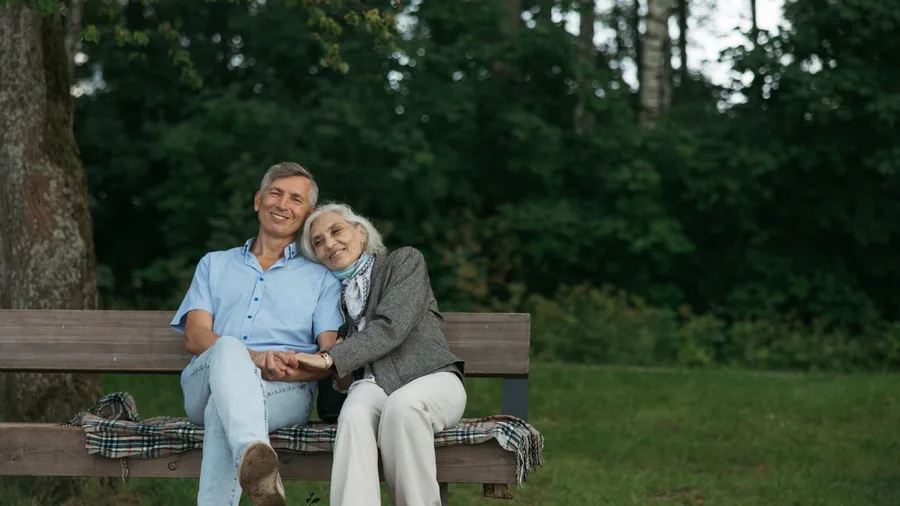
You stand at the registrar's office wearing a simple navy dress, signing a paper while only four adult children look on from the wooden chairs, and you wonder if you are missing out on the pageantry.
Outsiders often assume a small ceremony signals a quiet compromise, but skipping a large traditional wedding actually reflected our true values at age 72, stripping away every ounce of pressure regarding career advancement or child-rearing milestones.
The psychological shift from building a future to simply savoring the present defined those 18 months of dating before we finally tied the knot, proving that peaceful daily companionship matters more than a grand public spectacle.
Our Path to the Registry
6. Social Circles Expand Through Deliberate Choice Rather Than Obligation

The quiet cost of keeping old social obligations is losing the exact peace you spent a lifetime learning how to build. Existing friendship groups reacted with initial surprise when we announced our plans, but we blended our established circles on our own terms rather than falling back into default hosting routines.
We exercised the complete freedom to say no to draining social obligations and unwanted dinner parties that existed out of sheer habit. Saying no to a crowded Saturday evening meant we had the energy for what actually mattered on Sunday morning.
We bonded over shared hobbies like weekend art classes and garden tours, dropping social commitments that felt burdensome. Deliberate social choices enriched our days with people who genuinely matched our energy, leaving no room for polite exhaustion.
Curating who sits at your table changes the texture of ordinary weeks entirely.
7. Health Vulnerabilities Are Faced as a Team From Day One

Within ten years of solitude, I had learned to manage every minor fever and structural rattle in my condo alone, operating under the quiet assumption that self-reliance was the price of survival.
We stopped pretending we were invincible the moment we mapped out power of attorney and future chronic care during our first year together, trading youthful denial for the practical comfort of shared medical paperwork.
When his knee surgery collided with my stubborn autumn bronchitis, nursing each other through real physical vulnerability built an unshakable trust that replaced the quiet fear of aging alone.
💡 Tip: Discuss medical power of attorney before a health crisis forces the issue.
8. Past Grief No Longer Competes With Present Joy

I used to think that loving a new person meant packing away the framed photograph of the spouse who built my kitchen table, as if affection were a finite currency that had to be earned back from the dead.
Ten years of widowhood for me and eight for him turned out to be enough time to let both realities coexist peacefully on our living room shelves, where honoring our late spouses created an emotional sanctuary rather than a battlefield of jealousy.
Acceptance from my new partner healed my old wounds without erasing them, proving that a human heart expands to hold simultaneous grief and gratitude when you finally stop asking it to choose.
9. Daily Routines Require Conscious and Deliberate Negotiation

You stand in the hallway at 9:15 PM watching the light slip beneath his bedroom door while your own lamp stays bright over an open novel. Merging two set-in-our-ways personalities after decades alone requires a quiet kind of patience and a genuine sense of humor about our fixed quirks.
When we spent our 18-month dating timeline navigating minor lifestyle clashes, his 9:00 PM sleep schedule versus my midnight reading habit felt like a major logistical puzzle. That specific difference meant structural compromise rather than any grand attempt at behavioral reform.
Psychological flexibility at age 72 meant laughing at our stubbornness rather than trying to change each other into different people. If you find yourself rolling your eyes at his precise way of loading the dishwasher or my insistence on leaving the kitchen counters completely bare, pause to ask whether the habit actually harms anything or simply feels unfamiliar.
If you try to synchronize every daily habit to match a shared blueprint, you invite unnecessary friction into a home that should offer peace. But if you answer honestly that you prefer your independent rhythms, you discover that separate routines protect affection rather than diminish it.
Preserving our alone time across our separate pre-owned condos kept our daily affection fresh and kept domestic friction remarkably low. Having our own spaces meant we could retreat to our preferred schedules without negotiation whenever the friction of cohabitation started to show.
The mechanics of daily life worked only because we stopped treating each other's habits as personal slights to be corrected. Letting go of the urge to reshape a partner after seventy years of independence turned routine compromises into an easy rhythm.
10. The Perspective of Limited Time Deepens Daily Appreciation

Seven decades of accumulated history teach you precisely how fast a Tuesday morning vanishes into thin air. When my husband and I settled our daily schedules into a comfortable rhythm, the acute awareness of our limited years gave every shared cup of coffee an undeniable weight and urgency.
Younger couples often spend precious hours debating who left the kitchen drawer open or whose turn it is to drive, operating under the quiet illusion that time is an infinite resource to be squandered on ego. Mortality awareness acts as an instant solvent for those petty grievances, dissolving a brewing argument about dinner plans within minutes because neither of us is willing to sacrifice a single peaceful afternoon to stubborn pride.
The ultimate psychological reward of remarrying at 72 has been discovering a connection completely unburdened by the illusions or performance anxiety of our twenties. By building a sanctuary of deep emotional peace in our separate condos, we proved that companionship becomes infinitely sweeter when you finally understand how briefly you get to hold it.
Frequently Asked Questions
Is it practical to maintain separate homes after remarrying?
For many older couples, keeping separate condos or apartments eliminates daily domestic friction and preserves established personal routines. It allows you to share companionship on your own terms without arguing over chores.
How do you handle adult children's concerns about inheritance?
Transparency is key. Sitting down early with adult children to review formal prenuptial agreements and estate plans removes financial anxiety and reassures them that their inheritances remain secure.
Does remarrying later in life mean erasing memories of a late spouse?
Not at all. Loving a new partner at 72 coexists peacefully with honoring past spouses through shared photographs and memories, proving that emotional capacity expands with time.
How do you manage differing daily habits when living apart?
By practicing psychological flexibility and laughing at stubbornness instead of trying to change each other. Spending four nights a week together and the rest in our own spaces keeps affection fresh.
The Sanctuary of Late-Life Peace
Late-life remarriage does not require more compromise; it simply exchanges youthful illusion for deep, unshakeable emotional peace.
I stood at the altar at 72 carrying a decade of solitude, and I walked away with a partner who made every remaining year a gift.
This path offers the rare chance to love without an agenda, proving that the best companionship arrives when you finally know who you are, holding a bouquet of dried lavender while you step into a quiet afternoon together.
Evaluate Your Own Path to Balance
Review how separate living spaces and honest boundaries can reshape your own relationships today.