

Two people grow up in houses where a parent's mood sets the temperature of every room, and they make the same quiet decision. One keeps the job forever. The other puts it down. Twenty years later they are in the same lunch place on a Saturday, and one is returning a call she does not want to make, and the other is still hungry and cannot say why.
Picture a family dinner. Your brother's jaw tightens over something at the other end of the table, and before you have decided to do anything you are already joking, filling the space, smoothing it. The meal ends. You have eaten almost nothing, and you drive home tired and faintly angry without being able to point at the reason.
Parentification is that job, given to a child: emotional regulator, caretaker, manager of a household. Nobody hands it over in a ceremony. It simply never stops being yours, and no one tells you the shift is over. Your suspicion is probably right, and right in a specific way. Being caring was never the problem. Caring became compulsory.
These nine signs are where the compulsion still runs, in work, in love, in rest. Read them and find the one that carries the most charge, then set a boundary around it and ask one person for one real thing this week. If the fear gets loud, or the pattern runs through every relationship you have, that is the point to find a therapist who works with family roles and parentification.
Quick Tips Before You Start
Read with a pen
Mark the one sign that makes your stomach drop. That is the one to work on first.
Notice the age
When a memory surfaces, ask how old you were. The job started early.
Pick one small ask
Choose one person you can ask for help this week, not a whole support network.
No self-diagnosis
This is not a clinical label. Use it to see the pattern, then decide if therapy is worth it.
The Caretaking Reflex
The first three signs are the ones other people see. You manage feelings, choose partners who lean on you, and keep parenting your own parents.
These behaviors once kept the peace. After 40, they keep you tired and hard to know.
1. You manage everyone's emotions before your own

The plates are still moving around the table when your brother's jaw sets, and before you have decided anything your mouth is already going: "Did something happen at work? You seem off." Then a joke, then another question, then the small steadying nod. The tension thins. You reach for your fork and notice the food is cold and you have not taken a bite.
Nothing about that is controlling, which is the accusation you may have aimed at yourself. The reflex started as peacekeeping: scan the room, find the tension, smooth it before anyone else has to feel it. As a child, a calm room meant a safe evening, so you got very good at reading faces early and fast. That skill did not switch off; it just kept working.
The cost lands after the car door shuts. You drive home wrung out and quietly annoyed, unable to say why the same people leave you this tired, because from the outside nothing happened. Childhood peacekeeping prevented conflict. Now it prevents you from having a self at the table, and people who feel safest when everyone else is calm tend to be the last to notice they have gone missing. At the next dinner, try one line: "I'm going to eat first." Then stay in your chair and let the room hold its own weather for a minute.
💡 Tip: Set a phone timer for the first ten minutes of any family meal. When it goes off, check whether you have eaten anything.
2. You pick relationships where you are the caretaker

The usual advice is to stop attracting people who need fixing, as if the problem were a type you keep selecting by mistake. It is not a type. It is a feeling you have been trained to read as love, and the reading happens before you have a chance to choose.
When a partner leans on you, something in you relaxes into the familiar. Being needed was the childhood currency: it made you safe, it made you wanted, and it is very hard to feel close to someone who does not need anything from you. So dependence starts to look like depth. The partner who cannot manage their own appointments feels, at first, like someone letting you in.
The pattern has a shape you can probably list. You book the dentist, you handle the bills, you absorb the bad mood that comes home at seven and does not explain itself. You are not asked to do this. You get there first, because being useful is the one thing that reliably produced warmth. What you are doing is taking over the logistics, the money, and the mood regulation for an adult, and calling the result closeness.
A balanced version looks mundane. One week you drive, the next week they make the call, and nobody is keeping a tally. Needs pass back and forth in both directions and the relationship survives the exchange. If you cannot remember the last time a partner handled something for you without being told, that is the gap worth looking at.
What it costs is specific. You feel drained and strangely unseen, because the care flows one way and the person you are caring for rarely sees you. And leaving feels like abandoning them – which is exactly the feeling a caretaker was raised on, and exactly why the pattern lasts. The childhood job of being indispensable has quietly put on the clothes of intimacy. Ask one direct thing this week: "Can you handle the insurance call on Thursday?" Not a hint, not a sigh in their direction. A request they can actually refuse.
💡 PRO TIP
The one question that cuts through
When you feel closest to someone, ask: am I needed here, or am I known? Need can be manufactured. Being known takes two people showing up.
3. You are still parenting your own parents
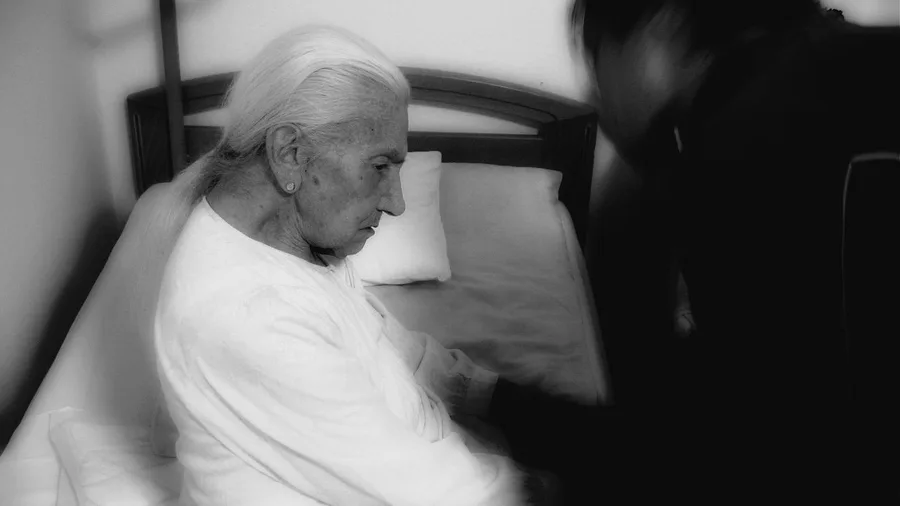
For a long time I would have said the phone call to my mother was just being a good son or daughter, that everyone manages a parent's medication and bills and moods, that this is simply what family does. The reframe is that it is what a parentified family does, and the tell is that no one, including you, calls it caregiving.
The pattern sits where it always did. The adult care that defines caretaking relationships has its original version here, and it is the hardest to leave because the other party is your parent. You phone at nine in the morning to make sure a pill was swallowed. You keep your mother's bill-pay password because explaining how to reset it takes longer than just paying the bill yourself. It feels normal because it is the shape of your whole history with her.
The emotional cost is a tightrope. Duty on one side, exhaustion on the other, and stopping feels like letting the parent fail on your watch. The reframe worth trying is to ask one plain question: what would actually happen if you stopped – one appointment unmade, one reminder unspoken? Usually the answer is smaller than the fear acting on you. The childhood duty never retired because no one, least of all you, ever gave you permission to put it down.
What Changes When You Stop Managing
The Cost of Needing Help
The next three signs are the ones you hide. Asking feels like failure, rest feels lazy, and trust feels dangerous.
These are the signs most people miss because they look like competence.
4. Asking for help feels like a personal failure

Refusing help is a habit formed when needing it went nowhere. If you grew up as the one who managed the household, asking was either punished or pointless, so self-sufficiency became the only rule that held. The researchers who study family roles describe the same shift: need stops registering as a request and starts registering as a character flaw.
So you take the task back. The team report gets finished at 10 p.m. instead of handed to a colleague who offered; the school form gets filled out before anyone else can see it; the scheduling gets redone because the version someone else made was close but not yours. Underneath sits a flat sentence you have never said aloud: 'If I need help, I'm weak or burdensome.'
By the time this has run for years, the burnout gets hidden too. You cancel plans, say you're fine, and keep a tidy surface over exhaustion. The childhood rule that no one would catch you has quietly become the reason no one can.
Self-Sufficiency vs. Support
What you were taught
- Asking is a burden.
- Rest must be earned.
- Trust is a risk you can't afford.
- You are only safe if useful.
What balanced support looks like
- Asking is information.
- Rest is maintenance, not reward.
- Trust is built in small tests.
- Your value isn't tied to output.
5. Rest triggers guilt and a sense of laziness

The cost of never resting is that you stop recovering, and the tiredness compounds until a weekend no longer touches it. That is the thing worth naming before the behaviour: the guilt is not a quirk of temperament, it is a tab you keep paying.
Downtime once read as danger. If you were not managing something as a child, something was going wrong and no one was watching, so stillness got filed as neglect. Now it is a Saturday afternoon and you sit down with a book, and within ten minutes you are up wiping a counter that was already clean, answering an email, sketching next week's plan. The first ten minutes cannot be justified without a task attached.
There is a genuine exception here, and it is worth being precise about. Some rest is avoidance and some rest is restoration, and the difference is not the guilt, because guilt shows up for both. The test is what comes after: if you finish the afternoon steadier, able to be present with the people around you, that was recovery. If you finish it more anxious and further behind, that was not the rest your body needed.
Watch a friend who naps and leaves the dishes in the sink. What you are seeing is not a preference you lack, it is a skill you were never taught.
6. You struggle to trust others to do things right

Because as a child, a mistake was often yours to answer for, and letting go meant standing exposed to blame. Control became the way to keep that from happening again. The version of this that runs through the week is worth seeing plainly.
Your partner folds the towels wrong and you refold them. A colleague's report goes out under the team's name and you rewrite the first three paragraphs before it does. What looks like a standard is a kind of insurance, and like most insurance it charges a premium you pay every month.
The cost arrives slowly. You are the one still working at nine while everyone else has logged off, and the people who might have helped have learned that helping gets corrected. Their offers thin out. That is not because they stopped caring, but because the correction told them their help was not actually welcome.
This pattern tends to sit most heavily in people who were punished for small mistakes growing up. The vigilance was once the job. Now it patrols a house where no one else was ever trusted, and the trust never gets a chance to build.
⚠️ COMMON MISTAKE
Don't correct the help you asked for
If someone folds the towels wrong, let it go. Correcting them every time teaches them to stop helping, and you end up doing it all again.
The Hidden Toll
The final three signs are the ones you feel but rarely name: worth tied to output, resentment you cannot voice, and grief for a childhood you did not get.
They are the quietest signs and the ones that finally make change possible.
7. Your self-worth is tied to being productive

Five minutes. That is how long it takes on a Sunday before the book in your hands stops being a book and becomes a delay you have to justify. You read a page, then notice the unpaid bills, the pantry that needs sorting, the inbox you have not opened since Friday, and the day has quietly turned into a test you are failing.
When usefulness earns your place, output becomes the permission slip for existing. It goes back further than this morning: being the needed one was once the way you stayed safe, so achievement still gets checked before rest does, every time.
Someone who values themselves apart from what they produce can lie on a couch at two in the afternoon with nothing finished and feel fine. That is not a preference you can switch to; it is a belief you cannot feel yet, and pretending otherwise only adds shame to the pile.
The bill arrives in the body. Sleep gets cut first, then the back starts complaining, then a checkup gets pushed to next year because there is no slot for it. Stopping feels more dangerous than wearing out, which is exactly how a childhood job ends up charging your health for a place you earned decades ago.
One Week of Practicing Rest
8. You carry a low-grade resentment you rarely voice

"It's fine, I'll do it." You have said it at a pharmacy counter at 6 p.m., holding a parent's prescription, with a sibling's phone going to voicemail for the third time.
You remember the birthdays. You cover a partner's deadline by quietly finishing what they left open. You take the parent to the cardiologist and sit in the plastic chair for two hours without complaint. What you get back is nothing, or nothing asked for directly enough that they could actually answer.
That is where the flat, low anger comes from, and it has nowhere to go. A worth built on being useful makes need feel illegitimate, so saying "I need you to do this" lands like a confession of bad character, and the request arrives so hedged that refusal costs the other person nothing.
The fear underneath is specific: speak plainly and you will be seen as selfish, and selfish people were not loved in the house you grew up in. So the anger stays at a simmer, present at every holiday, visible mostly in the tightness of your jaw.
The cheaper test is one clear sentence to one named person: "Can you take Mom to Thursday's appointment?" No backstory, no apology, no offer to do it yourself instead. Just the request, laid out where it can be refused.
Then sit with the discomfort when it goes quiet, and notice it without obeying it. Under the resentment is an old silence that never got to ask, and it has been sending its bill for years.
What Not to Do When Resentment Builds
9. You grieve the childhood you never got to have

For a long time I read the sadness in this territory as something to correct: a mood to manage, a story to reframe, a problem with a workaround. That reading was wrong, and it kept the work from starting.
This is grief, plain and specific. It is for the play and the free afternoons and the seasons you spent watching a parent's face instead of your own, and it does not resolve by being talked out of. What it wants is to be named.
The trigger is ordinary: a child tearing around a park without a single glance at the adults, a friend describing a summer that sounds like a country you were never issued a passport to, or the flash of envy at your own child's ease, followed by shame for feeling it. Acknowledge the loss without grading it, and let a therapist work through it with you if it will not settle.
Frequently Asked Questions
What is parentification, exactly?
It is the childhood experience of taking on a caretaking role for a parent or siblings, usually emotional or practical, that was not yours to carry. It becomes a pattern when the role continues into adulthood and shapes how you relate to others.
How do I know which sign to work on first?
Go with the one that made you pause or feel exposed. That is the one closest to the surface. Start with a small experiment: one boundary, one request, or one hour of rest without a task.
Is parentification always harmful?
Not always. Some caretaking can build competence and empathy. It becomes harmful when the role is chronic, unacknowledged, and costs you your own needs. The signs above help you tell the difference.
Can I change these patterns on my own?
You can start. Small behavioral experiments, like the ones in this article, are often enough to loosen a pattern. If the patterns feel stuck or painful, a therapist who specializes in family roles can help.
When should I see a therapist?
If you feel trapped in the same role across multiple relationships, if you avoid rest or help consistently, or if grief or resentment is affecting your health or daily life, it is time to talk to a professional.
The Caretaking Job Can Wait Its Turn
The nine signs are one learned job: childhood caretaker, still running after 40. It is not your personality, and it can be renegotiated. Pick the sign that produced the strongest physical recognition, the tight chest, the sudden tears, the flash of anger at a sibling's tone. That is your starting point.
This week, set one boundary around it: at the next family dinner, stay in your chair for ten minutes while the sibling's mood is unmanaged, and say, 'I'm going to eat first.' Ask one named person for one concrete thing: 'Can you call Mom about the medication refill on Tuesday?' Make the request visible and refusable, not a test they must pass.
If one boundary brings panic, shame, or a collapse back into the old role, if the grief disrupts sleep, work, or parenting, or if you cannot name a want without guilt, find a therapist who works with family roles and parentification.
That dinner-table scan began when calm meant safety. Two people grew up in that house; one learned to manage the weather, the other to ignore it. The goal is not to stop caring but to make caring a choice. One boundary, one request, one person asked, repeated until the old role loosens. You do not have to earn the right to be cared for.
Which sign did you recognize?
Scroll back to the one that made you pause. That is the one to work on first. Write down one boundary and one person to ask for help this week.