

It takes exactly one morning to pack three suitcases at age sixty-four, but it takes months of quiet resolve to make the people you love understand why you are boarding a one-way flight to Lisbon for a planned twelve-month stay.
My adult children braced themselves for my inevitable isolation and decline across a five-hour time zone gap. What I experienced instead was quiet, immediate restoration.
Solo relocation is a clear marker of psychological readiness, never a rejection of the people you leave behind.
Understanding this allows you to validate your own readiness to pursue an independent life transition. Moving abroad solo proves that embracing intentional independence expands your personal agency while actually deepening those original family bonds.
Relocation Overview
1. Solitude Feels Completely Different Than Loneliness
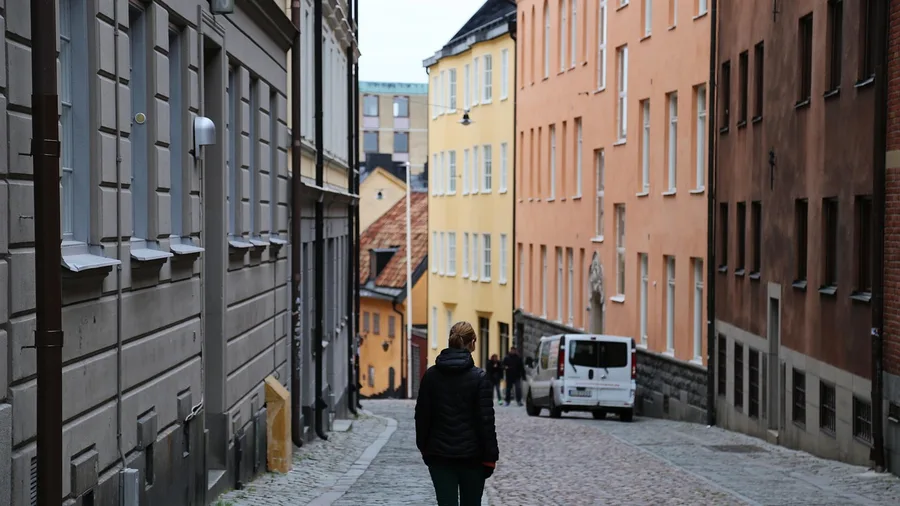
You pull your wool coat tighter against the cool morning damp as the cobblestones beneath your sneakers slope down toward the Tagus River, completely alone and completely at peace. People assume this quiet state resembles painful isolation, but voluntary solitude in a vibrant foreign city restores mental energy rather than draining it. You manage a 5-hour time zone gap from your adult children back in the US by deliberately limiting your check-ins to intentional windows instead of scattering your attention all day.
Instead of letting your mind drift toward who is missing from the café table, you focus entirely on the rhythm of your morning walk through Lisbon. Choosing this quiet independence over routine social obligations brings a profound sense of mental restoration. Ask yourself honestly: do you feel energized by your own company, or do you treat empty hours as a crisis to be managed? If your heart rate drops when the apartment goes quiet, you are experiencing the restorative power of solitude.
If you find yourself constantly reaching for distractions to avoid a silent room, you are confusing healthy withdrawal with emptiness. The self-test is simple: look at your uncommitted hours and notice whether they feel like an open door or a prison sentence.
💡 Tip: Schedule your communication windows for the morning before your day gets busy.
💡 PRO TIP
Redefining Quiet Time
Solitude is an active choice to recharge your mental battery. Treat it as a scheduled appointment rather than an empty void.
2. Physical Distance Does Not Weaken Emotional Bonds

The reality is that physical distance does not weaken emotional bonds at all; it often refines them. When spontaneous drop-in visits no longer happen, they are replaced by scheduled weekly video calls that carry actual weight and undivided attention.
You maintain deep psychological security knowing that emergency support is still just a transatlantic flight away, which allows you to relax into your new surroundings without panic. This physical separation fosters a much deeper, more deliberate appreciation in parent-child relationships because neither side takes the other's presence for granted.
You replace casual proximity with focused, high-quality emotional engagement that leaves no room for distracted small talk. When your daughter appears on the laptop screen from her kitchen in Chicago, every minute of that hour has a clarity that never happened back when you lived twenty minutes apart.
The exception to this rule is when distance is used as a wall rather than a bridge. If you use the miles as an excuse to pull away from hard conversations, the bond frays. But when you use the space to show up fully during your designated connection windows, the relationship actually grows stronger.
The First Six Months
3. Fear of the Unknown Is Much Louder for Watchers Than Doers

The price of stepping outside the familiar is enduring an audience that treats every ordinary Tuesday as a high-stakes thriller. Observers projected catastrophic worst-case anxieties onto a daily routine I experienced as entirely manageable, turning a simple grocery run into a referendum on safety.
The reality lived entirely in the preparation, executing the relocation utilizing an $18,000 setup budget and a structured safety net that kept every logistical worry neatly contained. Thorough preparation neutralized abstract catastrophic thinking into concrete daily steps, transforming wild hypotheticals into quiet afternoon errands.
Within the first month abroad, the phantom emergencies dissolved entirely, leaving me to exchange spectator panic for actor competence as I figured out how to pay the electric bill in Portuguese.
Perception Versus Reality
What Family Feared
- Total isolation in a foreign country
- Inability to handle daily emergencies
- Complete breakdown of family ties
The Actual Reality
- Rich daily interactions with locals
- Calm and methodical problem-solving
- Deeper and more focused family talks
4. Building a New Social Fabric Takes Deliberate Cognitive Effort

"You are not going to know a single soul over there, and making friends gets harder as we age."
My son offered that observation the week before I packed my suitcases, and for the first month, he was almost right. But because I no longer had to burn mental energy anticipating catastrophic unknowns, I suddenly had the bandwidth to walk into rooms full of strangers. That did not make it comfortable.
The vulnerability of attending local meetups in an unfamiliar culture is profound. I sat at a long table in a Baixa cafe, listening to rapid conversations I could not join, feeling entirely adrift.
It takes a massive daily toll to introduce yourself when you are already tired from deciphering street signs. I went back to the same table every Tuesday anyway, pushing through the initial social friction through sheer, deliberate repetition. Doing that work eventually bought me a trusted, solid group of peers.
The reward for enduring the awkwardness is a genuine community.
Relocation Jargon Busted
5. Slowing Down Daily Pace Heals Chronic Stress

I always told myself that managing a massive, four-bedroom house in the suburbs was proof that my life was successful, perfectly organized, and fully under control.
In reality, maintaining that lifelong American household was a quiet engine of chronic exhaustion. Once I found a reliable community out in the city's cafes and plazas, I realized I did not need a sprawling private fortress to host people in. Shedding the endless property upkeep felt like taking off a heavy, wet coat.
Drastically downsizing my daily life and moving into a modest apartment brought immediate, profound mental relief. Letting go of those domestic burdens completely changed my resting heart rate.
The contrast with our frantic hustle culture becomes undeniable the moment you try to buy groceries in Lisbon. Back home, I would check my phone and sigh heavily if the checkout line stalled for sixty seconds. Here, the cashier stops to ask about your family, and the customers behind you gladly wait without complaining.
When I first arrived, I caught myself impatiently tapping my foot while a barista chatted with a neighbor. She handed me my espresso, smiled warmly, and told me the morning requires patience.
That unhurried daily rhythm forces a defensive body to finally drop its guard. When you are no longer racing between obligations or managing a property that demands constant repair, your nervous system gets the chance to regulate itself. The physical tension fades when the environment around you refuses to panic.
⚠️ COMMON MISTAKE
Rushing the Adjustment
Do not try to replicate your fast-paced home routine in a new country. Let the local rhythm set your daily pace.
6. Bureaucratic Hurdles Are Annoying Puzzles, Not Life-Threatening Crises
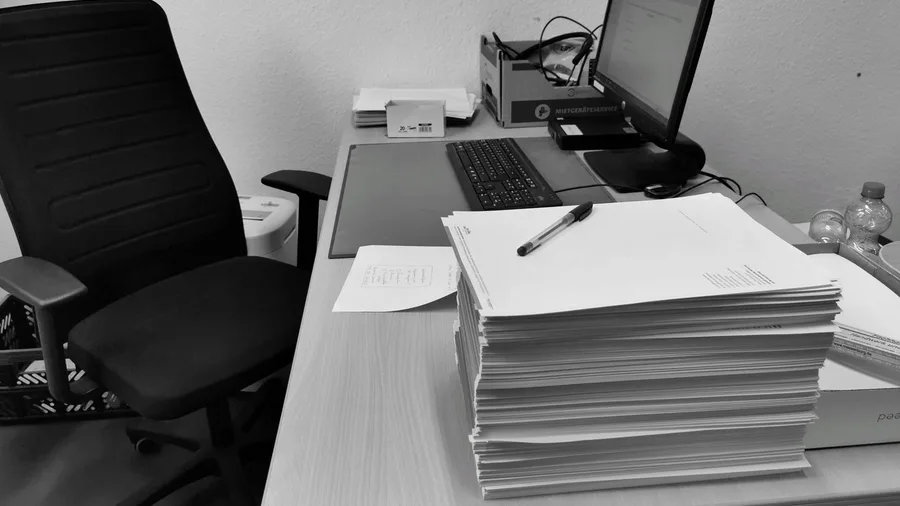
People warn you that dealing with a foreign government will break your spirit. The truth is that paperwork is just paperwork, no matter what language it is printed in.
Because my nervous system was no longer running on high alert from a frantic lifestyle, I could face the residency visa process without assuming the worst. Securing legal status in Portugal required months of emotional fatigue, gathering stamped documents, and waiting in austere immigration offices. I simply treated the demands as a dry puzzle instead of an emergency.
Trading catastrophic panic for pragmatic, step-by-step problem solving paid an ongoing dividend. Handling my own administrative friction alone built a quiet, lasting psychological resilience that nobody can take away.
My Weekly Integration Routine
7. Independence at This Stage Is a Vital Act of Self-Authorship

Over sixty years of accumulated habits can quietly train a person to shrink their world down to what feels safe and entirely predictable. Researchers who study adult development consistently find that personal growth does not halt at a specific milestone unless routine actively starves it of novelty and challenge. Remaining near home for passive comfort often masquerades as wisdom when it is actually just a slow withdrawal from active agency.
Sorting out residency paperwork and setting up a foreign household leaves behind the illusion that retirement should look like an endless waiting room. Managing a strict monthly living cap of $2,200 entirely on my own changed the texture of my daily confidence in ways I never anticipated.
Balancing utility bills in Euros, shopping at neighborhood markets, and paying rent without a safety net of nearby relatives forces a return to real self-reliance. This is not about proving a point to anyone back in the United States, but about reclaiming total authorship over my own daily choices and lifestyle design.
🚀 Steps to Solo Independence
Financial Audit
Calculate your strict monthly living cap and setup fund.
Visa Secured
Handle all foreign bureaucratic paperwork methodically.
Daily Routine
Establish simple neighborhood habits during your first week.
8. Embrace of Unfamiliarity Sharpens Cognitive Vitality

Navigating unfamiliar transit systems, deciphering foreign grocery labels, and decoding everyday social norms require a massive amount of active mental processing. This constant influx of new stimuli might look exhausting from the outside, but cognitive scientists point out that novelty is precisely what keeps the aging brain sharp and adaptable. Instead of falling into cognitive stagnation through repetitive domestic routines, every single outing demands active mental engagement.
There are days when missing a tram stop or struggling to ask for simple directions in Portuguese brings a sharp spike of temporary confusion. Weighing that minor daily friction against the long-term mental sharpness benefits makes the trade entirely worthwhile. The brain happily rises to meet an environment that refuses to run on autopilot.
Stepping out the apartment door into a bustling Lisbon neighborhood means abandoning the comfort of knowing every single rule by heart. Adapting successfully to this novel environment through continuous engagement proves that confusion is not a threat to be avoided, but the exact mechanism of mental vitality.
9. Physical Safety Looks Different Outside the Homeland Lens

You are going to get yourself killed walking around a strange city after dark.
That warning from family members back home relies entirely on sensationalized media crime perceptions rather than the calm street safety realities found across Lisbon. Exchanging generalized homeland anxiety for grounded daily situational awareness completely changes how urban environments feel from the inside. Walking alone through historic neighborhoods at night becomes an ordinary baseline of peace rather than a heart-pounding exception.
Physical safety abroad turns out to be a matter of quiet lighting, walkable streets, and sensible community design rather than locked doors and constant vigilance. Letting go of exaggerated fears allows everyday life to unfold without the heavy shadow of manufactured threat.
10. Leaving Is Not a Rejection of Family, But an Expansion of Self

Three suitcases sat zipped by the door of my Lisbon apartment when my daughter called from Chicago, her voice carrying that familiar, protective edge that always asked without asking whether I was coming back yet. She worried that crossing an ocean at age 64 meant I was quietly stepping away from our shared life, as if physical miles were a ledger tracking how much I cared.
That is the fundamental error families make when someone chooses a solo relocation, treating a change of geography like a withdrawal of affection. Moving to Portugal on an initial twelve-month stay with an $18,000 setup budget and a $2,200 monthly cap did not sever my ties to the people back home.
Instead, it completely altered the emotional currency of how we connected across that five-hour time zone gap. When I lived twenty minutes away, visits often defaulted to routine Sunday dinners where we sat in the same room while mentally managing separate chores.
'I am not building a wall between us, I am building a life worth sharing when we do talk.'
Living independently forced our communication to become deliberate, replacing casual proximity with focused attention during our weekly video calls. When I flew back to the United States for a visit months later, the time together carried zero obligation and total engagement, turning ordinary days into genuine celebrations.
Thriving on my own terms in a foreign city showed my children that courage does not expire at retirement age, proving that stepping into an expansive new chapter enriches every single relationship left behind rather than leaving them empty.
Frequently Asked Questions
How do you manage the time zone difference with family?
Set specific communication windows that suit both schedules. This prevents constant interruptions and makes your video calls much more meaningful.
Is an eighteen thousand dollar setup budget enough?
Yes, if managed carefully with a strict monthly cap of twenty-two hundred dollars. Track every single expense during your first three months abroad.
How do you handle foreign bureaucratic paperwork alone?
Break down each residency requirement into small steps. Treat the process as a mental puzzle rather than an emotional emergency.
Does moving away permanently damage family relationships?
Not at all. Physical distance often replaces nagging daily friction with focused, high-quality emotional engagement during visits.
The Real Shift in Family Dynamics
The dynamic shifts entirely when you guide the family conversation away from fear-based protection and toward mutual respect and shared curiosity.
Looking back at those three packed suitcases and my initial flight to Lisbon at age sixty-four, the truth is clear. I was never walking away from them.
Show them what a fully realized life looks like. Independence is an act of love, because it hands your children the certainty that they do not have to carry the weight of your happiness.
Ready to Plan Your Own Transition?
Review your setup budget and establish your communication windows today.