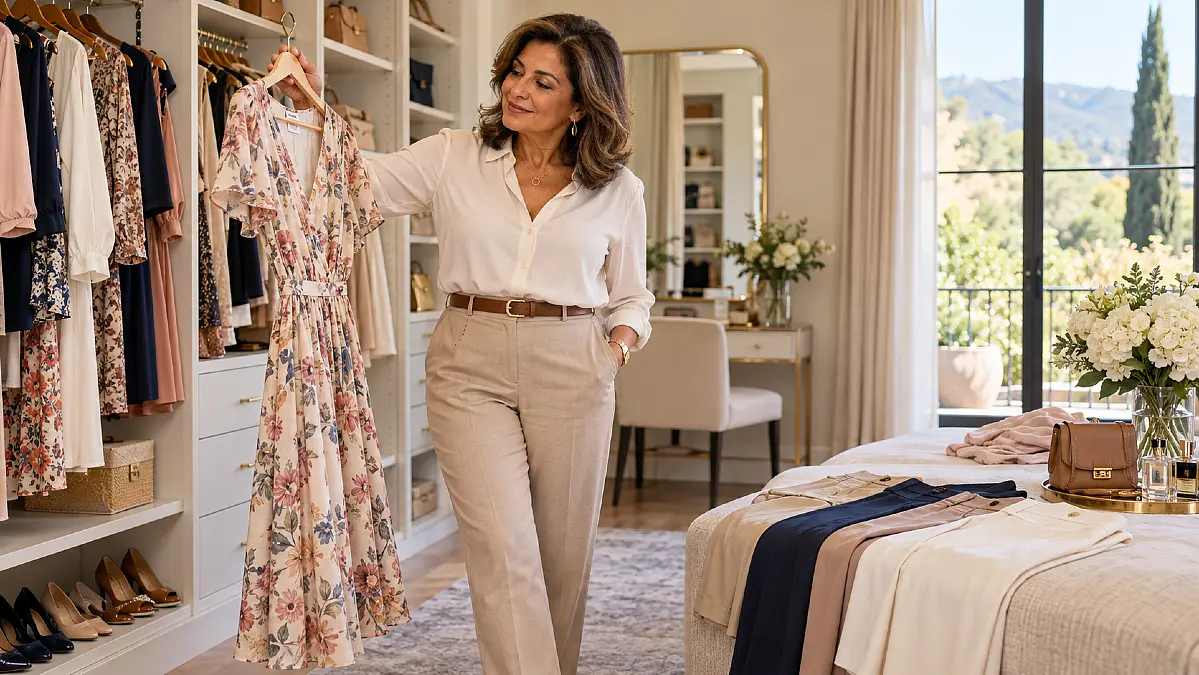
Choosing between dresses and pants sounds simple until you look at your closet and realize that half your clothes no longer match the way you live. Some days, a dress feels polished and easy. Other days, nothing beats the comfort of well-fitting pants.
For many women over 50, the real challenge is finding clothes that feel current without making everyday dressing harder. A beautiful outfit means little if you spend the day adjusting your waistband, pulling at a hem, or worrying about your shoes.
The best everyday outfits for women over 50 should fit your routine, your comfort needs, and your personal taste.
Your Everyday Routine Should Decide What Takes Up More Closet Space
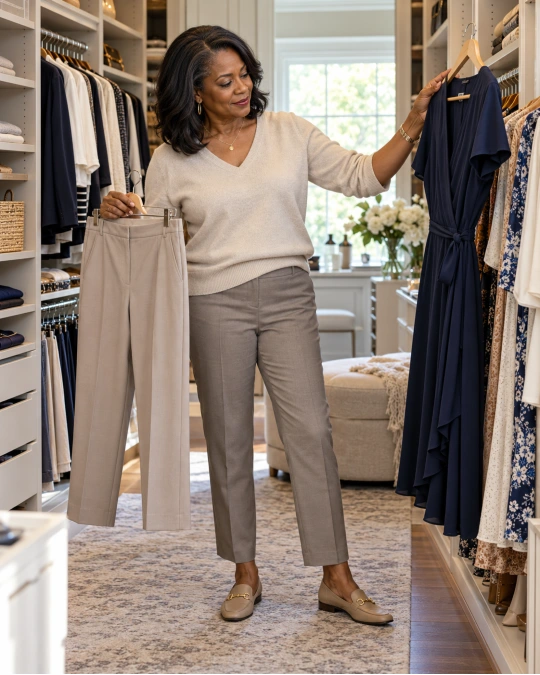
A wardrobe should work for the life you have now, not the schedule you followed ten years ago. That is why choosing between dresses and pants starts with looking at your usual week.
Someone who spends most days walking, shopping, gardening, or caring for grandchildren may find pants more practical. Someone who enjoys lunches, social events, office days, and dressing up for ordinary outings may reach for dresses more often.
Neither preference makes a wardrobe better or more stylish. The question is which pieces help you feel comfortable and put together without extra effort.
Think about the activities you repeat most often. Your clothes should make those activities easier instead of asking you to change how you move.
Here is a simple way to compare the two choices.
| Your Daily Routine | Dresses May Work Better When | Pants May Work Better When |
|---|---|---|
| Running errands | You want a quick outfit with minimal styling | You walk, bend, and carry things often |
| Working or attending meetings | You prefer a polished outfit in one piece | You need layers and easy temperature control |
| Lunches and social events | You enjoy a feminine look with little effort | You prefer tailored separates |
| Traveling | You like relaxed dresses for warm destinations | You need pockets, layers, and easy movement |
| Spending time at home | You enjoy soft, loose dresses | You prefer stretch trousers or relaxed jeans |
The goal is not to assign a strict outfit to every activity. It is to notice which option you naturally choose when you want to feel your best.
A useful test is to look at your last ten outfits. If you wore pants eight times and dresses twice, that pattern tells you something about the wardrobe you need.
Dresses Make Everyday Style Feel Simple and Polished
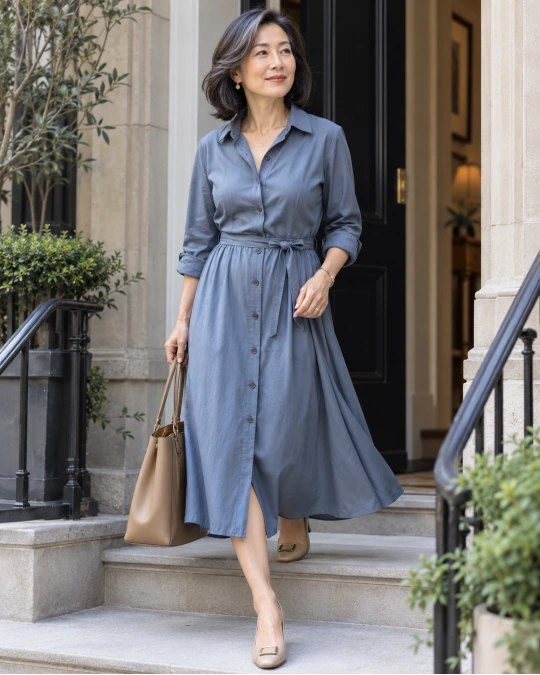
That is one of the strongest reasons to build a wardrobe around dresses. Instead of matching a top to trousers and checking the proportions, you start with one main piece.
A dress can also look polished without feeling formal. A relaxed cotton midi dress with flat sandals can be just as suitable for a casual afternoon as straight-leg trousers and a linen shirt.
The secret is choosing dresses that feel natural in your life rather than saving every dress for a special occasion.
Choose Dress Shapes That Give You Room to Move
A-line dresses are useful when you prefer fabric that moves away from the hips and thighs. They create a gentle shape without needing a tight waist or a stiff skirt.
Shirt dresses offer another practical choice. A button-front design with a removable tie belt lets you change the fit depending on how you want to wear it.
A softly shaped shift dress can also work beautifully, especially when the fabric has enough weight to fall neatly. If a loose dress feels too shapeless, a slightly defined shoulder or subtle waist seam can make it look more intentional.
Wrap dresses are worth considering when you like an adjustable waist and a V neckline. Look for a secure closure and enough overlap at the front so you can sit and move comfortably.
Pay Attention to Where the Hem Falls
Midi dresses are popular because they offer coverage without the weight of a full-length style. But the exact hem placement can change how the entire outfit looks.
If a dress ends at a point where the skirt feels visually heavy, try a slightly shorter or longer length. A hem that falls below the knee or closer to the lower calf may create a line you prefer.
Shoe choice matters here, too. A midi dress with sleek loafers gives a different effect from the same dress worn with chunky sneakers.
Fit note: Sit down, climb a few steps, and reach upward when trying on a dress. If you have to keep pulling the hem or adjusting the neckline, the dress may not be practical for your routine.
When Dresses May Feel Less Convenient
Dresses are not automatically easier simply because they involve fewer pieces. Some require slips, tights, special underwear, or careful attention to movement.
Windy weather, frequent bending, or a cold office can make certain dress styles less comfortable. These are everyday concerns, not reasons to stop wearing dresses.
A heavier knit dress, a longer hem, or a pair of comfortable shorts underneath may solve the problem. The right choice depends on what makes you feel secure and relaxed.
Pants Offer Practical Comfort Without Sacrificing Elegance
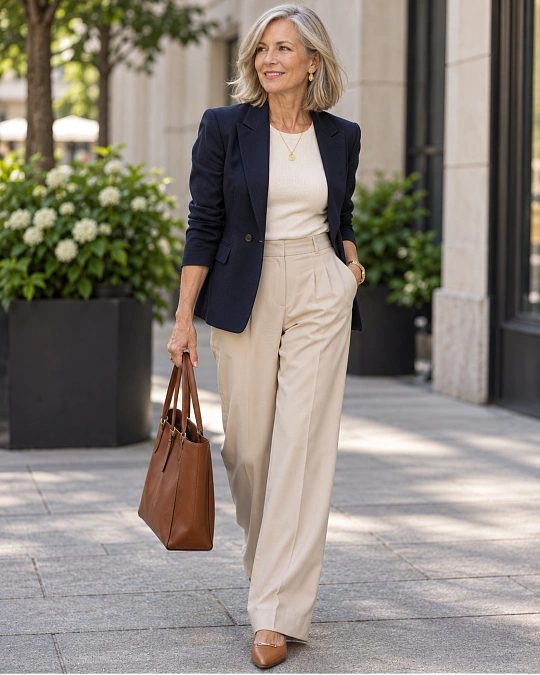
Pants often become a dependable part of everyday dressing because they work across so many situations. You can walk around town, sit comfortably, travel, or spend a relaxed day at home without worrying about skirt movement.
They also make layering easy. A good pair of trousers can work with a simple T-shirt, a soft cardigan, a crisp blouse, or a structured jacket.
The challenge is finding pants that look polished without feeling restrictive. That usually comes down to the waistband, leg shape, fabric, and length.
Straight-Leg Pants Create a Reliable Starting Point
Straight-leg trousers are one of the easiest styles to repeat because they work with many tops and shoes. Their clean shape can balance a loose shirt or create a neat look with a fitted knit.
Dark denim, navy trousers, and soft beige pants can each serve a different purpose. You do not need every color, but having a few pairs that work with your favorite tops can make dressing simpler.
A slight stretch in the fabric may improve comfort, particularly when you spend long periods sitting. Too much stretch, however, can sometimes make trousers lose their shape during the day.
Wide-Leg Pants Can Feel Relaxed and Look Refined
Wide-leg trousers offer more room through the leg, which can feel comfortable during long days. They can also create a lovely flowing silhouette when the fabric hangs smoothly.
The key is balance. If the trousers have plenty of volume, try a shorter knit, a tucked blouse, or a top that finishes near the hip.
This does not mean you must wear fitted tops. A loose shirt can work well when its hem, tuck, or front opening creates some visual shape.
The Waistband Deserves More Attention Than the Size Tag
A beautiful pair of trousers will rarely become a favorite if the waistband digs in when you sit. Comfort at the waist is especially important because bodies and preferences can change over time.
Try styles with a smooth front and an elastic section at the back if you want flexibility without a fully gathered waist. Side-zip trousers and pull-on ponte pants may also create a clean look.
And do not feel attached to one rise. Mid-rise, high-rise, and even certain lower-rise cuts can work depending on your torso length and comfort.
Comfort upgrade: If trousers fit through the hips but feel tight at the waist, try another cut or consider a simple alteration. Going up a size is not always the best solution.
Fabric and Fit Matter More Than Choosing Dresses or Pants
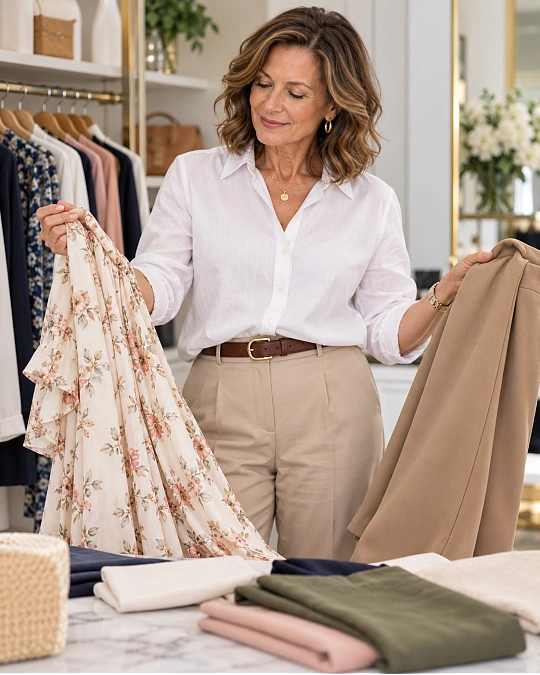
The most flattering outfit is often the one made from fabric that falls neatly and allows you to move naturally. A poorly fitting dress will not look better simply because dresses are considered feminine or elegant.
The same is true for trousers. Expensive-looking styling cannot fully disguise fabric that twists, pulls, bags at the knees, or becomes uncomfortable after an hour.
Instead of focusing only on the garment type, learn what different fabrics do when you wear them.
| Fabric or Garment | What to Look For | Best Use |
|---|---|---|
| Cotton poplin dress | Smooth fabric with enough room to move | Casual outings and warm days |
| Ponte trousers | Substantial knit with good shape recovery | Work, travel, and smart casual outfits |
| Linen-blend pants | Breathable fabric with a soft drape | Summer errands and relaxed lunches |
| Soft jersey dress | Enough weight to skim rather than cling | Easy daytime dressing |
| Wool-blend trousers | Comfortable lining and fluid movement | Cooler weather and polished occasions |
Fabric thickness matters as much as the fiber itself. Very thin jersey may reveal underwear lines, while stiff denim can feel uncomfortable even when the size seems correct.
Try looking at garments in natural light before making a decision. Move around, sit down, and check how the material behaves rather than judging the fit only while standing.
A Simple Fitting-Room Test
Whether you are trying on a dress or trousers, look beyond how the outfit appears in the mirror. A few small checks can save you from bringing home clothes that never get worn.
- Sit for a minute. Check the waistband, neckline, and hem for pulling or pressure.
- Walk naturally. Notice if the fabric twists, clings, or restricts your stride.
- Raise your arms. Make sure the dress or top stays comfortable and secure.
- Try your usual shoes. Check the length and overall balance before deciding.
- Look from the side. Pay attention to drape rather than trying to hide every curve.
A garment should feel good during ordinary movement, not just while you are posing in front of a mirror. That is what turns an attractive piece into something you genuinely enjoy wearing.
The Right Shoes and Layers Can Change the Whole Look
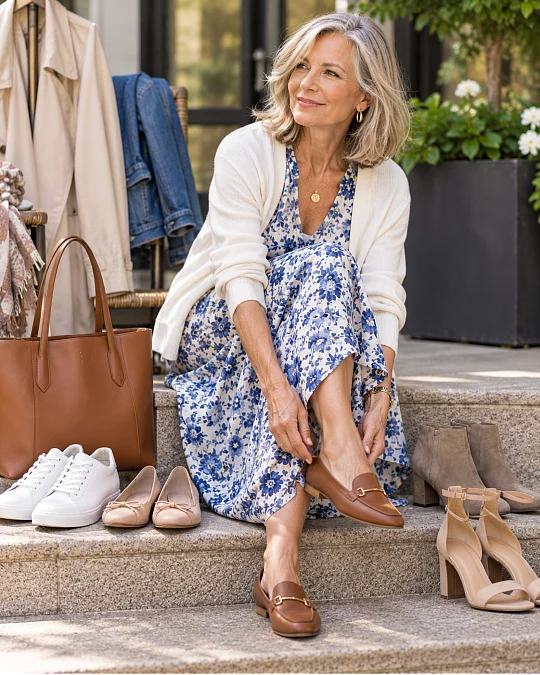
Dresses and pants can both feel modern, relaxed, or elegant. Much of that difference comes from what you wear with them.
A casual dress with simple white sneakers feels easy and practical. Switch to sleek flats, add a structured bag, and the same dress becomes suitable for lunch or a casual meeting.
Trousers offer the same flexibility. Dark straight-leg pants with a cotton tee and trainers make a comfortable weekend outfit, while adding a fine knit and loafers creates a smarter finish.
The goal is to create a few combinations you can repeat without feeling as though you wear the same outfit every day.
Make Dresses Feel Less Formal
If dresses feel too dressy for your routine, change the pieces around them. A denim jacket, lightweight cardigan, or casual footwear can make a simple dress feel more relaxed.
A printed midi dress may feel busy when paired with bold accessories. Try a plain jacket and shoes that pick up one quiet color from the print.
For cooler days, an opaque tight and an ankle boot can make certain dresses more practical. Just check that the hem and boot height create a balance you like.
Make Pants Feel More Feminine or Elegant
If trousers sometimes feel plain, the answer may be in the top rather than replacing the pants. A soft blouse, boat-neck sweater, or fine-gauge cardigan can change the mood immediately.
Texture also helps. A silky top with matte trousers or a ribbed knit with smooth wide-leg pants gives the outfit more interest without adding many accessories.
Jewelry can complete the look, but it should feel like you. Small hoops, a favorite necklace, or a simple watch may be all you need.
Shoe swap: When an outfit feels slightly heavy, try a more streamlined shoe. A sleek loafer, low-profile sneaker, or simple flat can change the visual balance without changing the clothes themselves.
Weather, Travel, and Clothing Care May Tip the Balance
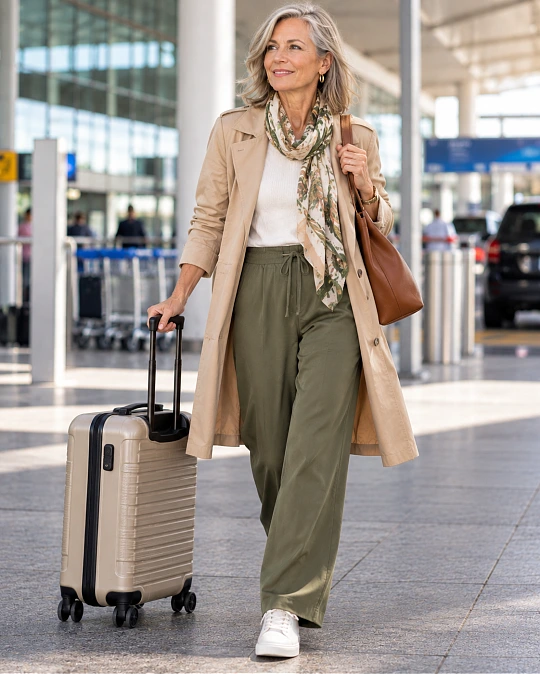
Style decisions become easier when you account for the small inconveniences that happen during real life. Weather, laundry, packing space, and even the temperature inside buildings can affect what you prefer.
In hot weather, a loose cotton or linen dress can feel airy and comfortable. But lightweight wide-leg pants can also provide good airflow while offering more leg coverage.
During cooler months, trousers often feel easier because you can add thermal layers underneath. Dresses can still work with tights, tall boots, and warm outerwear, although some combinations require more planning.
Travel brings another set of choices. A soft knit dress may pack easily, while trousers allow you to change tops without repeating the full outfit.
Clothing care matters, too. A dress that needs ironing after every wash may not earn much space in a busy wardrobe, especially if you prefer low-maintenance mornings.
There is also the question of movement. If your day involves climbing stairs, riding public transport, or sitting for long stretches, choose the garment that makes those activities feel comfortable.
You do not have to give up a style you love because it is less practical in one setting. You may simply need a different version of that garment for different days.
Build a Dress-to-Pants Wardrobe That Matches Your Real Life
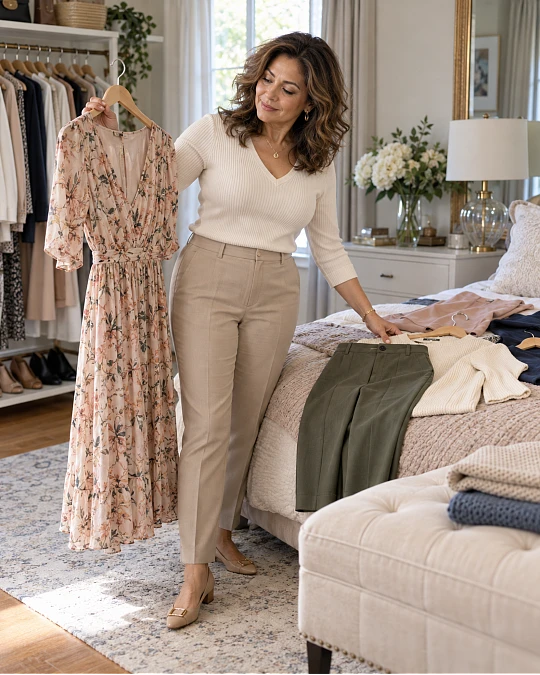
You do not need to commit completely to dresses or trousers to create a strong personal style. Most wardrobes work better when one category does the everyday work and the other fills the gaps.
For example, if you wear trousers most days, your closet might include several dependable pairs and two or three dresses you genuinely enjoy. If dresses are your daily favorite, you may need only a few pairs of trousers for travel, cold weather, and active days.
The exact number matters less than how often you wear each item. Clothes that earn their place in your weekly routine are more useful than pieces you keep because you think you should own them.
Start With the Outfits You Already Repeat
Open your closet and identify the garments you reach for when you need to leave the house quickly. Those pieces reveal your natural preferences better than a shopping wishlist.
Then look for what is missing. Perhaps your favorite dresses need a comfortable jacket, or your best trousers need a few tops that work with their rise and shape.
The goal is to improve the outfits you already like. That is a more practical way to build a capsule wardrobe over 50 than buying an entirely new collection.
Four Outfit Formulas That Cover Most Weeks
These combinations give you a useful starting point without forcing you into one style direction. Each can be adjusted with colors, fabrics, and shoes you already own.
| Occasion | Dress Formula | Pants Formula |
|---|---|---|
| Casual daytime | Cotton midi dress + white sneakers + crossbody bag | Straight jeans + striped tee + loafers |
| Lunch with friends | Shirt dress + ballet flats + simple earrings | Wide-leg trousers + fine knit + flats |
| Smart casual event | Solid-color wrap dress + low heels + structured bag | Tailored trousers + soft blouse + low heels |
| Cool-weather outing | Knit dress + long coat + boots | Ponte trousers + sweater + ankle boots |
These formulas work because each has a clear base, suitable shoes, and just enough detail to look finished. You can repeat them with different colors and textures without needing to rethink the entire outfit.
Use a Two-Week Closet Test Before Buying More
For the next two weeks, pay attention to what you wear and what stays untouched. You may discover that your favorite look is already sitting in your closet.
Notice the pieces you change out of halfway through the day. Those garments may have a fit, fabric, or comfort problem rather than a style problem.
Also consider cost per wear. A pair of trousers worn twice a week may be a better purchase than a dress worn twice a year, even if the dress costs less.
The opposite can be true if dresses are what you naturally love. A wardrobe should reflect your habits and preferences, not an equal number of every clothing category.
Frequently Asked Questions
Are dresses or pants more flattering for women over 50?
Neither is automatically more flattering. The cut, fabric, length, and overall proportions matter much more than the category. A well-fitting dress and a beautifully cut pair of trousers can both create a polished silhouette.
Can women over 50 wear dresses every day?
Absolutely. Cotton shirt dresses, soft knit dresses, and relaxed midi styles can work for everyday activities. Choose comfortable shoes and practical fabrics so your dresses feel as easy to wear as your favorite trousers.
What type of pants looks most elegant after 50?
Straight-leg and softly tailored wide-leg trousers are reliable choices for an elegant look. Fabrics with a smooth drape, a comfortable waistband, and the right hem length often make the biggest difference. Dark denim can also look refined when paired with a neat blouse or jacket.
Is it better to have more dresses or more pants in a capsule wardrobe?
It depends on your daily routine and personal style. If you wear trousers most days, build your wardrobe around them and add a few useful dresses. If dresses are your favorite, keep enough trousers for situations where they feel more practical.
How can I look feminine while wearing pants?
Try pairing trousers with a soft blouse, a fine knit, or a top with a neckline you love. A defined waist, graceful fabric, simple jewelry, and attractive flats can all create a feminine look. You do not need heels or fitted clothing to achieve it.
The Best Wardrobe Direction Is the One That Feels Like You
There is no winning side in the dresses versus pants debate. Some women feel their most confident in a flowing midi dress, while others feel equally chic in tailored trousers and a beautiful knit.
Your wardrobe should support the way you live, move, and express yourself today. That is what makes dressing over 50 feel more personal and less complicated.
This week, start with the outfit you reach for most often and find one small way to make it fit or feel even better.