

It's easy to assume family friction only happens when arguments break out, or lines are clearly crossed. But often, the deepest frustrations with your parents' grandparenting style are quiet, building up in small, almost invisible ways.
You might find yourself wondering if you're alone in feeling that subtle unease, or if it makes you ungrateful to even notice.
The truth is, these feelings are common and widely shared. Your parents, often out of genuine love and a desire to connect, sometimes unintentionally step over boundaries or undermine your parenting approach.
Recognizing these widespread patterns is the fastest way to validate your own quiet frustrations and equip you with clarity for deciding how to respond or communicate.
Quick Tips Before You Start
Listen First
Understand the grandparent's intent before reacting to the behavior.
Be Specific
Vague rules lead to vague adherence; pinpoint exact behaviors you need to change.
Present a United Front
Discuss boundaries with your partner first, then communicate them together.
Pick Your Moment
Address issues calmly and privately, not in front of the grandchildren or in the heat of the moment.
Set Clear Boundaries
Define what's acceptable and what's not, outlining consequences if boundaries are crossed.
1. Excessive Gifting Undermines Parental Rules

You mention that your child already has enough toys, or perhaps you have been working on a no-sugar rule for snacks. Yet, a visit from grandparents often means new items appearing and treats being handed out.
Researchers who study childhood development often note how consistent boundaries help children build self-regulation and a sense of internal control.
When children frequently receive gifts or special treats, especially after parental requests to limit them, it teaches them to expect constant rewards. This makes it harder for you to foster moderation in their habits or teach them the value of patience.
This pattern introduces a significant inconsistency, directly challenging your boundaries on materialism, diet, or screen time. It can set up conflicts when you try to enforce limits after your child has grown accustomed to instant gratification.
Often, grandparents are driven by a deep desire to show love, to be the 'fun' figure, or sometimes even to 'make up' for what they perceive as their own past parenting shortcomings. Their intentions are loving, but the impact can be difficult.
You are left feeling that your authority as a parent is being quietly disregarded. Your efforts to manage behavior or instill values feel undermined by the constant influx of new things or sugary snacks.
Decoding Grandparent Behavior
2. Ignoring Established Household Boundaries

"Just one more episode won't hurt," or "a little cookie before dinner is fine." These lines often echo the same pattern of disregarding your wishes as when gifts appear despite your requests.
It could be letting the kids watch television past your agreed-upon screen time limits, handing out candy right before a meal, or allowing them to stay up significantly later than their usual bedtime when they visit.
Ask yourself if these instances leave you feeling undermined. Do you find yourself having to re-explain fundamental household rules you thought were clear?
If the answer is yes, you are experiencing the quiet frustration of your authority being bypassed. These actions create an unspoken power dynamic where your efforts to set consistent rules are casually dismissed.
For children, this inconsistency is confusing. They learn that rules are flexible, which can lead to acting out, resistance, and real difficulty transitioning back to your routine after grandparent visits. Your daily parenting becomes significantly harder.
It is the sense that your carefully established routines, built for your family's well-being, are so easily broken for a temporary moment of 'fun' or ease.
⚠️ COMMON MISTAKE
Don't Assume They Know
It's a common mistake to think grandparents automatically understand your current parenting rules. What seems obvious to you might not be to them, especially if rules have changed since they raised children. Communicate clearly and repeatedly.
3. Creating Special Rules Fosters Dependency
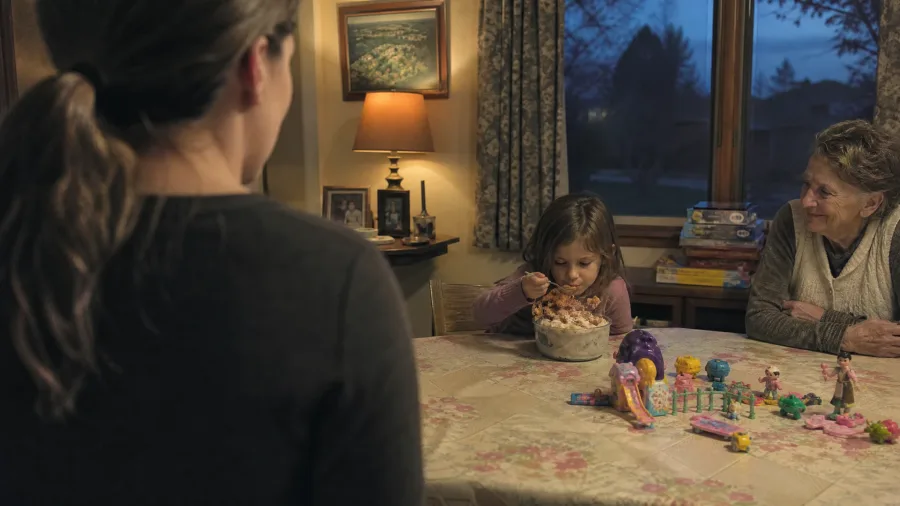
For many children, a visit to their grandparents' house means a day, or even a weekend, where their usual rules disappear. This goes beyond ignoring your boundaries; new, more lenient ones are actively established.
Chores vanish, bedtime becomes a suggestion, and meal expectations change. You might see this as a loving treat, but children learn that grandparents' homes have lighter consequences. They struggle to adjust back, often exhibiting defiance and making your parenting role feel like the 'bad cop.'
This leaves you frustrated, feeling your authority is compromised for the sake of grandparent popularity.
The 'Special Rules' Impact
⏳ Discipline Reset
2-3 Days
📈 Behavioral Spike
Post-Visit
🛡️ Parental Authority
Undermined
😅 Parental Role
The 'Bad Cop'
Key Takeaway
While well-intentioned, special rules can create significant adjustment challenges for children and strain for parents.
4. Grandparents Re-Parent Through Their Grandchildren
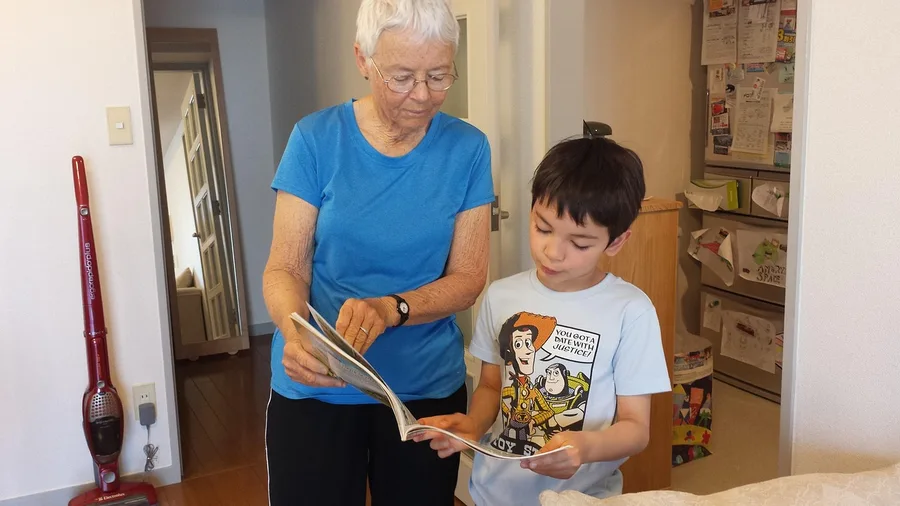
It is a common idea that grandparents just want to spoil their grandchildren. Yet, sometimes their actions go beyond treats and toys, hinting at a different kind of motivation entirely.
You mention your child is having trouble with handwriting, and your parent suggests, "Make them practice drills every day, that's what we did, and it worked for you." This stems from an unconscious projection of their own past experiences or unfulfilled desires. They might be trying to 'get it right this time,' compensating for perceived past mistakes, or fulfilling an idealized grandparent role.
This makes you feel judged, or that your parenting choices are being questioned. Your autonomy feels disrespected, and your growth as a parent is overlooked, leading to quiet resentment.
Top Challenges in Grandparent-Parent Dynamics
5. Voicing Disapproval to Grandchildren

I admit, for a long time I overlooked how much damage a seemingly innocent comment could do, thinking only outright criticism mattered.
But sometimes, what starts as an opinion shared about your parenting can escalate into a grandparent making critical remarks directly to the grandchildren.
You might hear a grandparent tell a child, "Mommy is too strict about screen time, you can have a little more here," or a subtle aside like, "Daddy doesn't quite know how to build a proper fort, does he?" These aren't just offhand observations; they are direct appraisals of your parenting choices delivered to the very people whose trust you work to cultivate.
For a child, hearing a beloved grandparent contradict or subtly disparage a parent creates immediate confusion and can begin to chip away at the parent's authority.
They are suddenly faced with conflicting signals about who is right, or who truly understands them, and this impacts their perception of your trustworthiness. This puts a child in an uncomfortable loyalty conflict, implicitly asking them to choose.
For you, this isn't just a minor disagreement; it feels like a direct undermining of your integrity as a parent.
This behavior breaches a fundamental family trust. The quiet frustration comes from seeing your role as primary authority quietly eroded in front of your children, often without any chance to intervene or re-establish boundaries, leaving you to deal with the aftermath.
6. Constant Unsolicited Parenting Advice

It might seem natural to explain or defend your methods, but that often invites more advice, not less. This stream of opinions, covering everything from meal times to discipline, stems from a generational gap in parenting knowledge. Grandparents often rely on outdated information or personal anecdotes that no longer apply.
The constant barrage of unwanted opinions feels dismissive and critical of your current methods. It erodes parental confidence, making you second-guess your decisions and feel your autonomy is undervalued, leading to quiet frustration.
💡 PRO TIP
The 'Noted' Technique
When receiving unsolicited advice, try saying, "I'll make a note of that," or "I'll keep that in mind." It's polite, non-committal, and ends the conversation without debate. This helps maintain your boundaries without causing an immediate confrontation.
7. Competing for Grandchildren's Affection

The quiet cost of grandparents constantly positioning themselves as the "fun" option is a feeling of being sidelined in your own parenting role. This dynamic subtly erodes your authority, creating an unfair balance where you are left to manage the aftermath of their easy popularity.
This manifests when grandparents shower children with treats you have limited, or make elaborate plans you cannot match, sometimes with a whispered, "Don't tell your parents."
This sets up a "good cop/bad cop" scenario. Children quickly learn to play one set of rules against the other, making your daily discipline feel unappreciated and leaving you diminished.
Competing vs. Collaborating Grandparenting
Competing
- Undermines parental rules.
- Creates 'good cop/bad cop' dynamic.
- Fosters child manipulation.
- Generates parental resentment.
Collaborating
- Supports parental authority.
- Presents a united front.
- Builds child's respect for rules.
- Strengthens family bonds.
8. Expecting Unlimited Access and Free Childcare

Grandparents sometimes expect frequent, often unscheduled, access to their grandchildren, viewing this time as an opportunity for free childcare.
This expectation frequently overlooks your existing commitments, personal schedule, and your need for privacy. A casual call of "We're in the neighborhood, can we stop by now?" can feel less like an offer and more like a direct demand on your time.
The pressure to accommodate these requests, even when inconvenient, can be significant. It often comes with implied guilt if you decline, suggesting you are withholding the grandchildren and disregarding your autonomy.
This dynamic turns what should be a loving family connection into a perceived obligation. You might find yourself exhausted, feeling a quiet resentment build as your boundaries are overlooked. It is genuinely different when care is offered and accepted by mutual agreement, with clear boundaries around timing and duration.
🛡️ Setting Clear Boundaries with Grandparents
Identify the Need
Pinpoint the specific behaviors or expectations that are causing frustration.
Discuss with Partner
Align on boundaries and communication strategy with your co-parent.
Choose the Right Time
Initiate conversations privately, calmly, and without the children present.
Use 'I' Statements
Express your feelings and needs directly: "I feel overwhelmed when…".
Propose Solutions
Offer concrete alternatives, like scheduling visits or specific gift requests.
Maintain Consistency
Reinforce boundaries gently but firmly over time, even if they're initially tested.
9. Sharing Private Family Details Widely

You might overhear your parent discussing your child's recent struggles at school with a neighbor, or see a photo and story posted on social media you never approved.
These actions, often well-intentioned, can involve sharing details about a child's learning disability, a medical issue, or even personal achievements with extended family, friends, or even strangers without your parental consent. This constitutes a clear breach of privacy for both you and your children, exposing personal narratives without permission.
It creates a profound sense of exposure.
Over time, this behavior quietly spends the intimacy and spontaneity in your family relationships. You are left with a deep sense of frustration and betrayal, leading to a persistent guardedness in future interactions. This makes you less likely to share important family news, creating distance where trust once was.
Frequently Asked Questions
Why do grandparents often ignore parental rules?
Often, it's not intentional defiance but a combination of wanting to be the 'fun' grandparent, relying on outdated parenting norms, or simply forgetting a specific boundary you've set. They may also see certain rules as less important than you do.
How can I set boundaries without offending my parents?
Focus on "I" statements that express your needs and feelings, rather than making accusations. For example, "I feel overwhelmed when unannounced visits happen" instead of "You always show up uninvited." Offer clear, actionable alternatives, like pre-scheduled visits.
What if my children start favoring grandparents because they allow more?
This 'good cop/bad cop' dynamic is common. Reiterate your household rules calmly. Explain to your children that different homes have different rules, and yours are in place to help them be safe and healthy. Talk to grandparents about presenting a united front.
Is it okay to ask grandparents to stop buying so many gifts?
Yes, it is perfectly fine. You can suggest alternatives like contributing to a savings fund, funding experiences (zoo passes, museum visits), or providing practical items for school or hobbies. Frame it as teaching your children about valuing experiences over possessions.
How do I address a grandparent who shares private family details?
Approach the conversation directly and privately. Explain that certain information is private to your immediate family and sharing it, even innocently, feels like a breach of trust. Ask them to respect your family's privacy going forward.
The Underlying Thread Through All These Dynamics
The quiet frustrations you experience, though often arising from your parents' loving intentions, consistently challenge your authority and established family boundaries. This dynamic is a widespread pattern, not a personal failing.
Your feelings are not a sign of ingratitude; they are valid and widely shared among adult children navigating similar family shifts.
Understanding these common dynamics is the single fastest win. It's the essential first step that enables you to approach conversations with compassionate communication, or begin setting the clear boundaries necessary for a healthier family dynamic.
Ready to Have That Conversation?
Revisit our Quick Tips Before You Start section for actionable steps to approach these discussions with grace and clarity. Your family will thank you for it.