

Leaving the workforce feels like the moment your social life will finally expand, yet the sudden surplus of open time almost always shrinks your regular circle instead. Unanswered messages and repeatedly delayed lunches tend to arrive within months of stepping away from the job.
That growing silence is rarely deliberate animosity. Most everyday connections are held together strictly by shared physical friction and institutional scaffolding, quietly dismantling the moment the workplace routine disappears.
Understanding the structural mechanics behind this drift stops you from taking situational sorting as a personal rejection, giving you the clarity to release expired ties and direct your energy toward relationships built on active, shared values.
Quick Tips Before You Start
Track the Energy
Notice whether a phone call leaves you energized or depleted before scheduling another.
Match Schedules
Let working friends choose meeting times so your open calendar does not create pressure.
Seek Shared Purpose
Join community projects where bonds form around active contribution rather than past milestones.
Release the Guilt
A fading friendship is a natural boundary shift, not a personal failure.
Work-Tethered Ties That Collapse Without Routine
Workplace friendships thrive on shared operational friction and physical proximity. When you no longer share a break room, a reporting structure, or mutual corporate goals, the scaffolding that supported the connection disappears overnight.
1. The Daily Watercooler Confidant Who Relied on Convenience

Five days a week, you shared every morning coffee and complaint.
The instinctive reaction when that connection fades is to try harder with scheduled lunches, but forced contact usually exposes the void. You drive forty minutes across town for a quick forty-five-minute meal, only to watch them glance at their watch while you run out of company gossip and restructuring updates in the first ten minutes.
The silence that follows is not a personal slight. Ambient physical proximity and shared friction created an efficient coping mechanism for the workday, not a portable bond built to survive outside the office.
⚠️ COMMON MISTAKE
The Proximity Trap
Mistaking daily office camaraderie for durable intimacy leads to unnecessary heartache. If a connection only functioned inside a corporate lobby, it will rarely survive a cross-town drive.
2. The Mentorship Connection That Can No Longer Navigate Equal Footing

I spent years assuming that stepping down from a senior role would transform professional mentorships into relaxed peer friendships. In practice, stripping away the organizational chart removes the exact script that made the dynamic work.
Without formal reporting lines, everyday interaction becomes fraught with unspoken tension. Offering casual career feedback can easily sound patronizing, leaving the junior colleague feeling obligated to perform polite deference over lunch. At the same time, the retired mentor feels awkward lacking the internal standing once relied on to open doors and resolve team roadblocks.
Forcing regular social chats only highlights the missing foundation.
The connection survives only when restructured into an occasional, high-level resource rather than routine entertainment. Hand over a clear shift in framing: 'I am always glad to talk through major career crossroads, so reach out whenever a big decision is on the table.' Stepping back to biannual consults preserves genuine goodwill without the strain of manufactured camaraderie.
💡 Tip: Limit catch-ups with former junior colleagues to twice a year so meetings stay focused on big-picture milestones.
3. The Industry Ally Who Only Bonded Over Professional Grievances

Bonding over impossible deadlines, difficult managers, and endless restructuring creates an intense workplace alliance that rarely outlives the job itself. When the daily pressure ends, the foundation of the relationship disappears.
Researchers who study organizational behavior note that mutual adversity produces immediate, powerful solidarity between peers. When two people spend years handling chronic administrative friction, commiserating functions as an essential coping mechanism. However, that closeness is sustained by the shared stress of the work environment rather than deeper personal values or mutual interests outside the company.
Once you retire and step away from the building, that shared emotional investment vanishes entirely. You no longer have skin in the game, which shifts the balance of every conversation.
The strain shows up during an ordinary Tuesday phone call. Your former colleague spends twenty minutes breaking down a promotion dispute or executive shakeup, expecting your usual outrage. Instead, you feel completely detached. When you offer a calm perspective like 'In five years none of this will matter,' your friend hears judgment and dismissal rather than comfort.
Their urgent crisis has become your background noise.
Without shared grievances to reactivate the dynamic, regular happy hours quickly stall out. You can test if the connection has genuine staying power by redirecting the topic: 'Tell me about your woodshop projects, because I cannot track the office politics anymore.' If the silence stretches, accept that the bond served its purpose during working hours.
Divergent Rhythms and Financial Realities
Retirement drastically alters your two most fundamental resources: how you spend your hours and how you distribute your capital. When your weekly rhythm and budget disconnect from your peers, friction quickly follows.
4. The Still-Employed Friend Who Resents Your Unstructured Time

Conventional social advice suggests having complete calendar freedom makes maintaining relationships effortless, but having zero scheduling constraints often introduces quiet friction with friends who are still managing demanding, full-time professional lives.
A friend balancing forty-hour workweeks and constant household duties rarely experiences an open-ended Tuesday morning text as an act of pure warmth. When you casually suggest they take a mental health day or meet across town for a two-hour lunch, the comment lands as tone-deaf to their daily operational pressures and builds subtle resentment.
Time poverty easily gets misinterpreted as personal rejection.
Keeping the connection intact requires letting the working peer control the logistics entirely. Let them choose a low-friction coffee shop near their office, define the exact thirty-minute window, and leave without social guilt. Recognizing this calendar asymmetry keeps you from turning their scarce recovery hours into an imagined personal grievance.
⏳ Preserving Ties With Working Friends
Respect the Workday
Avoid sending casual, open-ended messages during peak morning business hours.
Offer Low-Friction Plans
Suggest quick coffee near their office rather than multi-hour social outings.
Set Defined End Times
State upfront that you only have forty-five minutes so they feel no pressure.
Match Conversational Ground
Focus on shared personal interests rather than discussing your open schedule.
5. The High-Spending Peer Whose Lifestyle Outpaces Your Fixed Budget

The shift from fluid employment income to planned portfolio drawdowns fundamentally alters your tolerance for casual luxury.
Repeatedly declining expensive wine lists, country club weekends, and resort getaways exacts a quiet tax on the friendship. You feel awkward defending strict spending limits, while your friend feels constrained by budget compromises, turning every social invite into a delicate calculation.
Over several months, both parties stop reaching out entirely to avoid the awkwardness of debating costs.
💡 Tip: Take initiative on setting the venue early so you anchor plans to an affordable location.
Social Budget Disconnect — At a Glance
💳 Primary Friction
Expense Disparity
📉 Common Reaction
Quiet Avoidance
🛡️ Best Move
Host at Home
⚠️ Risk Factor
Portfolio Strain
Key Principle
Never compromise your long-term financial security to maintain social pacing with peers.
6. The Weekend-Only Warrior Who Never Learned to Socialize Midweek

You find yourself sitting in a crowded restaurant at 8:30 PM on a Saturday, shouting across the table, wondering why an evening with longstanding friends feels like a chore.
It is easy to misread this fatigue as falling out of love with your social circle, but the real gap is rhythmic. Full-time workers treat the weekend as a compressed, high-intensity release valve for late dinners and chaotic unwinding. You now naturally favor unhurried, low-key daytime conversations that do not demand recovering on Sunday.
A quiet Tuesday walk feels restorative to you, but inefficient to them.
Working peers guard their limited free hours tightly and rarely prioritize casual midweek coffee dates. This tempo mismatch does not damage structured weekend groups with specific shared goals, like community theater rehearsals or masters cycling teams. But high-energy, unstructured weekend revelry quickly loses its charm once your daily life operates on an open schedule.
Shifting Values and Unequal Emotional Labor
Retirement provides the mental clarity to re-evaluate how much energy you pour into others. When you no longer have office distractions to buffer one-sided relationships, the emotional cost of unbalanced dynamics becomes impossible to ignore.
7. The Activity Partner Who Only Valued the Shared Hobby

Expecting emotional loyalty from a recreational peer usually ends in sudden disappointment. When a sore knee, shifting stamina, or a new creative hobby pulls you away from the court or the trail, regular check-ins stop almost immediately.
Functional partners share a hobby, not a life.
Ask yourself one plain question: if you stripped away the court or the gear, would you two meet for coffee? If the answer is no, the silence is not a betrayal. Recognizing activity partners as shared-interest companions protects you from expecting personal devotion they were never equipped to offer.
8. The One-Way Emotional Sponger You No Longer Have the Bandwidth to Support

"You will not believe what he did this morning," the voice says before you can even say hello. You sit in your quiet kitchen on a sunny Thursday, holding the phone away from your ear while an acquaintance launches into a forty-minute monologue about an unaddressed family feud.
Without the workplace to absorb your day, this dynamic feels suffocating.
Retirement shifts social priorities toward emotional calm and mutual care. Absorbing chronic venting without reciprocal support drains your open days and leaves you depleted. Letting these unbalanced connections quietly fade is not a personal failure, but an intentional boundary that protects your time.
🌱 GROWING TIP
Guarding Your Peace
Setting a strict fifteen-minute cap on chronic venters prevents them from monopolizing your day while maintaining polite, clear boundaries.
9. The Old Neighborhood Peer Frozen in a Past Life Stage
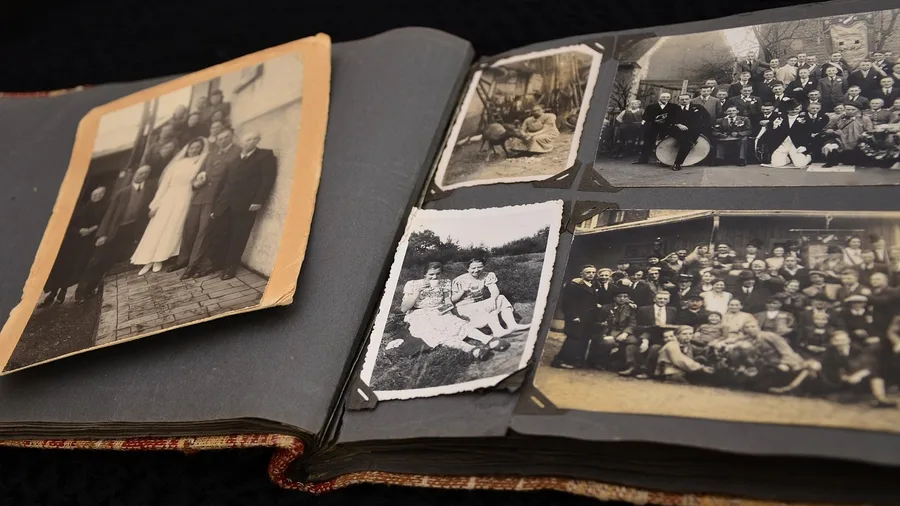
Three decades of shared history can easily disguise an empty present connection. You sit down with an old neighbor or early carpool peer, expecting the effortless warmth of a lifelong bond, only to find an awkward silence.
The two-hour dinner quickly becomes an exhausting loop of ancient anecdotes. You rehash a street party from twenty-five years ago, recount neighborhood gossip from the nineties, and trade news about adult children. But the moment the topic shifts to current ideas, personal values, or how you spend your days, the table goes completely cold.
Nostalgia alone cannot sustain an adult friendship across decades.
The reframe is understanding that shared history is a historical artifact, not an active contract. Raising young children on the same street provided situational teamwork during a specific developmental milestone. It was never a promise that your worldviews, emotional needs, and core philosophies would remain compatible once the daily scaffolding of that era fell away.
When someone tries to schedule recurring monthly catch-ups out of sheer habit, you can step back smoothly. A brief note works: "It was great reminiscing about the old days, let us check in again down the road."
Treating these legacy connections as pleasant historical markers rather than active obligations protects your emotional energy. You can genuinely appreciate the role someone played in an earlier chapter of your life without forcing artificial present alignment. A fond memory does not require constant maintenance or regular dinners to retain its genuine value.
Evaluating Legacy Connections
Routine-Based Ties
- Bonded strictly through shared proximity or past eras
- Conversations revolve around recycling old memories
- Interactions feel like an obligation on your calendar
- Zero shared values or intellectual curiosity today
Values-Based Friendships
- Bonds form around mutual curiosity and growth
- Discussions focus on present pursuits and ideas
- Meetings leave you energized and mentally refreshed
- Deep alignment on personal boundaries and ethics
Frequently Asked Questions
How do I know if a fading friendship is worth saving?
Look for mutual reciprocity and present-day curiosity. If the other person asks about your current life, respects your boundaries, and initiates contact without prompting, the connection is worth nurturing. If the relationship relies entirely on you reaching out or recycling old memories, let it fade.
Is it normal to feel grief when workplace friendships dissolve?
Yes. Losing daily camaraderie represents a significant loss of social structure and routine validation. Acknowledge the sadness of that chapter ending, but recognize that grieving the routine is different from needing to preserve every individual coworker tie.
How can I build new, meaningful friendships after retirement?
Focus on high-engagement, interest-based groups rather than casual social mixers. Join community workshops, volunteer boards, botanical societies, or athletic clubs where repeated interaction happens around a shared, meaningful pursuit.
What should I say when an old friend asks why we rarely talk?
Keep your explanation gentle, honest, and free of blame. Say something direct: 'My daily rhythm and priorities have shifted a lot since retiring, and I have been keeping my calendar much quieter, but I still wish you the absolute best.'
Auditing Your Circle for Values Rather Than Convenience
Review your current connections against two straightforward criteria: whether an interaction leaves you energized rather than obligated, and whether the bond survives without the crutch of shared hallways or distant nostalgia.
Replace passive convenience ties by committing to local civic initiatives, skill-based workshops, or volunteer efforts that require deliberate, weekly engagement around common priorities.
A quiet calendar is not an indictment of your personal worth. It is simply the removal of accidental proximity to make room for a smaller, far more resilient circle chosen on purpose.
Run Your Social Circle Audit Today
Review your weekly contacts against the comparison guide above to identify which friendships deserve your active time and energy.