

By the time you sit where I am, you will see precisely what your daily worries actually bought you.
I retired 24 years ago after reaching a peak career salary of $48,000, having spent decades in a state of quiet financial dread. Late last year, I sat in the same modest 1,200-square-foot house I have lived in since 1971 and read through 50 years of my own handwritten diaries to tally which days were marked as truly happy. The entries recording deep psychological peace had zero correlation with my bank balance.
Real late-life security comes from simple morning habits, dusk walks, and three reliable friends. You do not need to accumulate extra wealth to secure a meaningful life; shifting your daily focus toward immediate, zero-cost emotional routines builds far greater late-life satisfaction.
Quick Tips Before You Start
Read Your Own History
Keep a brief daily log of what actually made you smile.
Protect The Morning
Silence before 7 AM is worth more than gold.
Move Every Evening
A simple walk processes the day's physical tension.
Count True Friends
Three reliable people are better than three hundred acquaintances.
The Truth About Connection
Human bonds form the absolute foundation of a satisfied life.
The people who share your quietest moments outlast any financial windfall or career milestone you will ever achieve. Building relationships that actually last requires steady presence, not expensive maintenance.
1. Deep Listening Creates Better Friendships

"I just don't know what to buy them." We say this before every birthday or winter holiday, agonizing over expensive catalog purchases, convinced that handing over a material object is the single best way to prove we actually care. We spend weeks chasing down the perfect item, hoping it will somehow keep people close.
But when I read through fifty years of my own handwritten diaries, I assumed I would find records of those milestone presents. Instead, I found exactly 114 specific conversations where I felt completely, entirely understood.
Giving someone your undivided attention builds immediate, impenetrable emotional safety.
Psychologists who study human behavior consistently point out that active listening visibly lowers cortisol levels and physical tension in the person speaking. It creates a deep physiological calm that an expensive birthday gift can never replicate, firmly anchoring the relationship in genuine trust rather than a forgettable, obligatory holiday transaction.
At the exact same time, sitting in stillness completely relieves the listener from the constant pressure to perform or instantly fix the problem. This steady presence is a relief for anyone who finds entertaining profoundly exhausting.
You do not need to be a brilliant conversationalist to keep a trustworthy friend through four decades of life. When someone brings you a hardship, skip the unhelpful advice entirely and say, "That sounds incredibly heavy, tell me more about what happened." Then, simply close your mouth and let the open space do the actual work.
💡 Tip: Put your phone in another room when someone is talking about a hard day.
Listening vs. Fixing — At a Glance
👂 The Action
Silent attention
📉 The Effect
Lowers cortisol
🕰️ The Investment
Ten minutes
The Rule
Do not offer a solution unless they explicitly ask for one.
2. Letting Go Of Petty Grievances
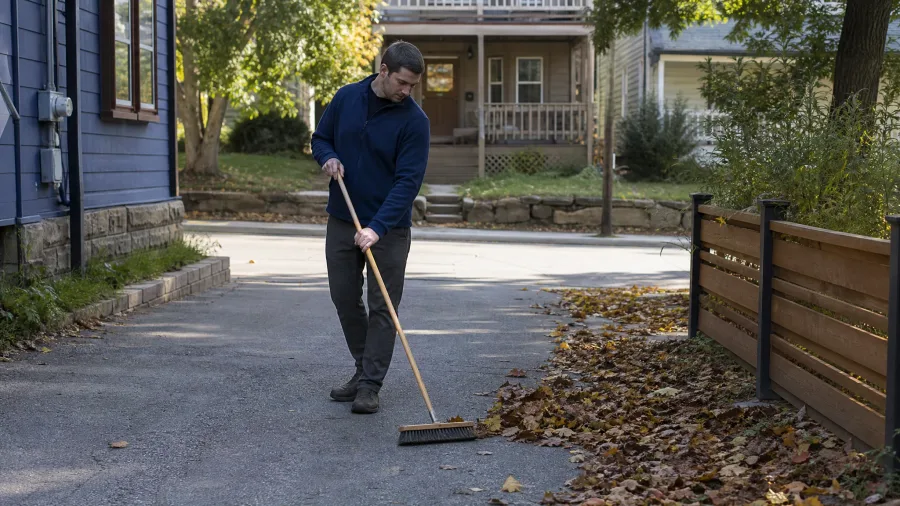
Just as offering someone your real attention strengthens a bond, nursing quiet resentments slowly poisons it. People often tell you that demanding justice over small slights is a matter of self-respect and personal boundaries, but that common advice is completely backwards. Holding onto anger turns your own mind into an exhausting courtroom.
Keeping an old offense alive burns through the emotional and cognitive bandwidth you actually need for the present day. My old journals are full of afternoons ruined by writing furiously about minor mistakes.
I spent fifteen long years glaring out my window over a property line dispute where a neighbor moved his fence three inches. When I finally dropped the argument entirely, the physical lightness in my chest was immediate. Trading that loop of silent resentment for simple forgiveness brings your body back down to a calm baseline.
Dropping small fights is how you protect your everyday peace.
The Cost of a Grudge
3. Ordinary Tuesday Evenings Supply Joy

You drop a lingering grievance, and suddenly you have the mental space to simply sit at the kitchen table. Clearing out yesterday's resentment is exactly what makes room for a quiet, unscripted evening.
When I tallied my fifty years of journals, casual, unforced moments of connection supplied far better memories than highly planned events. High-expectation vacation planning usually just introduced severe travel anxiety, whereas low-stakes routines fostered quiet joy. Instead of a $4,000 luxury cruise ruined by flight delays, my happiest entries centered on $6 home-cooked pasta dinners.
Frequent low-cost meals build lasting contentment without any financial strain.
🌱 GROWING TIP
Lower The Stakes
Invite people over for leftovers instead of a catered dinner party. The relief of low expectations makes the evening.
4. Three Reliable Friends Are Enough

Keeping fifty casual acquaintances updated on your life is a full-time job that pays only in exhaustion. Once you realize the best Tuesday evenings happen around a scratched kitchen table with just one or two faces, maintaining a massive social network feels like a trap. You are forced into a constant, draining performance of having everything together.
Real emotional safety is much smaller.
The night the hospital called in 1994, I did not broadcast my panic to a crowd of well-wishers. I sat on the hallway floor, dialed my wall phone, and called one woman who already knew where I kept the spare house key. Over four decades, keeping exactly three close friends provided an ironclad net through every single crisis.
Placing one direct call to a trusted confidant delivers an immediate relief that broadcasting distress on social media today never will. Three reliable people give you complete comfort without the tax of pretending.
Who to Keep Close
Finding Peace in the Present
Grounding yourself in the physical reality of today prevents the mind from drifting into fear of tomorrow.
Simple, repetitive actions anchor the nervous system against the overwhelming pace of modern demands.
5. Sipping Coffee In Total Silence

I spent years waking up and immediately checking the morning news. Knowing I had a reliable safety net of friends meant I could finally turn inward and stop treating dawn like an emergency.
Ask yourself right now: what is the very first piece of information you consume? If your answer is a social media notification or a message from a demanding supervisor, you are voluntarily spiking your early cortisol. If your answer is total silence, you are lowering your sympathetic nervous system arousal.
At 6:00 AM, I began practicing a thirty-minute silent coffee ritual. Claiming those first minutes without external input sets a grounded baseline for the entire day.
🌅 The Silent Morning Routine
6:00 AM
Wake up and leave all screens in another room.
6:05 AM
Brew coffee while listening only to the sounds of the house.
6:10 AM
Sit by a window for thirty minutes with zero input.
6. Tending To A Single Plant
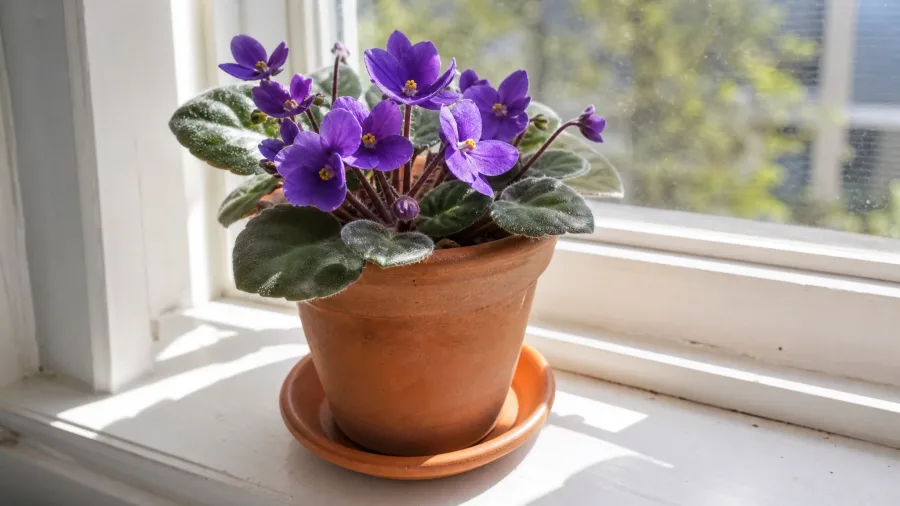
You take the quiet, focused attention you just gathered at dawn and pour it directly into something that actually needs your physical help to survive. It is the cheapest, most reliable daily grounding exercise available to us.
The common misread is assuming a houseplant is just cheap decoration or a lazy way to pass the time. I believed that completely, right up until my early retirement stretched out like a blank canvas.
Buying a small African violet and placing it squarely on my kitchen windowsill instantly provided a tangible anchor for my mornings. Instead of sinking into my own head and agonizing over the quiet decades ahead, I finally had a continuous, daily purpose requiring me to stand at the sink and pay close attention to dirt and water.
It forces a profoundly slower, quieter rhythm of daily living.
Modern life intensely conditions us to expect an immediate payoff for every ounce of effort we spend, leaving us deeply frustrated when results stall. Watching slow, incremental plant growth actively combats that modern neurological addiction to instant gratification. You check the soil dampness with your thumb, adjust the fragile leaves, and simply wait for weeks.
When visitors admire the purple blooms, they often say, "You just have a natural talent." I tell them I am simply caring for a living organism, building quiet resilience against the creeping existential loneliness.
💡 Tip: Pick a plant that visibly responds to water, like a peace lily or violet, to see the immediate impact of your care.
The Impact of Morning Input
7. A Daily Walk Around The Block

Leaving the quiet focus of tending an indoor plant to step outside and move your body clears the mind better than any costly wellness trend. For twenty-four years, I have walked the exact same one-mile loop through my neighborhood every single evening at dusk. That completely free daily habit consistently processed whatever lingering stress hormones I had accumulated.
Researchers who study aging find that rhythmic, low-impact movement naturally metabolizes daily tension. The steady repetition of walking signals the nervous system to stand down, delivering benefits that expensive anti-aging spa treatments cannot replicate.
The quiet, steady forward momentum literally protects your aging brain.
My handwritten records track how maintaining this exact routine preserved my cognitive pliancy as my physical age advanced over the decades. I watched people spend thousands of dollars trying to buy mental clarity, while I just went outside. The body inevitably slows down, but the mind stays remarkably flexible when you walk it around the block.
Processing Daily Stress
Evening Walk
- Costs nothing
- Metabolizes physical tension
- Provides fresh air
- Requires zero planning
Luxury Wellness
- High financial cost
- Requires appointments
- Adds travel stress
- Often a temporary fix
8. A Messy, Lived-In House Is Safe

Fifty-five years in the exact same footprint teaches you the heavy, exhausting price of constant presentation. Stepping back through the front door after my evening walk, I return to the identical 1,200 square feet I purchased in 1971. I used to spend my Saturdays entirely drained, scrubbing floors and hiding my actual belongings to maintain a flawless appearance.
The steep cost of a spotless living room is the quiet, unspoken tension everyone feels sitting inside it. Prioritizing that pristine surface sacrifices the deep domestic comfort that makes a physical shelter feel secure.
Escaping the daily anxiety loop of magazine interiors restores the space as a psychological sanctuary. You accept the scuffed linoleum and the cluttered dining tables as the necessary marks of real living. I noticed that visitors naturally drop their shoulders and stay much longer in a house showing authentic signs of daily life.
A spilled cup of tea is a moment, not an emergency.
Redefining Value and Success
Chasing an ever-moving financial finish line guarantees you will run out of time before you run out of goals.
True success in late life looks like contentment with what you already hold in your hands.
9. Volunteering One Hour Erases Self-Pity

Retreating into the quiet safety of a cluttered, lived-in house is a perfectly fine response when you just need a weekend to recover. But staying shut behind that front door for weeks turns domestic comfort into a lonely trap where your own minor aches echo endlessly.
Shifting your focus to a stranger's immediate needs breaks that loop.
Dedicating sixty minutes every Thursday to organizing returns at the local branch instantly snapped me out of my own pity parties. Showing up to serve triggers a steady, enduring emotional lift that buying a new sweater cannot touch. Older folks who stay useful spend far fewer days lost to the gray fog of depression.
10. Admitting You Were Wrong Relieves Burden

For forty-three years of my marriage, I kept a mental tally of every minor kitchen dispute to ensure I never lost a point.
Saying the words that you misunderstood the situation cuts through hours of defensive tension like opening a heavy basement window to let the morning breeze sweep across the floor.
Maintaining an unbroken facade of correctness over decades creates an exhausting internal cage that costs far more in nervous energy than any temporary ego victory could possibly repay.
Stepping forward to offer a quiet concession first in a minor household disagreement breaks the heavy habit of self-preservation and instantly deepens mutual trust.
11. Accepting 'Good Enough' Ends The Chase

You sit at your kitchen table late at night recalculating retirement projections, searching for an impossible standard of safety. Dropping the requirement of personal perfection makes it far easier to abandon the drive for endless financial accumulation.
When I retired twenty-four years ago, my peak career salary as a Midwest schoolteacher was $48,000. Tallying fifty years of my handwritten diaries proved that 'enough' is an internal boundary, not an income figure. Behavioral researchers consistently document the hedonic treadmill: every pay raise yields only temporary satisfaction before baseline expectations reset, leaving you chasing the next milestone.
Recognizing when your circumstances are adequate breaks that loop.
Choosing financial contentment halts the endless cycle of consumer-driven anxiety and delivers a deep, lasting emotional peace. Stepping off that endless treadmill allows you to escape the perpetual burnout of the career rat race, freeing your energy for the low-stakes daily moments that actually make a life feel rich.
💡 Tip: Write down your definition of 'enough' right now, before the world tells you to raise it.
12. Embracing Uncertainty Preserves Vitality

"Always prepare for the worst so you are never caught off guard." We treat that as wisdom, but anticipating disaster is just practicing misery before it arrives. Once I accepted that my modest income was truly enough, the frantic need to predict every future emergency simply vanished.
The catastrophes you are bracing for are mostly ghosts.
Reading fifty years of my diaries revealed a startling truth: ninety percent of the medical and financial crises I dreaded never materialized. Dropping the fantasy that you can steer fate turns anxiety into simple curiosity, freeing an obsessive planner to enjoy an unscripted afternoon. Approaching your remaining decades as an open adventure keeps the mind alive.
Frequently Asked Questions
Is it irresponsible to stop worrying about money as I age?
Planning is responsible; chronic agonizing is destructive. Once you have made your basic practical arrangements, spending daily emotional energy on financial fear steals the time you are supposed to be enjoying.
How do I make peace with a house that feels too small?
Stop looking at real estate listings and start inviting friends over for simple meals. When a home is filled with laughter and good food, the square footage becomes entirely irrelevant to your happiness.
What if my social circle is already too small?
Three deep connections provide more resilience than thirty acquaintances. Focus on being a better listener to the one or two people already in your life rather than trying to recruit a crowd.
Can I really let go of a grudge if they never apologized?
Yes. Forgiveness is not a gift you give the person who wronged you; it is a mechanism to lower your own blood pressure. You let it go so you can stop carrying their weight.
Start Stopping Tomorrow
Your life is not waiting to begin on the other side of a financial milestone.
I challenge you to look at your calendar for tomorrow and deliberately schedule one of these free joys into your routine. Sit in silence for thirty minutes, call one of your three true friends, or walk out the door at dusk.
Do not wait until you are eighty-nine to realize the small things were actually the main event.
Claim Your Quiet Morning
Set your alarm 15 minutes earlier tonight to guarantee a silent cup of coffee before the house wakes up.