
Four out of five lifelong friends will be gone before a person reaches their late eighties. Reaching that milestone turns ordinary longevity into a quiet, solitary endurance test.
Reaching advanced age is almost always celebrated as an uncomplicated triumph of health. Yet surviving your entire generational circle systematically strips away the external memory banks, the effortless cultural shorthand, and the reciprocal safety nets that quietly anchored your sense of self for fifty years.
The real burden of late-life longevity is not simply chronological aging, but cumulative bereavement and the sudden loss of everyone who knew where you began. This guide maps the cognitive, emotional, and logistical realities of outliving your peers, giving you practical ways to manage layered grief, rebuild daily networks, and turn solitary survival into active memory stewardship.
Quick Tips Before You Start
Document Details Early
Write down shared dates, names, and old jokes in a notebook before uncorroborated memories turn hazy.
Formalize Daily Help
Trade informal neighbor favors for reliable community volunteer registries and local transit programs.
Appoint Clear Proxies
Name younger advocates and legal proxies who understand your values before urgent medical crises develop.
Seek Intergenerational Ties
Join community projects or mentorship groups where shared curiosity matters more than shared decades.
The Erosion of Shared History and Identity
A lifetime of memories relies on co-witnesses who verify the reality of your past experiences.
When your closest peers pass away, the collective hard drive of your youth disappears with them. Understanding this cognitive loss helps you protect your identity when no one around you remembers where you came from.
1. Shared Memories Lose Their Only Co-Witnesses

Long-term friendships distribute memory across minds, splitting specific dates, names, and formative milestones between people who lived them side by side.
Ask yourself who is left to verify that shared summer in 1968, the early joint business failure, or the decades-old neighborhood dispute. If the answer is nobody, your past becomes entirely uncorroborated, turning concrete history into subjective fragments you can never cross-reference with another living witness.
That solitary remembrance creates a quiet disorientation, leaving you feeling less like a participant in your own life and more like its ghost.
💡 Tip: Record specific names, locations, and milestones in an audio journal so your personal history remains grounded.
2. Explaining Your Life Story from Scratch Feels Exhausting
Retreating into solitude costs you daily connection, but that withdrawal usually signals mental fatigue rather than a lack of warmth.
Lifelong companions operated on intuitive shorthand and decades of context requiring no verbal summary. Rebuilding that bond with new people requires onboarding them through family trees, past divorces, and deceased children, turning ordinary dialogue into a heavy biographical chore that lacks the grounding of shared life stages.
What looks like disinterest is actually energy preservation; summarizing eighty years of existence from scratch is too high a toll for superficial talk.
The Hidden Costs of Cohort Loss
How late-life peer loss shifts daily mental and social load
3. Generational Cultural References No Longer Land
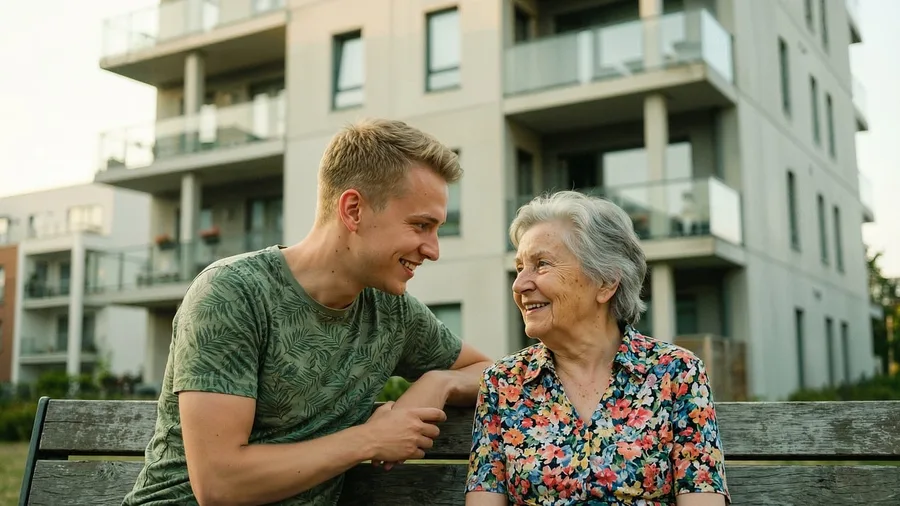
It is an easy mistake to assume that chatting with younger neighbors readily cures isolation. Standard advice insists that any social contact helps, but unstructured generational mingling often sharpens the ache of being an outsider.
A generational cohort shares intuitive linguistic rhythms, mid-century idioms, and a distinct humor that quietly anchors social belonging. When basic historical touchstones like the Korean War, rotary phones, or vintage radio broadcasts require tedious explanations instead of sparking immediate recognition, simple dialogue becomes an exhausting translation exercise that drains rather than restores you.
Losing that shorthand makes familiar spaces feel entirely foreign.
When every joke requires a footnote and every reference needs a backstory, the natural cadence of human connection collapses. The counterintuitive reality is that forcing yourself into environments where your cultural markers are alien will only deepen your alienation; genuine engagement requires creating intentional spaces where your history is heard on its own terms.
⚠️ COMMON MISTAKE
The Trap of Forced Historical Translation
Avoid spending every conversation explaining old slang or past technologies to younger listeners. Ground your interactions in present projects, shared meals, or practical skills where generational differences become natural assets rather than awkward barriers.
The Emotional Toll of Cumulative Loss
When deaths occur in rapid succession, standard grief cycles collapse into each other.
Understanding bereavement overload and survivor guilt prevents you from mistaking emotional exhaustion for coldness or apathy.
4. Bereavement Overload Leaves No Time to Recover

Four memorial services across a single winter will fundamentally alter how your nervous system responds to loss. When peer deaths arrive in rapid succession, the mind runs out of room to finish one mourning cycle.
The emotional blankness that settles in afterward is neither callousness nor a failure of love. It is bereavement overload, an automatic defense triggered by constant loss. When you are forced to absorb multiple shocks without a recovery window, the nervous system deploys numbness to protect you from total psychological exhaustion.
The tears stop because the circuit breaker tripped.
Many people sit through another service with dry eyes and assume their hearts have hardened over time. That flat affect is actually functional biological triage. It is your mind creating a temporary buffer, preserving your basic functioning until you have the emotional capacity to sit with what was lost.
Accepting that numbness as a necessary defense keeps you from wasting energy on self-reproach. You cannot force tears that your nervous system is actively holding back to keep you upright.
The real difficulty comes when that delayed mourning is never given room to surface later. Left unattended, unprocessed grief turns inward, showing up as chronic physical fatigue, fractured sleep patterns, and an executive fog that makes organizing daily routines or tracking simple schedules feel suddenly overwhelming.
Bereavement Overload — Key Indicators
⏳ Pacing
Overlapping losses
🛡️ Defense
Emotional numbing
💤 Physical Impact
Chronic fatigue
🧭 Recovery
Delayed processing
Core Rule
Emotional flatness after consecutive losses is protective shock absorption, not personal coldness.
5. Survivor Guilt Clouds Personal Health and Longevity
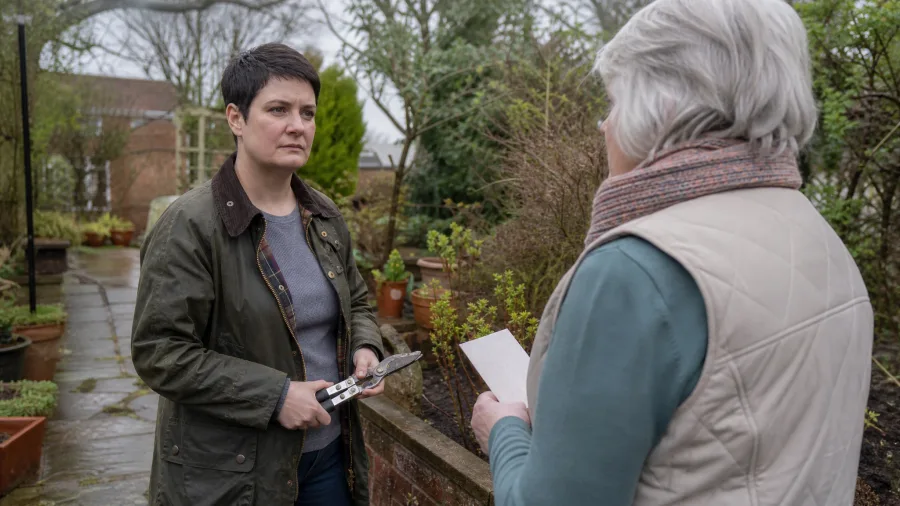
"You are so lucky to still be active in the garden," a neighbor remarks while dropping off a card. Instead of warmth, the observation lands like an indictment, bringing an immediate wash of private shame.
You immediately picture a dear companion who took better care of their health, raised a family, and passed away years ago. Reaching a major milestone birthday frequently triggers an irrational conviction that remaining mobile and clear-minded is somehow an unfair slight against friends who were kinder or lived healthier lives.
Biological luck does not carry moral debt.
Relieving that burden begins by separating survival from personal wrongdoing. Living longer did not rob your peers of their share of life. Reframing your continued stamina as an asset for practical contribution allows your health to function as an honest service rather than an unearned transgression against the people you lost.
💡 Tip: Treat your physical mobility as functional luck, not as an unearned victory over peers.
6. The Constant Specter of Anticipatory Grief Sets In

The phone rings at an unusual hour, and your chest tightens before you reach the receiver. You brace for bad news, instantly assuming an off-schedule ring signals an urgent hospital admission or a severe fall.
When a close circle narrows down to just two or three people, the stakes of every interaction spike dramatically. Anticipatory grief turns ordinary companionship into exhausting hypervigilance. You start analyzing the slight rasp in a friend's voice during a morning call, dissecting routine lab reports, and treating any missed connection as a catastrophe.
Chronic dread quietly poisons the time remaining.
To protect against the inevitable shock of another loss, a subtle urge develops to pull back. You might find yourself shortening phone calls or declining weekend invitations, hoping emotional detachment will cushion the eventual blow. That defensive retreat buys only a hollow illusion of safety while forfeiting the actual relationship in real time.
The cost of that habit accumulates over months of self-imposed isolation. You end up mourning living friends as though they were already gone, letting hypothetical future sorrow crowd out the companionship you still have.
Halting that drift requires pulling your focus back into the room. When fearful thoughts start predicting a future memorial, ground yourself in the sensory reality of the present – the warmth of shared coffee and the conversation happening right now. Practicing active, attentive engagement is the only way to honor the friends who are still here.
💡 PRO TIP
Stay Anchored in the Present Call
When dread surfaces during conversations with remaining peers, bring your focus directly to the sensory details of the moment: the sound of their voice, the specific joke told, and the topic at hand. Do not let hypothetical future funerals steal today's phone call.
7. Society Minimizes Loneliness by Celebrating Mere Longevity
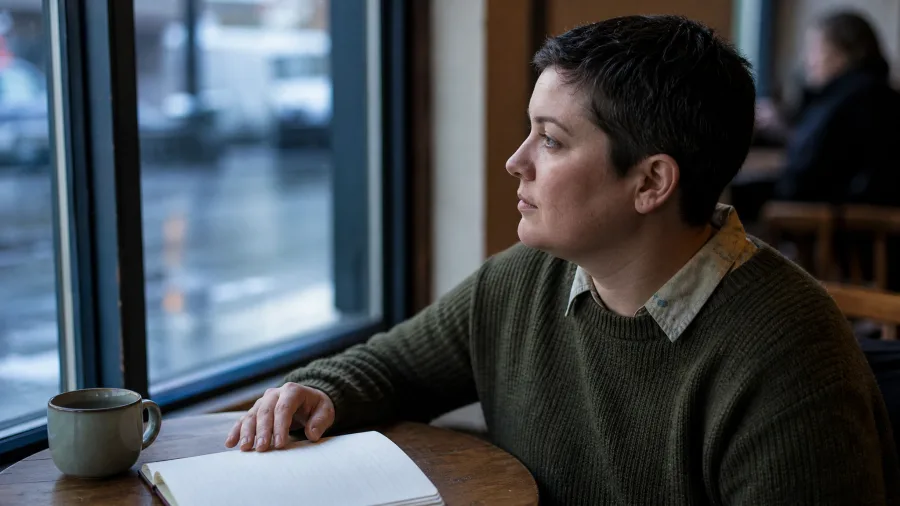
People treat surviving into late life as an uncomplicated victory, offering cheerful congratulations as if biological endurance solves everything. It rarely feels that way from the inside. When adult children, neighbors, or physicians dismiss your isolation with lines like 'at least you have your health,' they overlook how hollow physical survival feels without your people.
Grief does not disappear simply because death is expected.
Society routinely treats late-life loss as routine, forcing you into an exhausting double burden: carrying real loneliness while performing gratitude for strangers. The next time someone dismisses your grief with shallow cheer, hand them a plain boundary: 'My physical health is fine, but surviving everyone I love is hard work, and both things can be true at once.'
Living past your entire cohort is an active emotional trial, not a tidy prize. You are entitled to name the weight of an empty room without apologizing for failing to feel lucky.
Social Perception vs. Lived Reality
The gap between external congratulations and internal isolation
The Practical and Existential Realities
Losing a generational circle breaks down the informal safety nets that handled everyday emergencies for decades.
Rebuilding that security requires practical legal steps, structured community support, and an intentional commitment to preserving your friends' legacies.
8. Your Emergency and Informal Support Network Collapses
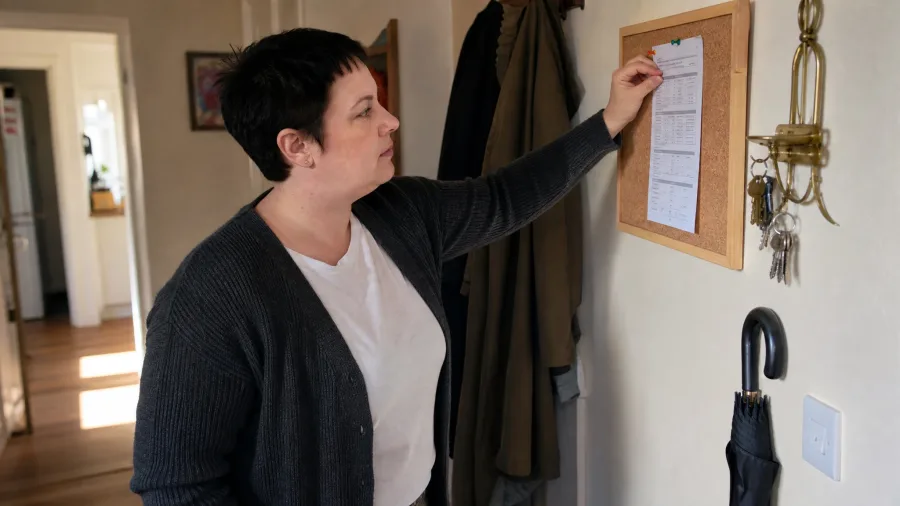
For decades, informal mutual aid with peers handled those daily logistics through effortless reciprocity. When your circle disappears, that practical safety net evaporates with them, leaving you reliant on overburdened relatives or paid caregivers who provide mechanical help without personal trust. The problem is not personal helplessness; it is an infrastructure gap.
Building replacements requires establishing structured ties early through neighborhood centers, faith groups, and volunteer registries before an acute emergency forces the issue.
📋 Rebuilding Your Practical Support Net
Audit Informal Needs
List the daily tasks—clinic rides, spare keys, storm checks—that peers once handled automatically.
Enroll in Local Services
Register with municipal senior transit programs and verified volunteer check-in rosters.
Establish Keyholders
Give spare house keys and emergency contact lists to two trusted neighborhood contacts.
Set Daily Check-Ins
Create an automated or volunteer-based morning call routine to verify safety each day.
9. Fear of Becoming an Invisible Care Burden Intensifies

'I am terrified of ending up in an institutional bed where nobody knows who I was before I got sick.' That fear is completely rational once the peers who naturally protected your dignity and understood your character are gone.
Without age-peers to step in as healthcare proxies, surviving alone creates real vulnerability to medical depersonalization. The counterweight is early, unambiguous legal planning: drafting rigorous advance directives, appointing younger proxies, and giving designated advocates explicit instructions on your non-negotiable wishes.
Putting formal protections in place restores your agency before unexpected physical decline can take it.
10. You Become the Reluctant Sole Custodian of Legacies

The initial instinct is to treat estate work as merely an administrative chore. When a friend dies without surviving family, you become the sole repository of their photo albums, creative work, and unresolved affairs.
Carrying the duty of emptying their apartment or maintaining their memorial traditions brings a heavy psychological burden. You stand alone among decades of uncataloged possessions, facing the reality that whichever items you decide to discard will vanish permanently from human memory the moment they leave your hands.
That pressure creates deep moral exhaustion.
Social scientists who study late-life grief find that reframing this labor from a crushing obligation into deliberate legacy stewardship reliably restores a sense of personal agency.
Archiving a friend's records with a local historical society, recounting their contributions through community storytelling, or passing their practical tradecraft to younger people gives their life enduring permanence. Active preservation lets their lived history outlast their physical absence while providing your own survival with a clear purpose.
Reframing Late-Life Survivorship
Passive Isolation
- Treating memory keeping as an exhausting chore
- Withdrawing from calls to avoid anticipatory grief
- Relying on unspoken assumptions for emergency help
- Concealing social pain under forced gratitude
Active Stewardship
- Donating peer archives and tools to local organizations
- Staying fully engaged in remaining phone check-ins
- Setting up formal volunteer and transit agreements
- Stating emotional boundaries clearly to acquaintances
Frequently Asked Questions
Why do I feel emotionally detached after multiple friends have passed away?
Emotional detachment after consecutive losses is a recognized defense mechanism known as bereavement overload. When grief arrives faster than your nervous system can process it, your mind temporarily blunts emotional responses to prevent psychological exhaustion.
How can I make new friends when explaining my history feels exhausting?
Focus on activity-centered connections rather than biographical conversations. Join community book discussions, garden projects, or volunteer shifts where connection develops through shared current tasks rather than recounting decades of past history.
What should I do with personal belongings left by friends with no family?
Sort items into functional categories: donate specialty tools or books to local vocational schools, offer historical photographs to regional historical societies, and preserve select personal mementos as intentional acts of legacy preservation.
How do I handle survivor guilt when I remain physically healthy?
Acknowledge physical health as functional biological luck rather than a moral issue. Reframe your ongoing mobility and clarity as practical resources you can direct toward community service, mentorship, and preserving the memory of your cohort.
Turning Solitary Survivorship Into Generational Stewardship
Cohort survival becomes unbearable only when treated as a passive waiting room. Navigating the loss of your circle requires replacing natural peer reciprocity with deliberate intergenerational ties and structured memory stewardship.
Mentoring younger people, documenting unwritten histories, and formalizing your care network turns surviving the four out of five into an active legacy rather than an isolating vigil.
Audit Your Practical Support System Today
Review the four-step timeline in this article to replace informal peer favors with reliable community networks and clear healthcare proxies.