

Two people face the exact same medical crisis in their seventieth year and travel completely opposite emotional roads. One isolates behind a wall of grim duty, turning every shared hour into a silent endurance test. The other lets the old romantic expectations fall away entirely, discovering a quiet, grounding intimacy that redefines what a 42-year marriage means.
Fourteen hours of daily physical care strip away superficial romance completely. This article gives you ten hard-earned psychological insights into how long-term love evolves, deepens, and is tested when one partner becomes the sole caregiver later in life.
Quick Tips Before You Start
Pace Your Energy
Break heavy tasks into smaller blocks to prevent rapid burnout.
Name the Grief
Acknowledge the loss of your past dynamic without guilt.
Accept Support
Let outside help in before your physical reserves run dry.
Accept Today
Focus on the partner standing right in front of you now.
1. Love shifts from romantic passion to radical presence.

When fourteen hours of your day go toward lifting, feeding, and managing the physical aftermath of a stroke, the soft edges of a forty-two-year marriage wear away very quickly. You do not talk about the future or look across a crowded restaurant table anymore because the room has shrunk to a hospital bed pushed against the living room wall.
The heavy price of this shift is a quiet grief for the partner you used to know, the one who walked beside you without needing a steadying hand on her elbow. Superficial romance dies in that transition, replaced entirely by an unvarnished physical dependency that leaves no room for mystery.
What takes its place is a different kind of bond built on radical presence, where holding a spoon or adjusting a pillow becomes the primary language of devotion. If you ask yourself whether you still feel the old butterflies, the answer is no, but what remains is a grounded, unshakeable intimacy born from simply staying in the room when everyone else has gone home.
💡 Tip: Trade grand romantic gestures for steady, silent reliability during difficult afternoon hours.
💡 PRO TIP
Redefining Partnership
Intimacy changes shape when physical dependency enters a long-term marriage. Let go of old expectations to find new connection.
2. Resentment and guilt coexist in every honest bond.

You will feel a flash of blinding anger when you are called back into the bedroom for the third time in an hour, followed immediately by a wave of guilt so heavy it makes it hard to breathe. The unyielding demands of three years of home care breed a deep, exhausting resentment that sits right alongside a fierce, abiding love.
That friction is the inevitable cost of living inside a life where your own freedom has been entirely erased by someone else's survival. When the person you care for most becomes the sole reason you cannot leave the house, the mind rebels in small, ugly ways before catching itself.
Recognizing this tension as a normal psychological reaction rather than a moral failure is the only way to keep from breaking under the weight of it.
💡 Tip: Use a mental pause button the moment anger spikes so you can separate the disease from your partner.
Caregiver Reality Check — At a Glance
⏰ Daily Care
14 Hours
📅 Respite Help
4 Hours Weekly
💍 Prior Marriage
42 Years
🏠 Setting
At Home
Core Balance
Honest self-compassion stops caregiver frustration from turning into self-hate.
3. Identity dissolves before you even notice it.

I am fine, just go ahead without me.
You say it to a neighbor who drops by with groceries, or to an old friend inviting you down to the hardware store for twenty minutes, and you say it so often that you eventually forget you are lying. The world shrinks silently until the four walls of the house contain your entire existence, and your own name starts to feel like something that belongs to a stranger.
This self-erasure happens so gradually that months pass before you realize you have stopped reading books, answering the phone, or caring about what day of the week it is. Carving out four hours of weekly respite care felt like an impossible betrayal at first, but it proved to be the thin line keeping my own mind intact against the slow drift of losing myself entirely.
Without that small, fiercely guarded boundary, you stop being a person who cares for someone else and become merely a function of their survival.
Caregiver Approaches
The Isolation Trap
- Suppressing all personal needs
- Refusing outside respite help
- Blending identity entirely away
- Running on pure physical willpower
Sustainable Support
- Protecting small personal boundaries
- Accepting weekly respite hours
- Maintaining independent reflections
- Acknowledging personal limits early
4. Patience is a muscle that eventually tears.
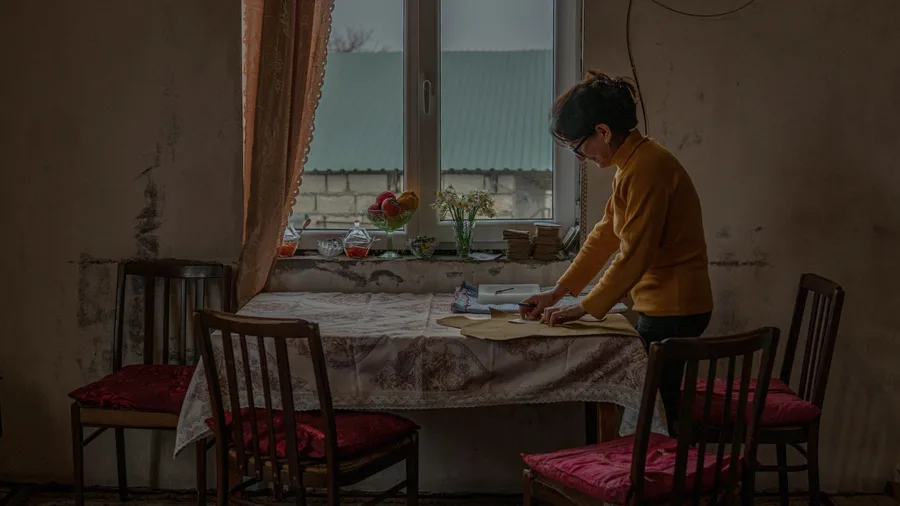
You drop a ceramic mug on the kitchen tiles at 6:00 AM because your hands are shaking from broken sleep, and instead of cleaning it up quietly, you find yourself shouting at the empty room. Emotional reserves are simply finite under the weight of chronic stress and relentless physical fatigue, turning even the smallest household friction into a sudden crisis. When you provide fourteen hours of direct daily support without a break, your nervous system runs out of buffering capacity entirely.
Absolute psychological limits get exposed during minor triggers that would never phase you under normal circumstances. A misplaced pair of slippers or a slow response can suddenly feel like an insurmountable wall, triggering a sharp, disproportionate flash of irritability. You are not losing your mind or turning into a hostile person; you are simply hitting the hard boundary of what a single human being can absorb without backup.
There is a necessary distinction between normal caregiver irritability and actual emotional abuse. Snapping out of sheer exhaustion and immediately feeling a heavy wave of remorse is a sign of overload, not cruelty. Abuse relies on control and intimidation, whereas burnout looks like a frayed wire sparking because the current is too high for too long.
You learn to step back and deploy concrete strategies before an emotional breakdown occurs in front of the person who depends on you. Walking out to the porch for two minutes of silence while the kettle boils is not abandoning your post; it is a mechanical necessity to keep the circuit from blowing completely. When the patience muscle finally tears, trying to force it to heal while still lifting heavy weights only leads to deeper snapping.
You can say something like, I need to step into the hallway for sixty seconds to breathe, or simply walk away when you feel the heat rising behind your eyes. These small interruptions keep the daily strain from hardening into lasting bitterness, protecting both your own sanity and the quiet dignity of the person you are caring for.
Monitor your limits before physical reserves run dry.
5. Grief happens long before death actually arrives.
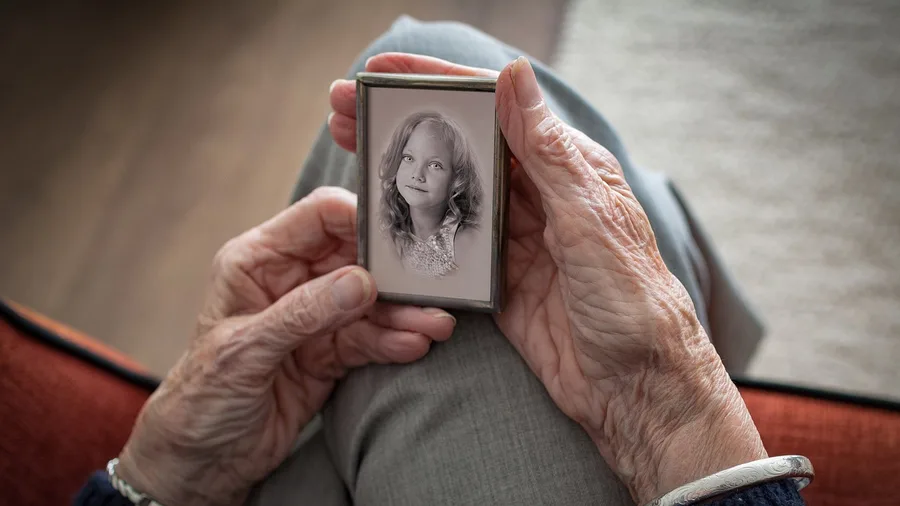
Three years of living as a full-time at-home caregiver means experiencing countless micro-grieving sessions before any final loss ever occurs. Progressive illness triggers a steady anticipatory grief over the gradual disappearance of the living person right in front of you. You look across the kitchen table at your partner of forty-two years and realize that the dynamic you spent decades building has already vanished.
The physical presence of your spouse contrasts sharply with their psychological absence, creating a strange, unresolvable dissonance. You share the same rooms and the same history, yet the conversational partner who used to handle half the mental load is entirely gone. This continuous, unresolved loss requires safe mental processing rather than being brushed aside in the name of staying strong.
Day-by-day fading creates an ongoing mourning process that does not wait for a funeral to begin. You miss the person who went to sleep last year, even though they are sitting in the next chair right now. Allowing yourself to feel that sorrow without turning it into panic is the only way to carry the weight without breaking under it.
🌱 GROWING TIP
Processing Anticipatory Grief
Allowing yourself to mourn the changes in a living partner is a healthy psychological release, not a betrayal of hope.
6. Accepting outside help is an act of fierce loyalty.

Four hours of weekly respite care get fiercely resisted through a stubborn sense of lone caregiver pride that ultimately harms both partners instead of proving true dedication.
Accepting outside help preserves the loving patience and emotional endurance needed for the long haul, proving that surrendering total control can happen without feeling like a failure.
7. Shared silence becomes a deeper language.
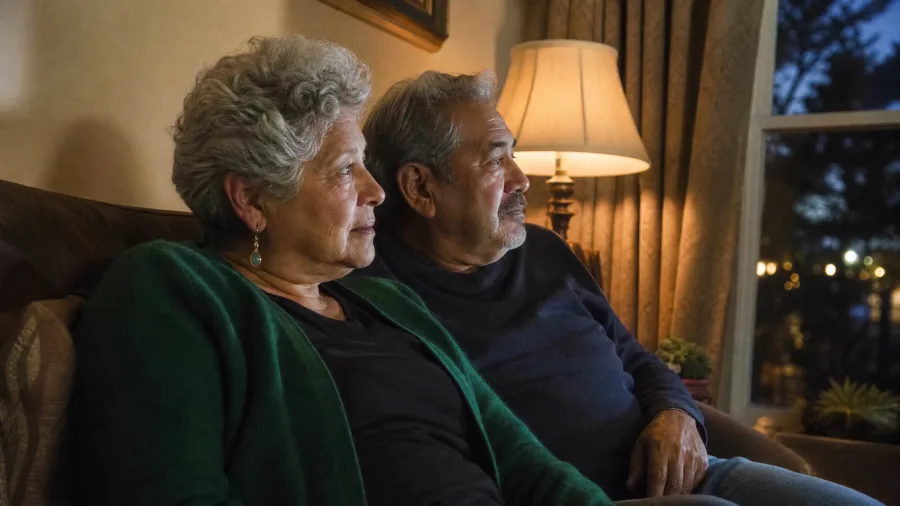
I used to think that losing our ability to converse freely meant losing our connection entirely, so I spent the first year filling every silent room with nervous chatter and explanations.
When verbal communication fades due to advanced illness, the expectation of back-and-forth dialogue disappears, leaving you with quiet, shared routines that provide comfort instead of isolation.
An unspoken understanding creates profound, comforting intimacy beyond words as you sit together in the afternoon light, and the lingering fear of emotional isolation subsides as deep connection holds.
Connection Alternatives
8. Forgiveness must be practiced multiple times a day.
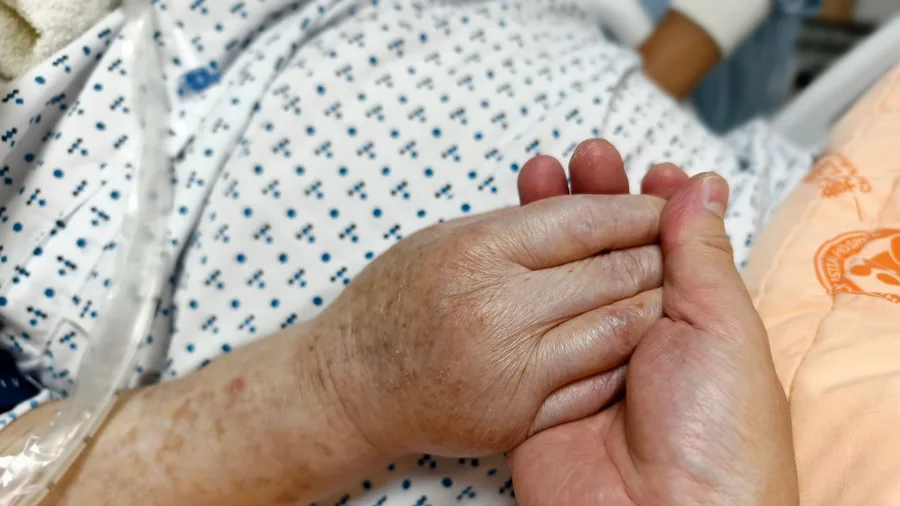
People assume that deep devotion means never having to bite your tongue, as if genuine affection should naturally dissolve every spike of irritation in a shared room.
Living in fourteen-hour days of bodily care inside a small house means friction arrives before noon, usually triggered by a spilled glass of water or a refused spoonful of soup, turning small moments into sharp exchanges that leave both people raw.
Holding onto a harsh remark from Tuesday morning poisons Wednesday afternoon, whereas dropping the grievance immediately prevents bitterness from settling into the floorboards of the marriage.
Mutual pardoning acknowledges that human frailty operates at full volume when exhaustion takes over, and forgiving an unintentional slight protects the bond far better than keeping a silent ledger of wrongs.
9. Your shared history acts as an emotional anchor.

When the present day shrinks to the four walls of a living room and the immediate tasks of physical assistance, the mind naturally reaches back for wider ground.
Researchers who study long-term bonds observe that couples drawing on decades of shared memories maintain an emotional buffer that softens the sharpest edges of current physical decline.
Looking back at forty-two years of life before a stroke changed everything provides a steady place to stand, allowing a partner to separate past joy from present hardship without pretending either one is different from what it actually was.
History sustains daily survival because remembering who someone was before illness narrowed their world helps keep them fully visible right now.
10. True commitment means loving who is here right now.

I just want my wife back.
Forty-two years of shared history provide a necessary anchor, but that very anchor can turn into a hook that keeps you snagged in yesterday. When you spend fourteen hours a day managing the physical reality of a stroke, mourning the person who used to walk beside you becomes a full-time secondary job.
Clinging to the ghost of how my wife used to be prevents love today. Every time I compared her current fragility to the sharp, capable woman who planned our retirement, I created a distance between us that medication or therapy could never bridge.
Radical acceptance of the present moment brings deep peace. It took me three years of daily caregiving to realize that demanding yesterday back was a subtle form of rejecting today. The exhaustion only eased when I stopped treating her current state as an emergency interruption and started treating it as our actual life.
Letting go of past expectations saves the relationship. You cannot build intimacy with a memory, and waiting for a miraculous return to form means missing the person who is sitting right across the room right now.
The vulnerable, changed person standing right in front gets fully embraced only when you finally lay down the ghost story. Love at seventy is not about recovering what was lost, but about staying entirely awake for what remains.
Frequently Asked Questions
How do I handle overwhelming caregiver burnout?
Break your day into manageable blocks and protect a few minutes of quiet time daily. Accepting small amounts of outside respite care is essential for maintaining your emotional endurance.
Is it normal to feel angry at a sick spouse?
Frustration under chronic physical and emotional demands is entirely normal. Acknowledge these feelings without self-hate and use mental pauses to reset before reacting.
How can we stay connected when conversation becomes difficult?
Intimacy shifts from verbal dialogue to shared quiet routines, holding hands, and listening to music together. Silent presence often communicates deeper care than words.
Why is accepting outside help so difficult?
Lone caregiver pride often makes you feel you must do everything yourself. Accepting help from family or professional nurses protects your health and preserves your patience.
How do I stop wishing for my old life back?
Letting go of past expectations and practicing radical acceptance of the present moment allows you to love and support the person standing right in front of you today.
The Quiet Integration of Late-Life Care
Late-life caregiving is not just a burden of duty, but a profound final act of emotional integration that requires accepting help to preserve love.
At age seventy, caring for my wife of forty-two years taught me that true devotion means loving who is here right now.
When fourteen hours of physical care give way to quiet afternoon light, love reveals itself not as past romance, but as the enduring choice to simply stay.
Reflect on Your Caregiving Journey Today
Take five quiet minutes to review your daily routine and accept one small form of outside support this week.