

You might expect the final hours in a hospital palliative care ward to be filled with grand philosophical epiphanies, but the reality is much quieter, heavier, and far more repetitive than anyone imagines.
I am a retired 73-year-old nurse who spent 40 years caring for patients in hospital bedside and palliative care settings across the United States, listening closely to their final reflections.
Patients nearing the end of life often harbor profound grief not from what they did, but from the authentic paths they abandoned to keep the peace and chase external milestones.
You walk in believing that a successful life is measured by social approval and professional status, only to realize too late that the scorecard was entirely wrong.
By the end, you will be able to evaluate your current priorities and choose authenticity over regret, letting go of external expectations, ambition-driven isolation, emotional suppression, petty grudges, and delayed happiness before it is too late.
The opinions of people who do not have to live your life will cost you the only one you have.
— What patients repeated most often in hospital rooms
Living for Other People's Expectations Instead of Your Own Authentic Path

People at the end of life most frequently wished they had the courage to live a life true to themselves, rather than the one others expected of them.
During my forty years as a nurse in hospital wards across the United States, I watched patients confront the heavy burden of letting family and societal pressure dictate their choices. They followed predetermined scripts written by parents and peers, sidelining their own authentic path until it was entirely out of reach.
I sat beside a dying man who spent decades working as an accountant to satisfy a parental demand for financial stability, while his oil paints dried up in a hall closet. He wept over the canvas he never touched, describing the quiet ache of carrying unfulfilled dreams.
That weight does not simply vanish over time. It creates a deep emotional deficit that intensifies sharply when physical time runs out and every remaining door closes.
💡 PRO TIP
Spotting Misplaced Life Obligations
Notice every time you say yes to an external demand purely out of fear of disappointment. That immediate friction points directly toward an unlived choice of your own.
Sacrificing Meaningful Relationships for Endless Professional Ambition

When personal authenticity gets traded for external validation, that unfulfilled drive often morphs into an obsessive pursuit of professional status as a substitute for true fulfillment.
Overworking at the expense of family and friendship stood out across palliative care units as a universal source of profound late-life grief. Corporate success and career milestones fade into complete insignificance when measured against the stark reality of relational emptiness at the end of life.
A patient once whispered to me about missing every single milestone of her children growing up while she worked endless hours to climb the corporate ladder. She traded human connection for professional applause, leaving herself entirely isolated when she needed support the most.
When the body finally breaks down, no plaque on the wall or title on an office door sits beside the bed to hold your hand.
End-of-Life Priority Shift — At a Glance
⏰ Primary Cost
Missed years
💼 False Idol
Work status
❤️ True Value
Daily presence
The Core Shift
No one ever wished they spent more late nights at the office.
Suppressing Vulnerable Emotions to Keep the Peace Around Others
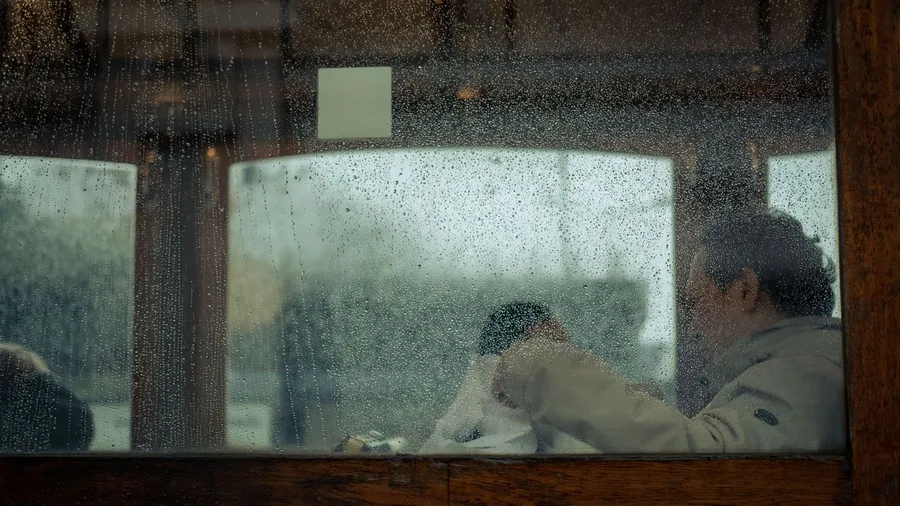
Holding back emotions hurts us long term by turning swallowed words into chronic bitterness and profound physical exhaustion.
Throughout my decades in palliative care, I watched patients bury honest feelings just to keep the peace, creating a mediocre existence built entirely on silence rather than resolved tension.
A bedridden man described how fifty years of biting his tongue left him feeling emotionally stranded and physically drained in his final days.
Embrace emotional honesty as the necessary release valve that prevents a lifetime of quiet resentment before your own time runs out.
⚠️ COMMON MISTAKE
The Danger of Keeping the Peace
Swallowing your true reaction to maintain temporary harmony does not protect the relationship. It simply stores up debt that you pay off alone later.
Allowing Longstanding Grudges to Destroy Lifelong Friendships

People let valuable friendships slip away because stubborn pride convinces them that time to make amends will always be waiting.
Over forty years walking hospital wards across the United States, I watched patients spend decades nursing petty grievances while losing touch with the people who mattered most in their lives.
They delayed proactive outreach under the false assumption that years were infinite, only to find reconciliation impossible when physical decline arrived.
One elderly man wept bitterly over a thirty-year argument with a sibling that neither side was humble enough to end over simple matters of ego.
The longing to fix those broken bonds hit with crushing force when the final days arrived and all remaining opportunities for pride vanished.
Pride vs. Connection
Weighing the cost of holding a grudge
Denying Yourself the Daily Permission to Be Truly Happy

People wait so long to let themselves be happy because they treat joy as a deferred reward that requires permission from external circumstances.
During my seventy-three years of living and my four decades working in bedside and palliative care settings, I saw how staying stuck in comfortable misery blocks daily contentment.
A dying patient once told me that waiting for the perfect moment to start living wasted four decades of capable years on mere survival.
Honoring personal joy requires the daily choice to embrace happiness without preconditions before physical time runs out.
Frequently Asked Questions
What is the single most common regret heard at the end of life?
Patients most frequently regret not having the courage to live a life true to themselves, rather than the life others expected them to live.
How can someone start letting go of professional over-ambition?
Start by setting strict boundaries around evening hours and prioritizing unhurried time with family and close friends each week.
Why do people hold onto old grudges for decades?
Pride and the fear of vulnerability often trap people in stubborn patterns, making them assume they have endless time to reconcile.
Is it possible to shift away from pleasing others later in life?
Yes, by practicing small, honest refusals daily and recognizing that external approval is a poor substitute for authentic peace.
How does emotional suppression affect daily well-being?
Swallowing your true feelings creates chronic internal tension and isolation, turning minor disagreements into heavy long-term resentment.
The Final Measure of a Well-Lived Week
Looking back across decades at the bedside taught me that a peaceful ending belongs to those who chose authenticity over comfort.
Return to the hospital rooms across the United States where I listened to those final confessions, and pick one strained relationship or one neglected personal dream to honor today before time slips through your fingers.
Evaluate Your Current Priorities Today
Take a moment to review where your time and energy are going this week, and make space for what truly matters.