
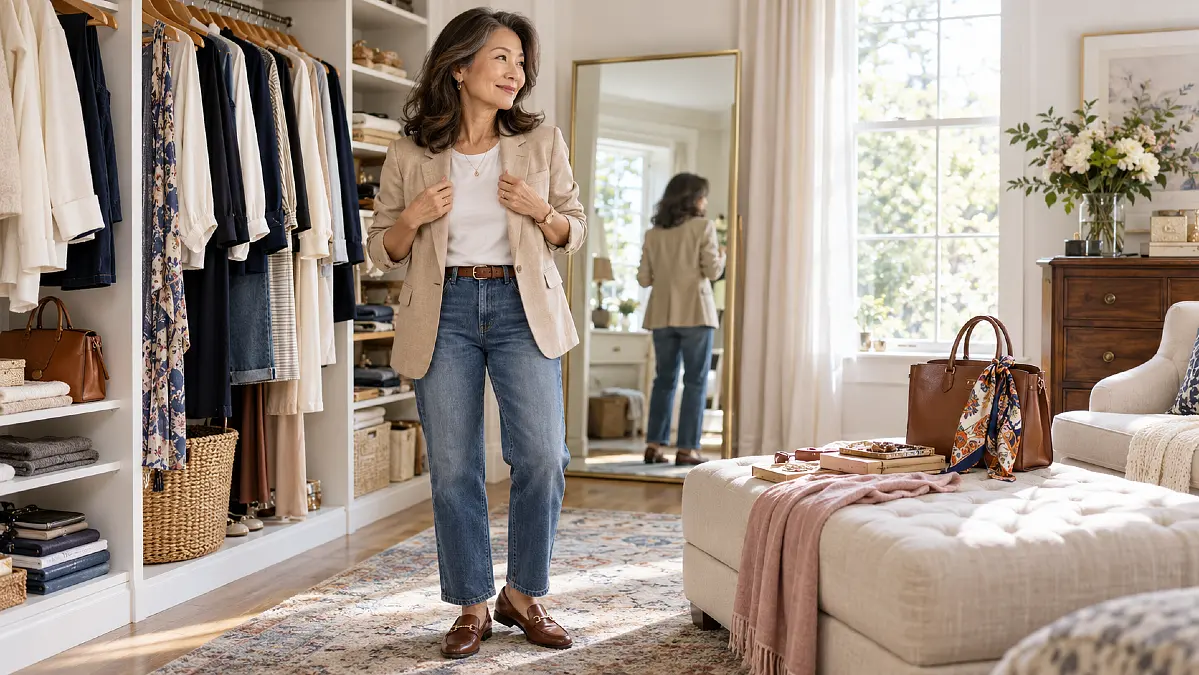
A closet full of clothes can still leave you feeling like you have nothing fresh to wear. Favorite jeans feel different, familiar outfits seem a little dated, and buying a whole new wardrobe sounds expensive and exhausting.
For many women over 50, the real problem isn’t a lack of clothing. It’s that the pieces they already own no longer come together in ways that feel current, comfortable, or exciting.
The good news is that you can refresh your wardrobe at 50 without replacing everything you have collected over the years.
A few changes in fit, color, proportions, and styling can make familiar clothes feel surprisingly new. The trick is knowing what deserves another chance and what actually needs replacing.
Start With the Clothes You Still Love Wearing
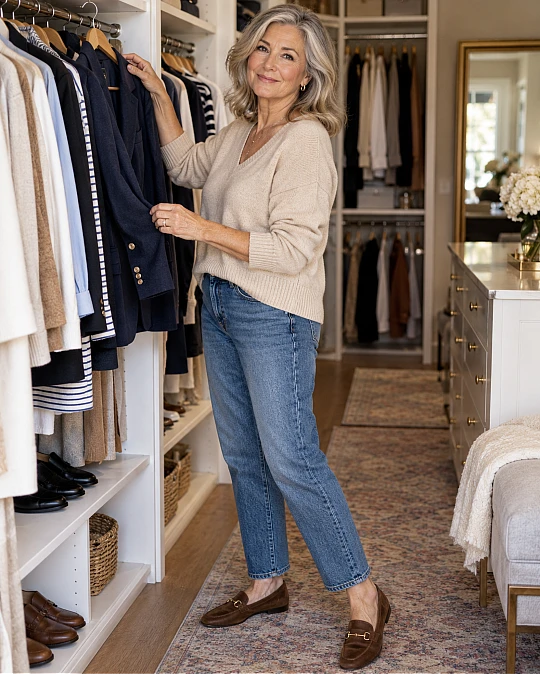
Before buying another sweater or pair of trousers, look at the clothes you reach for most often. These pieces offer the clearest clues about what works for your body, lifestyle, and personal taste.
Your favorite jeans, soft cardigan, comfortable dress, or well-fitting jacket might already be the foundation of a refreshed wardrobe. They simply need better combinations or a few small adjustments.
Pull out the clothes you have worn during the past month. Notice which pieces feel good all day and which ones you keep wearing only because they are familiar.
Try sorting your wardrobe into four simple groups:
- Keep and wear: Clothes that fit comfortably, suit your life, and make you feel good.
- Keep and restyle: Pieces you love but haven’t figured out how to wear lately.
- Repair or alter: Good-quality clothes that need a better hem, button, or fit.
- Release: Items that no longer serve your needs or personal style.
This isn’t about getting rid of half your wardrobe. It is about giving useful clothes more space and making it easier to see what you actually own.
The following guide can help you decide what deserves another chance before you spend money on replacements.
| What You Find | What to Try Instead of Buying New |
|---|---|
| Jeans that feel dated | Try them with a modern knit, tucked shirt, or different shoes |
| A blazer you rarely wear | Pair it with jeans and a simple T-shirt |
| Dresses that feel too formal | Add flat sandals, loafers, or a relaxed cardigan |
| A sweater that looks shapeless | Try a partial tuck or wear it over a longer shirt |
| Trousers that are too long | Have the hem adjusted for your favorite shoes |
A useful test: Put together three outfits using only clothes you already own. If several pieces work together comfortably, you probably have more wardrobe potential than you thought.
Update the Fit of Your Jeans, Trousers, and Jackets
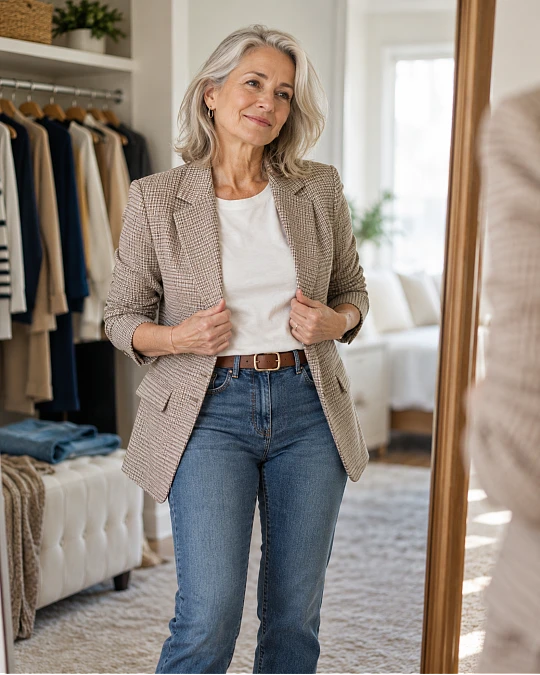
Sometimes an outfit feels outdated because of its fit rather than its color or style. A jacket that pulls across the shoulders or trousers that bunch around the shoes can make even beautiful clothing feel awkward.
Bodies can change over time, but your wardrobe can change with you. A different cut, small alteration, or better combination is often more helpful than chasing a new size.
Start with your jeans. If your favorite pair still fits comfortably, try wearing it with a more structured top or a different shoe shape before deciding it needs replacing.
Straight-leg jeans can feel modern with a crisp cotton shirt and loafers. Wider jeans often work well with a shorter cardigan or a lightly tucked knit that gives the outfit some definition.
Trousers deserve the same attention. A hem that falls cleanly over your shoes often looks more polished than extra fabric gathering around your ankles.
Jackets can also change the way an outfit looks. An open blazer creates a long vertical line, while a shorter jacket can help define the shape of wide-leg trousers or a flowing skirt.
Fit note: Tailoring can be worth considering for pieces you already love. Shortening sleeves, adjusting trouser hems, or replacing worn buttons may be more practical than buying another garment.
Not every alteration is worth the money, especially when the shoulders or overall structure fit poorly. Start with smaller fixes that noticeably improve comfort and appearance.
Change Your Outfit Proportions Before Replacing Anything
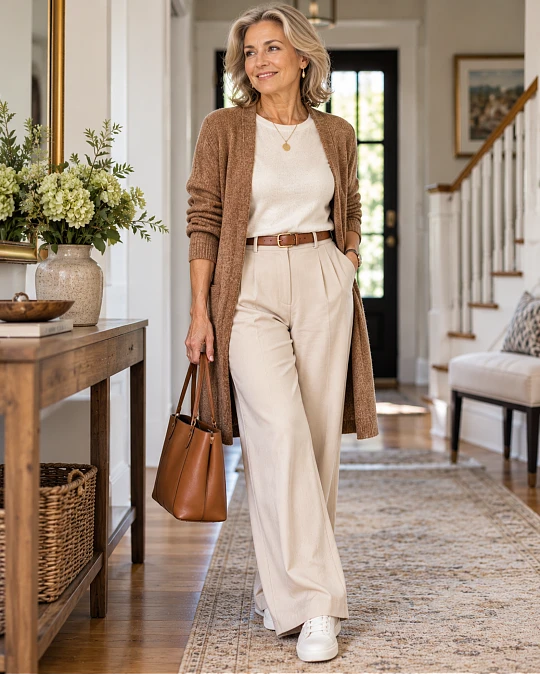
One of the easiest ways to make old clothes feel new is to change how you combine them.
You might have worn the same long cardigan with skinny jeans for years because the pairing feels familiar. That doesn’t mean either piece needs to leave your closet.
Try wearing the cardigan over a simple top with straight-leg trousers instead. Or switch the jeans for a relaxed midi skirt and see how the overall shape changes.
The idea is to balance volume and length rather than follow strict fashion rules. When one piece is loose or flowing, a little definition elsewhere can help the outfit look more intentional.
For example, a roomy blouse may look more balanced with tailored trousers. A fitted knit can work beautifully with a fuller skirt, while a long shirt can feel fresh underneath a shorter jacket.
Small styling changes can also affect the finished look. Rolling shirt sleeves, leaving a few buttons open, or adding a gentle front tuck can give a familiar outfit a different shape.
Here are a few ways to make the same clothing work for different parts of your week.
| Piece You Already Own | Relaxed Day | More Polished Occasion |
|---|---|---|
| Straight-leg jeans | Cotton tee and sneakers | Blazer and loafers |
| Black trousers | Soft knit and flats | Button-down shirt and low heels |
| Midi dress | Denim jacket and trainers | Belt and tailored cardigan |
| White shirt | Open over a tank and jeans | Tucked into tailored trousers |
| Neutral cardigan | T-shirt and relaxed trousers | Worn buttoned with a midi skirt |
You don’t need every outfit to have a defined waist or a perfectly balanced shape. The goal is to discover combinations that make you feel comfortable and well dressed.
Spend an afternoon trying different pairings before putting anything into a donation bag. A piece that seemed difficult to wear may simply have been waiting for a better partner.
Refresh Your Colors Without Replacing Your Basics
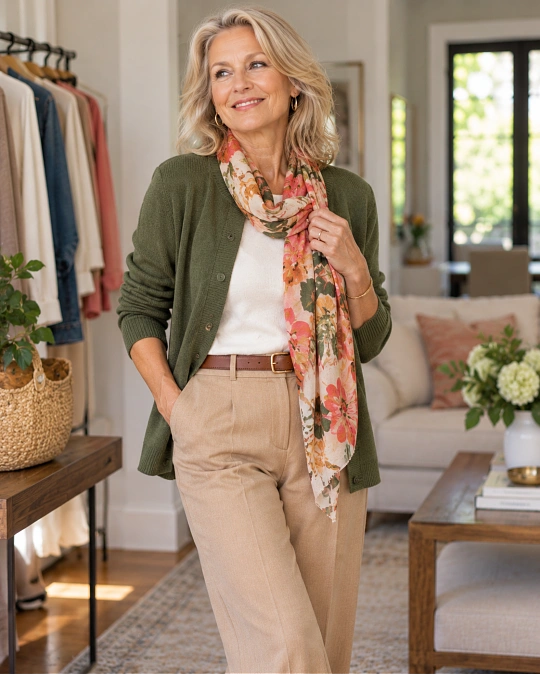
A wardrobe can start feeling repetitive when every outfit uses the same color combinations. Black trousers with a black top or blue jeans with a gray sweater may be practical, but wearing them the same way every week can feel uninspiring.
You don’t need to abandon neutral clothing to make your outfits more interesting. Often, the answer is to use the colors you already own in different ways.
Look through your wardrobe for shades you rarely wear together. A burgundy sweater might look lovely with camel trousers, while a soft blue shirt can brighten a charcoal jacket.
Cream, olive, navy, chocolate brown, and muted rose can also create beautiful combinations with common wardrobe basics. Try holding pieces next to one another in natural light to see which pairings appeal to you.
If you usually wear dark colors, experiment with bringing a lighter shade closer to your face. A cream blouse, pale blue scarf, or soft ivory cardigan can change how a familiar outfit looks.
Color note: You don’t have to follow a strict seasonal color palette. Pay attention to the colors that make you feel lively and comfortable, especially those you enjoy wearing near your face.
Prints deserve another look, too. A patterned blouse that seems busy on its own may work beautifully under a solid blazer, with only the neckline and cuffs showing.
Even changing the order of your layers can make a difference. A white shirt under a navy sweater creates a different effect from wearing the same shirt open over a navy top.
If you eventually decide to buy a new color, choose one that works with at least three pieces you already own. That way, the addition feels useful rather than becoming another lonely item in your closet.
Let Your Shoes, Bags, and Jewelry Modernize Familiar Outfits
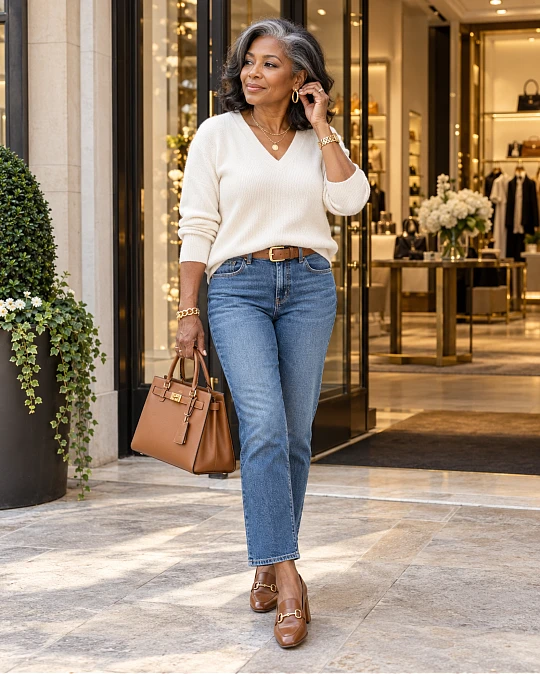
Accessories can make a greater difference than many women expect. You might wear the same jeans and sweater twice in one week, yet create two completely different looks by changing the finishing details.
Start with shoes because they influence the mood and proportions of an outfit. Clean leather sneakers can make tailored trousers feel relaxed, while loafers can give everyday jeans a smarter finish.
Comfort still matters. There is no reason to choose stiff shoes or uncomfortable heels when supportive flats, low block heels, and well-made sneakers can look just as polished.
Then look at the bags you already own. A structured shoulder bag can make a casual outfit feel more finished, while a soft crossbody bag is useful for busy days when you want both hands free.
Jewelry can also bring familiar clothing back to life. A simple pendant, gold-tone hoops, silver earrings, or a colorful necklace may be enough to make a plain knit feel more personal.
Before shopping, check your accessory drawer for pieces you haven’t worn recently.
- Scarves: Try a silk scarf tied loosely at the neck or around a handbag handle.
- Belts: Use one to add definition to a dress, shirt, or cardigan when the fabric allows.
- Jewelry: Pair a simple neckline with earrings or a necklace you normally save for special occasions.
- Handbags: Rotate between structured and relaxed shapes to change the mood of everyday outfits.
Avoid adding every accessory at once. Sometimes one beautiful detail is enough to make an outfit feel considered.
Also, don’t underestimate basic care. Cleaning shoes, conditioning a leather bag, polishing jewelry, or replacing worn laces can give old accessories a much fresher appearance.
Build Fresh Everyday Outfits From Your Existing Wardrobe
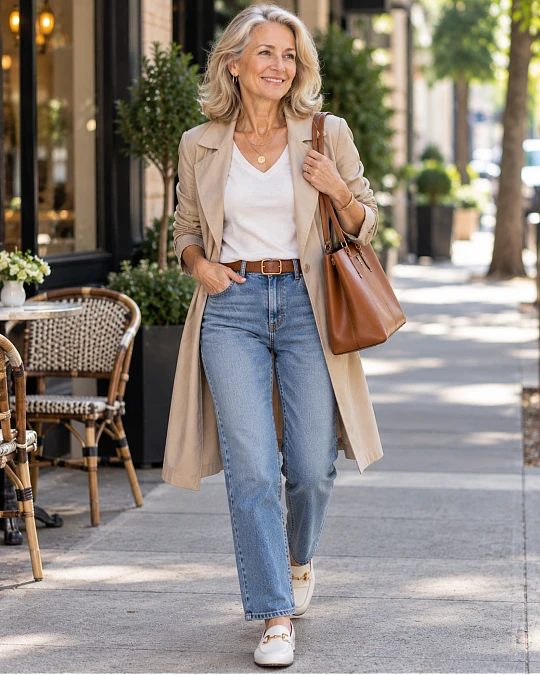
A successful wardrobe refresh should make getting dressed easier, not turn every morning into another styling project.
That is where a few repeatable outfit formulas become useful. Instead of creating a completely different look every day, choose simple combinations that work for your routine.
A personal outfit formula usually begins with two reliable clothing pieces and one finishing layer or accessory. You can repeat the same structure with different colors, fabrics, and shoes.
For example, jeans, a soft knit, and a structured jacket can work for lunch with friends, weekend errands, or casual meetings. Change the shoes and bag, and the same clothing takes on a slightly different feel.
These formulas can help you build stylish outfits for women over 50 without needing a closet full of new purchases.
| Occasion | Outfit Formula | Why It Works |
|---|---|---|
| Running errands | Straight-leg jeans + cotton shirt + sneakers | Comfortable, relaxed, and neat |
| Lunch with friends | Black trousers + fine-knit sweater + loafers | Soft texture with a polished finish |
| Casual evening | Midi dress + short jacket + low heels | Balances a flowing dress with structure |
| Everyday smart casual | Jeans + plain tee + blazer | Mixes relaxed basics with tailoring |
| Travel day | Stretch trousers + breathable top + cardigan | Comfortable layers that are easy to adjust |
The important part isn’t copying these combinations exactly. It is using the same idea with clothing that already suits you.
If you prefer skirts, build your formula around a midi skirt and knit top. If dresses are your favorite, experiment with different jackets, cardigans, and comfortable shoes.
This approach also makes a capsule wardrobe over 50 feel more realistic. You don’t need a fixed number of pieces or a closet filled with beige clothing.
You simply need enough items that work well together and make sense for your actual week.
Try taking photos of three outfits you genuinely enjoy wearing. Save them on your phone so you have reliable combinations ready on mornings when you don’t feel like experimenting.
Buy Only What Your Wardrobe Truly Needs

Refreshing your wardrobe at 50 doesn’t mean you should stop shopping completely. It means making new purchases more thoughtful so they support the clothes you already own.
After spending time restyling your existing pieces, certain gaps may become obvious. Perhaps your trousers work with several tops, but none of your shoes feel comfortable enough for a full day.
Or maybe you own beautiful blouses but lack a simple jacket that works with most of them. These are useful problems to solve because the new piece has a clear purpose.
Before buying anything, ask yourself three questions.
- Can I wear it with at least three things I already own? This helps avoid buying something that needs an entirely new outfit.
- Will I wear it during my normal week? A beautiful piece has less value if it doesn’t fit your lifestyle.
- Does it fit comfortably today? Buying something that only works after changing your body or replacing other clothes can create more frustration.
Consider cost per wear instead of looking only at the purchase price. A well-fitting jacket you wear regularly may provide more value than several inexpensive tops that stay in the closet.
It also helps to shop with a specific clothing gap in mind. Buying another black sweater because it looks nice won’t solve the problem if you already own five you rarely wear.
One overlooked option is updating what you have through repairs or small alterations. Replacing buttons on a cardigan, adjusting a hem, or repairing a favorite bag can extend its useful life.
A wardrobe refresh doesn’t have to happen in a weekend. Give yourself time to wear new combinations and notice what actually feels missing.
The more you understand your existing clothes, the easier it becomes to make purchases you won’t regret.
Frequently Asked Questions
How can I make my wardrobe look more modern after 50?
Start by changing how you style familiar pieces rather than buying the latest trends. Try updated proportions, cleaner shoe shapes, fresh color combinations, and simple accessories that make your clothing feel current.
What clothes should women over 50 keep in their wardrobes?
Keep pieces that fit comfortably, suit your daily activities, and work with several other items. Well-fitting jeans, versatile trousers, useful layers, comfortable shoes, and favorite dresses can all earn their place, depending on your personal style.
How do I refresh my wardrobe on a small budget?
Begin with a closet review, outfit experiments, basic clothing care, and affordable repairs. If you need to buy something, focus on one missing piece that works with several outfits instead of purchasing multiple unrelated items.
Can I still wear clothes I bought ten years ago?
Absolutely, if they still fit comfortably and suit your taste. Older clothes can look fresh when paired with different silhouettes, shoes, or accessories, and some well-made pieces remain useful for many years.
How many clothes do I need for a wardrobe refresh?
There is no set number. Start with enough comfortable pieces to create several outfits for your usual activities, then add or remove clothing based on what you actually wear.