

What often comes as a surprise isn't that your priorities shift after 50, but the quiet, persistent pull to apologize for them. This impulse can subtly undermine the very self-acceptance that this stage of life offers.
There's a subtle, almost unspoken pressure to explain choices that diverge from how you lived in your younger years, whether it's your social habits, personal style, or energy levels.
Many of these 'apologies' aren't for shortcomings, but for natural evolutions in your capabilities and preferences. They reflect wisdom, self-awareness, and a clearer sense of what genuinely serves you now.
It's about shedding the internal need to justify these natural changes and, instead, embracing your authentic self without reservation. You gain the confidence to prioritize your well-being and live unapologetically.
Quick Tips Before You Start
Listen to Your Body
Your energy levels and physical needs are different now; respect them without guilt.
Define Your Boundaries
Clearly communicate what you will and won't do, without lengthy explanations.
Value Authenticity
Embrace who you are now, not who you 'should' be according to old scripts.
Question the 'Shoulds'
Ask yourself if external expectations truly align with your inner peace.
1. Declining Social Invitations Is Self-Preservation

There's a persistent cultural script insisting you always show up.
This expectation often clashes with evolving personal needs, making declining an invitation feel like a social failure. It implies you're letting someone down by prioritizing your energy, contributing to a quiet sense of guilt. The hidden cost of always saying yes is chronic burnout and a life driven by obligation, not genuine desire.
Researchers who study well-being consistently find that strategic social selectivity is a powerful tool for maintaining mental and emotional health, especially as demands on one's attention increase.
When a friend texts, "Catch up Friday?" a simple, "Sounds fun, but I can't make it this week," is a complete, respectful boundary. This clear "no" is an act of self-respect, communicating that your time and energy are finite resources you manage with intention.
The impulse to add lengthy justifications – "I've had such a long week, and I'm so tired, plus I have that thing on Saturday…" – inadvertently drains more of the energy you are trying to preserve. This over-explanation signals a perceived transgression, making a simple choice feel like an unnecessary apology.
This isn't about isolating yourself from connections. Instead, it's about making conscious decisions to direct your finite emotional resources towards interactions that genuinely energize and enrich you. This intentional focus fosters real intimacy and depth, moving beyond superficial obligation.
⚠️ COMMON MISTAKE
Don't Over-Explain Your 'No'
Giving too many details about why you can't attend an event can create an opening for others to argue or suggest alternatives, rather than simply accepting your decision. A firm, polite refusal is sufficient.
2. Your Social Circle Can Happily Shrink

After years of broadening social connections for career or status, many find their social circle happily contracts. This isn't a sign of loneliness or social failing; it reflects mature discernment, prioritizing quality over mere quantity.
It is a clear shift toward deeper connections.
Consider a Saturday evening: instead of managing a dozen invitations, you gather with two or three trusted companions. The conversation flows deeper, the laughter is more genuine. This reduces the social stress and the burden of maintaining superficial interactions that served different purposes in younger years.
Social Circle Shifts — At a Glance
🤝 Deep Connections
2-5 people
🌐 Broader Network
Less focus
🧠 Mental Load
Reduced
🔋 Energy Preserved
Significant
3. Comfort, Not Trends, Defines Your Style

The constant pursuit of current fashion trends comes with a hidden cost: endless decision fatigue, financial strain, and a subtle erosion of genuine self-expression. Prioritizing comfort and a personal style that truly fits you is a sensible, confident choice, guided by your well-being.
As bodies naturally change with age, comfort moves from a preference to a primary consideration for daily wear.
Embracing your authentic self in dress means valuing what feels good and looks true to you. This frees you from the exhausting cycle of seeking external validation from ever-changing trends.
Dressing for Comfort vs. Trends
- Choosing soft, natural fabrics that breathe. — This supports your body's natural comfort and temperature regulation.
- Investing in well-cut pieces that fit your current shape. — Tailored comfort boosts confidence more than ill-fitting trends.
- Adding one or two trend-forward accessories for fun. — A pop of current style can be enjoyable without sacrificing overall comfort.
- Wearing uncomfortable shoes or restrictive clothing for a special event. — The discomfort detracts from your enjoyment and often shows on your face.
- Buying clothes because they are 'in style' rather than because you love them. — These pieces often sit unworn, a reminder of external pressure, not personal joy.
4. Taking Your Time Is a Right, Not a Flaw

Just as embracing comfort defines your style, allowing yourself to move at your own deliberate pace, whether physically or mentally, is a privilege that contributes meaningfully to your well-being.
The rush to do everything at top speed often creates a subtle undercurrent of stress. Taking an extra moment to choose your words, to walk at a comfortable speed, or to consider a decision thoroughly reflects a considered approach to living, not a flaw.
This deliberate pace fosters greater mindfulness, allowing you to engage more fully with the present moment. Physical or cognitive changes are natural evolutions, not deficits requiring apology.
If someone asks for an immediate decision, simply saying 'I'll take a moment to think on that, and get back to you' is the whole message. It prioritizes accuracy and your own enjoyment over frantic speed.
5. You Don't Need to Master Every New Technology

You see a new app pop up in conversation or get a message from a younger relative asking if you've tried the latest social platform. There's a subtle undercurrent of expectation to keep pace, to master its quirks, and join the digital flow.
Just as you've learned to move at your own comfortable speed, this measured approach also applies to technology. It is entirely acceptable to adopt only digital tools that genuinely add value.
The key is distinguishing between what's truly necessary and what's merely optional. Does it solve a real problem or simplify a task, or is it just another passing trend?
Adopting a 'good enough' stance means you learn what you need for a specific purpose, then stop. There's no need to explore every advanced feature or spend hours troubleshooting beyond your immediate need.
This selective engagement safeguards significant amounts of your time and mental energy. There's a quiet strength in choosing not to participate in the constant cycle of upgrades and new platforms.
Consider this simple self-test: Does adopting this new technology truly make your life better, simpler, or more connected in a way that matters to you? If yes, explore it. If it feels like another obligation, opting out is a conscious choice to protect your peace.
💡 PRO TIP
Adopt With Purpose
When considering new tech, ask: 'Does this simplify my life or add complexity?' If it doesn't clearly offer a benefit you want, skip it without guilt. Your time is valuable.
6. Holding Different Political Views Is Your Prerogative

Maintaining distinct political or social views is a natural outcome of decades lived, just as you selectively choose which technologies fit your life.
Your perspective is shaped by a unique blend of lived experience, observations, and changing societal landscapes. This wisdom gained over time often leads to complex, nuanced viewpoints that may differ from those of younger generations or current social trends.
It is perfectly valid to hold these considered stances. Respectful disagreement, rooted in your experience, is always possible and important in diverse conversations.
Your perspectives naturally evolve over a lifetime, leading to genuinely considered positions.
Differing Views: Connect vs. Conflict
Productive Dialogue
- Listen to understand, not to reply.
- Share your perspective clearly and calmly.
- Focus on shared values, not just differences.
- Agree to disagree when common ground isn't found.
Unproductive Debate
- Interrupting or talking over others.
- Dismissing another person's lived experience.
- Raising your voice or using accusatory language.
- Trying to change someone's entire worldview in one conversation.
7. You Don't Have to Pursue Every New Hobby
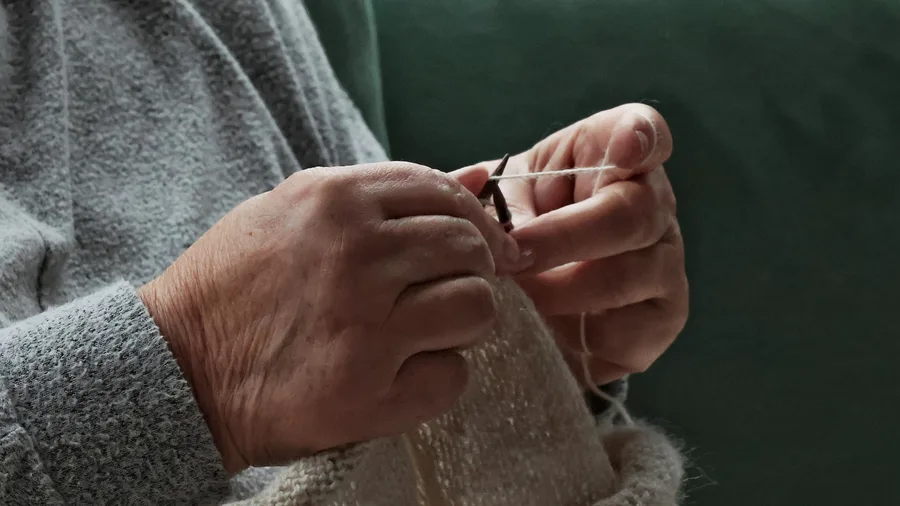
"I feel like I should be trying something new."
This internal voice can be persistent, suggesting a new course or an exotic craft every few months. But just as you carefully consider the ideas and information you absorb, choosing what to engage with in your leisure time is also a deliberate act of self-preservation.
It is about understanding that genuine interest, not a sense of obligation, is the only true guide for how you spend your precious time and energy. The quiet cost of constantly chasing the next exciting activity is a diffused sense of purpose.
You spend small amounts of money on starter kits for hobbies that never quite take hold, or weeks learning the basics of something you drop when the initial novelty fades. This leaves little room to truly settle into the rhythm of an existing passion, the kind that yields deeper satisfaction and even a sense of quiet mastery.
There is real value in that sustained engagement. Prioritizing depth over breadth in your activities means you get to spend more time truly enjoying what you love, rather than perpetually being a beginner in something new. It's an investment in your personal fulfillment, not just another item to check off a social list.
True well-being isn't about collecting experiences; it's about curating peace.
— What people discover after decades of chasing novelty.
8. Discussing Your Health Is Practical and Necessary

I used to think that mentioning any ache or limitation was a sign of giving in to age, or worse, becoming 'that person' who only talks about their ailments. Yet, just as prioritizing genuine interests is a form of self-care, openly addressing your practical health needs is equally important for your well-being.
It's a way to ensure you receive the understanding and support you might need. Communicating that a particular chair isn't comfortable, or that a planned walk needs to be a certain pace, isn't a complaint. It's providing necessary information so others can act with consideration.
Age-related changes in health are a normal part of life, not a failing that demands an apology. Discussing them calmly helps friends and family adapt their plans, creating situations where you can participate comfortably without pushing yourself beyond what is sensible.
9. Embracing Your Natural Appearance Is Freedom

" The question often implies a judgement, reflecting a societal push to cling to youthful ideals. But just as acknowledging your body's health is practical, accepting its natural appearance without reservation is also a direct and powerful choice.
Allowing wrinkles, grey hair, or a changing body shape to simply be part of who you are removes the quiet but constant pressure of comparison to unrealistic beauty standards. Your self-worth does not depend on looking a certain way. This shift frees up significant time, money, and emotional energy that would otherwise be spent fighting a natural process. It allows you to embrace yourself authentically.
✨ Embracing Your Authentic Self
Acknowledge the Shift
Recognize that your needs, desires, and capabilities naturally evolve with age.
Reframe Expectations
Let go of past versions of yourself and societal 'shoulds' that no longer fit.
Prioritize Well-being
Make choices that genuinely support your mental, emotional, and physical health.
Practice Gentle Boundaries
Clearly communicate your limits and preferences without over-explaining or apologizing.
Celebrate Your Self
Appreciate the wisdom, peace, and freedom that come with this stage of life.
10. Grand Travel Plans Aren't a Mandatory Goal

There's a persistent narrative suggesting that later life must be filled with ambitious travel and constant discovery.
Social media often showcases endless 'bucket list' journeys, subtly implying that if you're not constantly chasing new frontiers, you're missing out on essential experiences.
Yet, preferring simpler, local experiences or the quiet comfort of your own home is a valid, self-aware choice, not a deficit. The quiet satisfaction of exploring a nearby town or finding peace in a weekend spent with a good book offers genuine, deep enjoyment without the exhaustion of complex logistics.
This preference often reflects a natural evolution of energy levels and desires. The intense planning and demands of grand trips can become taxing, making familiar rhythms and genuine rest more appealing.
11. Prioritizing Your Peace Is a Wise Choice

A familiar name flashes on your phone, or an invitation arrives for a gathering known for its predictable drama. You feel a quiet sense of dread begin to settle.
Deliberately choosing to avoid draining situations and relationships is a powerful, valid act of self-care. It's a profound way of protecting your mental and emotional space.
Over months and years, this continuous boundary setting quietly buys back your energy, reducing the unseen cost of constant emotional recovery. This strategic avoidance directly supports your mental, emotional, and physical well-being.
Frequently Asked Questions
Why do I feel guilty for changing my habits after 50?
Many people internalize societal expectations that equate youth with vitality and constant activity. Shifting priorities can trigger old beliefs that you should always be 'doing more' or 'keeping up.' Recognizing these ingrained expectations is the first step to letting go of the guilt.
How can I set boundaries without offending people?
Be clear, concise, and polite. State your boundary as a fact, not an apology. For example, "I won't be able to make it this time, but I appreciate the invitation." You are not responsible for another person's reaction to your boundaries; you are responsible for maintaining your well-being.
Is it normal to want fewer social engagements as I age?
Yes, it is entirely normal. Research consistently shows a natural shift towards valuing deeper, more meaningful connections over a wide social network as people age. This isn't a sign of isolation, but rather a preference for quality over quantity in social interactions.
What if my family or friends don't understand my new choices?
You can calmly explain that your priorities and energy levels have evolved, and you are making choices that best support your well-being. You don't need their approval to live authentically, but clear communication can help them adapt to your new normal. Focus on what you will do, rather than what you won't.
How do I deal with the pressure to stay current with technology?
Distinguish between technology that genuinely serves your needs and technology that is simply 'new.' Adopt what enhances your life, like video calls with loved ones, and confidently opt out of what feels like a distraction or a burden. Your peace of mind is more important than keeping up with every gadget.
Start Your No-Apologies Life Today
This stage of life is a powerful invitation to prioritize your well-being and authenticity above all else. Embracing this truth allows you to shape a life that truly aligns with who you are now, not who you once were.
There is immense freedom in releasing the pressure to apologize for the natural evolutions in your preferences, your capabilities, or your quiet contentment. Your authentic self, clear-eyed and unburdened by unnecessary guilt, is your greatest source of peace.
Let go of that lingering impulse to explain yourself. The only justification needed for your choices after 50 is that they are yours.
Own Your Choices, Unapologetically
Review the list again and pick one thing you will stop apologizing for this week. Start with the easiest one, then build from there.